

Amidst the sharp decline in most key export sectors such as textiles, seafood, and wood, agricultural and fruit exports have become a bright spot for the economy . More importantly, following the Covid-19 pandemic and the current drought, agriculture continues to affirm its role as a pillar of the economy.
While the fisheries sector experienced a breakthrough in 2022 with almost vertical growth, by 2023, rice and vegetables became representative Vietnamese agricultural products, gaining a reputation in the international market.
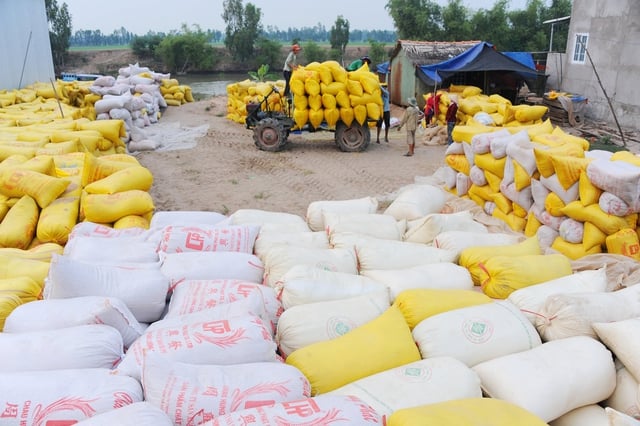
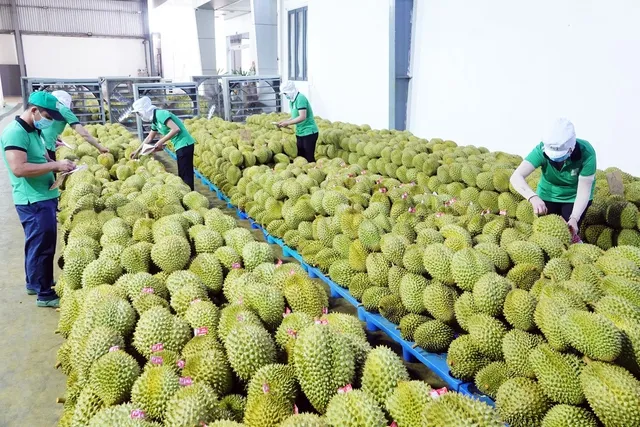
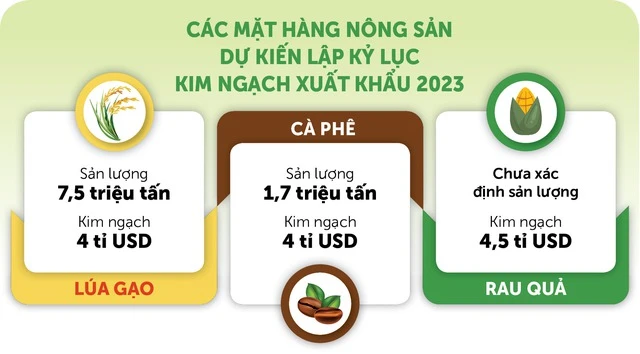
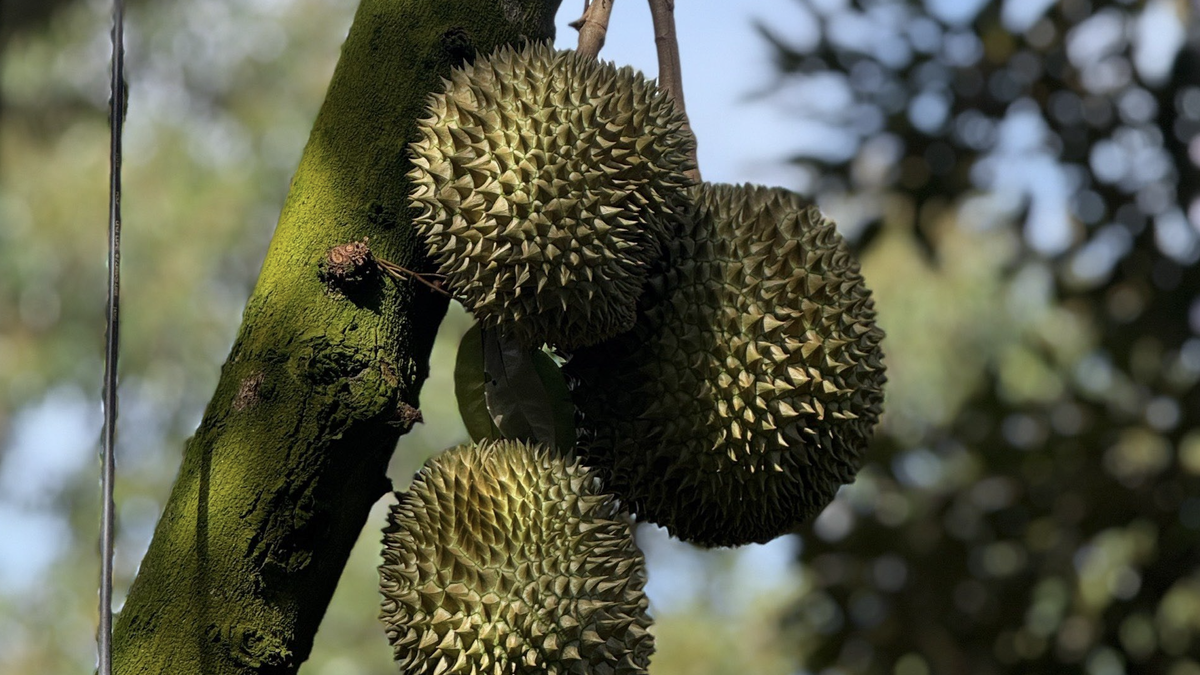
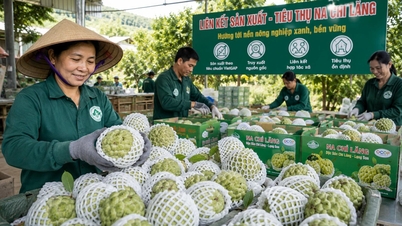
The fruit and vegetable sector is making rapid strides towards setting new export records. According to estimates from the Ministry of Agriculture and Rural Development, by the end of 2023, the export value of fruits, vegetables, and rice will reach its highest level ever, exceeding US$4 billion. For the first time, durian will take the top spot among fruit crops, with export value reaching US$2 billion. The dramatic growth of durian cannot be discussed without mentioning the signing of the Protocol for official export to China in the second quarter of 2022. Since then, durian has brought substantial income to growers and contributed significantly to the overall growth of the fruit and vegetable export sector.
Besides, the fruit and vegetable industry still has many other potential "stars" that promise to shine in the near future, including coconuts. Recently, this product has received signals of opening up to the two largest consumer markets, the US and China. Mr. Cao Ba Dang Khoa, Acting General Secretary of the Vietnam Coconut Association, informed: "The export value of processed coconut products and raw materials such as coconut milk powder, dried shredded coconut... from Vietnam has continuously increased in recent years, rising to the fourth position in Asia."
Statistics show that the export value of coconuts and coconut products in 2022 reached over $900 million. Currently, due to the impact of the overall situation, the export value of coconuts has decreased by about 32% compared to the same period in 2022, reaching approximately $215 million. However, in the long term, the export potential of the coconut industry remains very large. With preparations for opening the Chinese market and the reopening of the US market, Vietnamese coconut exports will soon reach $1 billion.
Vegetables, fruits, and rice have broken export records in terms of value, but there is still a lack of linkages.
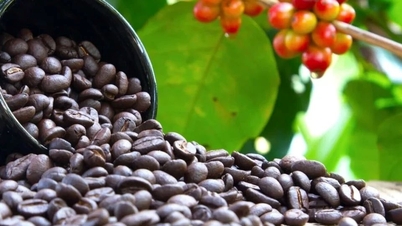
In addition, domestic coffee production is experiencing a strong resurgence. After years of being below 40,000 VND/kg, coffee prices unexpectedly surged from the beginning of 2023, and are now close to reaching 70,000 VND/kg. "For many years, Vietnamese coffee prices haven't exceeded 50,000 VND/kg, so the current price is almost a dream for both businesses and farmers. With the new coffee harvest starting in October-November each year, prices might decrease slightly, but they are likely to remain high," commented a representative of a coffee export company in Dak Lak . The Ministry of Agriculture and Rural Development also forecasts that coffee exports could break the previous year's record, and 2023 will be the second consecutive year that Vietnam achieves over 4 billion USD in coffee exports.
Rearranging the "industry landscape" to optimize national advantages.
Amidst challenging domestic and global economic conditions, agriculture has emerged as a pillar of the economy. Looking back at the past year's agricultural exports, Mr. Nguyen Quoc Toan, Director of the Center for Digital Transformation and Agricultural Statistics (Ministry of Agriculture and Rural Development), commented: "It can be said that the agricultural sector is proud of its achievements. Climate change, diseases, and crises have negatively impacted global economic activity. However, Vietnam's agricultural exports have emerged as a bright spot for the entire national economy. The success in agricultural exports is attributed to a significant shift in production, followed by the expansion into new markets and, especially, the utilization of new-generation trade agreements."
On the other hand, according to Mr. Nguyen Quoc Toan, the rapid growth of some sectors such as rice and durian has also exposed the weaknesses of the current agricultural sector, namely the lack of linkages. Specifically, the current bottlenecks are quality management, inadequate processing infrastructure, and poor linkages between farmers, traders, and businesses, leading to competition in procurement and contract breaches.
Dr. Dang Kim Son, former Director of the Institute of Agricultural and Rural Development Policy and Strategy (Ministry of Agriculture and Rural Development), also expressed his concern: "In Vietnam, although the State, businesses, and people have put in a lot of effort to create linkages between the four stakeholders, build large-scale model fields, and develop value chains… in the production of commodities in general and rice in particular, the stages are still separated. Production is left entirely to farmers, and purchasing from farmers is left entirely to traders and businesses with processing plants. Many export businesses only sign contracts to sell rice and mobilize it from milling factories in a 'transfer to another ship' manner."
The current situation involves signing export contracts with foreign companies first, then purchasing rice based on fluctuating domestic prices. When price changes occur, conflicts arise, turning cooperative relationships into confrontations. Maintaining this weak organizational structure will create opportunities for multinational FDI corporations to dominate strategic agricultural sectors where Vietnam has a competitive advantage. Domestic businesses, and especially farmers, will only receive meager profits as laborers, burdened with risks such as disease, natural disasters, and environmental pollution. In reality, Vietnam has accepted this situation in many industrial and agricultural sectors, and is currently being pushed back in livestock farming, while aquaculture and coffee production are also being affected.
According to Dr. Dang Kim Son, to gain a foothold in the domestic market and leverage the national advantages of the agricultural sector, local and sectoral leaders need to reorganize the strategy for each commodity and establish the position of farmers in general and rice farmers in particular. It is essential to clearly define the locations of rice, fruit trees, and aquaculture in specialized farming areas like the Mekong Delta. Similarly, the Central Highlands must clearly define the locations of coffee, pepper, fruit trees, and forests… Only then can synchronized investment in infrastructure, logistics, processing plants, and human resources be achieved. In specialized farming areas, it is necessary to identify and support large enterprises to lead small enterprises, cooperatives, and farmers.
Once horizontal linkages are established between farmers, businesses, and localities, vertical linkages can be built and organized. These vertical linkages address issues such as how to establish specialized farming areas, organize production, find markets, determine prices, process products, and engage in international cooperation. The formation of specialized farming areas is vertical linkage, the value chain is vertical linkage, and at the highest level is the industry council.
Securing connections with farmers is a win-win situation.
Mr. Le Duc Thinh, Director of the Department of Cooperative Economics and Rural Development (Ministry of Agriculture and Rural Development), analyzed: The biggest weakness of the agricultural sector today is the lack of linkages. Whether slowly or quickly, modern agriculture cannot be one that competes independently but must be organized according to supply chains and value chains.
"Of course, we're moving slowly, but if we don't start today, it will be very difficult for us to achieve anything in the near future. Previously, we had a decree on linking up, and within that linkage, there were penalties for violations, but that decree still had some limitations, especially in terms of implementation… In the supply chain, the trap we always encounter is the heavy reliance on price. The problem is that the price factor is very difficult to manage, even for businesses. How can farmers and cooperatives come together? There's nothing better than supporting the welfare and benefits of farmers. We need to focus on helping farmers produce high-quality agricultural products, helping them reduce production costs, providing them with sufficient market knowledge and skills to respond, and helping them access credit…", Mr. Thinh emphasized, adding that the current linkage between buyers and sellers only goes as far as signing sales contracts, but this is insufficient. enough.
In terms of competitiveness, Vietnamese businesses are inferior to multinational corporations in every aspect – in terms of resources and market share. However, we have one advantage: if we can establish strong links with farmers, we will win. Therefore, whether slowly or quickly, we must persevere to deepen and broaden the production-consumption linkage. Only then can we overcome the weaknesses of Vietnam's current agricultural sector and elevate the position of Vietnamese agricultural products.
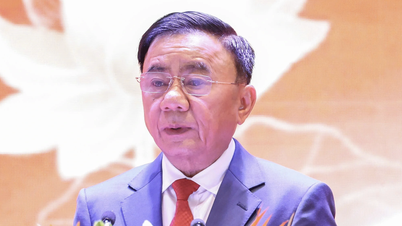
According to Pham Tan Cong, Chairman of the Vietnam Chamber of Commerce and Industry (VCCI), in the current context, to achieve the goals of the agricultural sector in the coming period – "Developing smart agriculture, integrating internationally, adapting to climate change, increasing added value and sustainable development; prosperous and civilized new rural areas, wealthy farmers" – it requires even greater participation and the role of businesses. Businesses will be the pioneers paving the way for Vietnam's agricultural sector to gradually advance, assert its position in the world, and from there, bring about production efficiency and increase income for farmers.
"In recent times, the Government has issued many policies to attract businesses to invest in agriculture. These policies show that the State is very interested in encouraging businesses to invest in the development of agriculture and rural areas. However, investment in agriculture always involves many unpredictable risks, so to put policies into practice, the Government and localities need to pay special attention to removing difficulties and creating favorable conditions for agricultural businesses. It is necessary to build models and successful businesses in investing in agriculture to replicate and encourage, creating confidence for potential investors," Mr. Cong emphasized.















































































Comment (0)