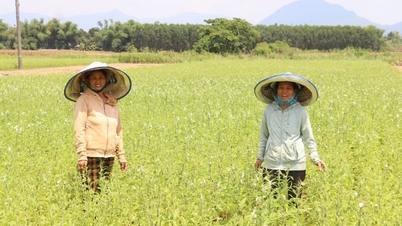
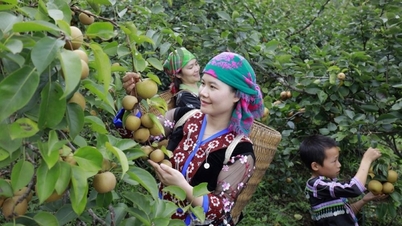
According to statistics from the Ministry of Agriculture and Rural Development (MARD), the country currently has 18,109 rural centralized water supply systems, providing clean water meeting standards to 9,374,264 rural households.
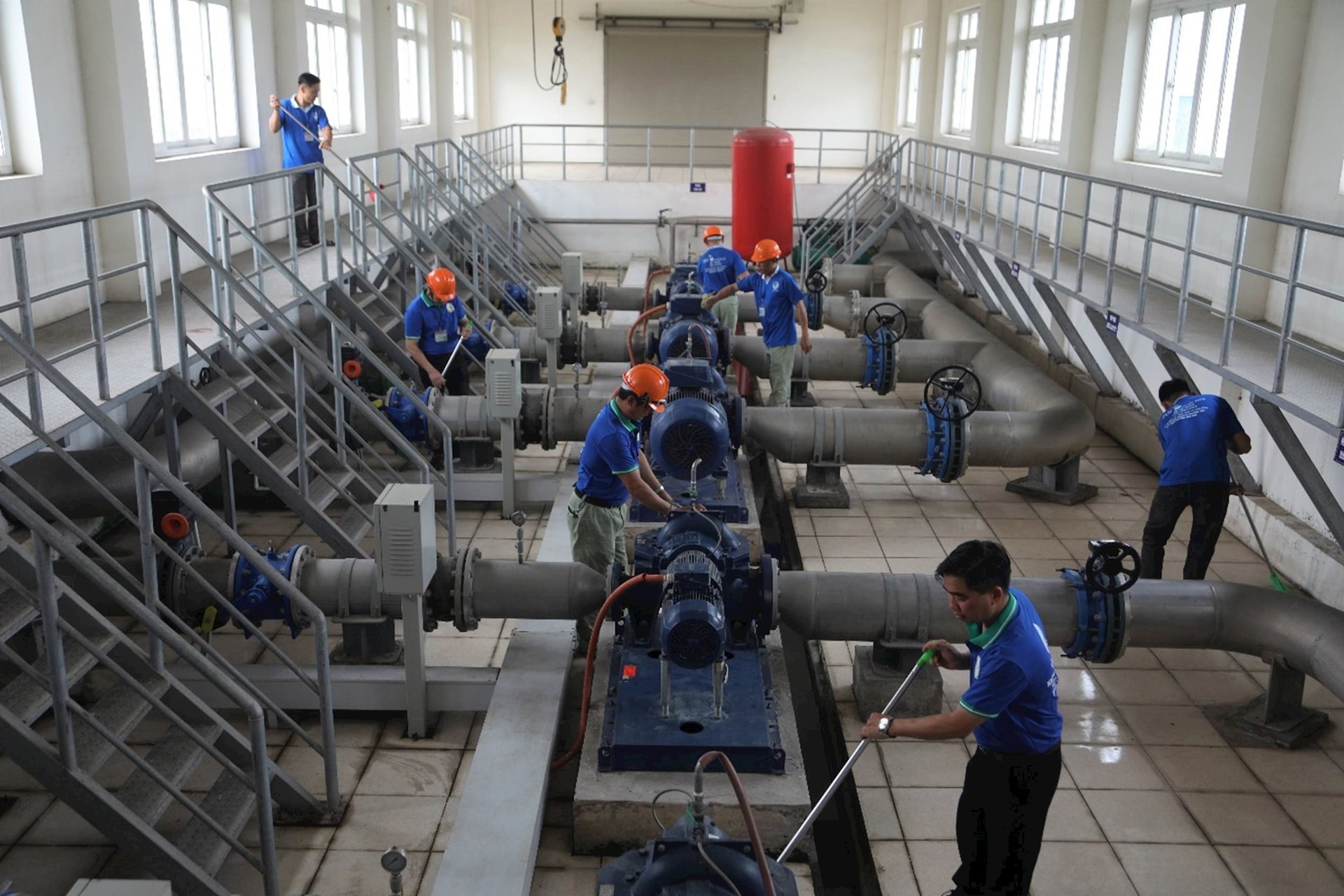
However, approximately 41.8% of water supply systems are operating unsustainably or are not functioning at all, affecting around 200,000 households. These systems are mainly very small-scale rural centralized water supply systems with a capacity of less than 50 m3/day.
Nearly 42% of water supply projects are operating inefficiently.
Assessing the current state of clean water implementation, Deputy Director of Irrigation Department Luong Van Anh stated that the country currently has 18,109 centralized rural water supply projects, providing clean water meeting standards to 9,374,264 rural households. Of these, the Red River Delta region has the highest percentage of rural households using clean water meeting standards, at 91.9%. In some localities, water supply system management has integrated digital mapping technologies (GIS), mobile technology, and cloud computing, creating a comprehensive management system for water supply units.
Many localities continue to apply new technologies to automatically monitor water quality; using asset management software, water quality and pressure monitoring equipment, water supply zone control valves, etc.


However, currently, the whole country has 18,109 rural centralized water supply systems, providing clean water meeting standards to more than 9 million rural households. Of these, 32.0% are operating sustainably, 26.3% are operating relatively sustainably, 27.0% are operating unsustainably, and 14.8% are not operating... Notably, the mountainous regions of the North and the Central Highlands have the lowest percentage of rural households using clean water meeting standards nationwide, and these are also the regions with the lowest percentage of households using clean water from centralized water supply systems compared to other regions and compared to the national average.
"Although 74.2% of rural households use clean water that meets standards, in some provinces the rate of using clean water that meets standards from centralized water supply systems is still very low nationwide, such as: Ha Giang (7.7%), Gia Lai (7.7%), Yen Bai (11.4%), Cao Bang (12.6%), Lam Dong (12.8%), Dien Bien (13.5%)" - Mr. Luong Van Anh said.
Policies to support investment need to be developed.
Feedback from localities with low rates of access to clean water indicates that, despite encouraging results, rural clean water supply still faces many difficulties and challenges. These include: an incomplete water supply policy system, the lack of a Water Supply Law, and existing regulations that are insufficient, inconsistent, and lacking in effectiveness and efficiency in practice. Another reason for the low clean water coverage rate is the reluctance of many investors in clean water projects, as some residents in certain areas refuse to use the water after investment, resulting in investment returns that fall short of expectations.
Addressing this issue, Deputy Minister of Agriculture and Rural Development Nguyen Hoang Hiep stated that the need for investment resources in rural clean water to meet the target of 80% of the rural population having access to clean water by 2030 is enormous, while investment resources for rural water supply, primarily based on the state budget, are limited. Social resources can only be mobilized in the lowland areas with high population density, and there is a lack of adequate solutions to promote these resources in mountainous, remote, and disadvantaged areas…
In reality, due to the lack of economic and technical standards for managing and operating centralized rural water supply systems, most localities approve water prices that are not accurately and comprehensively calculated. The mechanism for ordering and allocating funds for water supply services in remote areas and ethnic minority regions has not been implemented, leading to many difficulties for rural water supply units in managing and operating the facilities.
The models managed and operated by the commune People's Committee and the community face numerous problems. These include the small scale of the projects, simple technology, and low operating and management costs. The financial mechanisms are unclear, making it difficult to audit and determine financial transparency; water prices are low, resulting in insufficient revenue to cover operating costs; and water quality and quantity cannot be controlled.



The trend of socialization is flourishing in areas with developed socio-economic conditions, but there is a lack of regulations binding the responsibilities of businesses and private individuals providing water supply services, as well as insufficient legal tools for state management to ensure safe water supply and social welfare, leading to the risk of loss of control and water supply security.
To achieve the goal of 100% of organizations managing and operating rural domestic water supply facilities meeting management and operation capacity requirements by 2030, and 80% of the rural population having access to clean water meeting quality and standards, according to Mr. Luong Van Anh, it is necessary to review and assess the capacity and efficiency of water supply facility management and operation, and transfer management and operation to units with sufficient capacity. A roadmap for accurately and comprehensively calculating the price of clean water in rural areas should be developed and implemented; cross-subsidization of costs in the management and operation of water supply facilities should be implemented, leading to the regulation of water prices for each facility…
Along with support from existing sources, integrating funding from programs and projects with similar goals regarding rural clean water requires maximizing the mobilization of social resources. Furthermore, the Government should promptly issue a Decree on the management of rural clean water.
Source: https://daidoanket.vn/nuoc-sach-nong-thon-con-nhieu-kho-khan-10294697.html