Recognizing the crucial role of forestry in the economy, Binh Gia district, Lang Son province, has recently intensified its efforts to promote and encourage people to plant forests for economic development. This has contributed to job creation, increased income for residents, and the fight against poverty. Despite their calloused hands and failing eyesight, many residents of Dong Lam commune, Ha Long city (Quang Ninh province), regularly attend literacy classes every evening, diligently practicing each letter and number. With these efforts, they not only confidently write their names on paper but also know how to calculate and use many features on smartphones. On the afternoon of November 28, at the Party Central Headquarters, General Secretary To Lam met with Cambodian King Norodom Sihamoni, who was on a state visit to Vietnam. Over 10 days (from November 25 to December 4), the Women's Union of Kbang district (Gia Lai province) organized training sessions to promote changes in mindset and practices, and to address some urgent issues of concern to women in 2024, in the communes of Kong Bo La, Kong Long Khong, Dak Rong, Lo Ku, Krong and Kbang town. The Criminal Police Department of Tay Ninh province has just issued a decision to temporarily detain four individuals: Bui Cong Hieu and Nguyen Van Gia Huy, both 19 years old, residing in Ho Chi Minh City; and Nguyen Huu Tien, 21 years old, residing in District 11, Ho Chi Minh City. Ho Chi Minh and Nguyen Van Minh, 23 years old, residing in Ho Chi Minh City. Tan Uyen, Binh Duong province. With his quick wit and intelligence, Mr. Trieu Van Phu, born in 1985, Party Secretary and Head of Lung Slang village, Tri Phuong commune, Trang Dinh district (Lang Son province), has pioneered the development of community tourism in the village, setting an example for the Red Dao people there to learn from in developing their economy. Currently, Soc Trang province is directing the effective implementation of the emulation movement "Joining hands to eliminate temporary and dilapidated houses nationwide by 2025," striving to complete the goal of eliminating temporary and dilapidated houses in the province by the end of the third quarter of 2025. The Criminal Investigation Agency of Cu Jut district police, Dak Nong province, has just issued a decision to initiate a case, indict and order the temporary detention of Le Van Manh (born in 1993), residing in Ea Po commune, Cu Jut district, for the acts of "Possessing prohibited goods" and "Illegally possessing narcotics"; Le Thanh Vu (born 1995), residing in Buon Ma Thuot City, Dak Lak province, was charged with "Possessing prohibited goods," and Pham Ngoc Nam (born 1993), residing in Binh Phuoc province, was charged with "Trading prohibited goods." The summary news report of the Ethnic and Development Newspaper, dated November 28th, includes the following noteworthy information: The unique longhouse worship ceremony of the Ede people; Many farmers in Bac Kan achieve success in digital business; Young people preserve the soul of Chu Ru culture. Along with other current news from ethnic minority and mountainous regions. Information from a recent nationwide online conference on infectious disease prevention and control organized by the Ministry of Health, a representative from the Department of Preventive Medicine stated that from the beginning of 2024 to the present, the whole country has recorded more than 20,000 suspected measles cases, of which nearly 5,000 tested positive for measles, and 5 deaths related to measles (3 in Ho Chi Minh City, and 1 each in Ben Tre and Binh Duong). Recognizing the important role of forestry in the economy, Binh Gia district, Lang Son province, has recently intensified propaganda and mobilization efforts to encourage people to plant forests to develop the economy. From there, it contributes to creating jobs, increasing income for people, and contributing to the fight against hunger and poverty. Despite their hands being somewhat calloused and their eyesight failing, every evening, many people in Dong Lam commune, Ha Long city (Quang Ninh province) regularly attend literacy classes, diligently practicing each letter and number. With these efforts, they not only confidently write their names on paper but also know how to calculate and use many features on smartphones. For the past 7 years, Sung A Cai (32 years old), a Mong ethnic minority man from Suoi Bu commune, Van Chan district, Yen Bai province, has persevered on his journey to green his homeland. With the desire to transform barren, empty lands and hills into lush green forests, he is realizing his dream of "millions of green trees" to protect the environment and change the lives of his people. After 10 years of implementing Directive No. 40-CT/TW, dated November 22, 2014, of the Party Central Committee on strengthening the Party's leadership over social policy credit (referred to as Directive 40-CT/TW), in Dong Nai province, thousands of poor, near-poor, and newly-escaped-poverty households have received loans, actively contributing to the effective implementation of the national target program on sustainable poverty reduction by all levels and sectors.
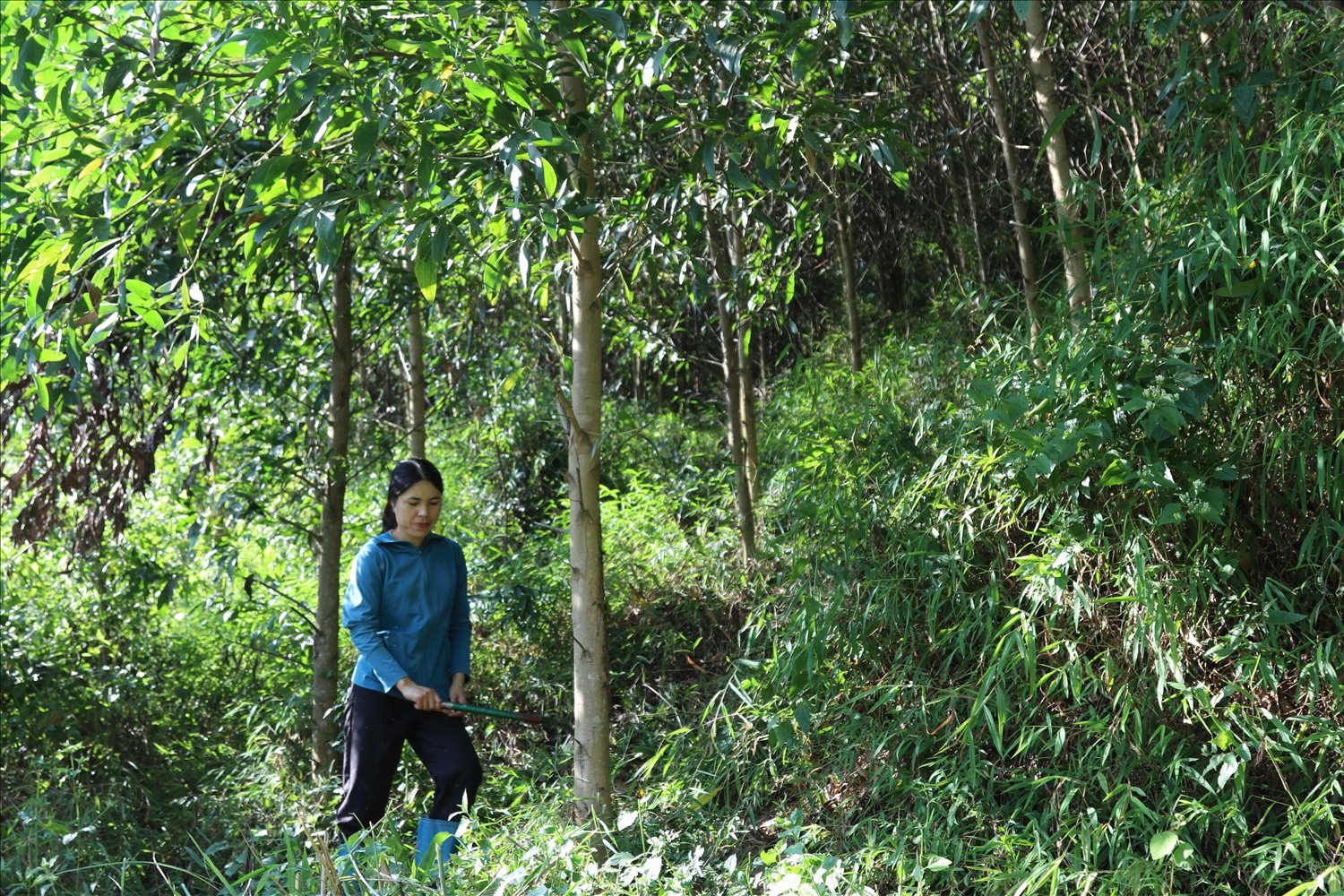
With 98,000 hectares of forest and forestry land, Binh Gia district has significant potential for developing a hill and forest-based economy. In recent years, the local government has focused on encouraging people to expand forest planting areas and diversify crops on the same land to maximize the use of existing forest land . In the long term, this will create a stable source of income for the people from forestry.
Specifically, in Hong Thai commune, which has potential for developing a hill and forest economy, the forest land area is 3,248 hectares (accounting for 85%). To stabilize the lives of the people, Hong Thai commune has promoted the planting of production forests, especially acacia and eucalyptus trees. Nearly 200 households in the commune are involved in forest planting, with some households planting as little as 1 hectare and others planting more than 5 hectares. As a result, the total forest area in the commune currently exceeds 500 hectares.
Mr. Long Van Hai, from Na Ban village, Hong Thai commune, said: "My family planted about 1.5 hectares of acacia trees. By 2017, the acacia trees yielded a harvest that brought my family an income of over 100 million VND. Based on that success, my family replanted on the previously harvested area and expanded further. To date, we have planted 2.5 hectares, and the trees are growing and developing well."
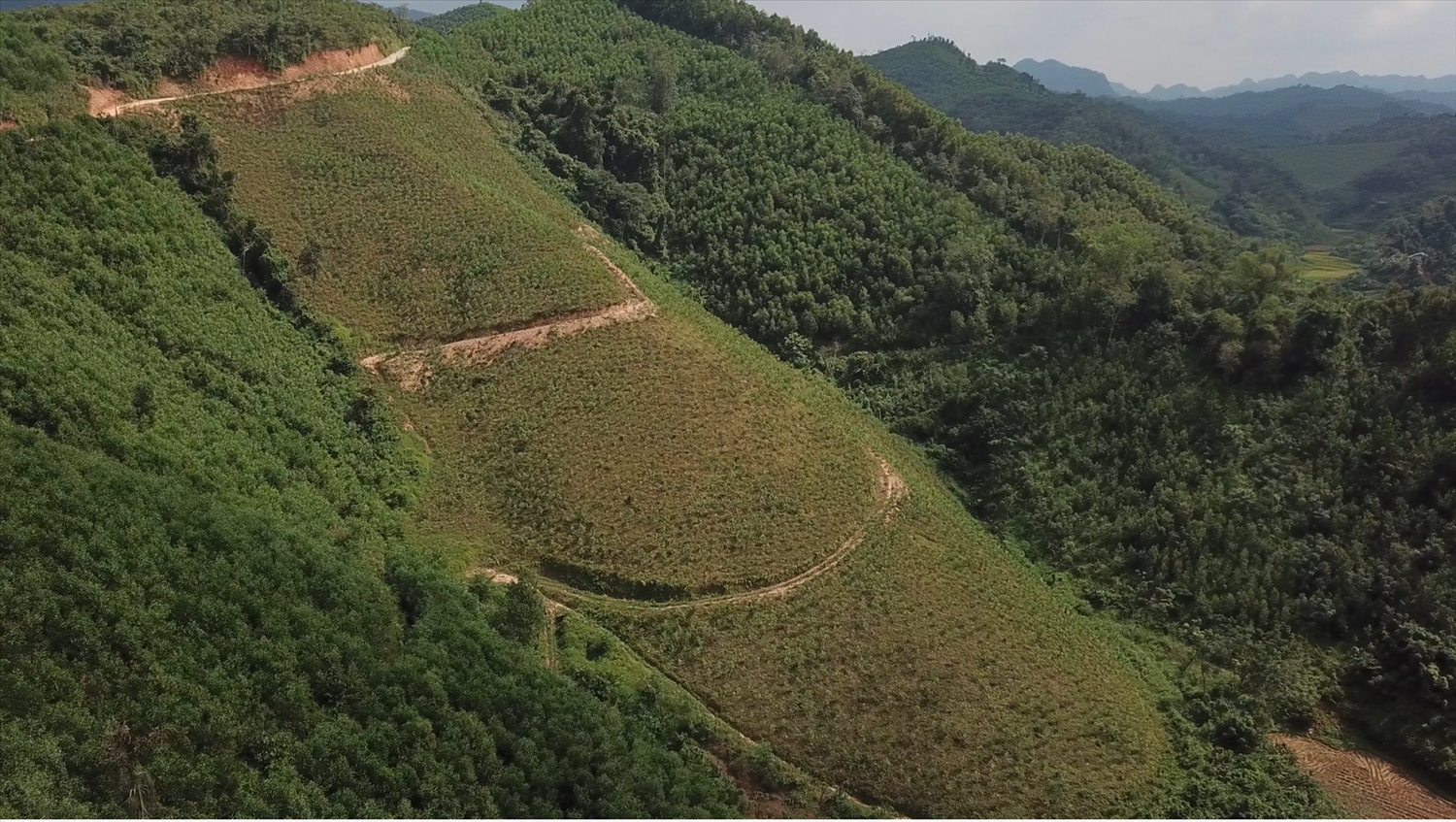
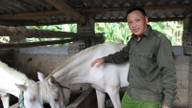
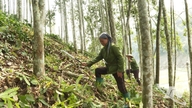

Recognizing the benefits of forests, the movement to develop the forest economy has spread strongly to every village, hamlet, and household. In addition, the market for timber products from planted forests is stable, with traders from within and outside the district coming directly to purchase them. People are confident about the market, so the forest area is expanding.
According to Mr. Luong Hoang Dung, Chairman of the People's Committee of Hong Thai commune, to maximize the effectiveness of the hill and forest economy, the commune's People's Committee, in coordination with specialized agencies of the district, organizes training courses on forest planting and care techniques in the villages every year. The People's Committee guides people to borrow preferential loans from the Social Policy Bank to develop forest planting, closely combined with the work of forest enclosure, regeneration, protection and ecological environment. In 2024 alone, 71.3 hectares out of 60 hectares of scattered forest were planted, including 8.8 hectares of anise trees, 57 hectares of acacia, and 5.5 hectares of eucalyptus...
In Tan Hoa commune, the local government and people have chosen cinnamon as the main crop because it is very suitable for the soil and climate there. To date, the cinnamon growing area in Tan Hoa has more than 500 hectares, with the average age of the trees ranging from one to over 10 years, and many areas are already ready for harvesting.
Mr. Dang Hoa Lin, from Tan Tien village, Tan Hoa commune, said: "With funding from the poverty reduction program, my family invested in planting cinnamon trees in our garden. After experimenting with planting and obtaining a relatively high amount of essential oil, and with the cinnamon trees growing and developing well, my family invested in planting cinnamon trees on all the forest land allocated to us. Currently, my family owns over 5 hectares of cinnamon forest with more than 15,000 trees, providing a stable income of nearly 100 million VND per year."
Mr. Dang Van Chien, Chairman of the Tan Hoa Commune People's Committee, said: Recognizing the potential for developing the hill and forest economy from cinnamon trees, the commune has propagated and mobilized technical support for people to choose cinnamon as their main crop. To date, the Tan Hoa cinnamon growing area has more than 500 hectares, with an average age of cinnamon trees from one to over 10 years, and many areas have already been harvested, bringing in income from 150 to 160 million VND/hectare.
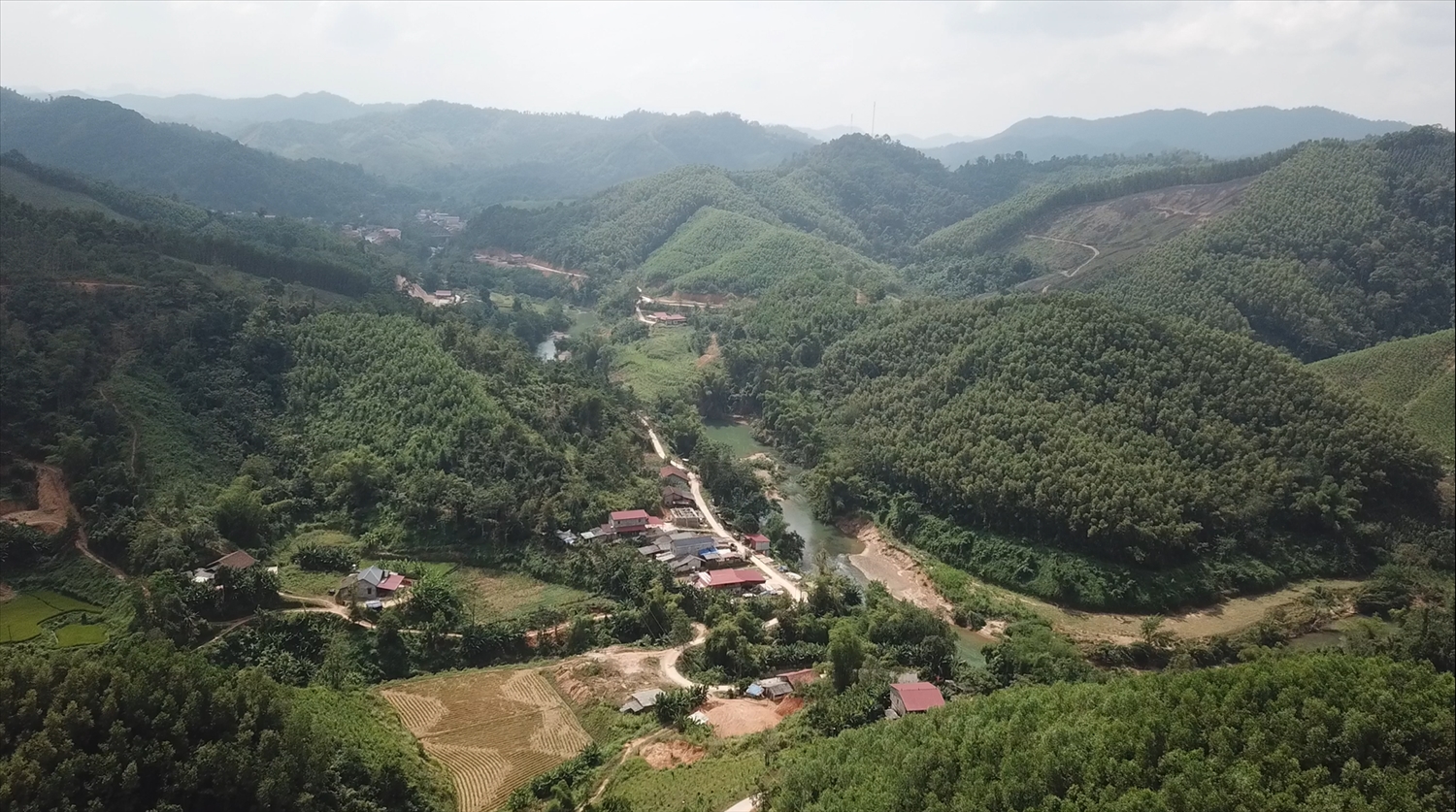
According to a report by the People's Committee of Binh Gia district, the entire district has now established concentrated cinnamon growing areas with nearly 3,100 hectares; anise growing areas with 11,500 hectares; acacia growing areas with 7,544 hectares; and pine growing areas with 2,261 hectares… Annually, revenue from products from these concentrated raw material forest growing areas reaches 70-80 billion VND.

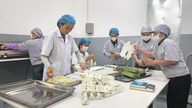
From 2020 to the present, the District People's Committee has focused on building a supply chain for cinnamon products and a supply chain for star anise and other products derived from star anise. As a result, the value of forestry production in the district has reached nearly 110 billion VND per year. Simultaneously, plans are being developed to continue attracting businesses to invest in planting raw material forests, combined with processing wood and non-timber forest products.
Ms. Hoang Thi Anh, Head of the Agriculture and Rural Development Department of Binh Gia district, said: "With suitable climate and soil conditions for many types of crops, it is possible to diversify agricultural and forestry products such as star anise, cinnamon, oil palm, acacia, eucalyptus, etc., so in recent years, the district has focused on encouraging people to expand the cultivated area."
This approach not only contributes to diversifying crops, but in the long run also helps forest growers increase their income from forests. This contributes to increasing income and reducing poverty for the people.
Source: https://baodantoc.vn/phat-trien-kinh-te-rung-de-xoa-doi-giam-ngheo-o-binh-gia-1732767370134.htm



![[Photo] Prime Minister Le Minh Hung presides over the thematic session on promoting science and technology development and innovation.](https://vphoto.vietnam.vn/thumb/1200x675/vietnam/resource/IMAGE/2026/06/23/1782207872934_ndo_br_dsc-1724-jpg.webp)