The Chairman of the Provincial People's Committee has just issued a decision approving the Project for Ecotourism , Resort and Entertainment in Vu Quang National Park, giai đoạn 2025 – 2030.
The plan was issued to exploit the natural potential of landscapes, environments, biodiversity, and the diversity of forest ecosystems, historical and cultural relics, etc., to develop ecotourism, resorts, and recreation in a sustainable manner. It aims to create a legal basis to attract investment from businesses and investors to generate resources for the construction and development of ecotourism, resorts, and recreation in Vu Quang National Park.
To enhance the management capacity of Vu Quang National Park; to create conditions for local people to participate in various forms of tourism, thereby creating jobs, increasing income, improving material and spiritual living standards; to raise awareness of forest protection, environmental protection, biodiversity conservation, and the preservation and promotion of local cultural values.
According to the plan, by 2030, it is estimated that at least 15,000 tourists will be attracted, with international tourists accounting for at least 8% of the total. The percentage of tourists staying overnight will reach 30% of the total, and total revenue will reach at least 20 billion VND; of which, annual revenue from forest land leasing will reach at least 500 million VND. It will create regular jobs for approximately 500 workers, including about 100 direct and 400 indirect workers. These workers will receive specialized training in ecotourism linked to community livelihoods.

Attract at least 5 investors to cooperate, collaborate, and lease forest land for ecotourism development. Improve the quality, diversify, and perfect tourism types and products, develop a synchronized and modern tourism infrastructure system, and offer diverse, high-quality tourism products featuring the unique characteristics of Vu Quang National Park.
Vu Quang National Park is assigned to manage 57,029.84 hectares of forest and forestry land, including 52,733.13 hectares of planned special-use forest; 3,688.85 hectares of planned protection forest; and 607.86 hectares of planned production forest.
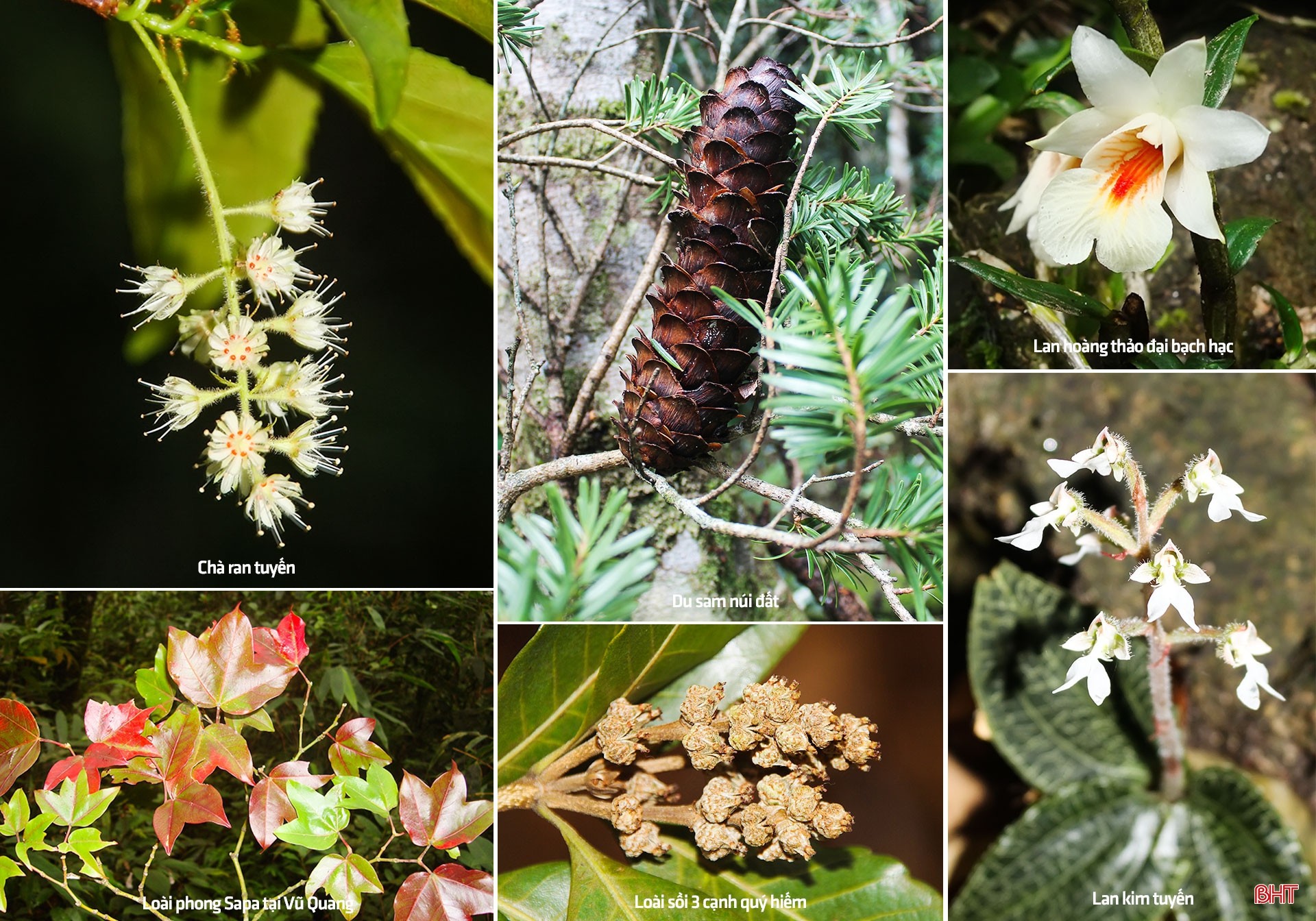
Vu Quang National Park is considered by domestic and international experts to be one of the areas with the highest biodiversity in the region. The park boasts a rich and diverse flora with the presence of 1,616 beneficial plant species; non-timber forest products include 13 groups out of a total of 1,823 species recorded in the area, belonging to 202 families of vascular higher plants. Some valuable large-sized timber species include cypress, fir, green lim, false cypress, three-sided oak, and several other rare species.
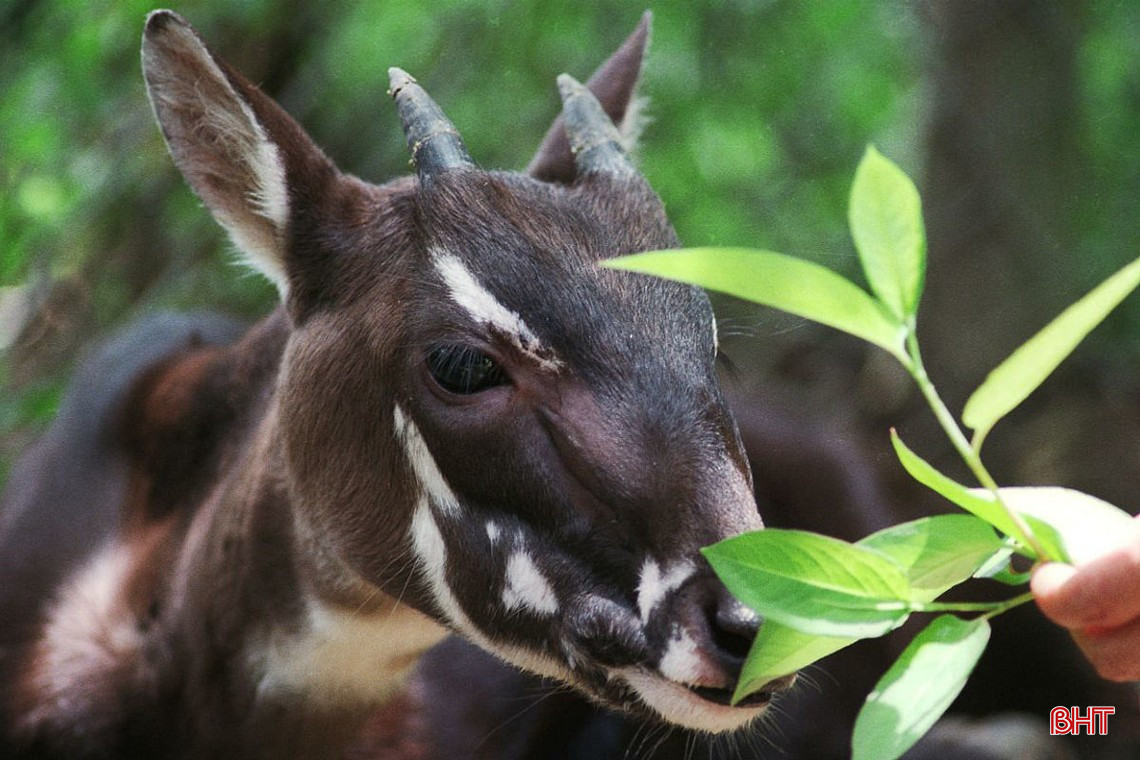
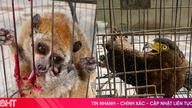
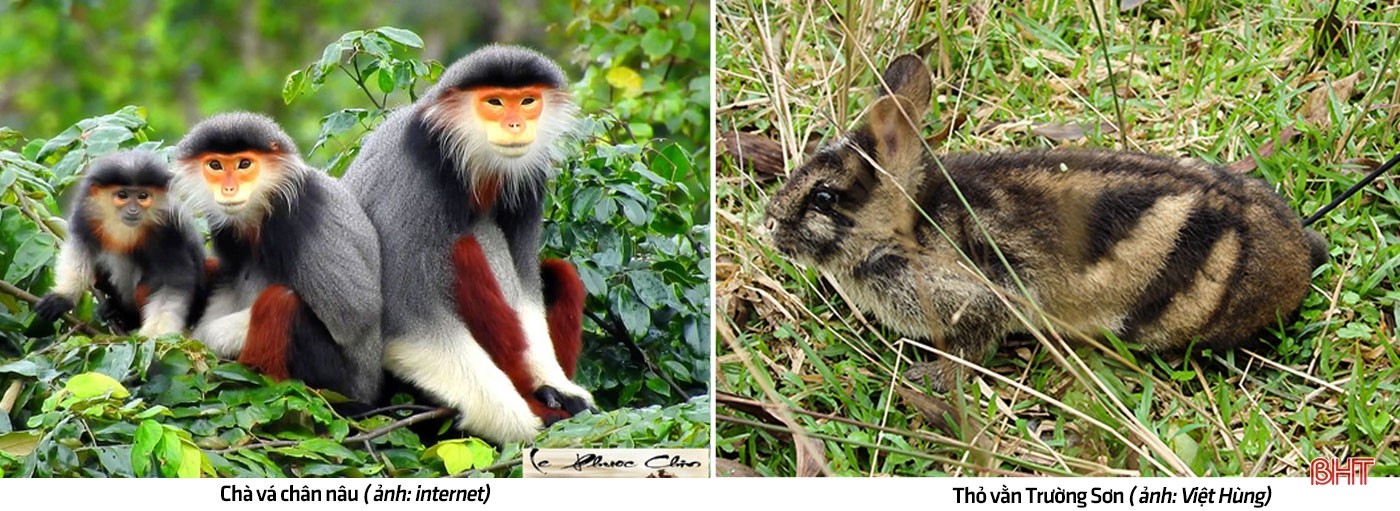
The fauna comprises six classes (mammals, birds, reptiles, amphibians, fish, and insects), including: mammals: 94 species belonging to 27 families and 11 orders; birds: 315 species belonging to 50 families and 15 orders; fish: 88 species belonging to 21 families and 9 orders; reptiles: 58 species belonging to 15 families and 2 orders; amphibians: 33 species belonging to 6 families and 1 order; butterflies: 316 species belonging to 10 families and 1 order. Some rare and endangered species endemic to the Truong Son mountain range include: saola, large muntjac, brown-footed langur, white-cheeked gibbon, Truong Son striped rabbit, sun bear, etc.
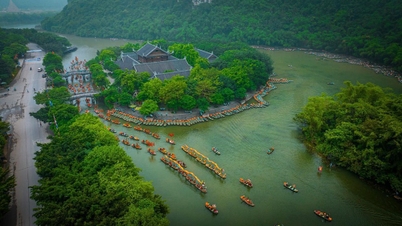
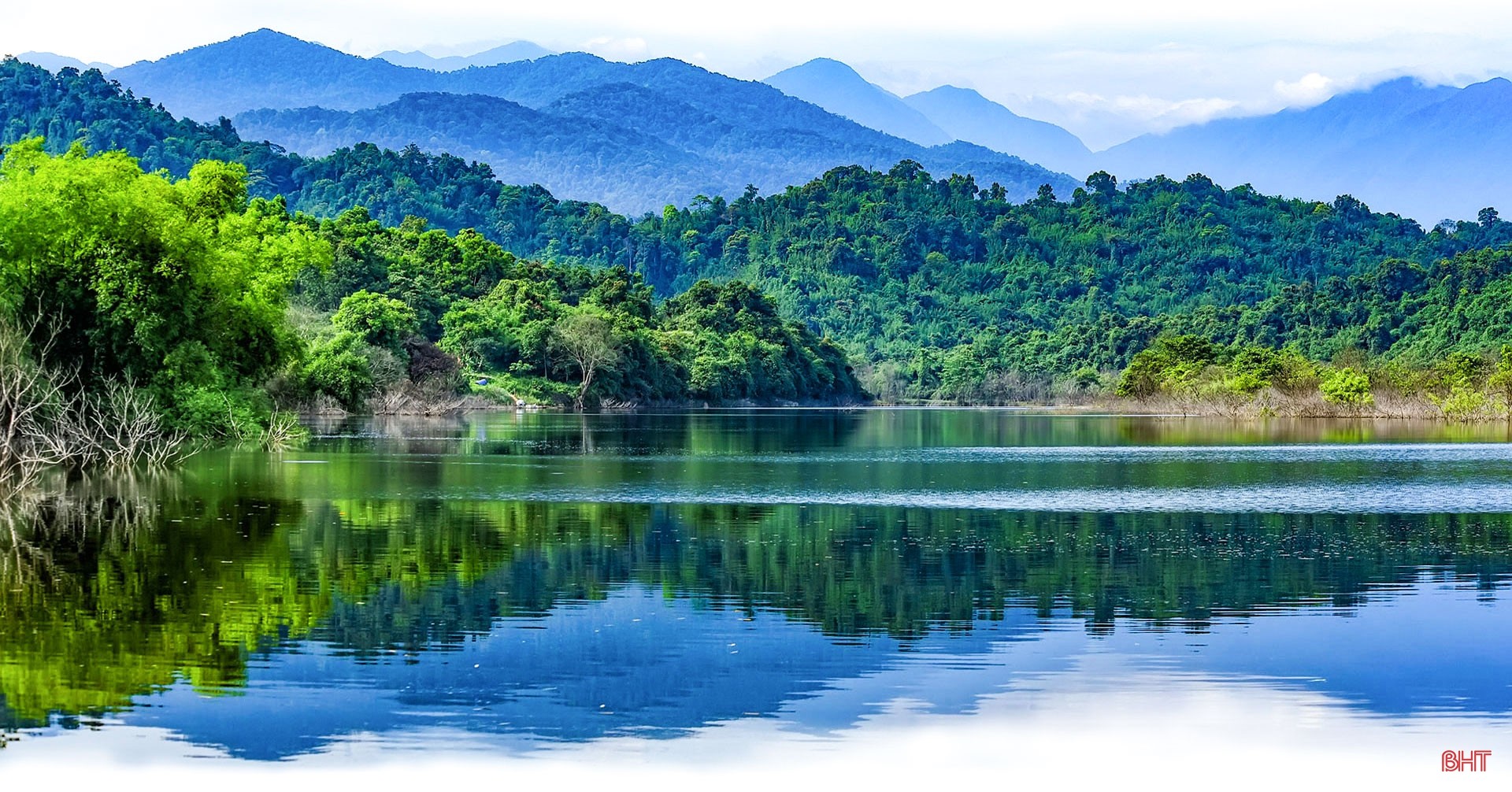
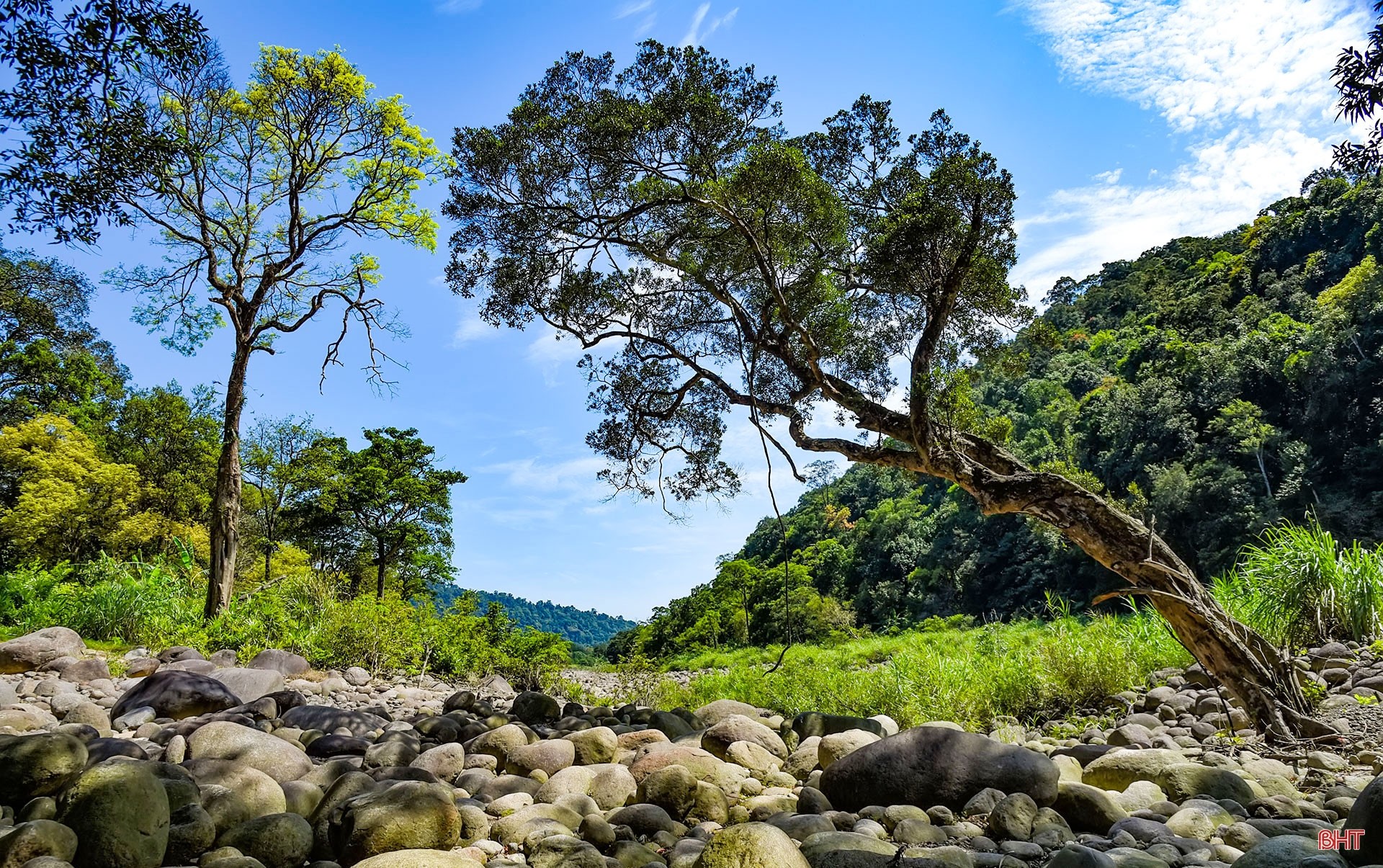
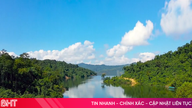
Vu Quang National Park boasts many beautiful, pristine landscapes (Thang Day Waterfall, Trai Cua, Da Ban Island, Rao Co Peak, Rao Rong Stream...). The forests in Vu Quang National Park have a high level of biodiversity, especially the Ngan Truoi and Da Han irrigation lakes with dozens of large and small islands, which represent great potential for developing ecotourism, resorts, and recreation.
The types and products of tourism identified in the plan include: ecotourism; outdoor activities; scientific research tours; visits to historical sites and scenic spots; cruises; adventure tourism, exploration combined with mountain climbing; resort tourism... Tourism products include: accommodation and resort services; food, sightseeing, camping; adventure exploration, boating, mountain climbing; organizing conferences, seminars, scientific research,...

The ecotourism routes outlined in the project include: exploring the botanical garden; exploring Da Ban Island; exploring Thang Day Waterfall and the thousand-year-old cypress forest; exploring the citadel of Phan Boi Chau and the ancient fig forest; and conquering Rao Co peak.
Source: https://baohatinh.vn/phe-duyet-de-an-du-lich-sinh-thai-giai-tri-vuon-quoc-gia-vu-quang-post290961.html




![[Photo] Prime Minister Le Minh Hung presides over the thematic session on promoting science and technology development and innovation.](https://vphoto.vietnam.vn/thumb/1200x675/vietnam/resource/IMAGE/2026/06/23/1782207872934_ndo_br_dsc-1724-jpg.webp)