
Amidst bustling industrial zones, cramped rented rooms, and shifts that extend into the late night, lies the life of tens of thousands of Ha Tinh workers seeking a better life in a foreign land. They left their hometowns with aspirations for a better future, but behind their meager wages lie years of separation from family, brief reunions, and voids left behind in their homeland.


Being far from home, many workers in Ha Tinh are not only worried about making a living but also about missing their families and the emotional void they feel. Although they always wish to work near home to care for their parents and children, many still have to leave their hometowns for industrial zones and large cities because job opportunities and income in their local area do not truly meet their living needs.




Born into a farming family in Thach Lac commune, after graduating from high school, Hoang Thi Mai Linh (born in 1998) had few career options. Like many young people her age, she decided to follow relatives to the South to work as a factory worker, hoping for a stable job and to help her family. Since then, nearly 10 years of her youth have been spent in industrial zones in Dong Nai, where long shifts and living far from home have become commonplace. “My monthly income is around 9-10 million VND, but living expenses are also very high. There have been years when the economy was tough, and the money I earned was only enough to cover living expenses and send a little back to help my family, so I didn't dare go home. For many years, I spent Tet (Lunar New Year) far from home, only seeing my parents and relatives through phone calls, which made me feel sad. Even though I'm 28 years old, I haven't thought much about getting married. Working far from home, my life isn't stable, and I haven't saved much, so many of my plans have to be put on hold,” Linh shared.

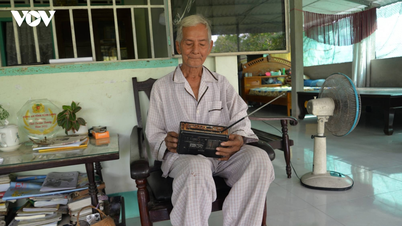
During the recent Lunar New Year holiday, after a long time away from home, Linh finally had the chance to reunite with her family. She was busy preparing her luggage for a night bus trip back to the South. "Working far away for so long is tiring. What I hope for most is to have a stable job right here in my hometown, with enough income to cover living expenses so I can be close to my parents and later take care of my own family," Linh expressed her wish.
Pham Tuan (born in 1992, Phuc Xa village, Duc Tho commune) followed many relatives to Dong Nai to find work right after graduating from high school in 2011. At that time, working in large industrial parks in the South was considered the most viable way to make a living. However, after so many years away from home, Tuan's life is still not truly stable. His current monthly income is about 10-15 million VND, but it depends on how much work he has. Rent, living expenses, transportation, and visits home to see his family mean that his savings are negligible. Currently, his wife has thyroid cancer, his two children are young, and his mother is elderly. There are months when his work is unstable, and his income is only enough to cover living expenses, or even not enough to send money home to his wife and children.

“I thought going far away would earn me more money, but the expenses were also high. Sometimes, looking back, I realize that what I sacrificed was too much compared to the money I earned. There were years when I couldn't come home for Tet (Lunar New Year), and my children would call and ask when I was coming home. It broke my heart to hear that,” Mr. Tuan said with a sigh.






Although each person has different circumstances and choices, a common thread is that life away from home is never an easy journey. Behind the earned wages are years away from family, phone calls instead of reunions, and a constant longing for home. For many workers, living and working near loved ones remains their greatest desire, but even today, that remains a difficult goal to achieve.
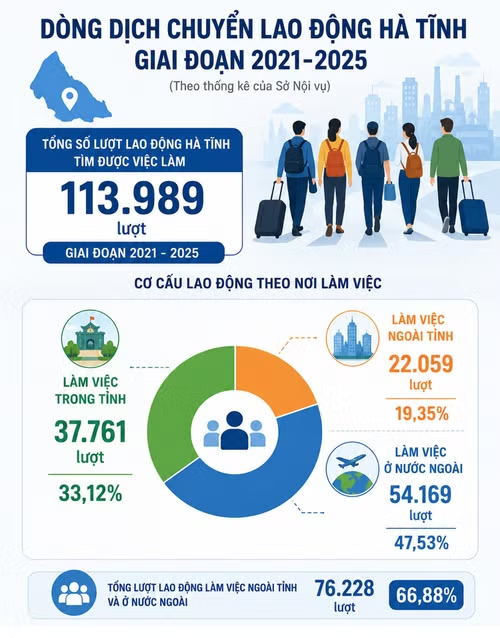
According to statistics from the Department of Internal Affairs, 113,989 people in Ha Tinh province found employment during the 2021-2025 period. However, only 37,761 of these people found jobs within the province, accounting for 33.12%; while 22,059 people found jobs outside the province and 54,169 people went to work abroad, accounting for 66.88%. This figure shows that, despite many positive changes in the local labor market, the migration of labor to other provinces is putting significant pressure on the goal of retaining human resources to serve the province's development in the coming years.

In many rural areas of Ha Tinh province, the shortage of young laborers is becoming increasingly evident. People of working age are leaving their hometowns to seek work elsewhere, leaving behind mainly the elderly and young children. This not only leaves many families without a breadwinner but also directly impacts production and community life in rural areas. Many localities lack the workforce needed for production, and community activities and movements at the grassroots level are becoming less active than before.
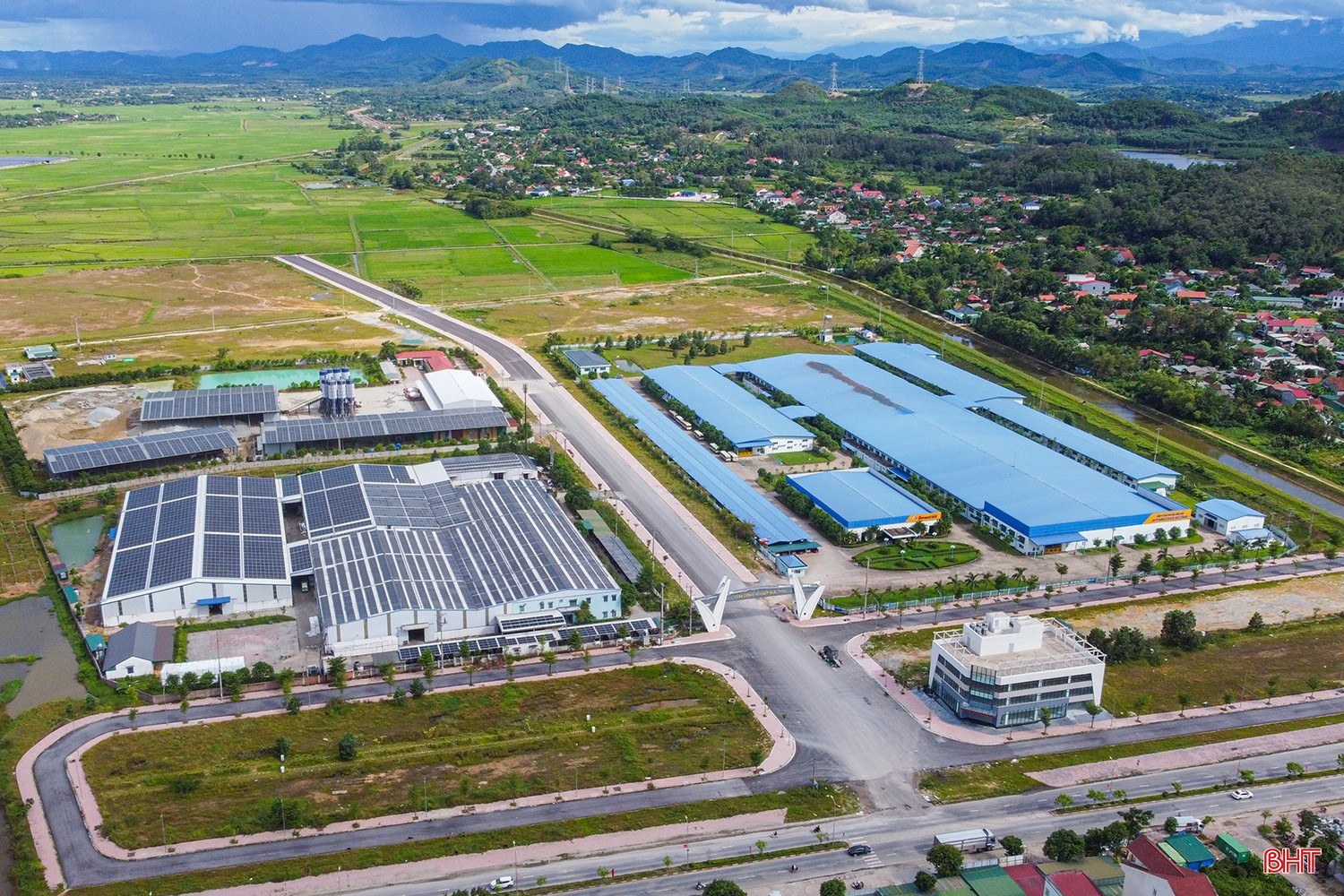

In Duc Tho commune, where industrial clusters are gradually developing, the demand for local labor is increasing, but young people are constantly migrating to other provinces. According to preliminary statistics, there are currently more than 2,000 workers aged 18-35 in the locality working away from home, mainly in southern provinces or as migrant workers.
“Young workers leaving for work elsewhere are leaving a large gap in local economic development. Currently, the entire commune only has 7 youth-led economic models, mainly small-scale agricultural models with revenues of about 200-300 million VND/year; most of the remaining production and business activities are carried out by middle-aged and elderly people. If there are no solutions to create jobs and retain young workers, the locality will face many difficulties in socio-economic development as well as building a successor workforce in the future,” said Mr. Trinh Hong Manh, Head of the Culture and Social Affairs Department, Duc Tho Commune People's Committee.

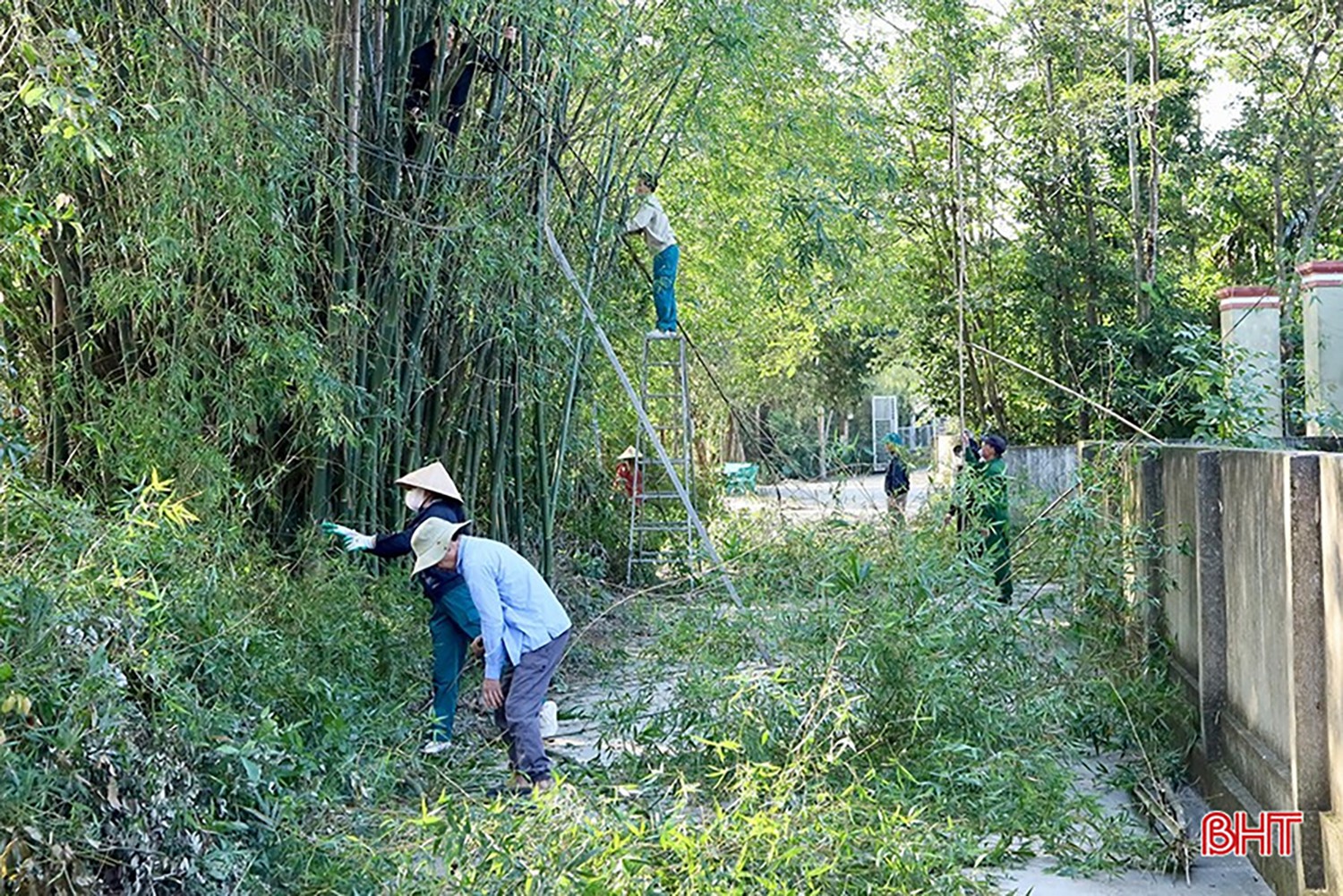
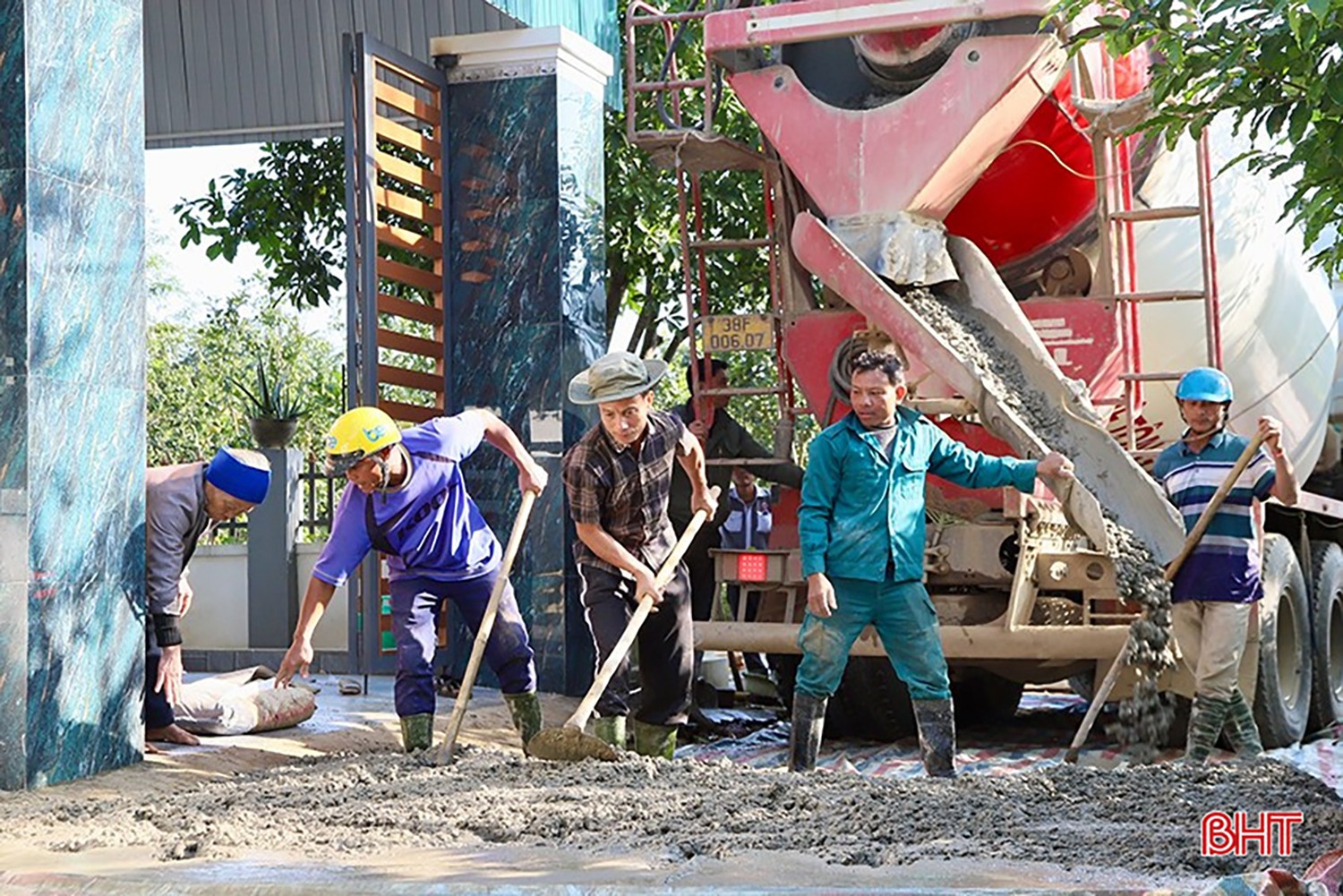
Besides production shortages, the migration of labor to other provinces directly impacts many aspects of rural life, especially youth mobilization, local development, and the implementation of grassroots movements. In many communes, the number of young people of working age is dwindling, making the construction of new rural areas and the promotion of digital transformation quite challenging.
“Currently, about 50% of young people of working age in the area are working far from home. This has led to a dwindling number of youth union members at the grassroots level, causing many difficulties in implementing local movements and tasks. Especially in areas that require the energy of young people, such as digital transformation, building new rural areas, or volunteer activities, at times we can only mobilize 4-5 union members to participate,” said Hoang Van Nghi, Secretary of the Youth Union of Xuan Loc commune.

As the wave of migrant workers continues, businesses in Ha Tinh are facing a labor shortage. According to forecasts from the Department of Internal Affairs, the economic zones and industrial parks in Ha Tinh will need approximately 73,000 workers between 2026 and 2030, averaging 13-14,000 workers per year. Looking ahead to 2035, with the synchronized implementation of industrial, logistics, port, and coastal economic development plans, the demand for human resources will continue to increase sharply. Within the economic zones and industrial parks alone, the labor demand could reach 90-100,000 people, or even higher. Recruitment needs are primarily concentrated in the industrial and construction sectors, with approximately 60,000 workers. Specifically, manufacturing industries such as mechanics, electronics, automotive technology, metallurgy, and equipment manufacturing will require around 34,500 people; and construction will need around 12,500 people. In addition, the trade and service sector is expected to need approximately 13,000 more workers, concentrated in logistics, trade, tourism, and accommodation services.
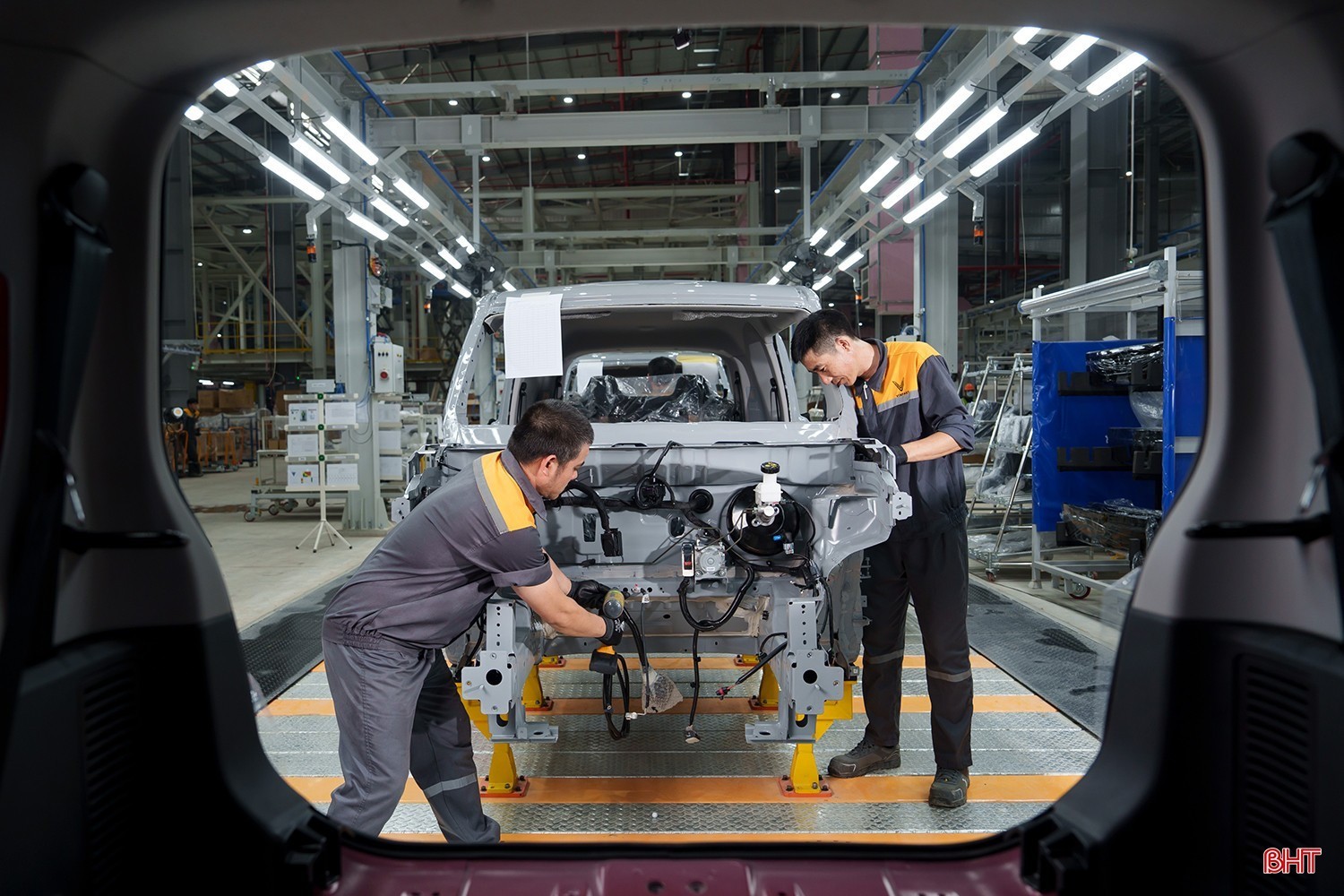

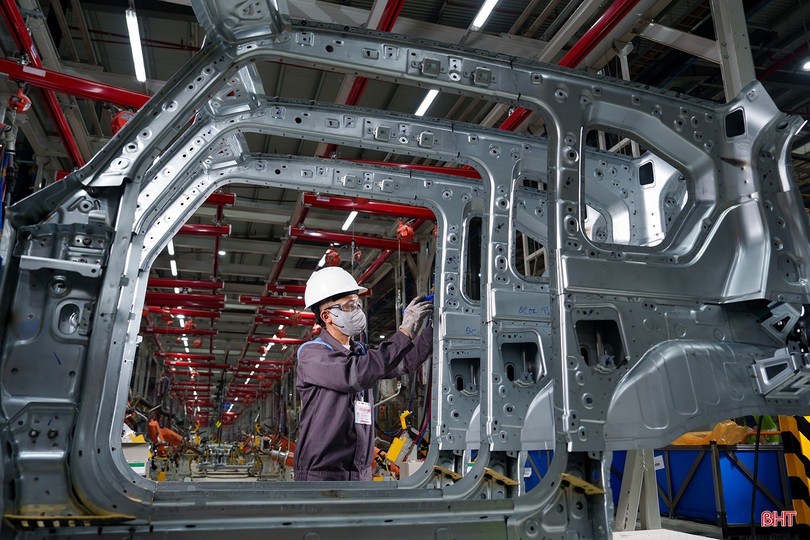
DESPITE RECEIVING OVER 8,600 JOB SEEKERS, THE NUMBER OF WORKERS SUCCESSFULLY CONNECTED TO EMPLOYMENT AT NEW ENTERPRISES REACHED ONLY 2,479, EQUIVALENT TO APPROXIMATELY 13.8% OF THE RECRUITMENT NEED.
In the first six months of 2026, the Ha Tinh Employment Service Center directly surveyed 684 businesses in the area, recording a recruitment need of up to 17,915 workers. However, despite receiving over 8,600 job seekers, only 2,479 workers were successfully connected to jobs at these businesses, equivalent to about 13.8% of the recruitment need. This means that businesses still lack more than 15,400 workers, reflecting the existing pressure of labor shortages, especially in the context of many large projects continuing to expand production and increase recruitment needs.




“The labor shortage, especially of skilled labor, is directly affecting the production and business operations of many enterprises. When businesses cannot recruit enough personnel according to plan, it is very difficult to maintain stable production lines, especially in labor-intensive industries such as garment manufacturing and agricultural and aquatic product processing. A prolonged labor shortage not only reduces productivity and increases recruitment and training costs but also affects order fulfillment, production expansion capabilities, and the competitiveness of businesses,” said Mr. Vo Ta Nghia, Deputy Head of the Management Board of the Ha Tinh Provincial Economic Zone.
“The labor market in Ha Tinh is entering a transitional phase with a rapidly increasing demand for human resources, especially in economic zones, industrial parks, and large-scale projects. However, the rate of increase in labor demand is currently higher than the market's supply capacity. If this trend of labor migration continues, the risk of a shortage of human resources to serve industrial development and attract investment in the future is very real,” said Mr. Dinh Huu Cong, Deputy Director of the Department of Internal Affairs of Ha Tinh.
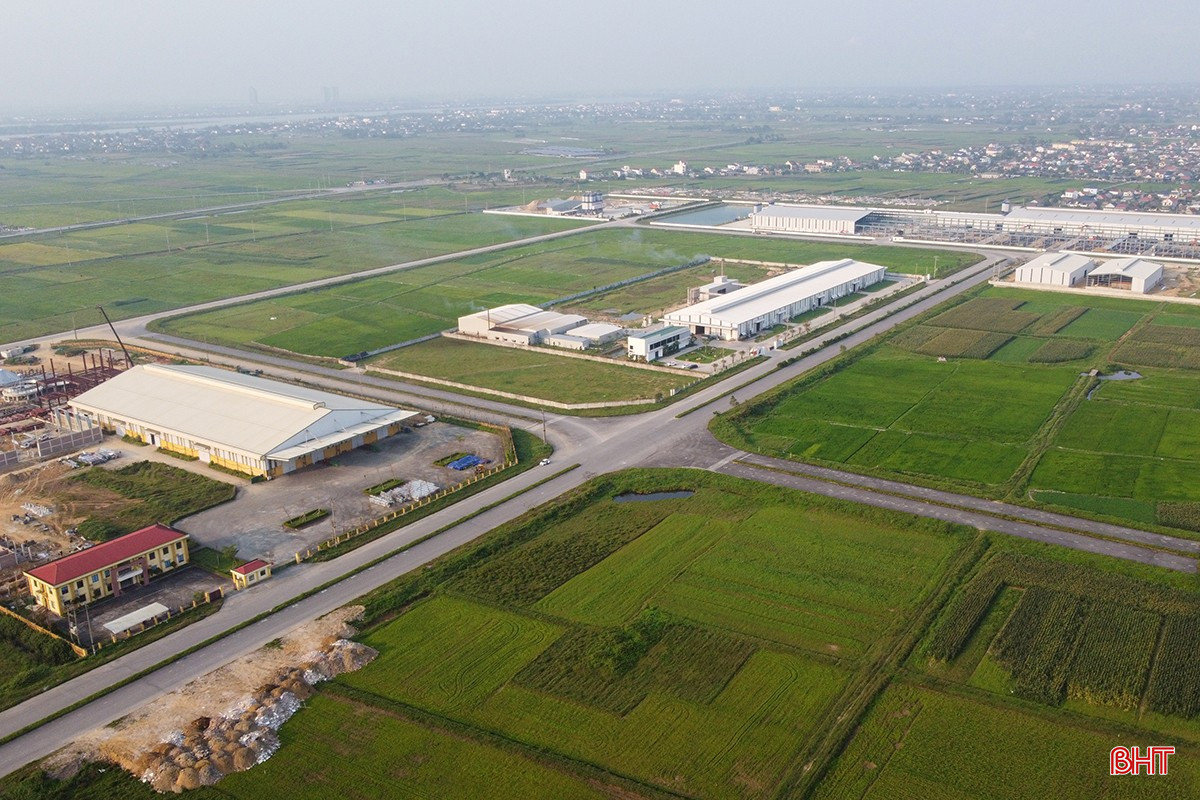
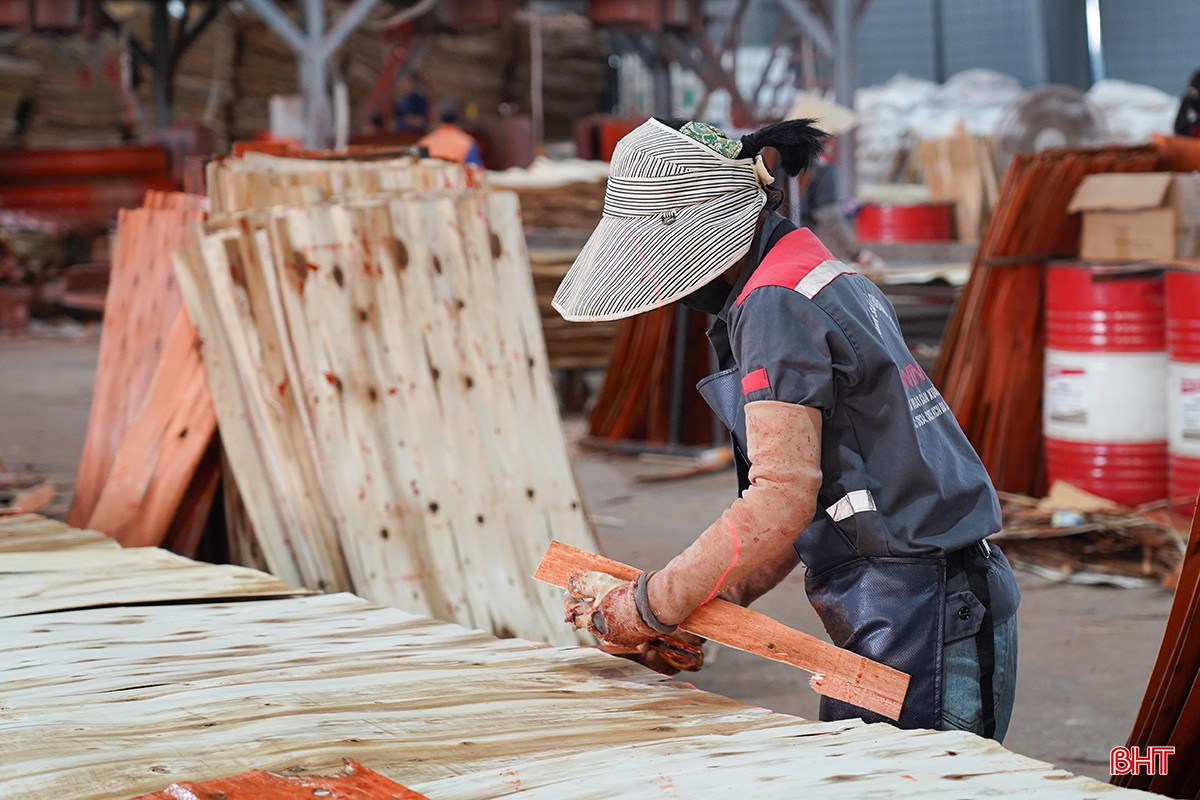
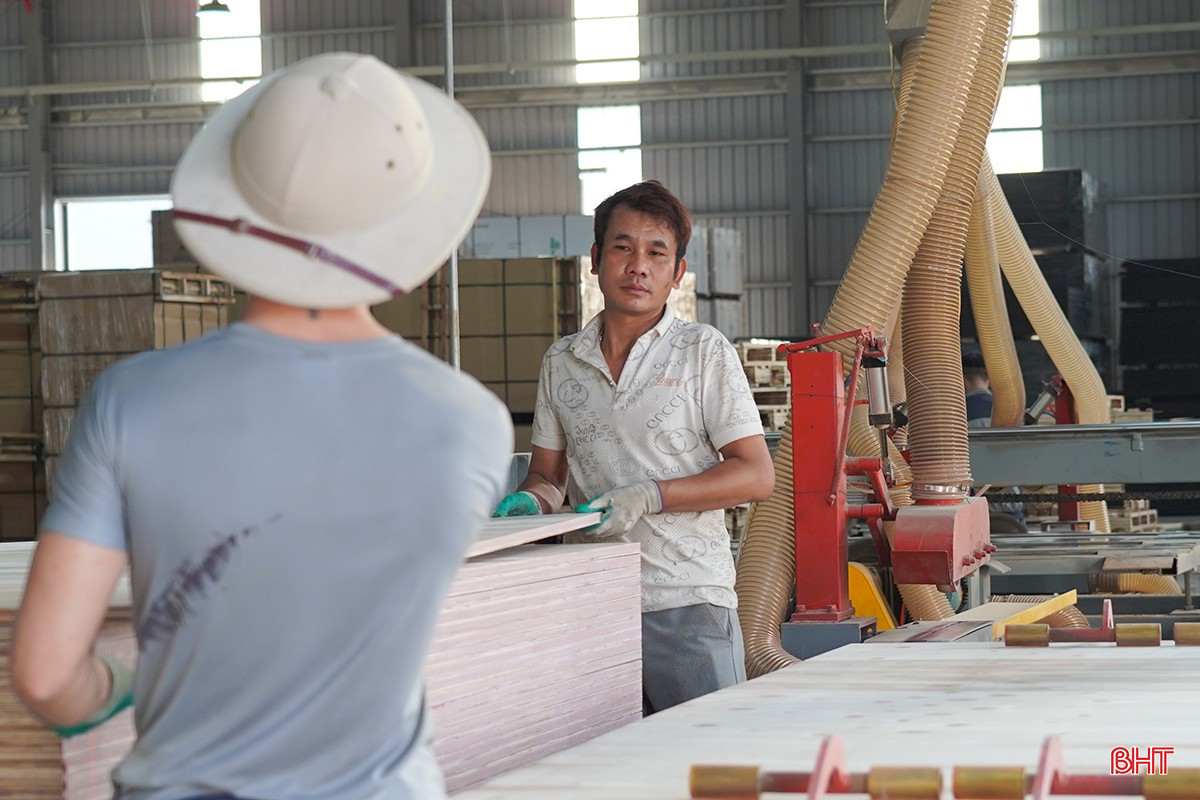
WHAT PREVENTS MANY PEOPLE FROM CHOOSING TO STAY OR RETURN TO THEIR HOMETOWNS TO WORK? WHAT ARE THE BARRIERS PREVENTING THE RETURN OF THE LABOR?
Tens of thousands of workers from Ha Tinh province still choose to work outside the province and abroad, while the locality is entering a phase of accelerated industrialization with an ever-increasing demand for manpower. The paradox lies in the fact that the places these workers leave are increasingly facing labor shortages for development, while the places they go to do so do not always offer the life they expect. So what prevents many from choosing to stay or return to their hometown to work? What are the barriers hindering the return of this workforce? This is precisely the issue that needs to be thoroughly examined to find solutions to Ha Tinh's human resource problem in the new era.
Text and photos: Si Hoang - Thanh Quy
DESIGN: HUY TUNG
(to be continued)
Source: https://baohatinh.vn/bai-1-giac-mo-noi-dat-khach-va-noi-tran-tro-o-que-nha-post312630.html
![[Photo] Prime Minister Le Minh Hung presides over the thematic session on promoting science and technology development and innovation.](https://vphoto.vietnam.vn/thumb/1200x675/vietnam/resource/IMAGE/2026/06/23/1782207872934_ndo_br_dsc-1724-jpg.webp)