

In the early days of the new year, visiting some of the satellite polyclinics in Ho Chi Minh City, it's disheartening to see some closed and locked, while others only have a handful of people coming for medical examinations and treatment.
Reduced number of patient visits by 70%
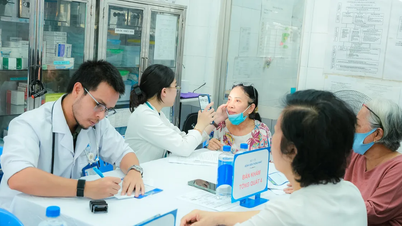
On the morning of January 11th, at the Thao Dien Satellite Multi-Specialty Clinic, affiliated with Le Van Thinh Hospital in Thu Duc City, we observed nearly 10 patients seeking medical treatment. Dr. Nguyen Quoc Cuong, Head of the clinic, stated that the unit has been operating for 5 years, offering specialties including Internal Medicine, Pediatrics, Dentistry, Traditional Medicine, Physiotherapy, Diagnostic Imaging, and Laboratory Testing. The Internal Medicine department is the busiest, primarily for chronic diseases such as diabetes, hypertension, cardiovascular disease, and asthma. On average, the clinic receives 80-150 patients per day, sometimes reaching 200-220 patients per day during peak periods. However, the current number of patients seeking medical treatment has decreased to 40%-50%.
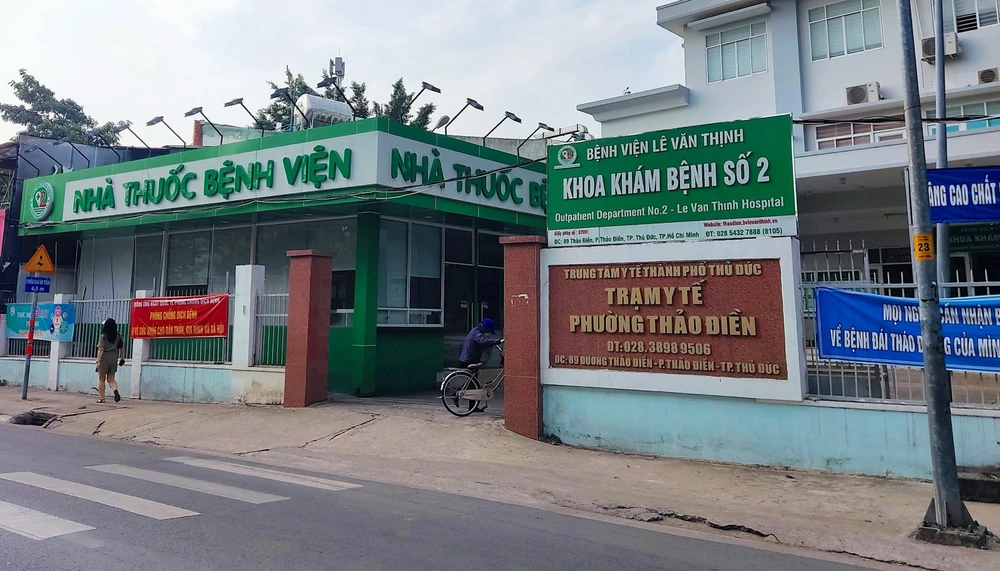
“The decline is partly due to changes in the Health Insurance Law regarding out-of-network medical examinations and treatments. Currently, people with health insurance must go to higher-level hospitals to receive health insurance benefits,” shared Dr. Nguyen Quoc Cuong. For example, people with health insurance cards registered for initial medical examinations and treatments at provincial-level facilities in Ho Chi Minh City, such as Gia Dinh People's Hospital or Thong Nhat Hospital, will not be able to receive in-network health insurance benefits at out-of-network clinics. To receive in-network health insurance benefits at these clinics, they must have a referral letter from those hospitals.
Similarly, Thu Duc City Hospital currently has 3 outpatient clinics: Binh Chieu (20 doctors); Linh Xuan (60 doctors); and Linh Tay (38 doctors). Previously, each clinic received 50-500 patients per day, but now that number has decreased by 50%-70%. The two outpatient clinics, Linh Trung 1 and Hiep Binh Chanh, experienced the most significant drop in patient visits after the Covid-19 pandemic and had to close due to insufficient revenue to cover expenses. The premises were then handed over to the Thu Duc City Health Center and ward health stations for management.
“The Hiep Binh Chanh Ward Health Station, with an area of over 2,000 square meters and equipped with modern facilities, combined with the fact that Thu Duc City Hospital has established a private outpatient clinic at the station, has helped the locality conveniently provide primary healthcare for 110,000 people, especially the elderly, who no longer have to travel far for treatment of chronic non-communicable diseases,” said Dr. Nguyen Gia Phuong, Head of the Hiep Binh Chanh Ward Health Station. Without the clinic, the Hiep Binh Chanh Ward Health Station now only sees 5-10 patients per day. 6,000 out of 8,100 elderly people in the locality with chronic non-communicable diseases face significant difficulties traveling to higher-level hospitals for treatment.
Focus on strengthening primary healthcare.
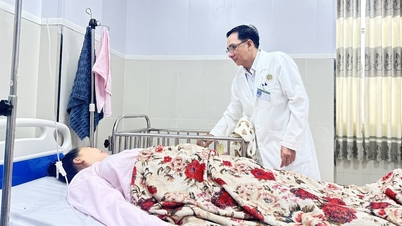
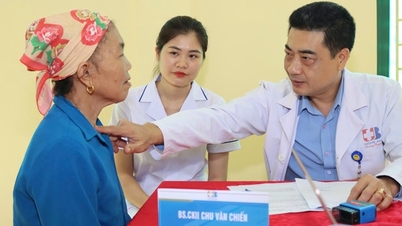
Five years ago, Ho Chi Minh City implemented the model of multi-specialty clinics at health stations with the aim of reducing the burden on higher-level hospitals, helping patients receive the best healthcare at the grassroots level. Simultaneously, it addressed the healthcare needs of people in areas far from the city center, densely populated areas lacking public healthcare facilities such as Cu Chi, Can Gio, Binh Chanh, Hoc Mon districts and Thu Duc City. Clinics opened at health stations also helped people access multi-specialty medical services conveniently and quickly. In difficult cases, the clinics could conduct online consultations with higher-level hospitals to handle situations and provide timely treatment within the "golden hour" for critically ill patients. However, Ho Chi Minh City currently only has 6 out of 9 multi-specialty clinics operating. Many of these, although still operating, face difficulties due to cost burdens, staffing, and especially obstacles related to the Health Insurance Law, leading to a significant decrease in the number of patients and a high risk of closure.
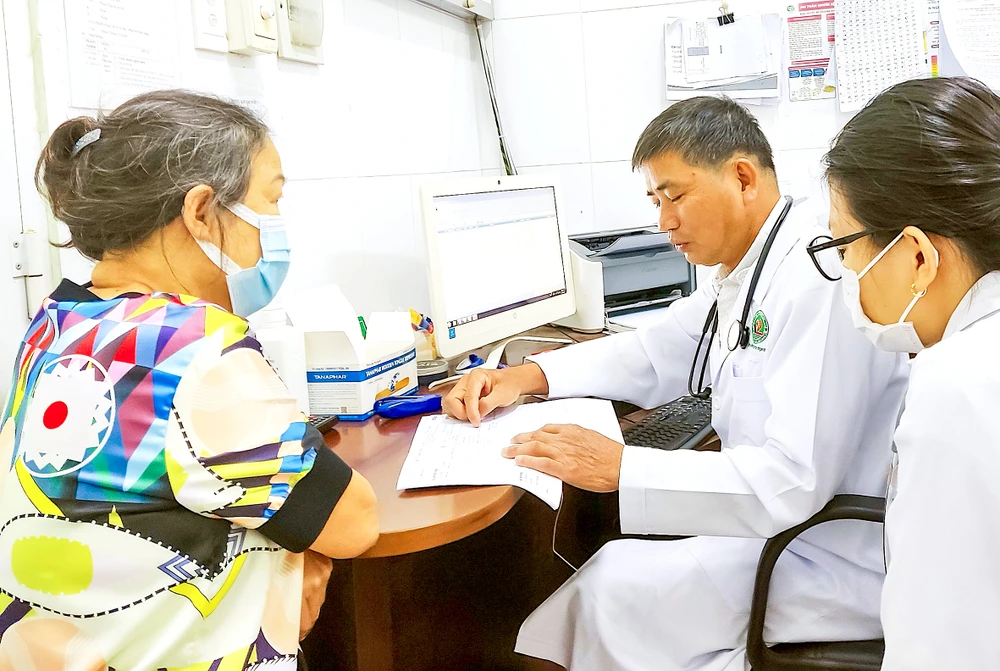
Recognizing these difficulties and shortcomings, the Ho Chi Minh City Department of Health has proposed many fundamental solutions, focusing on strengthening grassroots healthcare so that all health stations have sufficient capacity for initial examinations. “The sector has been and continues to strengthen human and material resources for hospitals to implement the model of outpatient clinics in wards and densely populated areas – where people truly need clinics. Not only district hospitals but also the city's tertiary hospitals can participate in this model,” said Dr. Nguyen Van Vinh Chau, Deputy Director of the Ho Chi Minh City Department of Health.
Wishing to "reactivate" closed outpatient clinics and develop existing ones, Dr. Vu Tri Thanh, Director of Thu Duc City Hospital, proposed that the Ministry of Health quickly resolve the "inter-provincial referral" issue. Accordingly, patients receiving medical treatment at outpatient clinics should be entitled to in-network health insurance benefits if their health insurance card indicates their initial registration location as a facility within the city, from the district level downwards. Simultaneously, Circular 20/2022/TT-BYT (which promulgates the list and payment rates and conditions for chemical drugs, biological products, radioactive drugs, and markers covered by health insurance) should be adjusted to allow health insurance participants to receive prescriptions for drugs from the list corresponding to hospitals of categories I and II when receiving treatment at outpatient clinics.
"The income of medical staff, especially experienced general practitioners at outpatient clinics, is very low because they only receive a basic salary and don't get many consultations due to insufficient revenue from the clinics. The city needs to have a system of incentives and salary support to retain this team of doctors, so that outpatient clinics can develop and expand to other locations," suggested Dr. Vu Tri Thanh.
Leaders of several hospitals, including Le Van Thinh, Binh Chanh, and Tan Phu (which are implementing the outpatient clinic model in their areas), share the same desire: that the city apply a special mechanism according to Resolution 98/2023/QH15 of the National Assembly on piloting some special mechanisms and policies for the development of Ho Chi Minh City to invest in equipment and machinery; that there be a separate development mechanism for outpatient clinics under hospitals; and that the approved drug list be expanded. In densely populated areas where the facilities of health stations are insufficient to open outpatient clinics, the city should consider allocating land for hospitals to invest in infrastructure, so they do not have to rent land to open outpatient clinics.
QUANG HUY
Source


![[Image] Hanoi's urban life under the challenge of a "scorching hot" environment](https://vphoto.vietnam.vn/thumb/1200x675/vietnam/resource/IMAGE/2026/05/25/1779706979265_nang-nong-t5-2026-minh-duy-7-4636-jpg.webp)


![[Image] Close-up view of the interchange connecting the two expressways and Long Thanh Airport.](https://vphoto.vietnam.vn/thumb/1200x675/vietnam/resource/IMAGE/2026/05/25/1779703378210_ndo_br_z7863716673926-224453a31600126cce10622af6290afd-4549-jpg.webp)



























































































Comment (0)