


1. Which province will Quang Ngai and Binh Dinh be merged into?
- A
Nghia Binh
Nghia Binh was established in February 1976 through the merger of Quang Ngai and Binh Dinh provinces.
The provincial administrative units (as of 1980) included: Quy Nhon town (the provincial capital), Quang Nghia town, and 15 districts: An Nhon, Ba To, Binh Son, Duc Pho, Hoai An, Hoai Nhon, Mo Duc, Nghia Minh, Phu Cat, Phu My, Phuoc Van, Son Ha, Son Tinh, Tay Son, and Tra Bong.
On June 30, 1989, the 5th session of the 8th National Assembly passed a resolution dividing Nghia Binh province to re-establish Binh Dinh and Quang Ngai provinces. Binh Dinh province comprises Quy Nhon city and 10 districts: An Lao, An Nhon, Hoai An, Hoai Nhon, Phu Cat, Phu My, Tay Son, Tuy Phuoc, Van Canh, and Vinh Thanh.
Quang Ngai province comprises Quang Ngai town and 10 districts: Ba To, Binh Son, Duc Pho, Minh Long, Mo Duc, Nghia Hanh, Son Ha, Son Tinh, Tra Bong, and Tu Nghia. - B
Quang Dinh
- C
- D
Cuu Long

2. Which place in Binh Dinh is known as the 'Capital of the Champa People'?
- A
Luy Lau Ancient Citadel
- B
Twin Towers
- C
Banh It Tower
- D
Do Ban Citadel
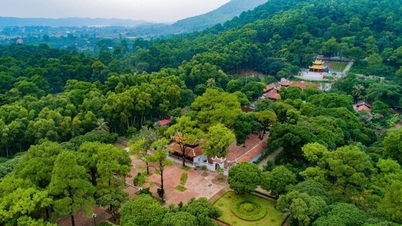
Vijaya Citadel, also known as Chà Bàn (Trà Bàn) or Chà Bàn Ancient Citadel, was the capital of the Degar people of Champa, now located in Nhơn Hậu commune, An Nhơn town, 27 km northwest of Quy Nhơn city (Bình Định province). During the Champa period, its national name was Chiêm Thành. Vijaya was also the name of one of the Champa principalities, the Vijaya principality.

3. What agricultural products is Ly Son Island famous for?
- A
Coconut and peanuts
- B
Garlic
Ly Son garlic is a geographical indication for garlic grown on Ly Son island district (Quang Ngai province). Due to differences in soil and traditional farming practices (Thoi Loi mountain pebbles and sea sand are spread on the fields each new planting season) of the local people, Ly Son garlic has a unique flavor. Most notably, it has a mild spiciness rather than the strong pungency of other garlic varieties.
- C
Golden sticky rice
- D
Green tea

4. Which national highway passes through both Quang Ngai and Binh Dinh provinces?
- A
National Highway 19
- B
National Highway 1A
National Highway 1A passes through the following provinces: Lang Son, Bac Giang, Bac Ninh, Hanoi, Ha Nam, Ninh Binh, Thanh Hoa, Nghe An, Ha Tinh, Quang Binh, Quang Tri, Thua Thien Hue, Da Nang, Quang Nam, Quang Ngai, Binh Dinh, Phu Yen, Khanh Hoa, Ninh Thuan, Binh Thuan, Dong Nai, Binh Duong, Ho Chi Minh City, Long An, Tien Giang, Vinh Long, Can Tho, Hau Giang, Soc Trang, Bac Lieu, Ca Mau.
Furthermore, National Highway 1A, running along the country, serves transportation and trade, ensuring and promoting production and consumption, boosting the domestic economy, and strengthening economic exchange between regions within and outside the country. - C
National Highway 24
- D
National Highway 14

5. Cù Mông Pass is the natural boundary between Binh Dinh province and which province?
- A
Quang Ngai
- B
Phu Yen
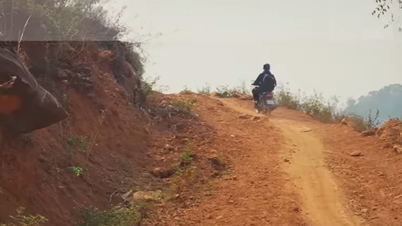
The Cù Mông Pass, approximately 7km long, is located on National Highway 1A and marks the border between Phú Yên and Bình Định provinces. The northern foot of the pass is in Quy Nhơn city, Bình Định province, while the southern foot is in Xuân Lộc commune, Sông Cầu town, Phú Yên province.
The pass is 25 meters high, with steep slopes and many sharp turns, flanked by high mountains covered in lush green vegetation. Although not impressive in terms of length, when mentioning the most treacherous mountain roads in Vietnam, backpackers can hardly overlook Cu Mong Pass. - C
Gia Lai
- D
Khanh Hoa

Source: https://vtcnews.vn/quang-ngai-va-binh-dinh-sap-nhap-thanh-tinh-nao-ar935858.html


![[Photo] Prime Minister Pham Minh Chinh attends the Conference on the Implementation of Tasks for 2026 of the Industry and Trade Sector](/_next/image?url=https%3A%2F%2Fvphoto.vietnam.vn%2Fthumb%2F1200x675%2Fvietnam%2Fresource%2FIMAGE%2F2025%2F12%2F19%2F1766159500458_ndo_br_shared31-jpg.webp&w=3840&q=75)




































































Comment (0)