"My coconut tree"
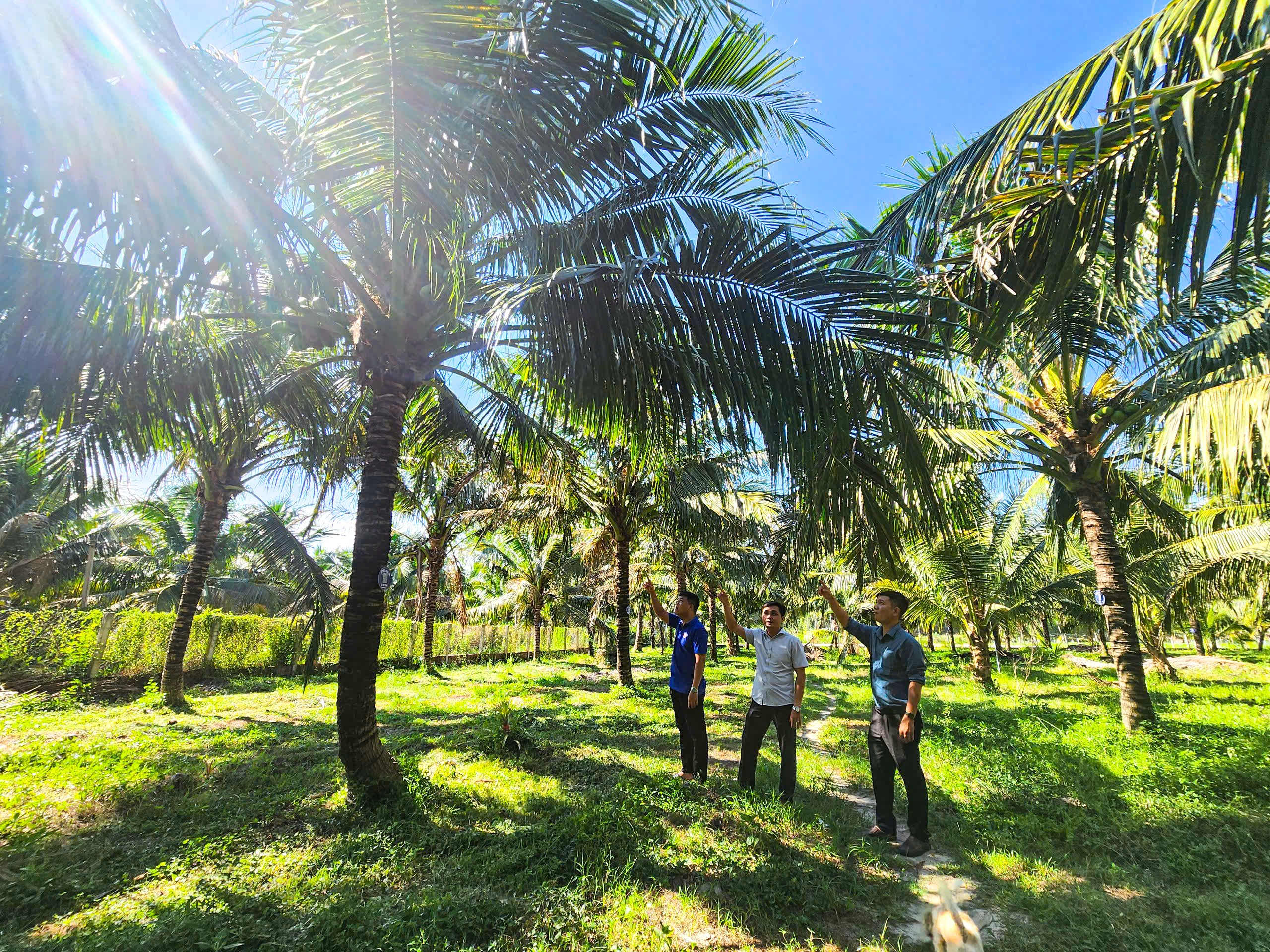
In Tung Chanh village, Cat Hiep commune, Phu Cat district (Binh Dinh province), Luu Anh Vu (34 years old) is considered someone who "extends childhood memories with coconut trees" by transforming his former cassava and bean fields into a coconut plantation spanning over 1 hectare. Vu began this crop conversion in 2016 and officially launched his "My Coconut Tree" model in 2024. The unique feature is that customers can scan a QR code to identify each coconut tree, learning about its age, yield, care instructions, and even the name of the buyer.
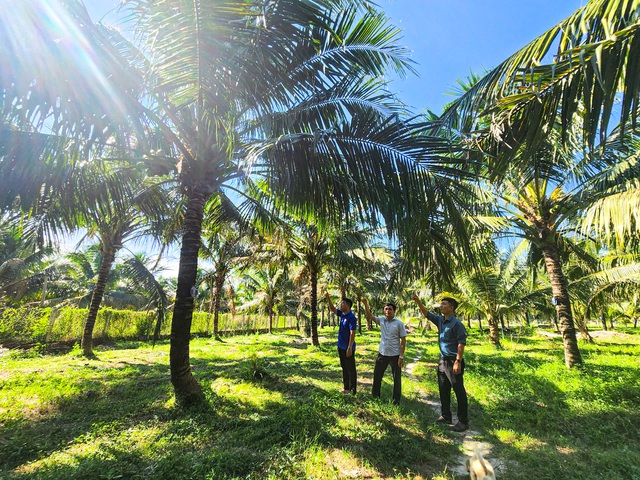
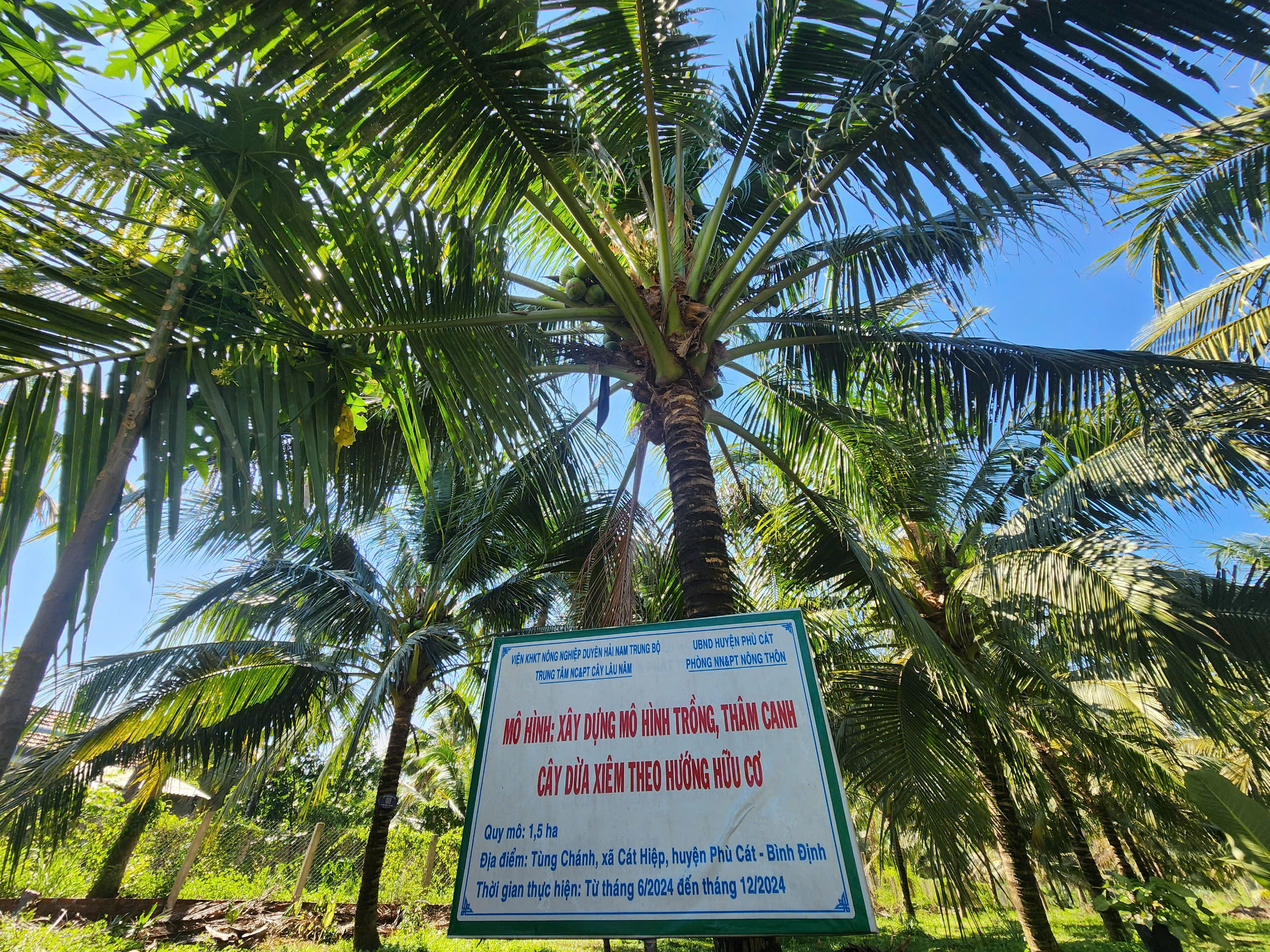
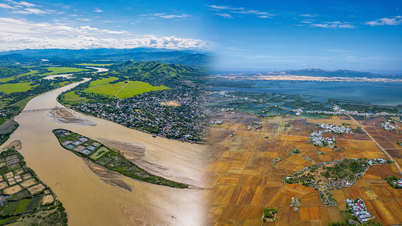
The coconut grove of Mr. Luu Anh Vu in Tung Chanh village, Cat Hiep commune, Phu Cat district (Binh Dinh province). PHOTO: HAI PHONG
In a short time, this model has received positive support from consumers, especially in large cities (customers only choose the coconut tree, they don't need to take it home but leave it with the coconut farmer to take care of; during harvest season, customers can come directly to pick coconuts or the farmer will send them to their address as requested). They can directly choose to buy a whole coconut tree for one year at a price of 800,000 to 1 million VND/tree, and at the same time "own" all the fruits that the tree produces, with a yield of about 100-120 fruits/year.
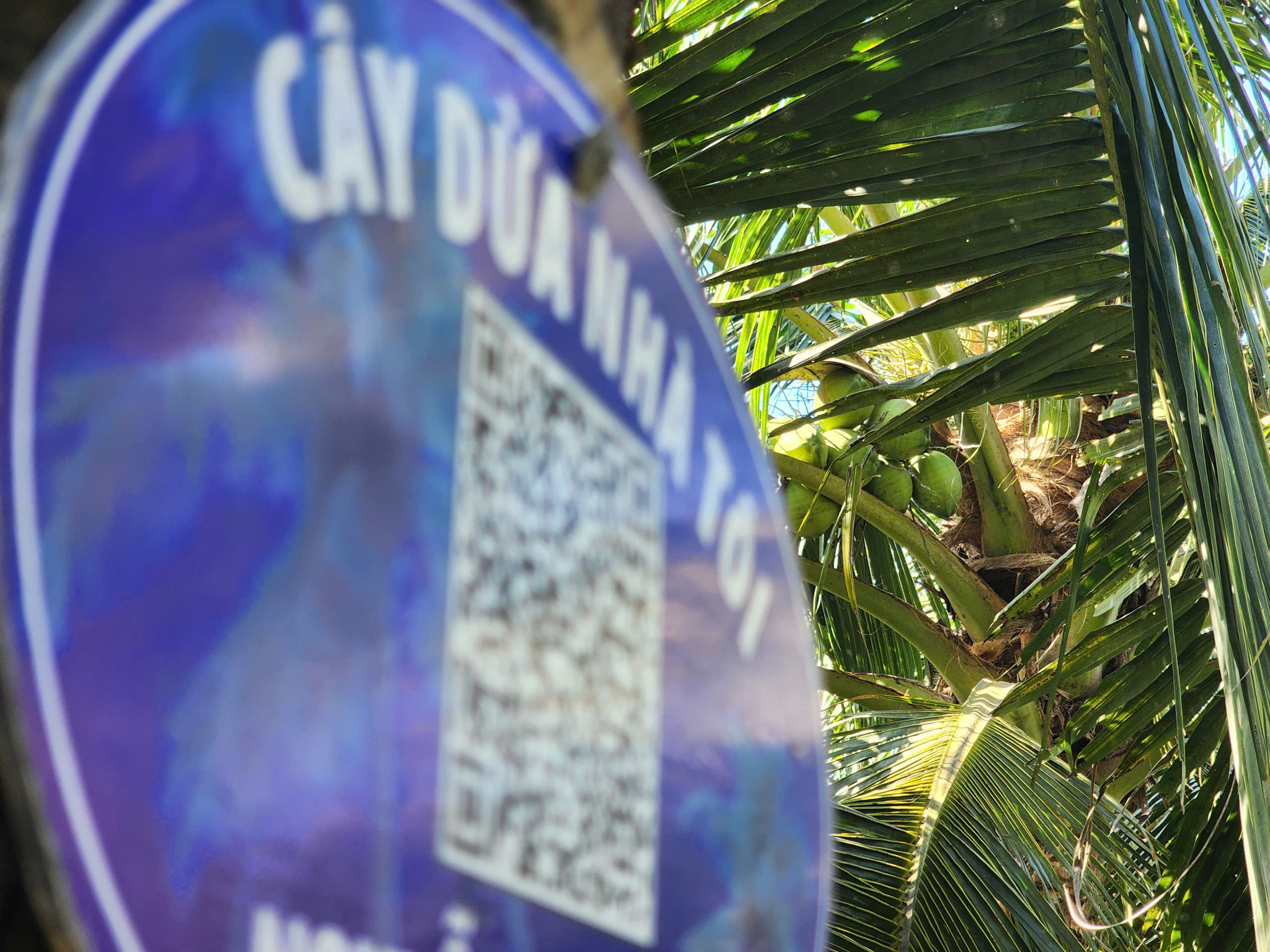
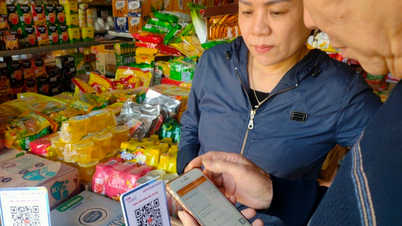
The unique feature of the "My Coconut Tree" model is the application of QR code technology to retrieve information about each tree. Each coconut tree has a unique identification code, including detailed information such as variety, age, planting date, selling price, estimated yield, and especially the name and phone number of the owner.
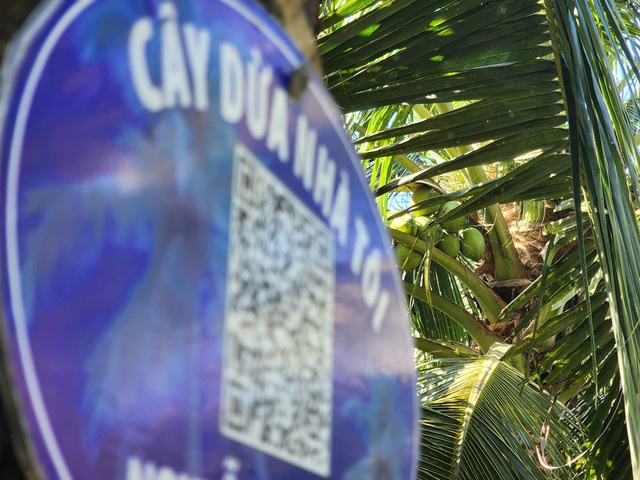
Each coconut tree has a QR code. PHOTO: HAI PHONG
Customers can visit the orchard to choose their coconut tree, take photos with their "own coconut tree," or follow the updates remotely through photos from the owner. When harvest season arrives, Mr. Vu will notify customers to come and experience the harvest or receive coconuts at home.
"The coconuts reaching consumers are those with clear identities and addresses, guaranteed quality, and are not sold through middlemen or traders, so everyone can rest assured," Mr. Vu shared.
You may also like
Making a fortune from beekeeping.Honey has long been considered a precious medicine, and today, in addition to its medicinal uses, it has become one of the most commonly consumed foods in daily life. Thanks to beekeeping, many families have become prosperous. From honey, dozens of different products have been created and processed by OCOP (One Commune One Product) organizations to meet the increasingly diverse demands of the market. Siamese coconut trees are easy to grow and require low investment costs. During the first four years, the land can be used for intercropping with peanuts, raising chickens, or cattle, which helps increase income and improve soil quality. After 30 months of planting, the trees can begin to bear fruit, and from the fourth year onwards, they will produce fruit regularly throughout the year.
Thanks to organic farming practices, Mr. Vu's coconut garden has a stable yield, with each tree producing 100-120 coconuts per year. The average selling price is 8,000 VND per coconut, which is 2,000-4,000 VND higher than what traders pay at the garden. Each year, growers earn a profit of approximately 1 million VND per tree, not including the additional income many households earn from selling Siamese coconut seedlings for 40,000-60,000 VND per plant.
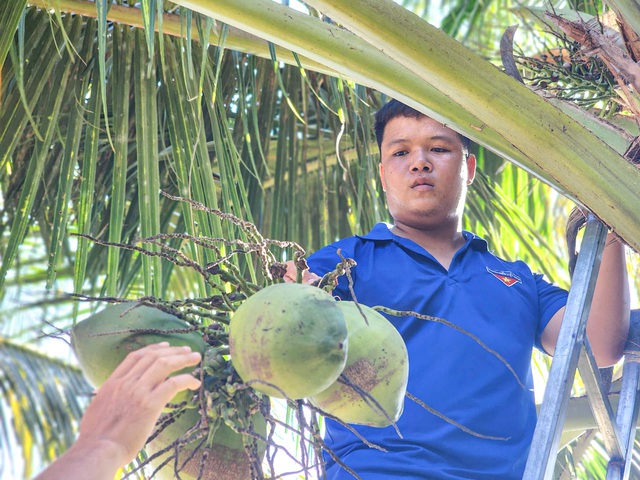
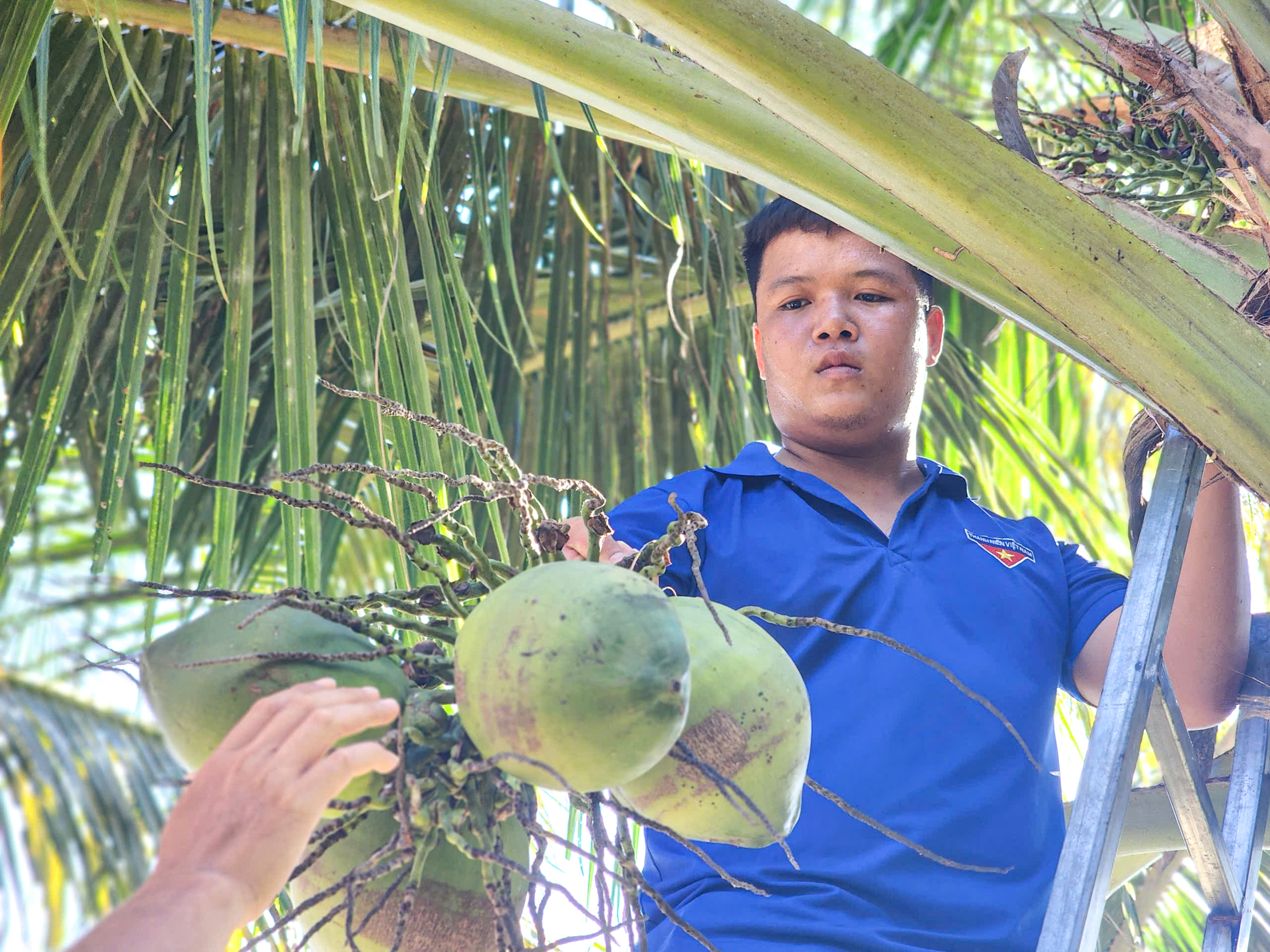
When harvest time arrives, coconuts are picked and delivered directly to buyers. PHOTO: HAI PHONG
Furthermore, coconut trees also contribute to solving the problem of livestock wastewater in rural areas. Manure and wastewater from farms are utilized as organic fertilizer to irrigate coconut trees, which saves costs and increases productivity.
Expanding the model, aiming for export.
According to the Department of Agriculture and Environment of Phu Cat District, the "My Coconut Tree" model has 35 participating households. With this approach, there is no worry about product sales, prices are stable, food safety and hygiene are guaranteed, and it creates great trust among consumers.
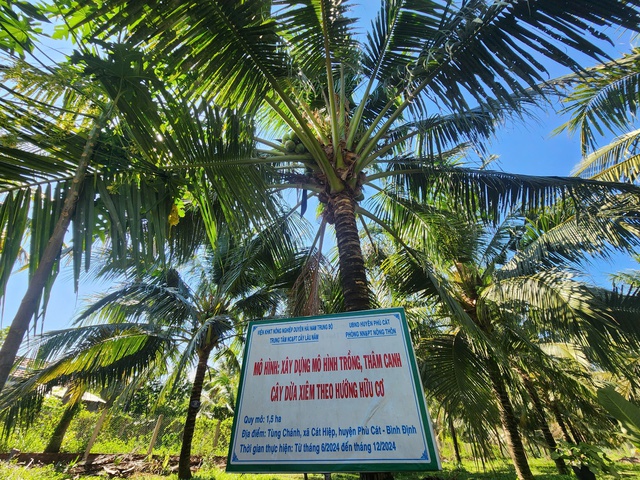
In Phu Cat district, 35 households are participating in the "My Coconut Tree" model. PHOTO: HAI PHONG
Phu Cat District currently has approximately 1,250 hectares of Siamese coconut trees, of which nearly 1,160 hectares are bearing fruit. Several communes have concentrated cultivation areas, such as Cat Hiep, Cat Hanh, Cat Trinh, and Cat Son. Recently, the district completed the procedures to grant planting area codes to 130 households with over 50 hectares. This is a prerequisite for exporting fresh coconuts to China.
You may also like
Payment number:Digital payments in Hanoi are not just about personal convenience; they are playing a core role in promoting digital commerce, shaping civilized consumption trends, and creating a dynamic economic environment. With a rapid shift and high level of societal consensus, this method is gradually spreading widely, paving the way for the comprehensive development of the knowledge economy. In addition, many households have started participating in the organic coconut production model, covering an area of 18.4 hectares in Cat Trinh, Cat Lam, and Cat Hiep. Cooperatives and coconut farming associations have also been established locally to provide technical guidance and guarantee product sales.
According to statistics, by the end of 2023, Binh Dinh province had over 9,350 hectares of coconut trees, of which Siamese coconuts accounted for nearly 2,300 hectares. Coconuts are mainly grown in Hoai Nhon town and the districts of Phu Cat, Phu My, and Hoai An, becoming a key, strategic crop.
Source: https://thanhnien.vn/quet-ma-qr-cho-dua-185250618110243033.htm


























![[Video] Sunset at Lap An Lagoon – Where the sun sets over the fishing nets](https://vphoto.vietnam.vn/thumb/1200x675/vietnam/resource/IMAGE/2026/05/31/1780192137701_beach-landscape-sea-water-nature-grass-745871-pxhere-com.jpeg)






















Comment (0)