

Not only are frozen vegetables convenient, but they are also often cheaper than fresh vegetables. They can be stored for a long time, helping to minimize food waste, according to the health website Health News .
Eva De Angelis, a nutritionist in Argentina, shared some helpful information about frozen vegetables.
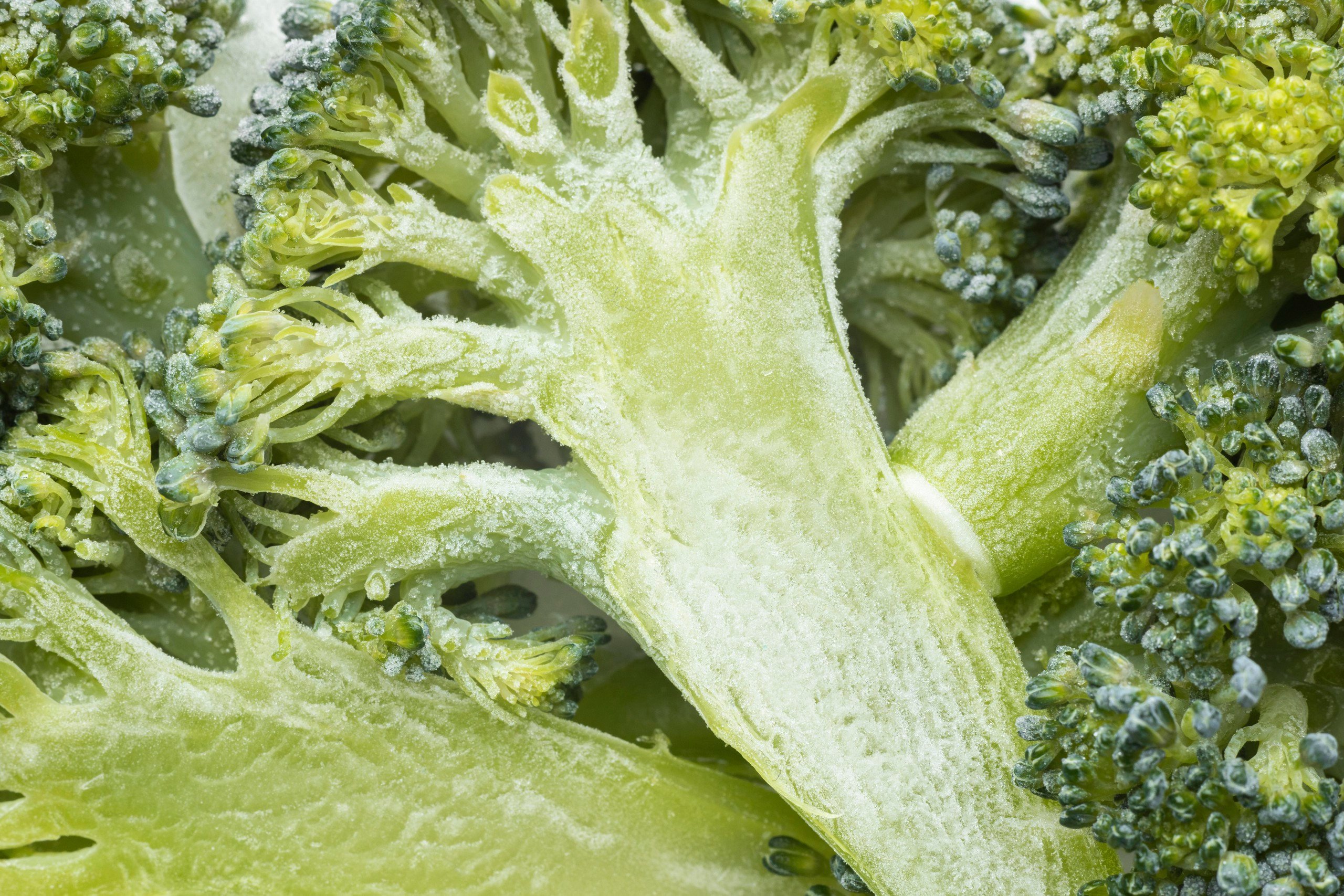
Frozen vegetables retain many nutrients, especially plant compounds such as lutein and flavonoids.
Illustration photo: Freepik
Nutritional value of frozen vegetables
When frozen, the enzymes in fruits and vegetables stop functioning, helping to preserve their beneficial nutrients.
According to research, common vegetables like broccoli, carrots, and peas retain a significant amount of nutrients when frozen compared to when they are stored in the refrigerator.
Frozen vegetables retain many nutrients, especially plant compounds like lutein and flavonoids. Lutein, abundant in green vegetables, plays an important role in protecting the eyes and brain. Meanwhile, flavonoids, with their antioxidant and anti-inflammatory properties, help protect the body from harmful free radicals.
One of the biggest benefits of freezing vegetables is that it helps preserve vitamins and minerals. Frozen vegetables are just as good as fresh ones in terms of vitamin C, folate, vitamin A, as well as minerals like magnesium, zinc, calcium, copper, and iron.
However, freezing after blanching can alter the texture of vegetables, making them softer when thawed. The color of the vegetables may also be affected, but this does not mean a loss of nutritional value.
Fresh fruits and vegetables stored in the refrigerator for a long time can lose some of their nutrients. Therefore, in this case, choosing frozen vegetables will help ensure you still have enough essential nutrients for your body.
Should you choose fresh or frozen vegetables?
Fresh vegetables are generally preferred by consumers because they retain their fresh flavor, especially after harvesting. However, fresh vegetables are also susceptible to spoilage and loss of nutrients if not stored properly.
In contrast, frozen vegetables offer convenience. They are pre-prepared, saving you cooking time. Furthermore, frozen vegetables are often more affordable and retain more nutrients compared to fresh vegetables that are stored for longer periods.
How to choose frozen vegetables
When buying frozen vegetables, you should prioritize those that do not contain added salt or preservatives. These will retain their natural flavor and nutritional content.
After purchasing, store vegetables in the freezer at -18°C or lower. The lower the temperature, the longer the vegetables will retain their freshness and nutrients.
If stored properly, frozen vegetables can retain their nutrients for about 12 months.
However, repeatedly thawing and refreezing vegetables will cause them to lose nutrients, become contaminated with harmful bacteria, and spoil.
Source: https://thanhnien.vn/rau-dong-lanh-co-mat-chat-dinh-duong-185241016164547746.htm



![[Photo] Prime Minister Pham Minh Chinh receives the Chinese Ambassador to Vietnam](https://vphoto.vietnam.vn/thumb/1200x675/vietnam/resource/IMAGE/2026/04/05/1775397481797_ndo_br_dsc-5512-jpg.webp)

















































































![[INFOGRAPHICS] Exploiting children's personal images for profit can result in fines of up to 50 million VND.](https://vphoto.vietnam.vn/thumb/402x226/vietnam/resource/IMAGE/2026/04/06/1775442200854_1775442148.webp)






















Comment (0)