

(NLĐO) - Methane, one of the signs suggesting the possibility of extraterrestrial life, has been found in a rather inexplicable way by the robot Curiosity.
A study recently published in the Journal of Geophysical Research: Planets has found an explanation for why a mobile chemistry lab on NASA's Curiosity rover consistently detects traces of methane ( CH4 ), the "gas of life," from the surface of Gale Crater on Mars.
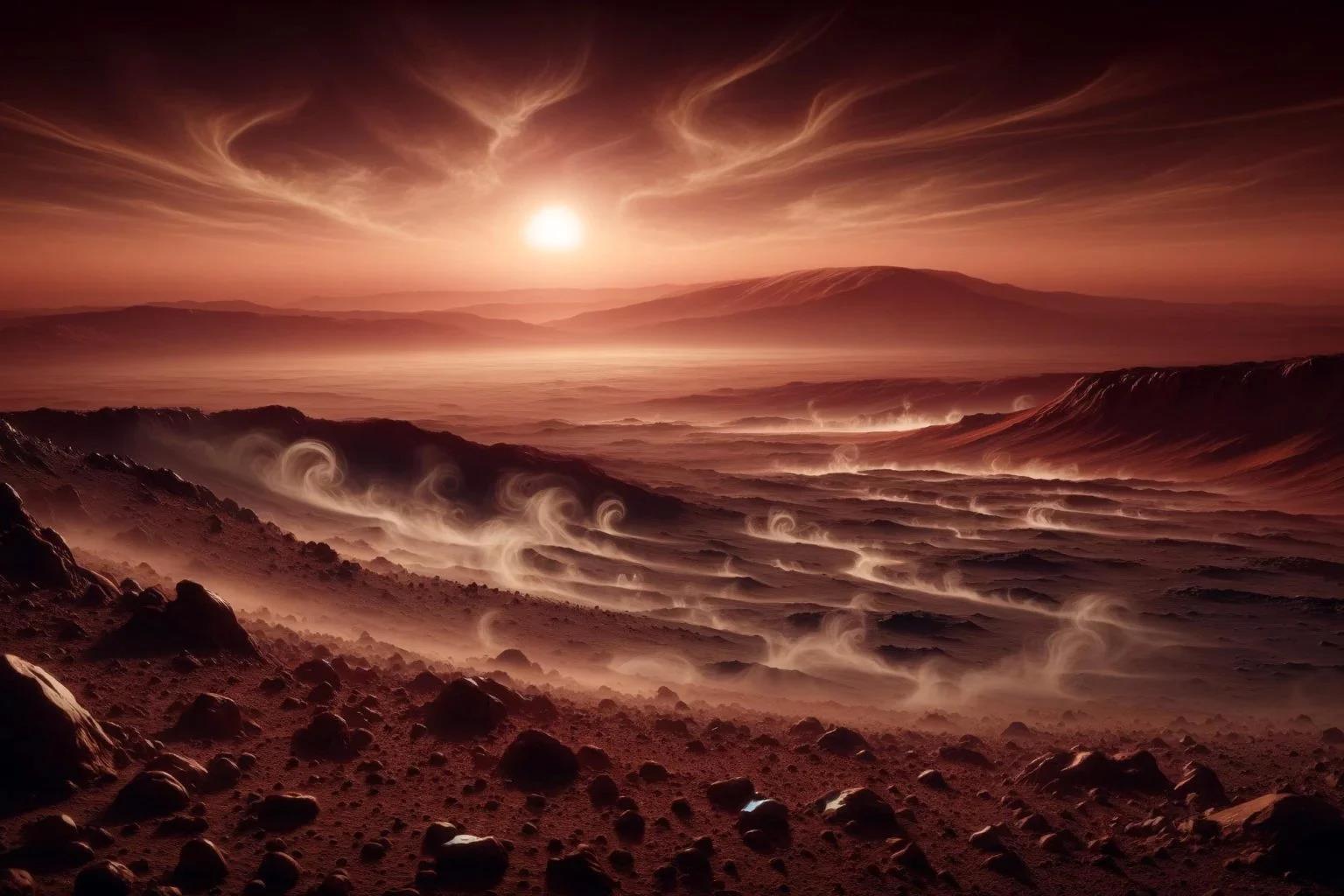
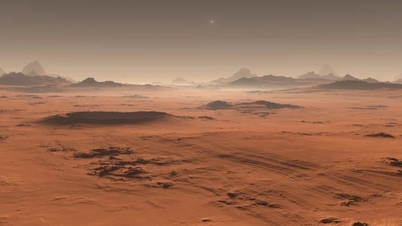
The Gale Crater landscape that the Curiosity robot is surveying - Graphic image: SCITECH DAILY
Curiosity, shaped like the famous cartoon character Wall-E, is a robotic rover developed by NASA and has been operating on Mars since August 2012 with the mission of searching for life.
This lucky robot was the first warrior to discover the existence of "building blocks of life" on the red planet.
However, evidence since then suggests that Mars appears to be extinct, and NASA is largely only hoping to collect evidence of ancient life.
So when the mobile SAM laboratory located inside Curiosity's belly analyzed samples from Gale Crater—an ancient impact crater—and consistently found evidence of methane escaping, scientists were baffled.
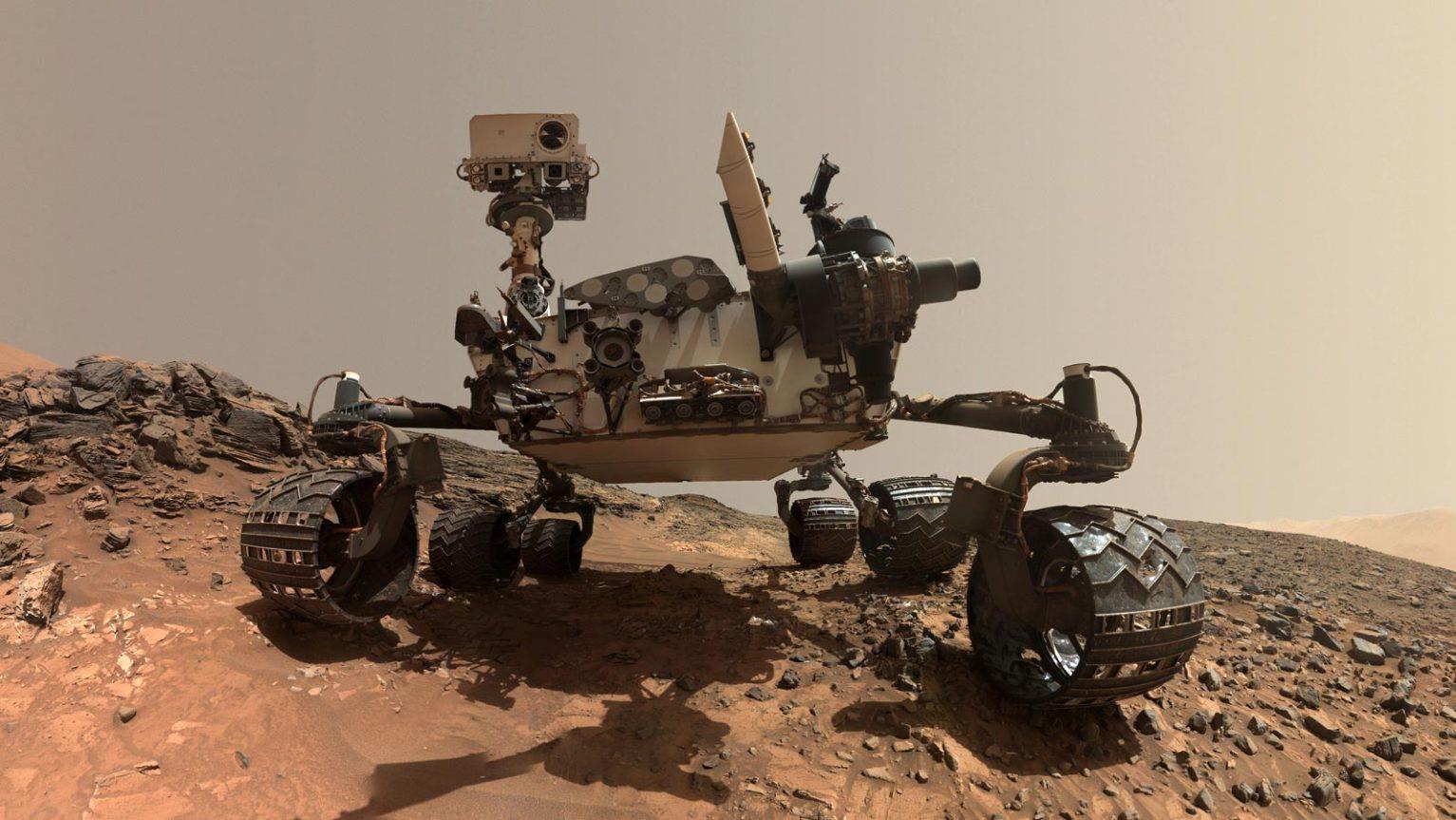
Curiosity - Photo: NASA
Living organisms produce most of the methane on Earth. Therefore, methane has long been considered a marker of potential life, a trace that astrobiologists are still trying to find in the spectra of other planets.
But at Gale Crater, or anywhere else on Mars, no instruments have detected any living organisms. Therefore, NASA absolutely does not expect methane to be present there.
"It's a story with many surprises," revealed scientist Ashwin Vasavada, a member of the Curiosity rover team at NASA's Jet Propulsion Laboratory (JPL).
In collaboration with researchers from NASA's Goddard Space Flight Center, they developed new models and indicated that the source of the unusual methane may be due to geological mechanisms involving water and rocks deep underground.
This gas may be sealed beneath a layer of solidified salt that forms in Mars' regolith, a type of "soil" made of rock and fine dust.
As temperatures rise during warmer seasons or times of day, the salt layer weakens, and methane can escape.
Additionally, this gas can also be forced out in bursts when something heavy presses down on the ground – in this case, the wheels of the SUV-sized robot named Curiosity.
However, at another impact crater called Jezero Crater, where NASA has an equally massive robot called Perseverance operating, no methane has leaked out in the same way.
This discovery may indicate that the environments in these two areas were different. Furthermore, the way methane appeared and was buried beneath the Martian "soil" remains a fascinating subject to explore . This will help us better understand the ancient Martian environment and bring scientists closer to evidence of potential extraterrestrial life – even if it is extinct.
Source: https://nld.com.vn/robot-nasa-lien-tuc-bat-duoc-tin-hieu-su-song-khong-mong-doi-196240430100648027.htm


![[Photo] Prime Minister Pham Minh Chinh attends the Conference on the Implementation of Tasks for 2026 of the Industry and Trade Sector](/_next/image?url=https%3A%2F%2Fvphoto.vietnam.vn%2Fthumb%2F1200x675%2Fvietnam%2Fresource%2FIMAGE%2F2025%2F12%2F19%2F1766159500458_ndo_br_shared31-jpg.webp&w=3840&q=75)
































































































Comment (0)