

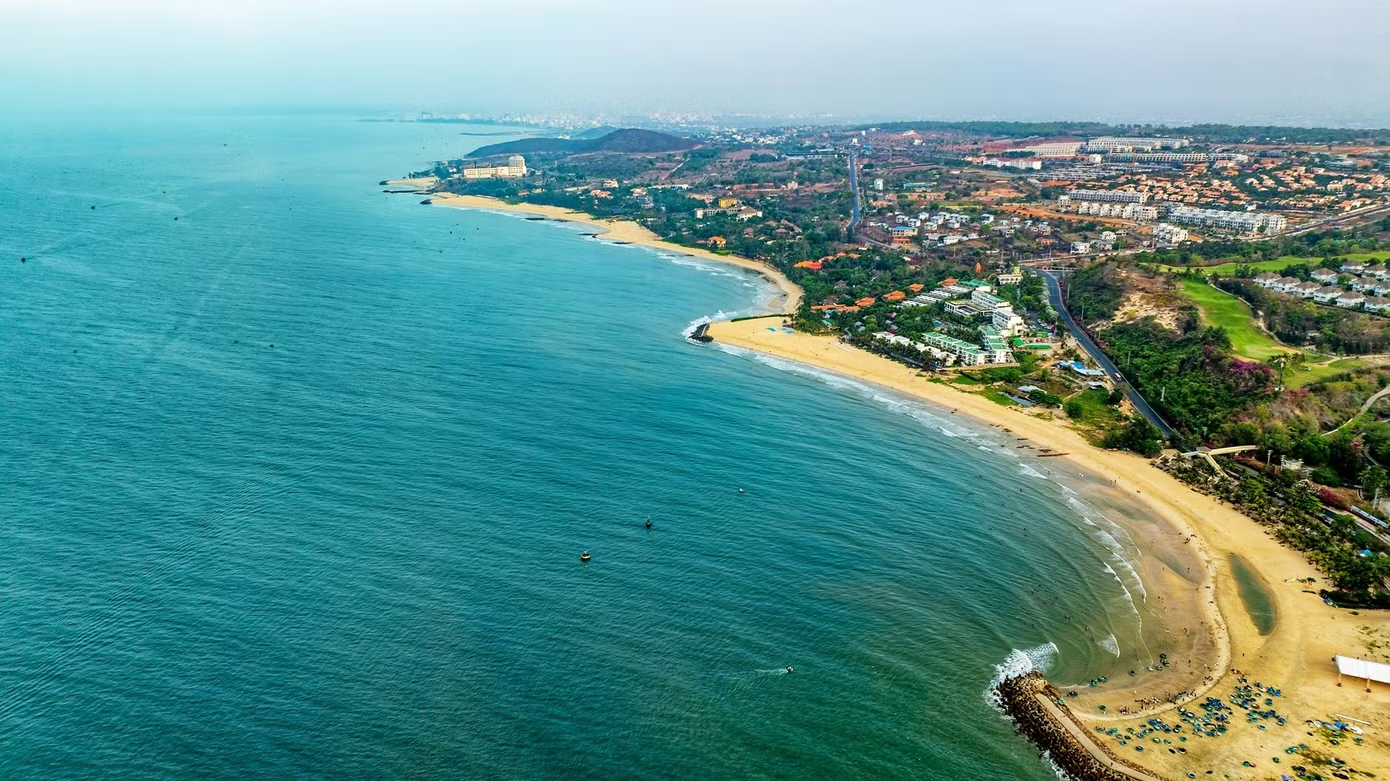
The region's top destination
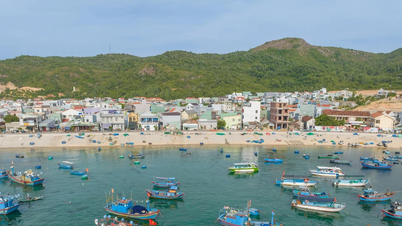
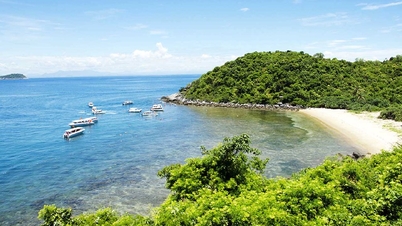
Mui Ne - Phan Thiet has been identified as a crucial growth hub for coastal tourism , complementing the strengths of ecotourism and highland resort tourism in Da Lat and its surrounding areas, in the context of Lam Dong province's restructuring of its development space after the merger. Coastal tourism is no longer confined to the traditional coastline but is expanding along the coastal corridor, linked to urban areas, services, culture, and the livelihoods of the local people.
In late April 2026, Lam Dong province announced the Mui Ne National Tourist Area Development Plan until 2040, with a vision to 2050, aiming to build Mui Ne into one of the leading destinations in the Asia-Pacific region. The Mui Ne National Tourist Area covers approximately 14,760 hectares, encompassing the Phu Thuy, Mui Ne, Hoa Thang, and Phan Ri Cua areas. The development space is organized according to the model of "One coastal corridor - Three centers - Multiple access points to the sea," with the 63km coastal corridor acting as the connecting axis for the entire area. It is projected to welcome approximately 14 million tourists by 2030 and 25 million by 2040; with approximately 71,500 accommodation rooms; and approximately 12,980 hectares of land allocated for functional areas.
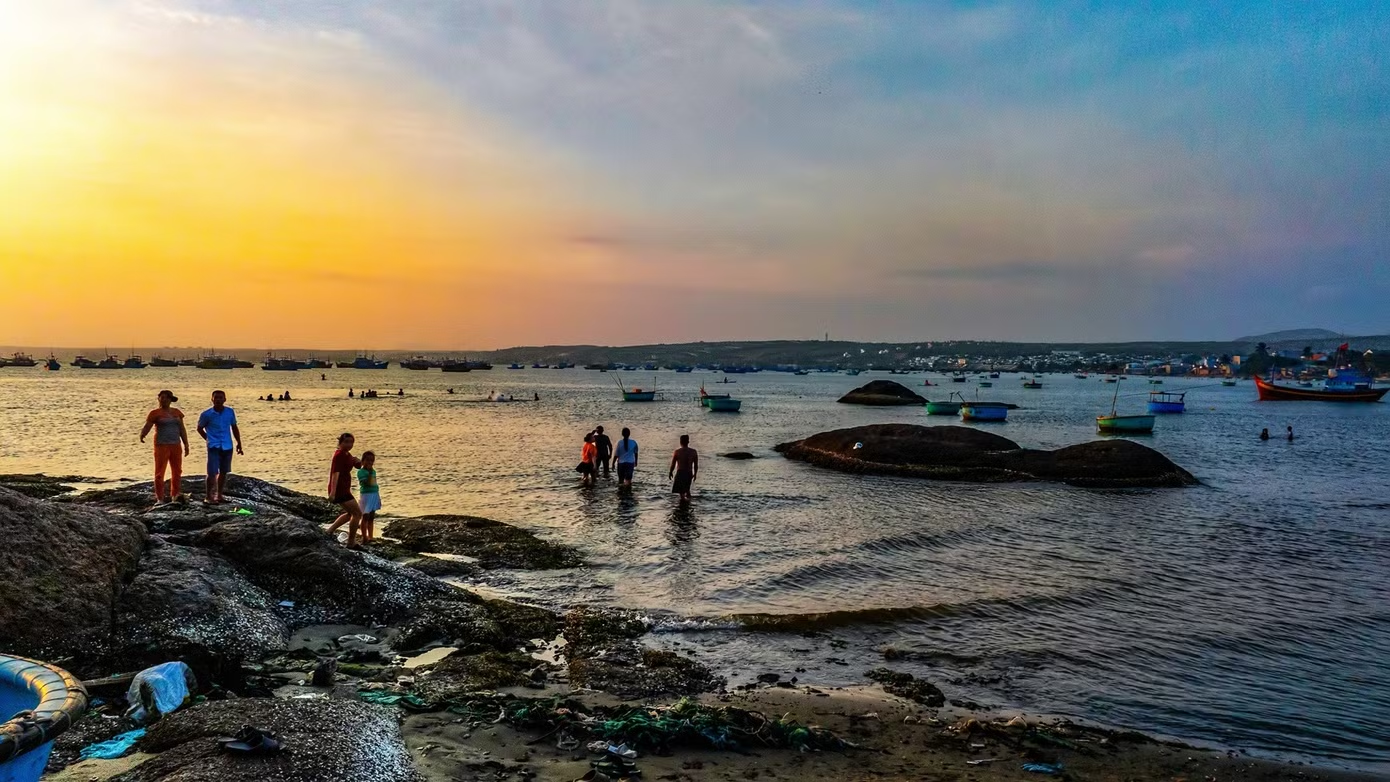
Mr. Nguyen Linh Vu, Deputy Director of the Investment, Trade and Tourism Promotion Center of Lam Dong province, said that in the "strategic puzzle pieces," purely resort products will shift to a "multi-experience ecosystem" with large-scale urban tourism complexes and a vibrant night economy . In addition, the "blue sea" region will be strongly connected to the eastern growth axis. In the initial phase, the province will attract major strategic investors for high-end resort projects, water sports, and complex entertainment areas to create its own brand.
According to Ms. Nguyen Thi Hoa Mai, Deputy Director of the Vietnam National Tourism Administration, when properly planned, Mui Ne will not only generate direct revenue from tourists but also stimulate the local supply chain, attracting investment in hotels, restaurants, logistics, entertainment, healthcare, tourism real estate, air and road transport. Developing high-value and competitive beach tourism products, targeting high-spending international tourists with longer stays, is a crucial shift from "resource-based tourism" to "competitive-based tourism."
Airports provide runways for potential destinations.
With its stunning beaches, unique tourist experiences, and distinctive local culture, Phan Thiet's biggest gap compared to the two major coastal tourism markets of Da Nang and Phu Quoc lies not in its tourism resources but in its air gateway. If the expressway opens up a flow of tourists from the South, then Phan Thiet airport can open its doors to the whole country and internationally.
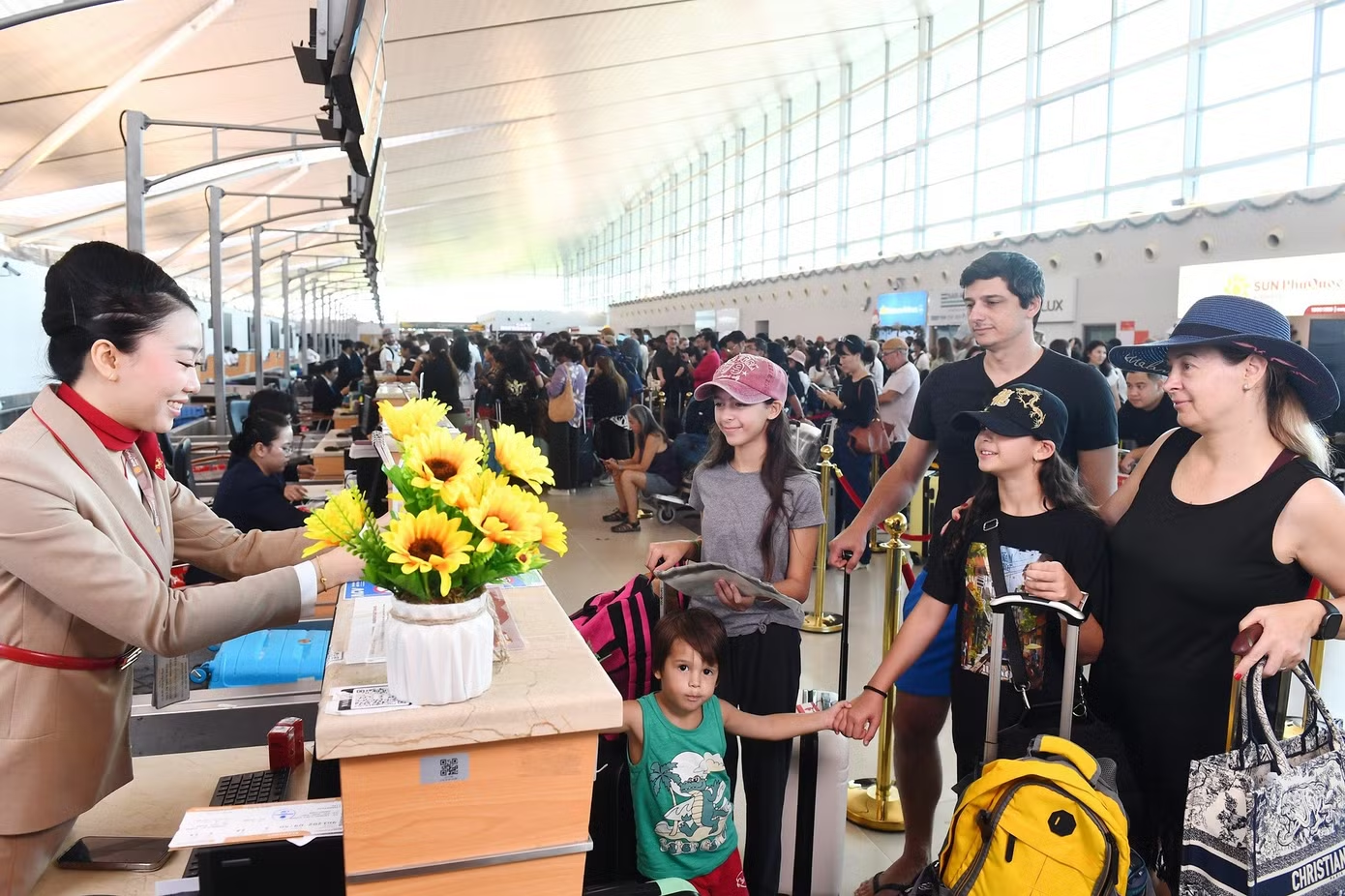
Da Nang and Phu Quoc are ahead of Phan Thiet not just by a few years of development, but also by an entire aviation and tourism ecosystem. Compared to its potential, the number of international tourists to Phan Thiet is still quite modest. In 2024, Phu Quoc welcomed nearly 6 million tourists, including 900,000 international visitors. In 2025, the number of international tourists is expected to double thanks to a dense network of direct flights. Meanwhile, Phan Thiet will only have over 350,000 international visitors in 2024. In modern tourism, where distance is measured not in kilometers but in travel time, the key to overcoming this "bottleneck" is the development of high-speed rail and aviation infrastructure.
The civil aviation component of Phan Thiet Airport in Lam Dong province, officially commenced by Sun Group on April 27th, is expected to be completed within two years. The airport has an investment scale of 3,900 billion VND, built on an area of nearly 75 hectares, meeting 4E standards. This scale allows the airport to accommodate modern wide-body aircraft, with an initial design capacity of approximately 2 million passengers per year.
Phu Quoc Civil Airport will serve as a connecting point for international tourists from popular destinations such as Da Nang and Phu Quoc, creating diverse opportunities for visitors to explore new, potential areas and extend their travel experiences.
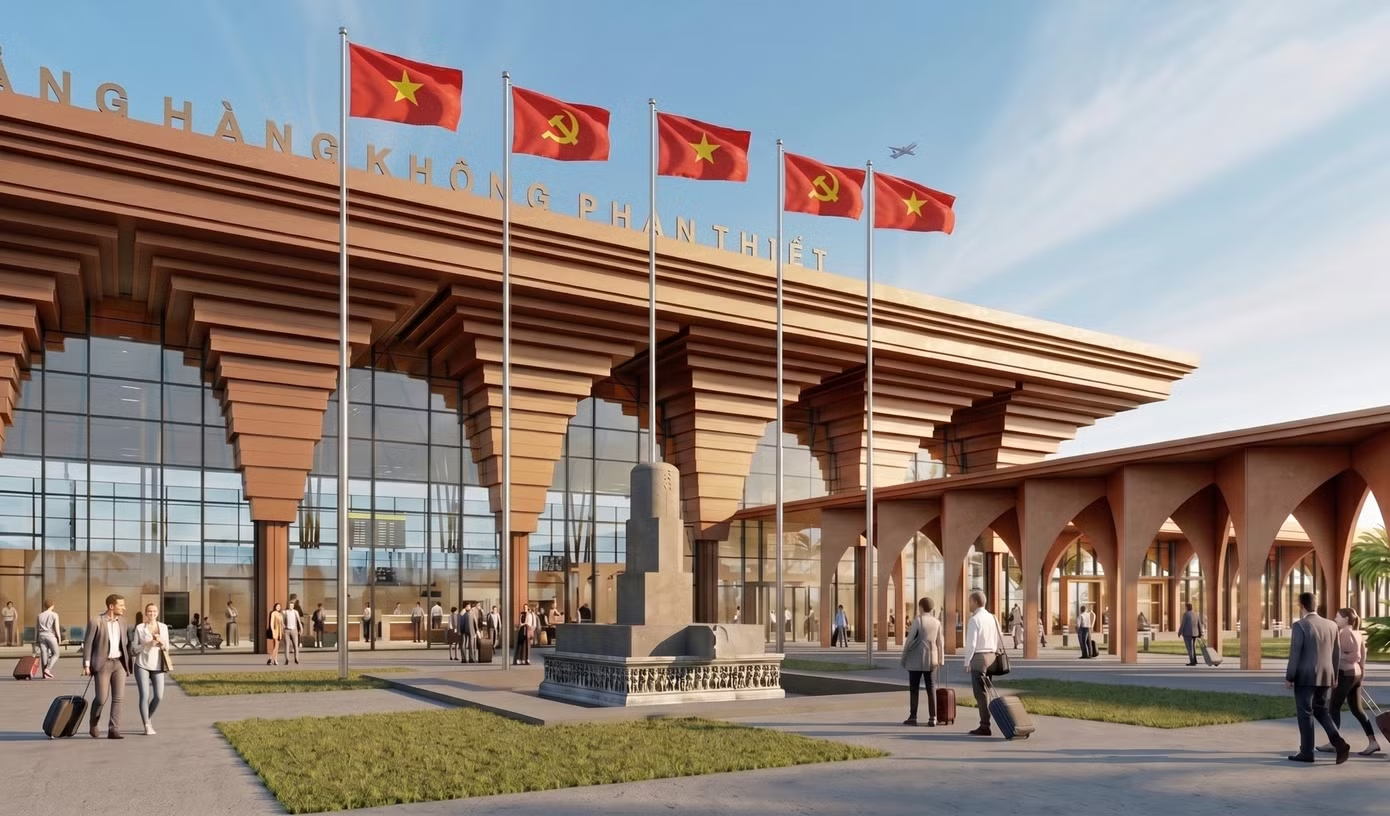
The Phan Thiet airport, along with the Dau Giay – Phan Thiet and Phan Thiet – Vinh Hao expressways and a wave of large-scale investment, is ushering in a new phase of growth for Phan Thiet. The changing tourism map is leading to a changing investment map. Phan Thiet will transform from a "resort capital" into an international-class "tourism, leisure, entertainment, and wellness city." Besides boosting domestic and international tourism, these new air routes will also attract investment capital. As tourist numbers increase, large corporations will invest in resorts, entertainment areas, and tourism cities. This has already happened in Phu Quoc, Da Nang, and Ha Long. This will change the urban landscape and socio-economic landscape of the region.
In recent years, Phan Thiet has seen the presence of many leading developers such as Novaland, Sun Group, Eras Land, and Sunshine Group with a series of large-scale projects. Novaland has developed the NovaWorld Phan Thiet urban tourism complex, while Eras Land focuses on a resort model combined with practical operation and management with the Costamigo project. Notably, Sun Group is researching and proposing investment in large-scale projects spanning transportation infrastructure, urban areas, and eco-tourism (forest and sea), which are expected to completely transform the eastern part of Lam Dong province.
Entering 2026, Lam Dong's tourism industry is flourishing. However, according to experts, the majority of local tourism products are still short-term sightseeing and relaxation. This form of tourism is not yet sufficient to extend the length of stay or create incentives for tourists to return. Meanwhile, global tourism trends are shifting rapidly, especially the trend of combining leisure and sports tourism or the demand for multi-experiences: beaches, mountains, local cultural activities; and the need for inter-regional experiences.
Chairman of the Lam Dong Provincial People's Committee, Ho Van Muoi, observed: With the new landscape, the requirements for tourism products must be new in order to create tourism tours that connect regions and areas.
In this context, the take-off of tourism in Phan Thiet will create momentum for the development of the "coastal - highland" tourism axis. The two tourism spaces, the coastal resort and the highland with its cool climate, will complement each other.
Lam Dong's tourism sector benefits from increased transit passengers, longer stays, stimulated demand for services, and especially the expansion of the international tourist market, connecting major tourist destinations such as Phu Quoc, Da Nang, and Quang Ninh to Phan Thiet by air.
Source: https://tienphong.vn/san-bay-phan-thiet-cu-hich-chien-luoc-thay-doi-ban-do-du-lich-post1845648.tpo
![[Image] Hanoi's urban life under the challenge of a "scorching hot" environment](https://vphoto.vietnam.vn/thumb/1200x675/vietnam/resource/IMAGE/2026/05/25/1779706979265_nang-nong-t5-2026-minh-duy-7-4636-jpg.webp)
![[Image] Close-up view of the interchange connecting the two expressways and Long Thanh Airport.](https://vphoto.vietnam.vn/thumb/1200x675/vietnam/resource/IMAGE/2026/05/25/1779703378210_ndo_br_z7863716673926-224453a31600126cce10622af6290afd-4549-jpg.webp)









































































Comment (0)