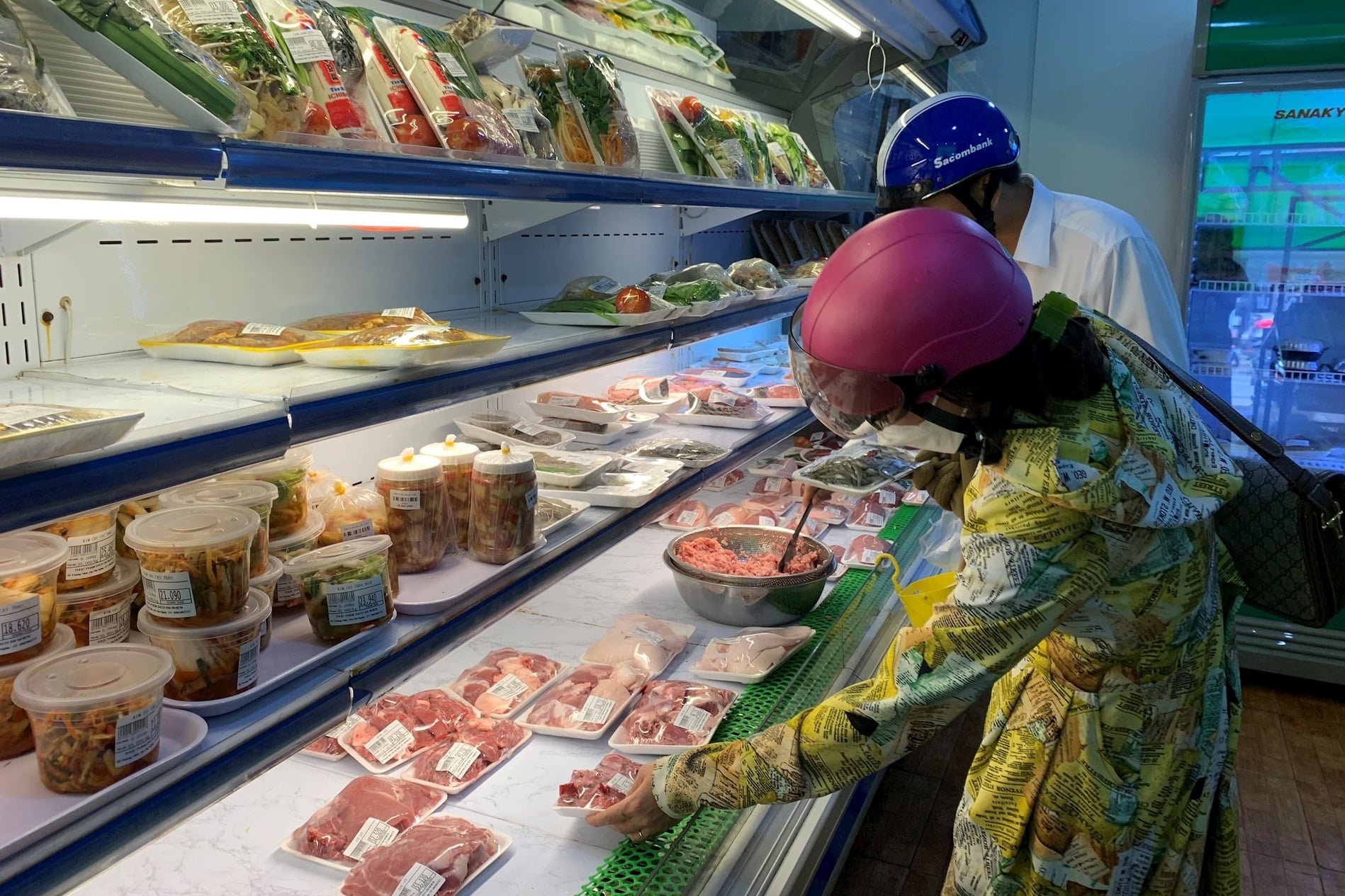
Authorities and local governments in Lam Dong province are tightening animal and animal product quarantine to ensure a safe food supply.
1. On August 8, 2025, Road Traffic Control Team No. 6 conducted a patrol on Provincial Road 682, section passing through Hamlet 4, Dak Song Commune, Lam Dong Province. There, the authorities stopped and inspected a car driven by Mr. NVT from Nam Dong Commune, carrying 4 pigs. Upon inspection, the pigs showed signs of abnormality, suspected of being infected with African Swine Fever. Mr. T stated that he had purchased the pigs from a household in Hamlet 2, Nam Dong Commune, and was transporting them to a household in Dak Hoa Hamlet, Dak Song Commune, to be slaughtered and sold to consumers.
The task force coordinated with the Dak Song Commune Police, the Commune's Economic and Infrastructure Department, and the Dak Song - Dak Mil Regional Agricultural Technical Station to temporarily detain the pigs, take samples for analysis, and await further action.
According to Mr. Nguyen Ngoc Than, Chairman of the People's Committee of Dak Song commune, after inspection, the pigs were determined to be negative for African swine fever. Authorities and local agencies have taken steps to return the pigs to the people for normal circulation.
Dak Song commune continues to take steps to tighten quarantine and control of slaughtering and trading of animals and animal products in the area. The commune has only one slaughterhouse, which, after inspection, meets the basic operating conditions as prescribed. In addition to strengthening coordination with relevant parties, the locality is promoting the role of the people in detecting, combating, and reporting unsafe food practices and risks of disease spread.
In Cu Jut commune, which borders Dak Lak province and has a large geographical area with 50 villages, hamlets, and residential areas, strengthening animal quarantine is not easy. According to Mr. Ngo Quoc Phong, Chairman of the Commune People's Committee, besides National Highway 14 where well-organized quarantine forces are stationed, the area has many side roads and small paths, so the risks of small-scale trading of livestock and animal products without clear origins are always present, and some violations have occurred in recent years. In addition to close coordination with veterinary agencies and relevant functional forces, the locality focuses on promoting the role of the commune police, the government, and mass organizations in villages, hamlets, and residential areas in propaganda, patrolling, control, and detection of violations.
2. To tighten quarantine measures and ensure animal disease safety, especially regarding African swine fever, the Provincial Department of Agriculture and Environment has issued a document requesting the Animal Husbandry and Veterinary Sub-Department to closely coordinate with the People's Committees of communes, wards, and special zones to strictly implement prevention and control measures. This includes directing the organization of quarantine and control of animal and animal product transportation; reviewing and rectifying the strict implementation of quarantine procedures and the issuance of quarantine certificates for the transportation of animals and animal products out of the province in accordance with the law; and strengthening inspection, supervision, detection, and strict handling of cases of trading, transporting, and slaughtering that do not meet disease prevention and control and food safety requirements.
The province requested the Provincial Agricultural Extension Center to direct the regional agricultural technical stations to strengthen the deployment of professional staff to support communes and wards, ensuring sufficient personnel to carry out slaughter control in accordance with regulations in order to effectively prevent the spread of diseases through the slaughtering process.
The Provincial People's Committee has also directed that relevant agencies need to coordinate more closely in detecting and handling violations related to the trading and transportation of animals that violate quarantine and origin regulations. The penalties must be sufficiently deterrent to prevent repeat offenses. Publicizing cases of violations is also an effective measure to raise awareness among the public and businesses.
The tightening of animal quarantine measures by authorities and localities not only ensures the limitation of disease outbreaks and spread but also guarantees food quality and safety for consumers.
According to the Provincial Department of Agriculture and Environment, as of the end of August, Lam Dong's total livestock population was 1,807,543 out of 1,957,670 animals, reaching 92.3% of the annual plan, while the total poultry and waterfowl population was 16.7 million out of 17.2 million animals, reaching 97.2% of the annual plan.
Source: https://baolamdong.vn/siet-chat-kiem-dich-dong-vat-de-phong-chong-dich-benh-390410.html






























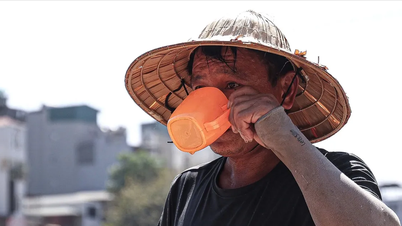
![[Image] Hanoi's urban life under the challenge of a "scorching hot" environment](https://vphoto.vietnam.vn/thumb/1200x675/vietnam/resource/IMAGE/2026/05/25/1779706979265_nang-nong-t5-2026-minh-duy-7-4636-jpg.webp)

































































Comment (0)