

Many caves are like gateways to the past, and therefore always attract human interest. While some caves are inaccessible to tourists, others are quite popular destinations. Below are the world's largest caves, numbered from 14 to 1.
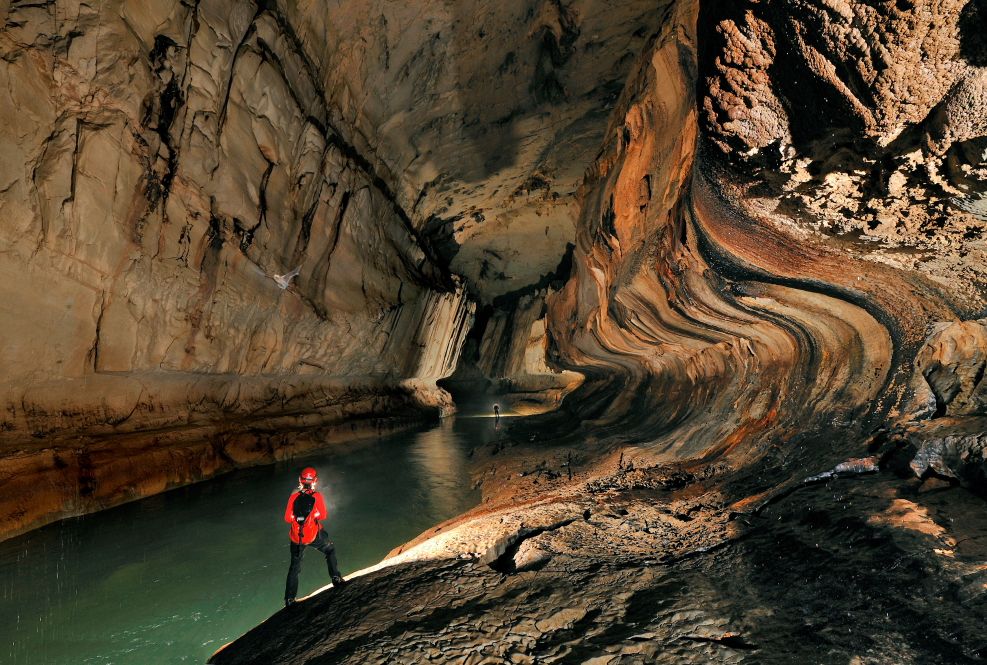
Clearwater, Malaysia, is a system of interconnected limestone caves stretching over 48 km, with numerous underground rivers. Discovered in the late 1970s, this cave system in Gunung Mulu National Park is a UNESCO World Heritage site. Amazingly, the true size of Clearwater remains unknown and is still being explored today.
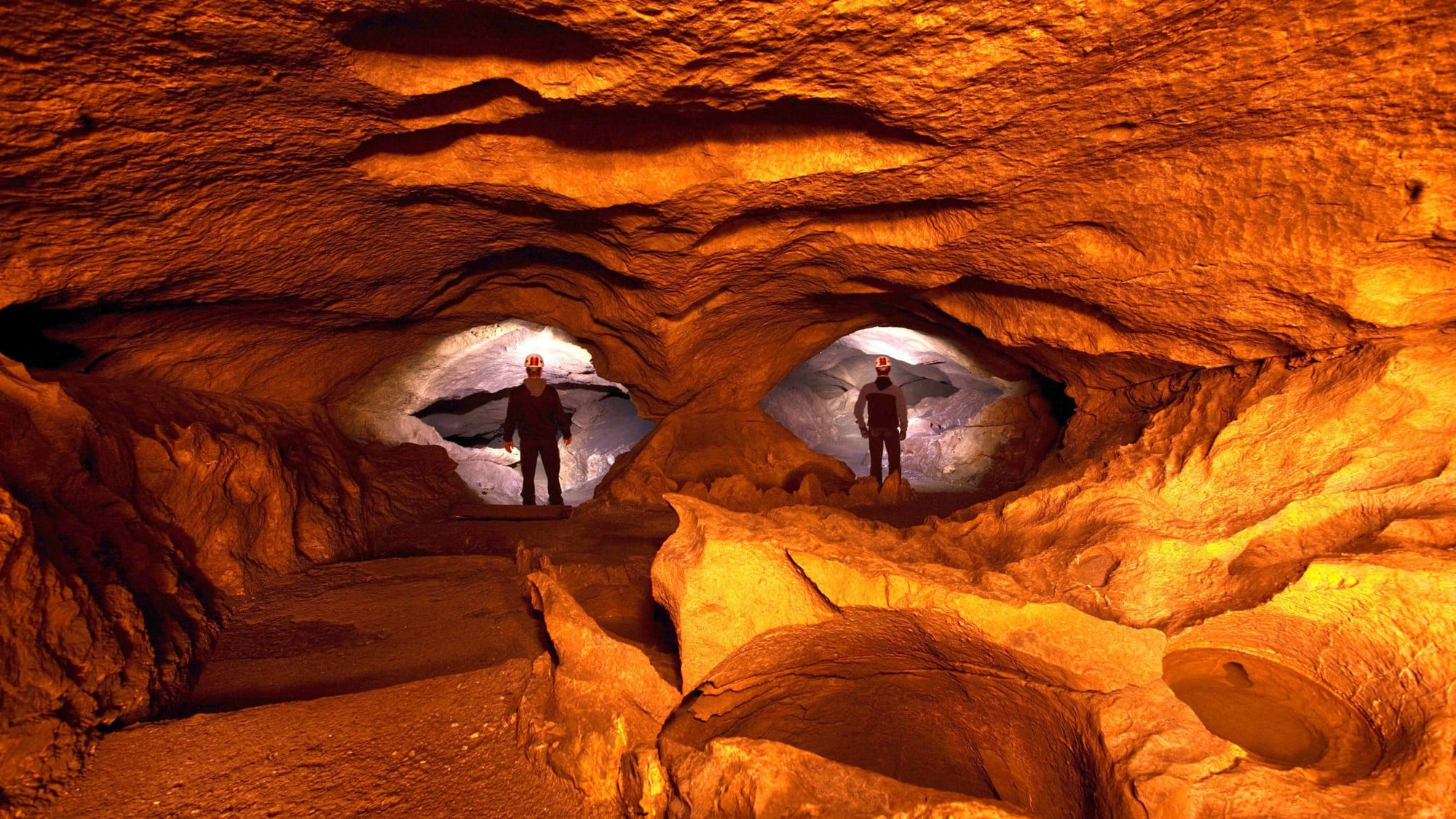
Tourists can venture deep inside Hölloch, Switzerland, a colossal underground wonder approximately 200 km long and 900 m deep.
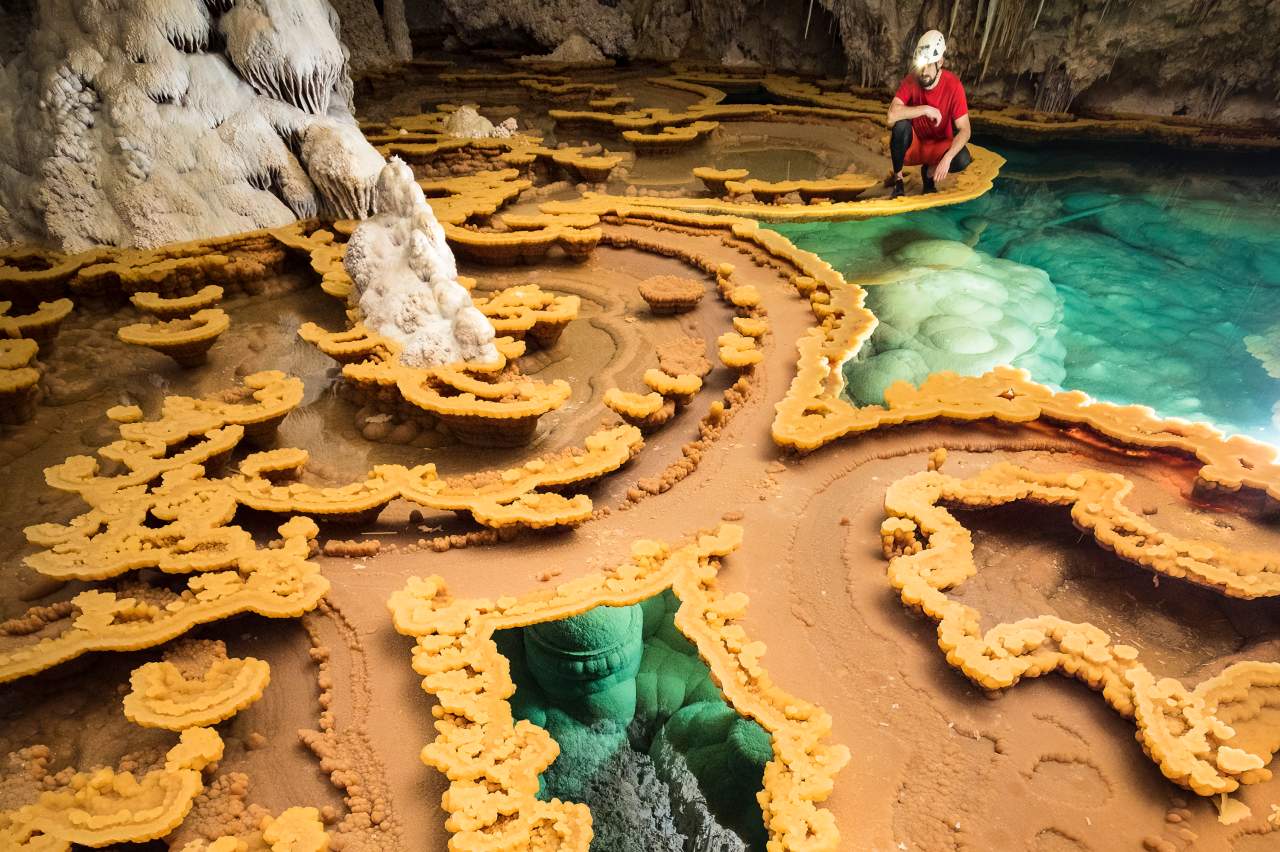
Lechuguilla Caves are located in Carlsbad Caverns National Park in New Mexico, USA. A limestone cave system stretching over 222 kilometers, Lechguilla is filled with fascinating mineral layers, attracting the attention of geologists worldwide. Although discovered in the 1950s, it was closed for about three decades before visitors were allowed to explore the caves.
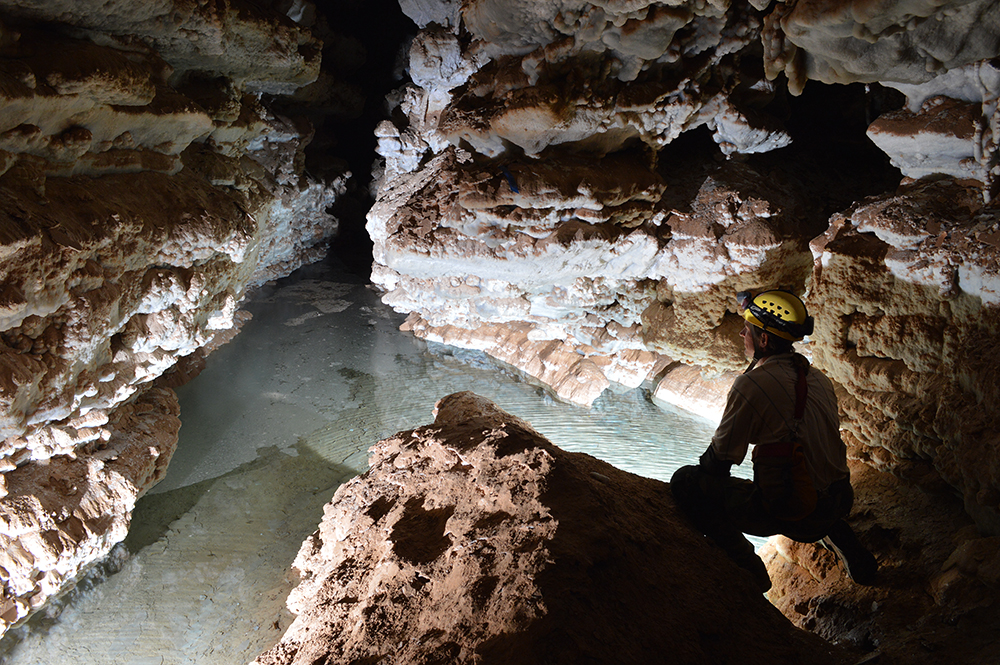
Wind Cave National Park is one of the oldest parks of its kind in the United States, home to the 241-kilometer-long Wind Cave, a landscape of breathtaking beauty.
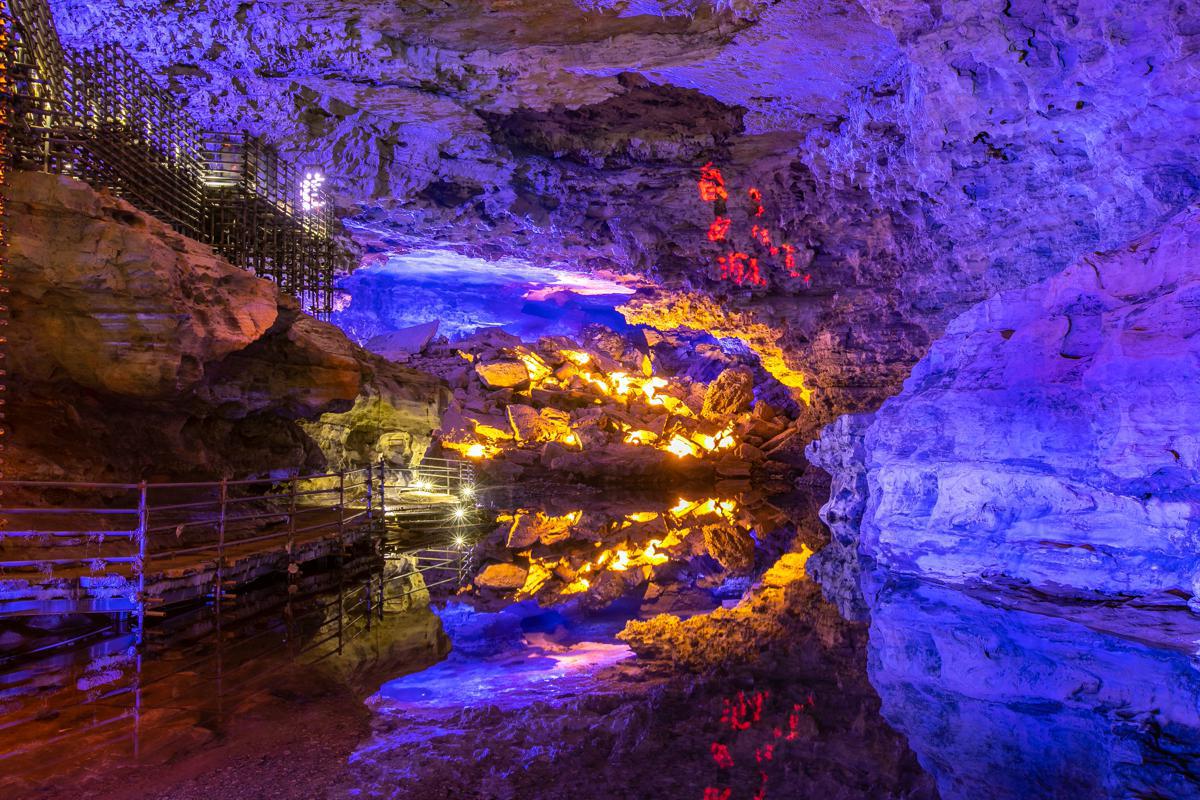
Shuanghedong is one of the longest cave systems in China, located in Guizhou. Stretching over 242 km, it was discovered in 1987 and is a prime example of an underground ecosystem. At least three rivers flow through the lower levels of the cave, as well as several waterfalls. These waters are home to creatures such as fish and salamanders. Since its discovery in the late 1980s, numerous expeditions have been undertaken in an effort to map the passageways and uncover the cave's secrets to this day.
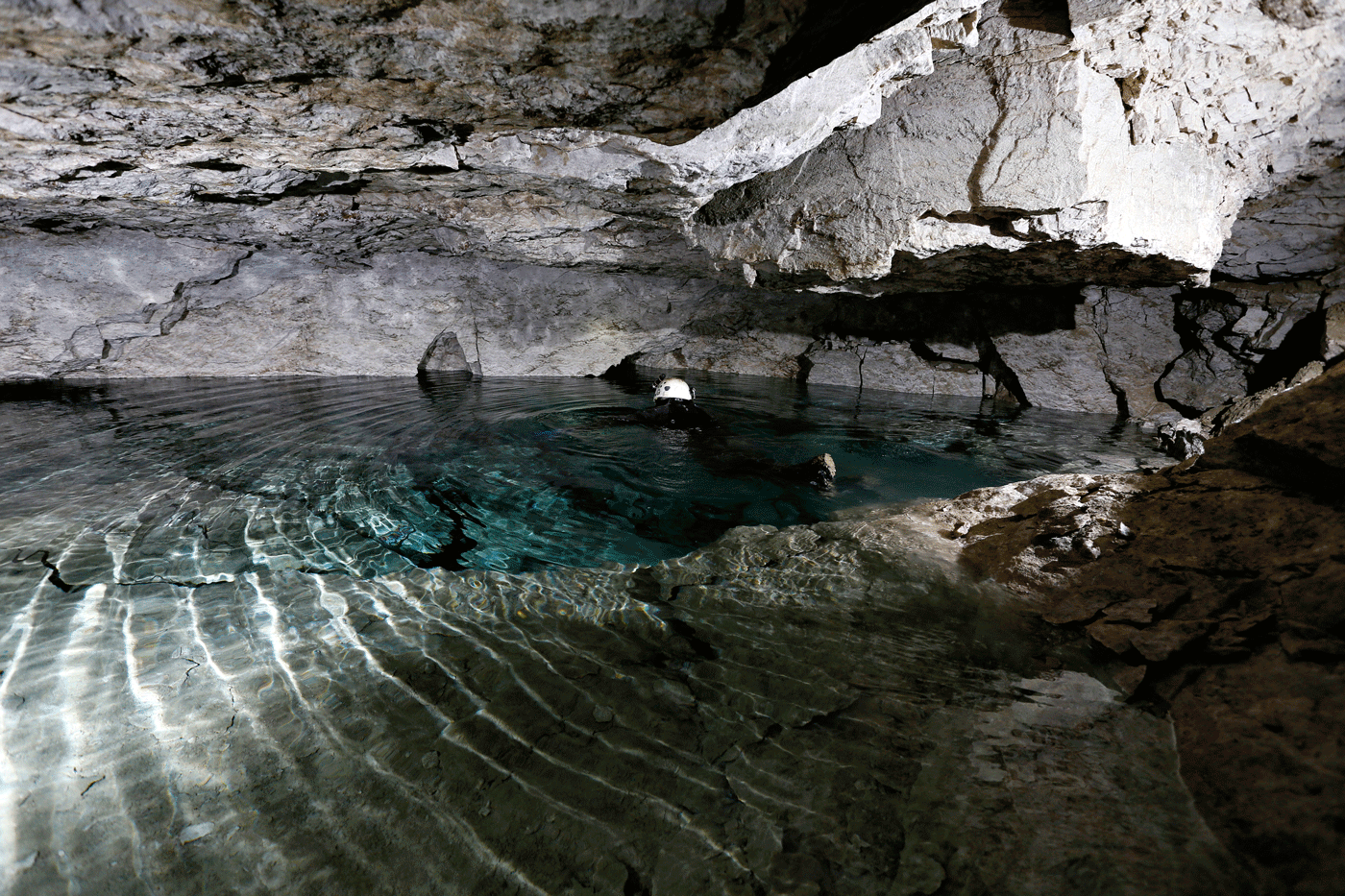
The Optymistychna cave system stretches for over 260 km and is divided into 10 different areas. Located in Korolivka, Ukraine, Optymistychna is widely known as an extremely complex and challenging labyrinthine cave system to explore.
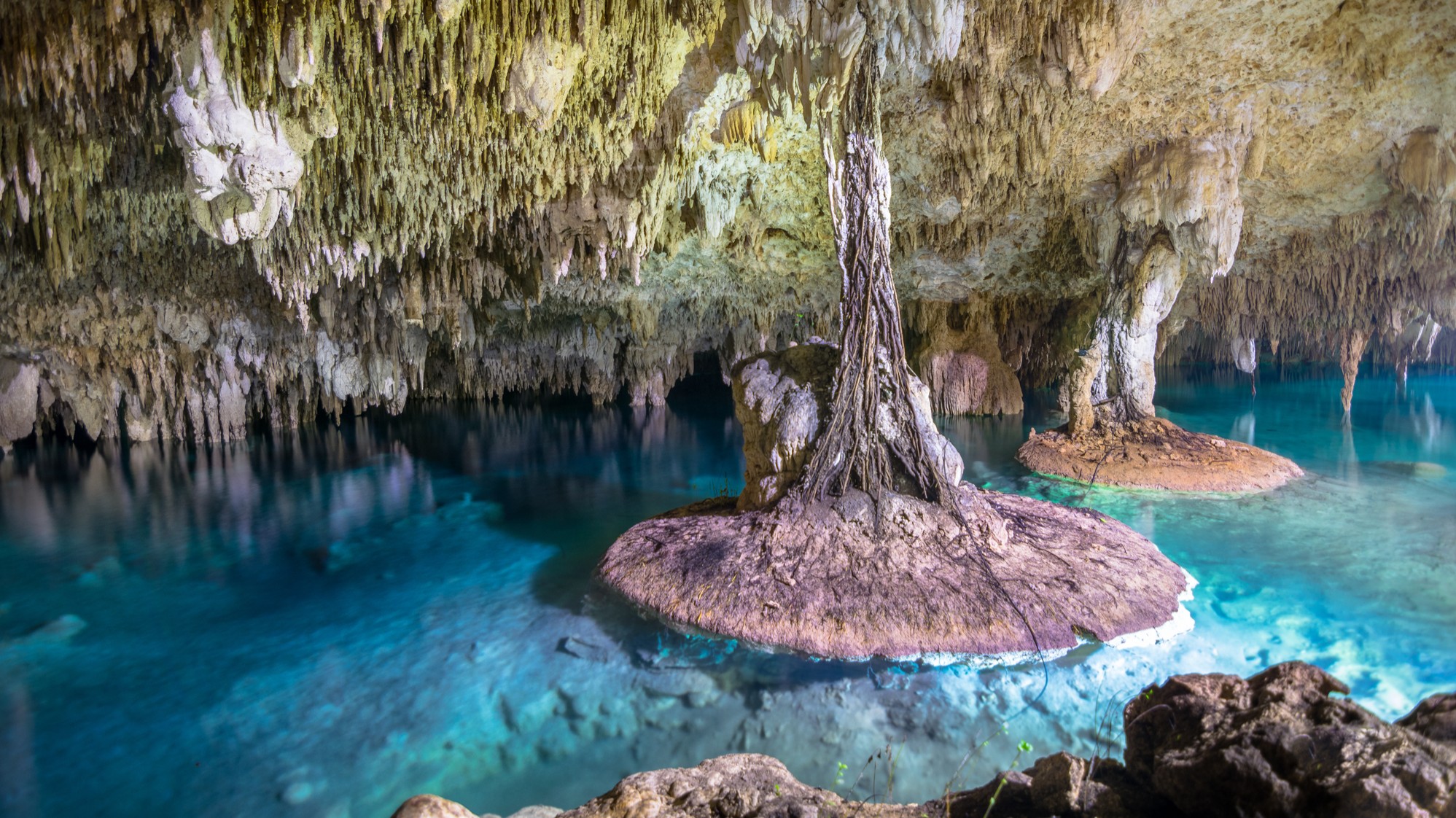
Ox Bel Ha, located within a 48 km radius of Mexico's largest cave system, Sistema Dos Ojos, was discovered in 1996 and stretches for over 260 km.
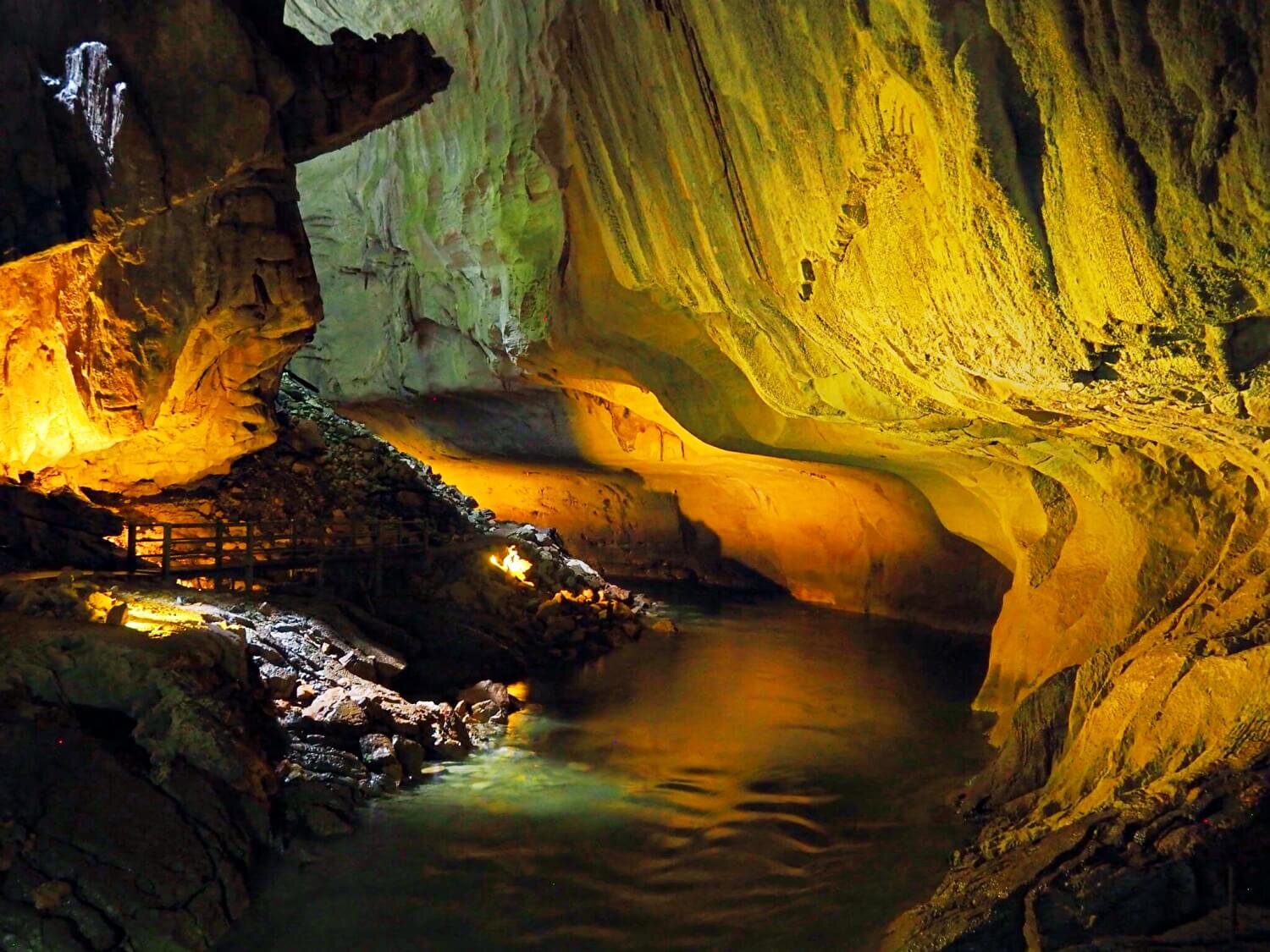
The Mulu cave system on Borneo includes Deer Cave, one of the largest underground tunnels on Earth, while Sarawak Cave is approximately 9.5 million cubic meters in size. Tourists can take guided tours to explore the labyrinthine passages inside the caves.
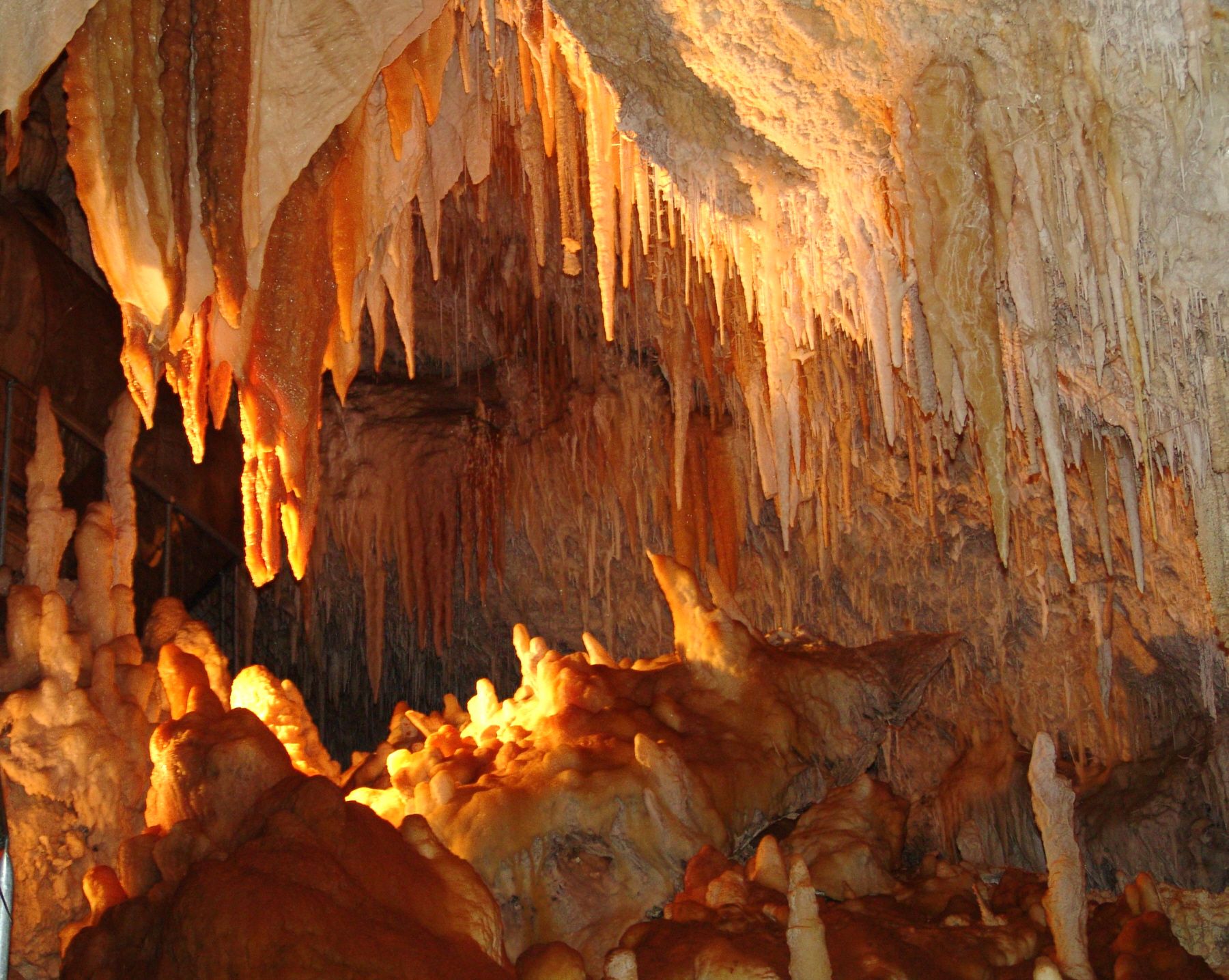
For aesthetically pleasing caves, Jewel Cave in South Dakota , USA, stretching over 322 km, is a must-see. Nestled within the Black Hills National Forest, this gem boasts stunning scenery both below and above ground. Its name, Jewel Cave, comes from the colorful crystals that adorn its interior.
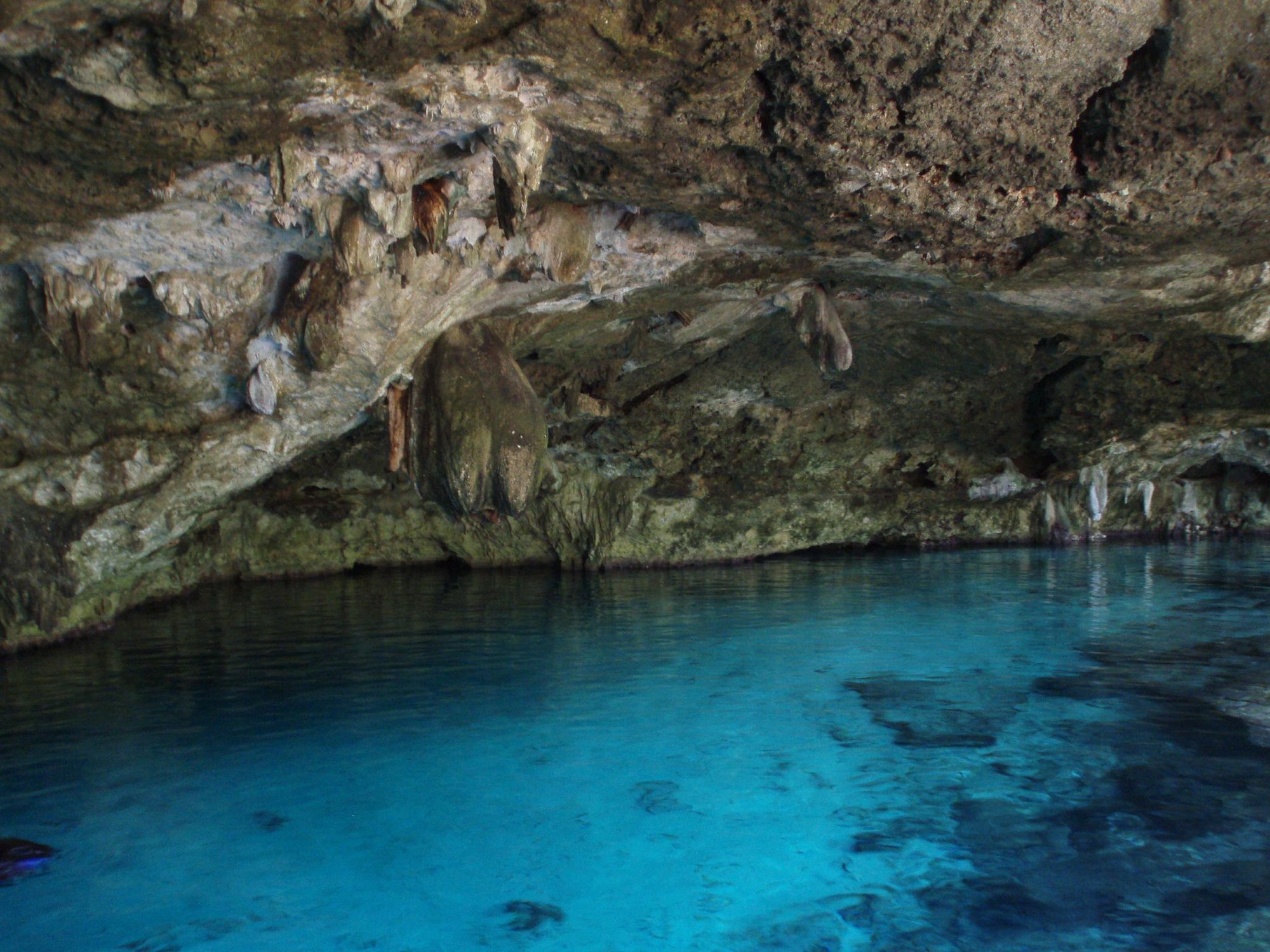
Located in Tulum, Quintana Roo, Mexico, Sistema Dos Ojos was discovered in 1987 and has attracted the attention of explorers ever since. Stretching over 323 km, this limestone cave system is connected to the underwater cave system Sistema Sac Atun. After the canal connecting Sistema Dos Ojos with Sistema Sac Atun was discovered, this cave system became known as the largest surviving underwater cave system.
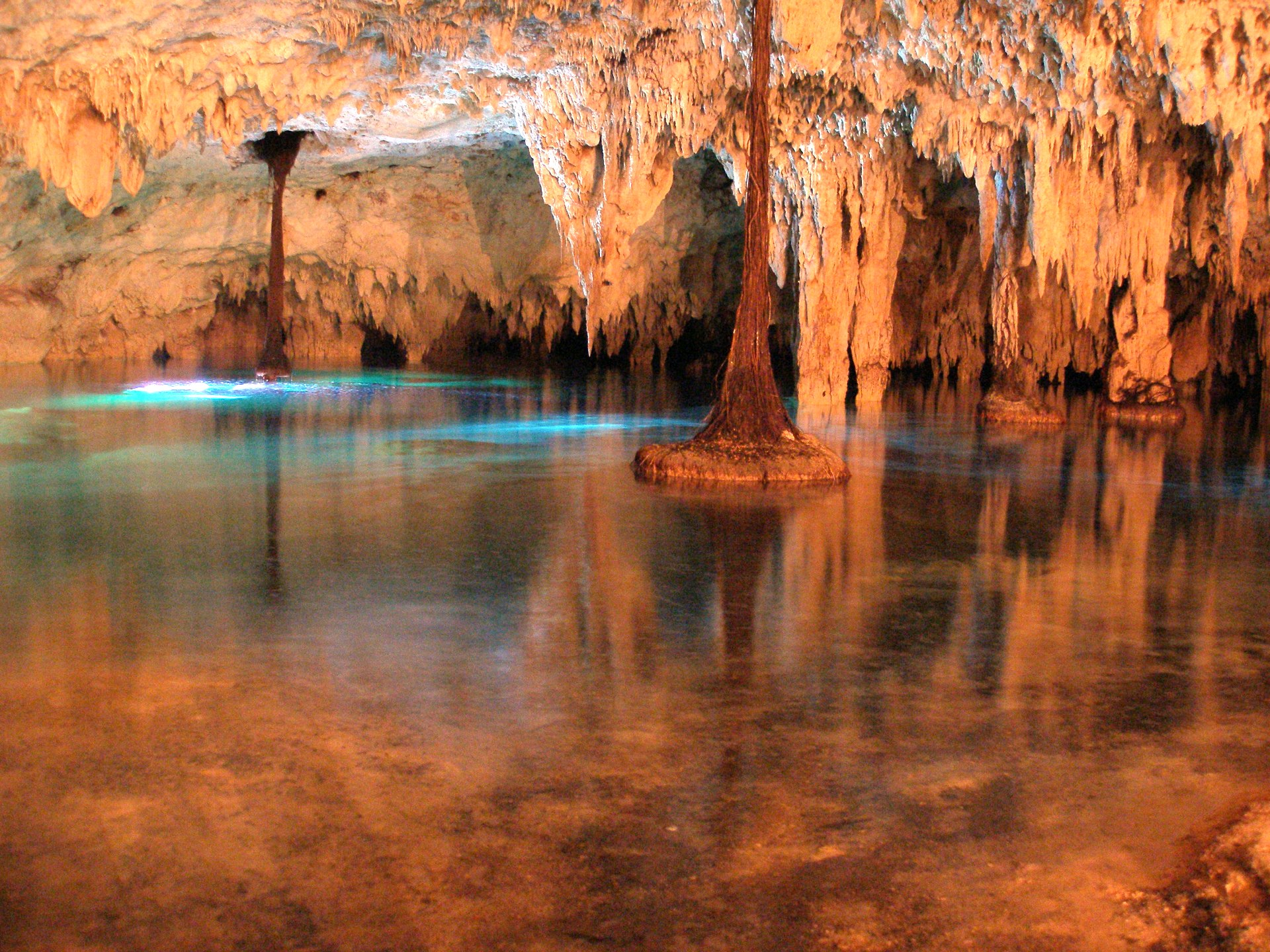
Sac Actun, Mexico, is one of the world's largest underwater cave systems, stretching over 370 kilometers. Sac Actun will not disappoint adventurers with all the beauty and grandeur befitting a cave of this size.
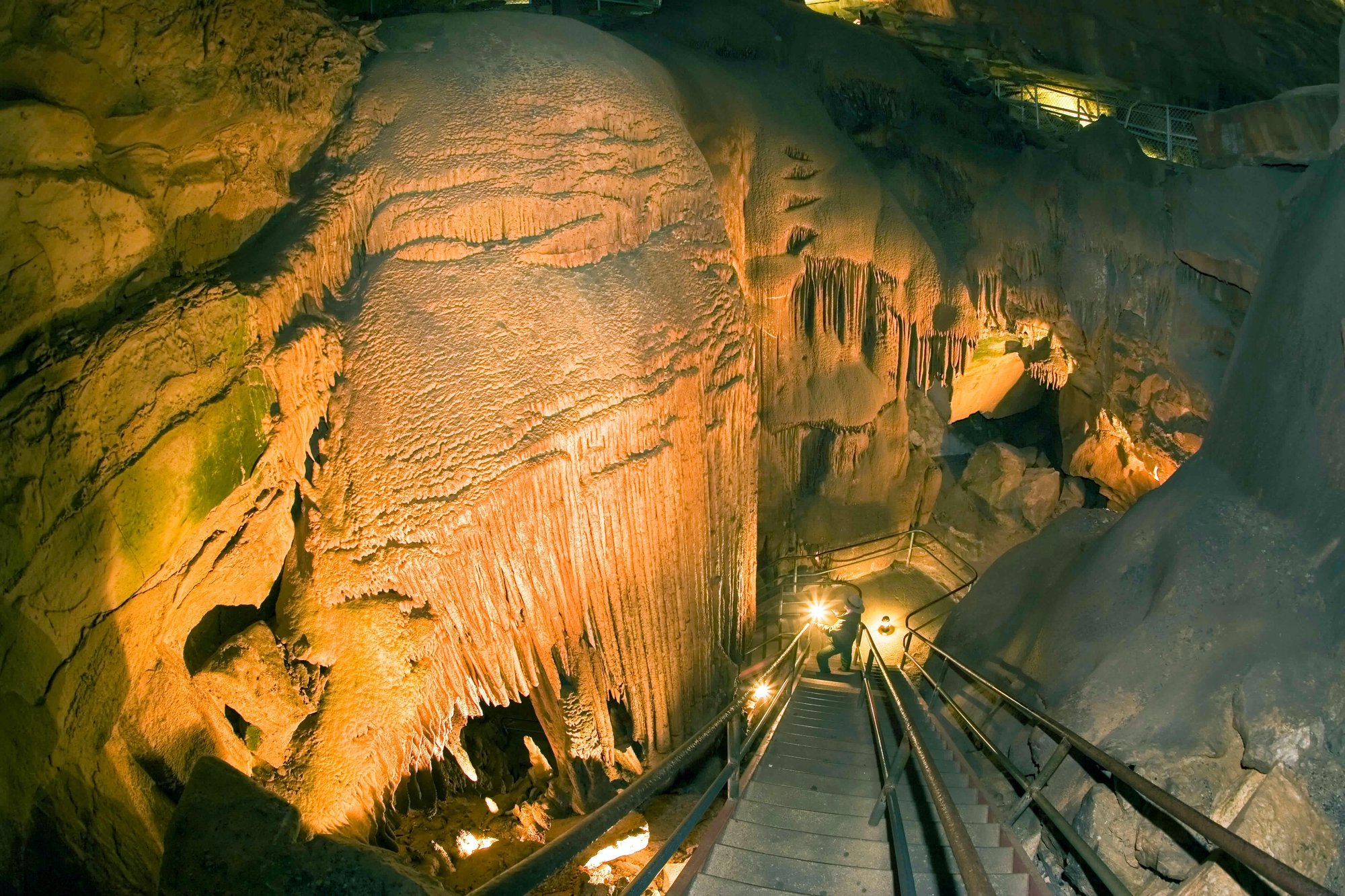
No one knows exactly how far the Mammoth Caves in the United States actually extend, but to date, it is estimated that the underground system stretches at least 676 kilometers. New caves in the network are constantly being discovered, so it's impossible to know the exact length of the system. Humans have been exploring the Mammoth Caves for over 4,000 years, and today it remains a major tourist attraction in Kentucky...
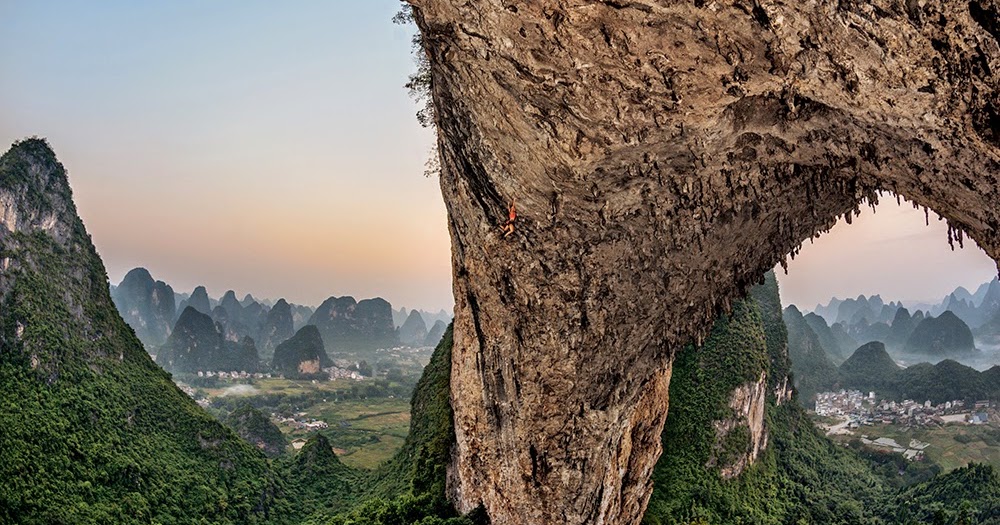
Miao, China, is undoubtedly one of the largest caves in the world. The cave has a volume of 10.7 million cubic meters and is only accessible via its underground flow. These measurements were confirmed during a laser mapping expedition conducted by the National Geographic Society.
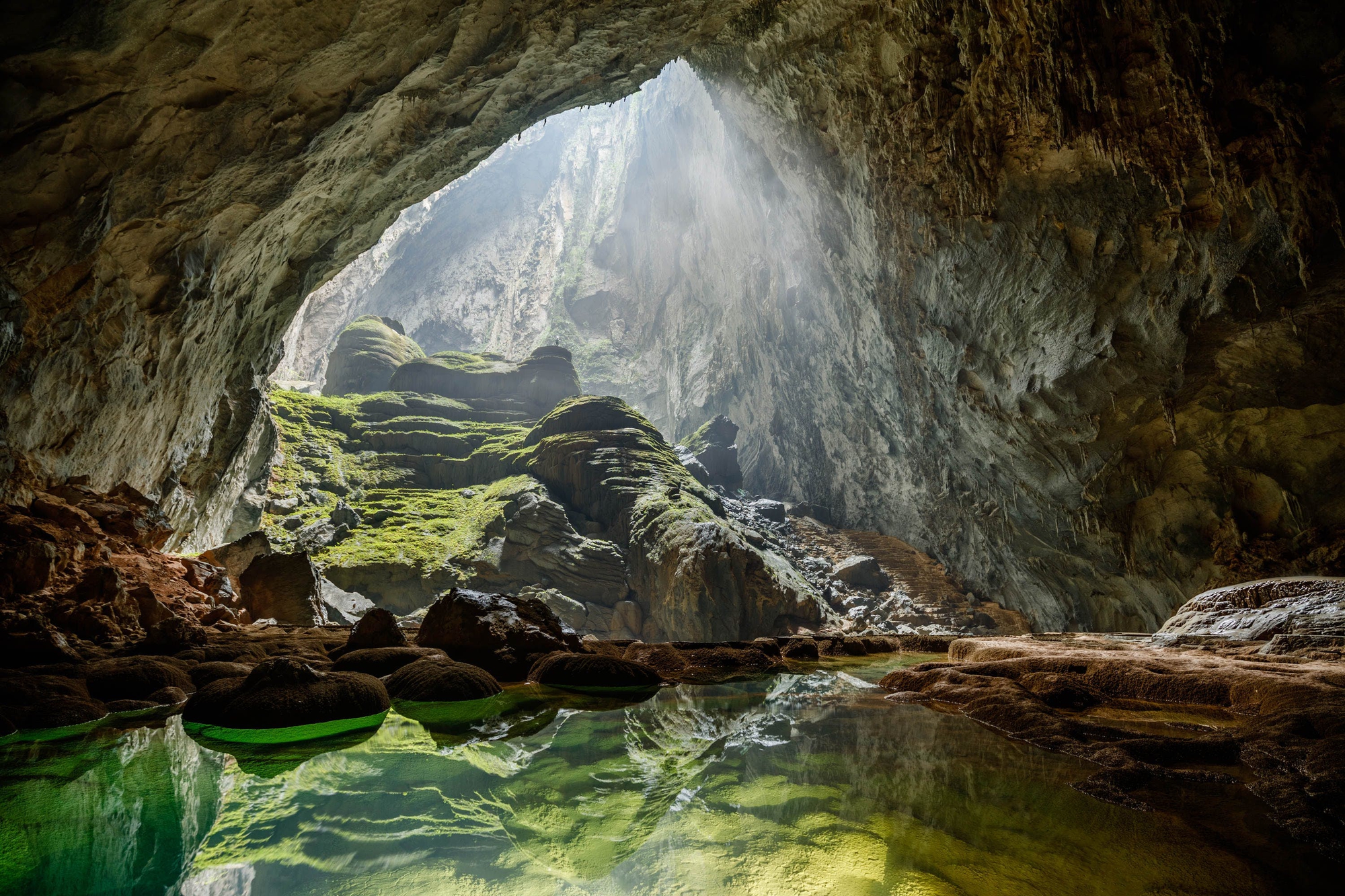
With chambers large enough to house a 40-story skyscraper, Son Doong Cave in Vietnam is the world's largest cave. Discovered in 1991 by a man named Ho Khanh, who lived in the nearby forest, this "monster" surpasses many other largest caves in the world, making it a must-see for any cave enthusiast. Nearly 9 km long, with ceiling heights reaching 200m in some places, and a width of 160m, Son Doong is currently recognized as the world's largest cave in terms of cubic meters, approximately 38.5 million m³.
Source link





















































































Comment (0)