

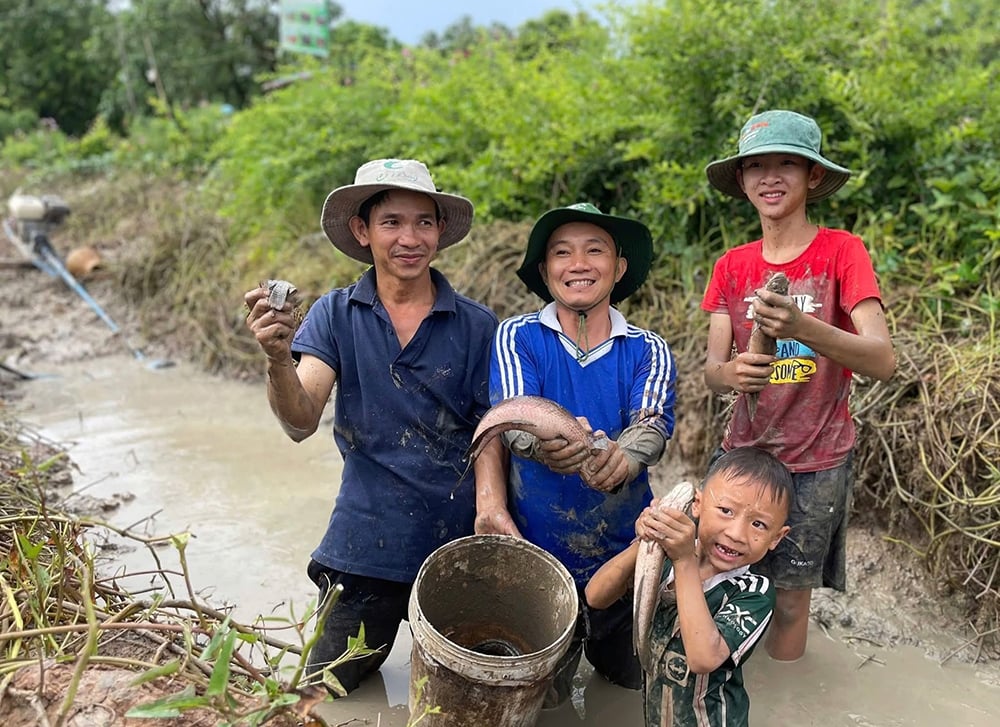
Experience traditional rural activities.
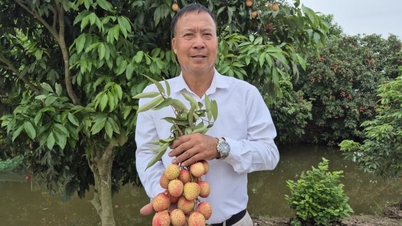
Mr. Truong Giang (a tour guide in Chau Doc City) draws on his experience from various tours to make adjustments for different groups. Some groups of around 10 people have simple requests: cycling around the countryside, admiring fruit orchards, and stopping randomly along the way. Often, along the way, the guests are interested in watching farmers harvest fruit, ducks roaming in the fields, boats on the canals, vegetable gardens, or people making traditional farming tools… Mr. Giang's job is to explain and share information about the life and customs unique to each locality. “I believe that the more authentic and closely connected to local life and culture, the more attractive rural tourism will be to foreign visitors. They seek unique experiences found only in the locality, not mass-produced, man-made tourism products. Therefore, developing and connecting tourism in a systematic way will give rural tourism the opportunity to elevate its status in the future,” Giang shared.
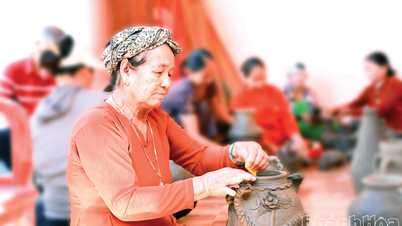
In recent years, many forms of tourism have emerged, such as community tourism, agricultural tourism, ecotourism, tourism combined with agricultural experiences, homestays, etc. On the one hand, this can increase income, and on the other hand, it encourages farmers and traditional producers to preserve their inherent cultural beauty. At certain times, some individuals with great dedication have volunteered to implement these initiatives, but overall, their potential has not been exploited to its full extent. Recently, craft villages, historical sites, temples, establishments, and even households producing OCOP products have begun welcoming visitors, including tourists and groups of artists and writers. Instead of the previous hesitant and secretive attitude towards their craft, traditional establishments and villages have changed their mindset, "opening their doors" to visitors, creating additional channels for promotion to both sell products and spread the image of tradition to a wider audience.
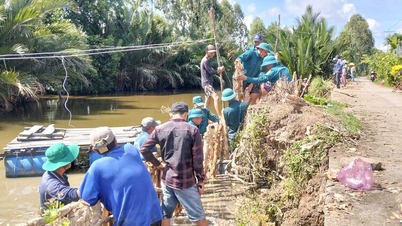
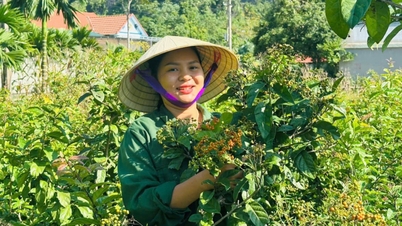
The people of My Hoa Hung commune (Long Xuyen city) have been promoting community-based tourism for many years. Not only foreign tourists, but also Vietnamese visitors enjoy experiencing life as farmers, living in centuries-old stilt houses, cooking daily meals, and cycling around the islet to admire the peaceful rhythm of life. Recently, farmers on Ong Ho islet have developed a safe vegetable production area, combining it with a novel tourism form where visitors can participate in caring for and harvesting vegetables and fruits, breathing fresh air, and immersing themselves in the tranquil nature. Following this successful approach, some restaurants combined with fruit orchards have expanded their investments and renovated their facilities to allow tourists to experience activities like draining canals to catch fish, enjoying traditional country dishes, and "transforming" into farmers in simple traditional clothing and conical hats.
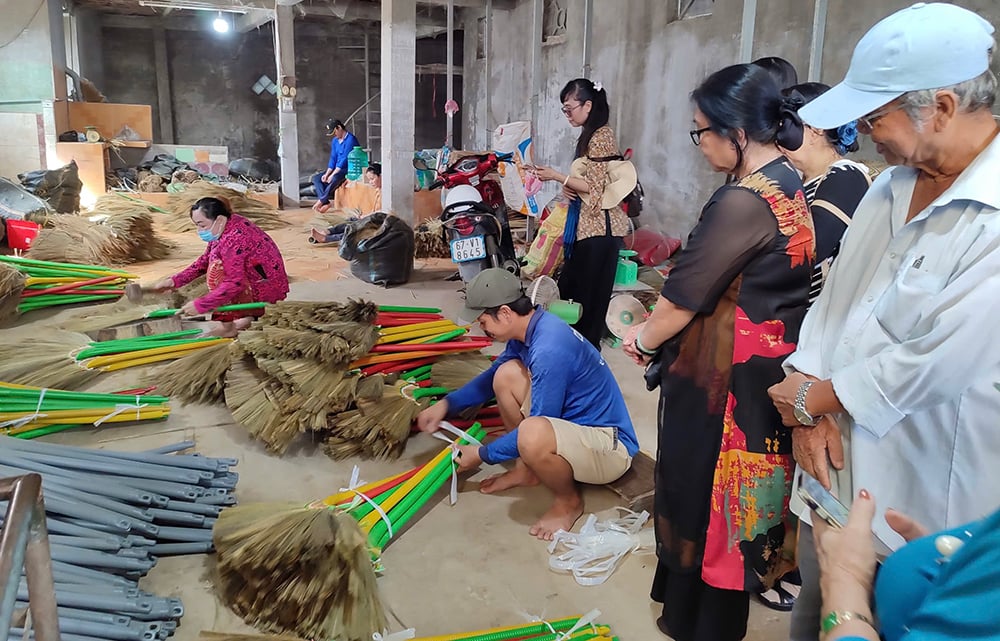
Visit traditional craft villages.
Mr. Nguyen Thanh Duoc (a collaborator with a travel company in Ho Chi Minh City) shared: “For us, the daily work is quite familiar, but for visitors from afar, everything is new and attractive. Like in many places across the country, Western tourists participating in plowing, harvesting rice, riding tractors… can become an interesting tourist trip. Thanks to social media, subsequent groups “imitate” previous groups, proactively ordering content for their desired itineraries. I also hope that An Giang will have many similar tours, which will not stop at just “riding a horse to look at flowers,” but will give visitors more time, with well-designed and structured itineraries to experience the local area, participate in, and directly carry out some stages of production.”
Currently, independent tours are considered "very unique" by locals. The content that tourists enjoy exploring surprises even the locals. Destinations and experiences encompass not only historical sites and grand structures, but also moments of immersion in the lives of farmers. With agricultural land and a love for the simple beauty of their homeland, many people have carefully cultivated their gardens and homes to become ideal tourist destinations. These familiar things, passed down through generations in rural areas, have become attractive to tourists from other provinces, especially foreigners. However, the current approach and development of rural tourism are still quite fragmented and spontaneous, with modest services and a lack of coordination, as acknowledged by those involved. For long-term sustainability and to encourage tourists to stay longer, green tourism and rural tourism need to be prioritized, creating unique impressions and building a distinct "story" for each destination.
Source: https://baoangiang.com.vn/suc-hut-cua-du-lich-nong-thon-a417561.html




































































Comment (0)