

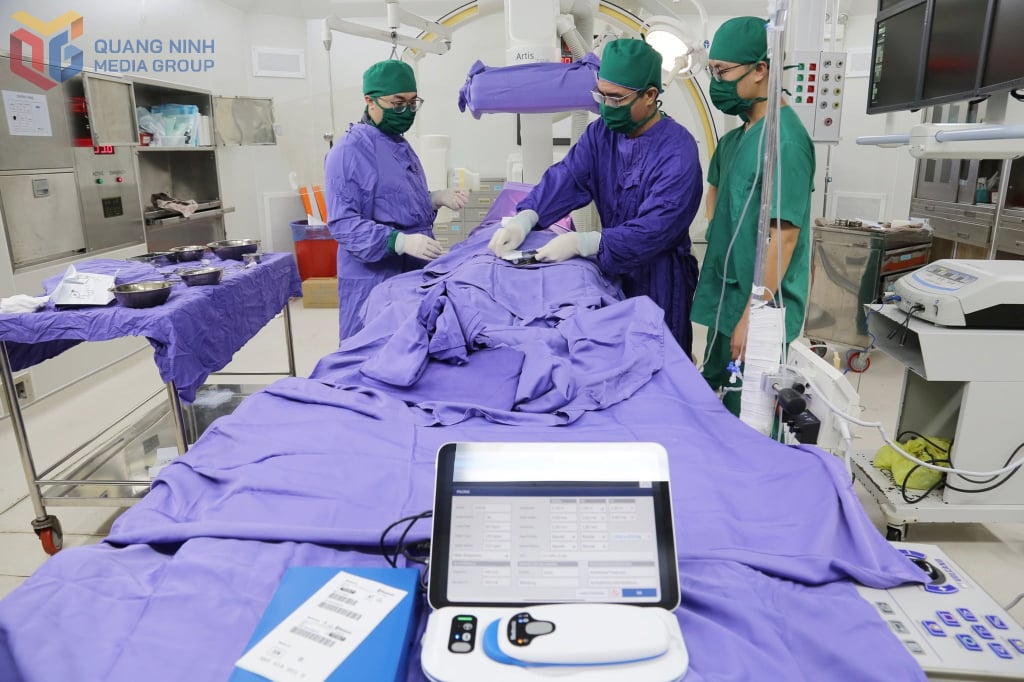
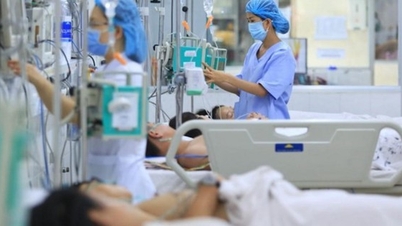
Recently, patient VNA (72 years old, Ha Long ward) was brought to the Provincial General Hospital by his family in a state of fatigue and prolonged chest pain. The patient had a history of dilated cardiomyopathy and chronic heart failure, and had received a CRT implant at a central-level hospital 15 years ago and had been receiving stable treatment for a long time. However, upon examination, doctors discovered that the patient's cardiac device had run out of battery and needed to be replaced to continue effective treatment.
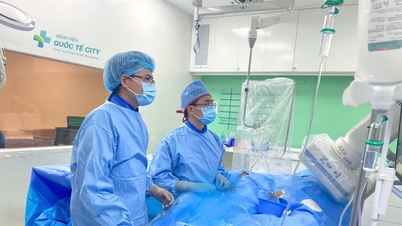
Notably, instead of returning to a central-level hospital as before, the patient and their family decided to go to the Provincial General Hospital for the pacemaker replacement, trusting in the doctors' expertise and the development of the local healthcare system. Doctors from the Department of Cardiovascular Surgery and Intervention, led by Dr. Tran Quang Dinh, Head of the Department, successfully replaced the pacemaker in about 30 minutes. The procedure was smooth, the patient remained fully conscious, the incision was small, there was minimal pain, and recovery was rapid.
Just a few days after the CRT replacement procedure, the patient's symptoms of fatigue and chest pain significantly decreased, and his health gradually stabilized. “I had two previous interventions at Bach Mai Hospital. But now that I see doctors in my province can do it, and it's close to home, I feel reassured staying here for treatment. Everything went quickly and smoothly, and the results were very good. I am very satisfied with the professional skills of the intervention team and the dedicated, professional care of the doctors and nurses at the hospital,” Mr. NVA happily shared.
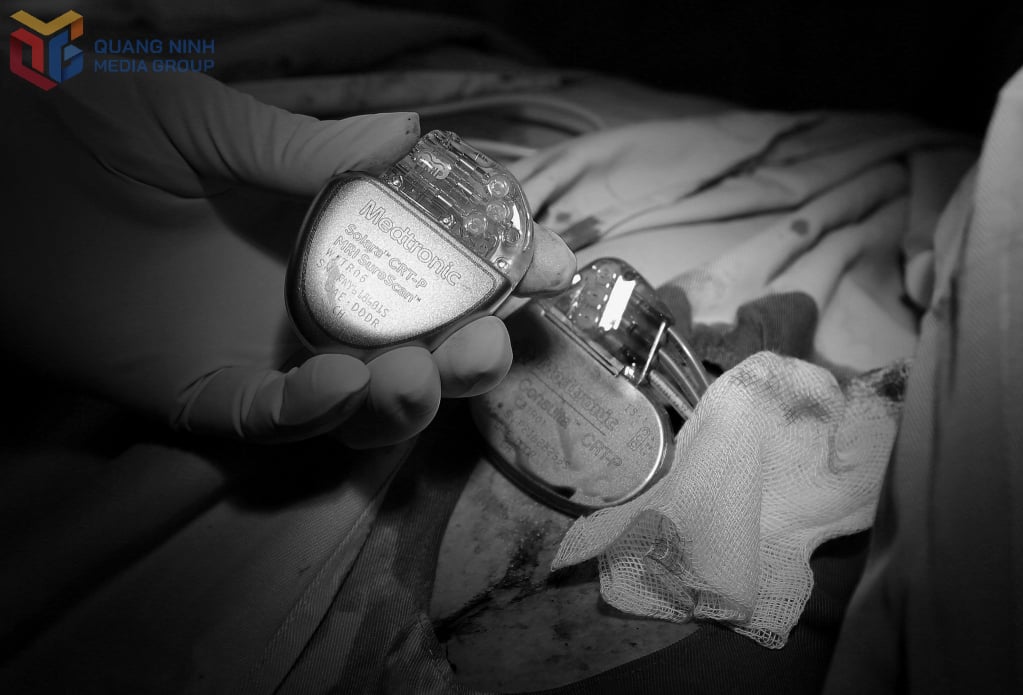
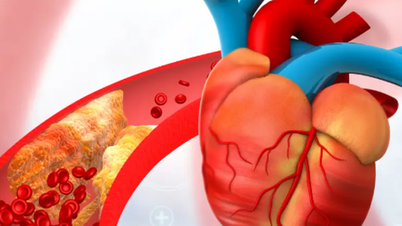
Dilated cardiomyopathy is a condition in which the heart chambers become enlarged, reducing the heart muscle's ability to contract. The disease often progresses silently, and by the time it's detected, patients may already have symptoms of heart failure such as shortness of breath, fatigue, and edema. Furthermore, without proper treatment, patients may face the risk of arrhythmias, fainting, or sudden death. Therefore, early and appropriate treatment is crucial.
In addition to medication to control symptoms, cardiac catheterization (CRT) is a solution highly regarded by many cardiologists both domestically and internationally . This technique uses an implanted device to readjust the electrical activity of the heart, helping the heart chambers contract more synchronously and efficiently, thereby improving heart function, reducing heart failure symptoms, decreasing hospitalization frequency, and extending the lifespan of patients. CRT is particularly effective in heart failure patients with low ejection fraction and intrinsic conduction disorders.
Previously, CRT implantation or replacement procedures often required referral to major hospitals in Hanoi , but now the Provincial General Hospital has mastered this technique, allowing patients to receive treatment locally. According to Dr. Tran Quang Dinh, Head of the Department of Cardiovascular Surgery and Intervention at the Provincial General Hospital, CRT implantation is not an overly complex procedure, but it requires experienced doctors and modern equipment. Replacing the device at the right time is crucial to ensuring continuous and effective treatment. Currently, the hospital is fully capable of performing both new device implantation and CRT replacement safely and effectively, just like major cardiovascular centers.
Along with CRT implantation, the Provincial General Hospital also implements many other advanced cardiovascular techniques such as open-heart surgery, coronary intervention, stent placement, and radiofrequency ablation for arrhythmia treatment… This not only helps reduce the burden on higher-level hospitals but also affirms the increasingly high professional capacity of the doctors here.
Source: https://baoquangninh.vn/suy-tim-nang-duoc-cuu-song-nho-may-crt-3364915.html




























![[Photo] Reception to welcome General Secretary and President To Lam and his wife on their State visit to the Philippines](https://vphoto.vietnam.vn/thumb/1200x675/vietnam/resource/IMAGE/2026/06/01/1780295488620_vna-potal-chieu-dai-chao-mung-tong-bi-thu-chu-tich-nuoc-to-lam-va-phu-nhan-tham-cap-nha-nuoc-toi-philippines-8798060-7855-jpg.webp)































































Comment (0)