


Amidst the hustle and bustle of the past year, the world of tourism is undergoing a quiet but noticeable transformation. Cities that shine brightly all night, beaches crowded with tourists, and "hot spots" that were once shared millions of times on social media... seem to have lost some of their appeal from a decade ago.
The numbers tell a story.
People now seek out places where the wind is heard more than the sound of people, where mountains and forests are seen more than skyscrapers, and where they can feel their own breath more clearly in the stillness. This shift is not a vague premonition, but has been confirmed by the world's largest tourism organizations. Therefore, the Lunar New Year of the Horse 2026 carries a thought-provoking story: humanity is returning to nature as a form of healing.
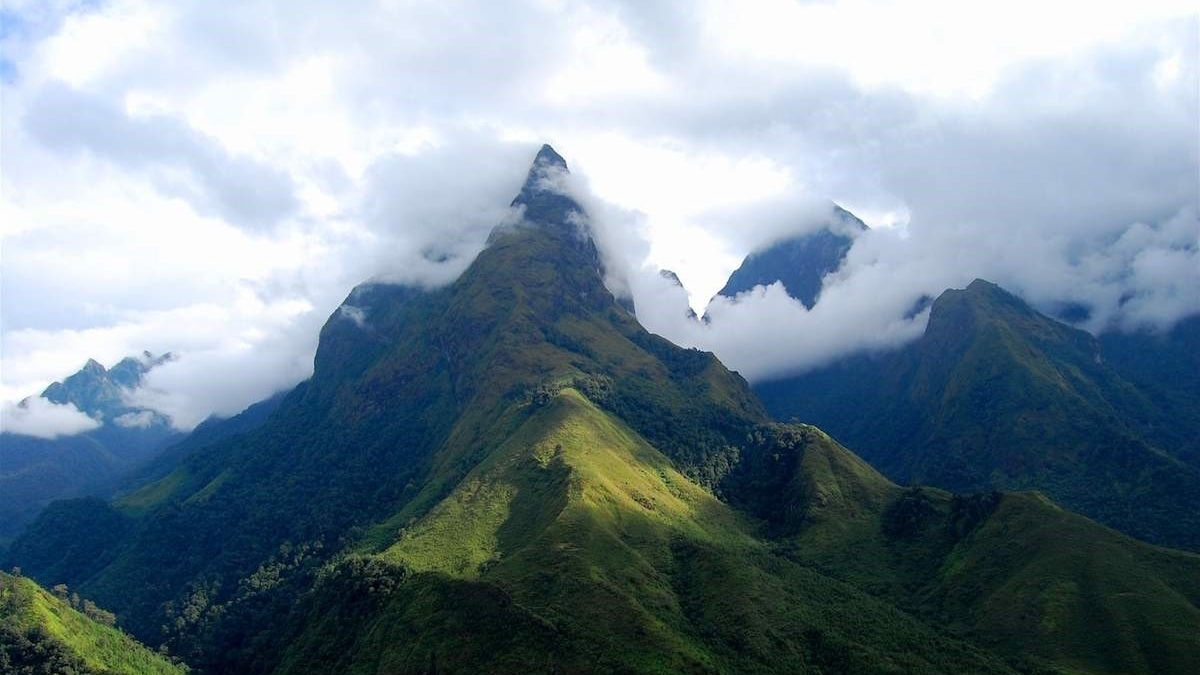
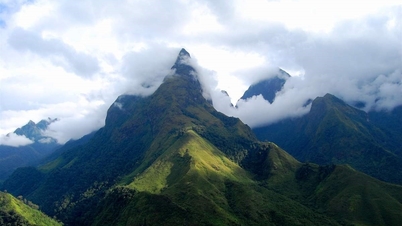
In its latest global trends report, Skyscanner noted a rare phenomenon: Global hotel bookings with "mountain views" increased by 103% year-on-year. When asked why they chose mountains, 62% cited the tranquility, 60% the fresh air, and 57% were attracted by the pristine, secluded beauty of the place.
At the same time, across the ocean, the AllTrails platform observed a sharp increase in the number of people seeking out trails from the summer of 2025, a trend that is expected to continue into 2026. Trails like Rob Roy in New Zealand, Palm Jungle Loop in Australia, and Laguna Cinco Hermanos are all experiencing a surge in explorers . Humans seem to be rediscovering a more primal connection with nature.
Expedia and Vrbo present a different, equally captivating story: the surge in demand for rare natural phenomena, things that cannot be "recreated" by technology. Firefly season in the Great Smoky Mountains, bioluminescent organisms in Tasmania, or the Icelandic aurora borealis during peak season. Travelers want to touch the absolute beauty of nature, a beauty that commands silence in its presence. Instead of chasing luxury, wealthy travelers seek deeper experiences, journeys that connect with heritage, with nature, and with themselves.

When "hot spots" become too noisy.
In an information-saturated world, the younger generation, especially Gen Z, is writing a new chapter for travel. Numerous international studies show that 68% of global Gen Z prefer destinations that haven't been widely shared on social media. They don't seek fame, but authentic value. A survey by Intrepid in the US revealed that 70% of those aged 18-35 prefer less popular destinations, away from the crowds, and focused on authentic experiences. They believe that such trips allow them to feel truly alive, not just "traveling for the sake of seeing."
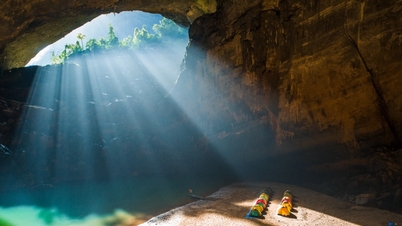
In reports, young people also mentioned another reason, seemingly simple but an underlying global trend: fatigue. Fatigue from noise, pressure, hectic work, and the increasingly fast-paced lifestyle. Entering 2026, they are choosing destinations where they can hear rain falling on the roof, the rustling of golden leaves, and watch the sunlight stream through the valley without being disturbed.
The world is witnessing the rise of purposeful travel, a kind of travel not measured by the number of destinations, but by emotional depth. Skyscanner predicts that 2026 will be the year when travelers “discard conventional norms,” choosing journeys based on personal feelings rather than flashy trends. They may even want to slow down, disconnect from social media for a few days, hike in the forest early in the morning, or simply sit and read a book on the porch of a thatched cottage in the mountains.
An interesting international report shows that 25% of tourists will seek quiet hobbies during their holidays, such as insect observation, birdwatching, or lake fishing. 73% want to connect deeply with their surroundings through experiences like farming, hiking, or living with local communities. This pace of life accurately reflects the mindset of a world learning to rebalance itself.
Vietnam in the global flow
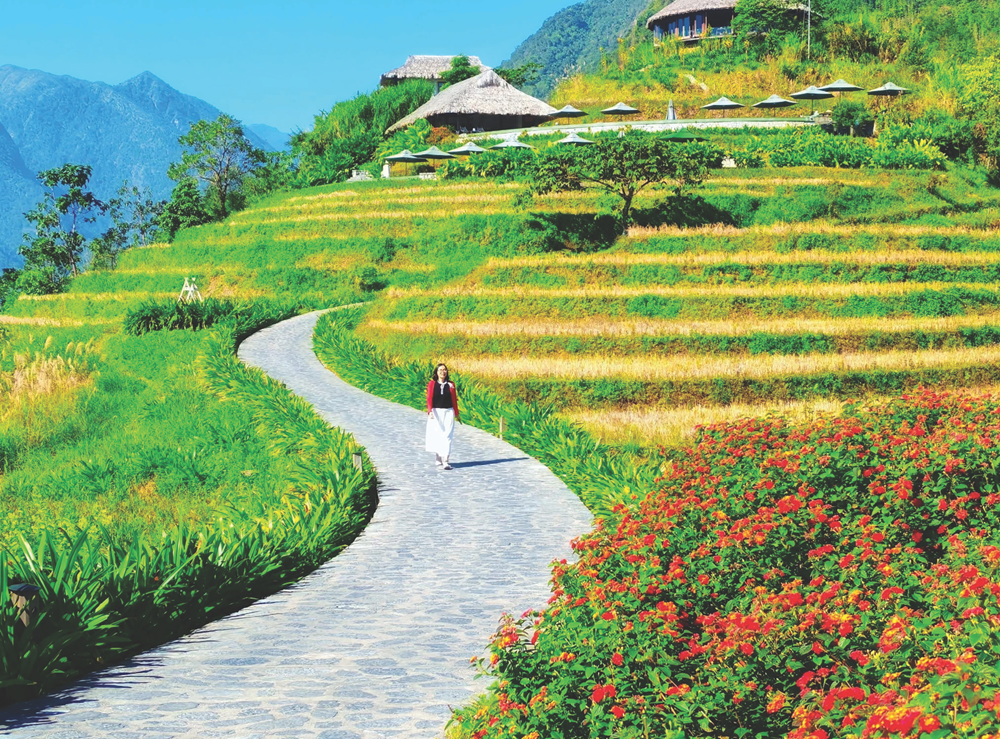
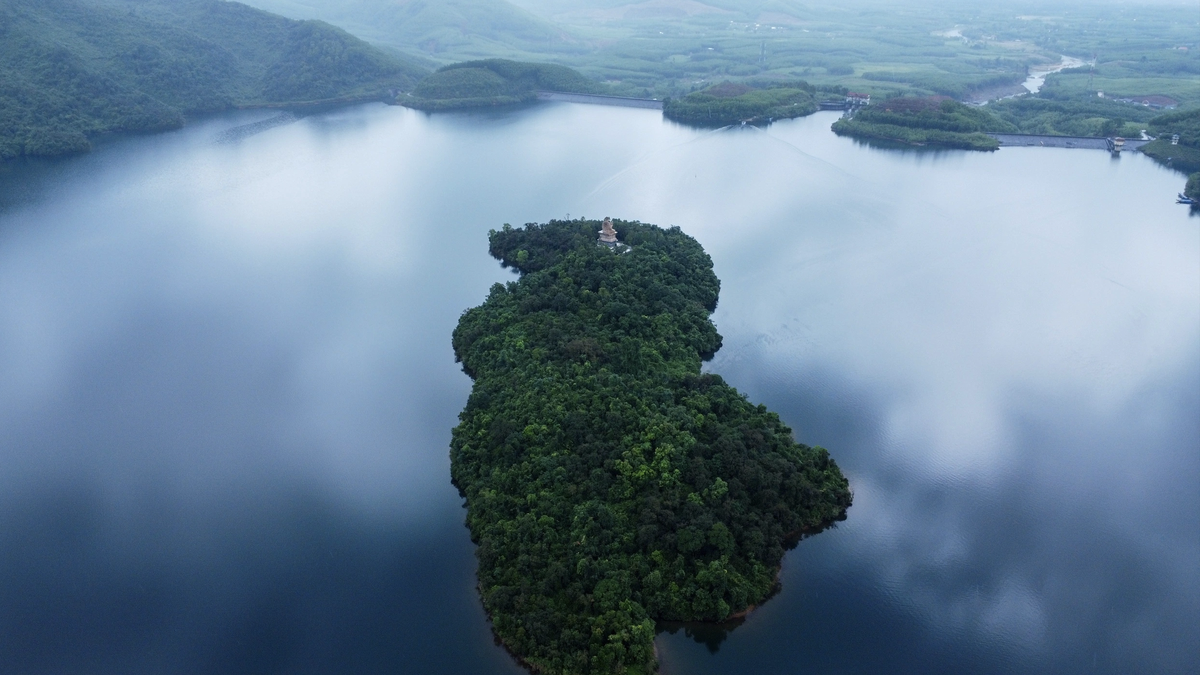
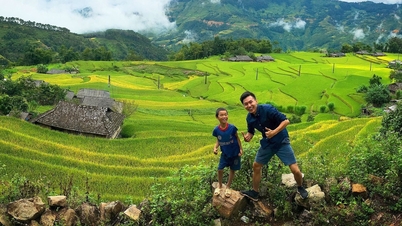
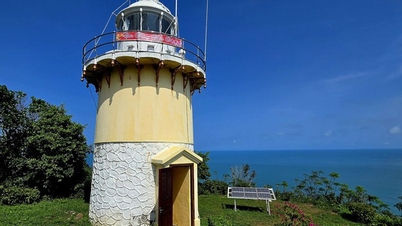
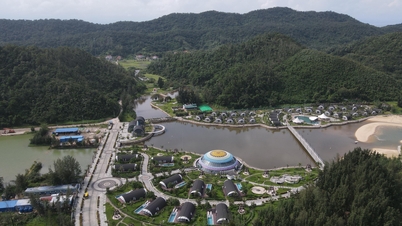
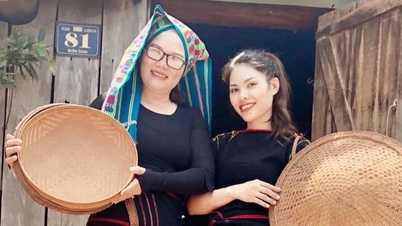
In humanity's trend of "seeking unspoiled destinations," Vietnam naturally emerges. Not because of ostentation, but because the country inherently possesses regions that retain their original spirit: the terraced rice fields of Hoang Su Phi, the tranquil villages of Pu Luong, the green valleys of Mang Den, the mirror-like lakes of Ta Dung, or the small islands in the South Central region that have not been overly commercialized by tourism.
In 2026, as the world seeks nature and tranquility, Vietnam has a great opportunity to position itself as a destination for healing and profound experiences. But to seize this opportunity, what Vietnam needs to preserve most is what inherently belongs to it: its authenticity, its simplicity, and the natural essence of each region. As we approach the Lunar New Year of the Horse 2026, when families gather and discuss where to go in the new year, the trend of seeking out secluded places will become even more widespread. It will no longer be a fleeting choice, but a way for modern people to protect their mental health.
The world is drawing back to listen. And the mountain trails, the deserted beaches, the small villages… are opening up a new invitation: to live more slowly, gently, and peacefully. Not to escape the world, but to return to oneself.
Source: https://baovanhoa.vn/du-lich/ta-dai-ta-tim-noi-vang-ve-205347.html
![[Photo] General Secretary To Lam attends the opening session of the Peace Council on Gaza.](https://vphoto.vietnam.vn/thumb/1200x675/vietnam/resource/IMAGE/2026/02/19/1771516865192_tbttolam5-jpg.webp)


































































Comment (0)