


Besides certain medical conditions, headaches can sometimes be caused by allergies, stress, excessive alcohol consumption, or frequent consumption of sugary foods.
Headaches are a very common condition, often occurring in the head and face. The pain can be on one or both sides of the head, at a specific location, or radiating outwards. Below are some common causes.
Allergy
Food allergies and environmental allergens (dust, pet dander, pollen, etc.) often cause runny nose, sneezing, itching or watery eyes, and headaches. According to the American College of Allergy, Asthma & Immunology, allergies cause swelling in the sinuses due to blocked sinus openings and increased pressure, leading to sinus headaches.
Dehydration
Dehydration caused by exposure to high temperatures or dry, cold air can lead to headaches. Dehydration causes the brain to shrink, putting pressure on the nerves. Headaches due to dehydration often develop along with dizziness, excessive thirst, and dry mouth. The pain is localized or widespread, usually dull but sometimes sharp.
Headaches usually subside with adequate hydration, rest, and pain medication. However, if there are signs of severe dehydration such as confusion, fatigue, and muscle weakness, the patient should seek medical attention.
Drug abuse
People who overuse medication to treat headaches may experience rebound headaches (headaches that recur). These headaches can develop if painkillers are used for more than 10-15 days a month, depending on the type of medication.
Stress
Stress causes the body to release chemicals in the brain that affect blood vessels inside the head, a condition known as tension headaches. According to the American Migraine Foundation, tension headaches can last up to 30 minutes and occur for up to a week. Deep breathing exercises or meditation may be helpful.
Having Covid-19, a cold, or the flu
Headaches are a common symptom of Covid-19, colds, and the flu due to the body's inflammatory response to the virus. Pain caused by intense pressure in the head, worsened by coughing or sneezing, may be due to Covid-19. Vaccination reduces the risk of contracting Covid-19 and the flu. To prevent colds, wash your hands frequently, stay warm, and avoid contact with sick people.

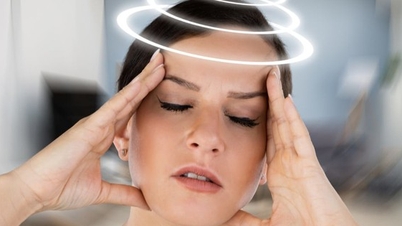
Headaches can be dull or intense, like a "hammering" pain. Photo: Freepik
Sleeping too much or too little
According to the American Migraine Foundation, both insufficient and excessive sleep can trigger headaches. This is because poor sleep habits cause changes in the brain.
Sleep apnea is a common sleep disorder. Reduced oxygen flow to the brain leads to headaches upon waking. People with sleep apnea are at increased risk of cardiovascular disease and stroke.
Chatter
If you wake up with a dull headache accompanied by jaw pain, the headache may be caused by teeth grinding while sleeping. Poor sleep and stress can also cause teeth grinding. Using a mouthguard can help protect your teeth and prevent headaches.
Caffeine
Consuming certain caffeinated beverages like tea, coffee, and soft drinks can also be a cause. Gradually reduce your caffeine intake to alleviate headaches; do not cut it out abruptly if you are used to drinking it daily, as this may worsen symptoms.
Smoke
Smoking and inhaling secondhand smoke cause many people to experience headaches and migraines. This is because nicotine in tobacco products is an addictive substance that causes these conditions.
According to the National Headache Institute, nicotine in cigarettes constricts blood vessels in the brain, reducing blood flow to the brain and surrounding tissues. Nicotine stimulates nerves that transmit pain signals.
Drinking alcohol
Drinking too much alcohol can lead to hangovers and headaches due to dehydration. Because alcohol has a diuretic effect, it causes drinkers to urinate frequently, leading to dehydration. Drinking plenty of water or non-alcoholic beverages helps maintain hydration and regulate alcohol intake.
Eating too many sweets
Allergies to artificial sweeteners in sugary foods can also cause headaches. Consuming too much sugar or refined carbohydrates can cause reactive hypoglycemia, leading to headaches, tremors, sweating, and nausea. This is because the body produces too much insulin in response to the high sugar intake, causing blood sugar to drop. Reactive hypoglycemia typically occurs about 2-4 hours after eating.
Cutting back on sugar and refined carbohydrates, and replacing them with foods containing slower-digesting carbohydrates, can help prevent this condition.
Mai Cat (According to Everyday Health )
| Readers can post questions about neurological diseases here for doctors to answer. |
Source link











































































































Comment (0)