

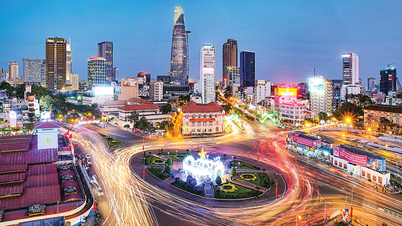
In recent years, Vietnam has been recognized as a bright spot in the global landscape of national brand building and development. However, for national brands to expand sustainably, many long-term solutions are still needed.
Rapid brand growth rate
Prime Minister Pham Minh Chinh once affirmed that building a national brand is a task of special importance, both urgent and strategic, with a broad scope and many tasks to be done, and with significant impact and influence. In Decision No. 1320/QD-TTg approving the Vietnam National Brand Program from 2020 to 2030, the Government set a target for Vietnam to strive to have over 1,000 products achieving national brand status by 2030, contributing to affirming Vietnam as a country with high-quality goods and services and high competitiveness in the international market.
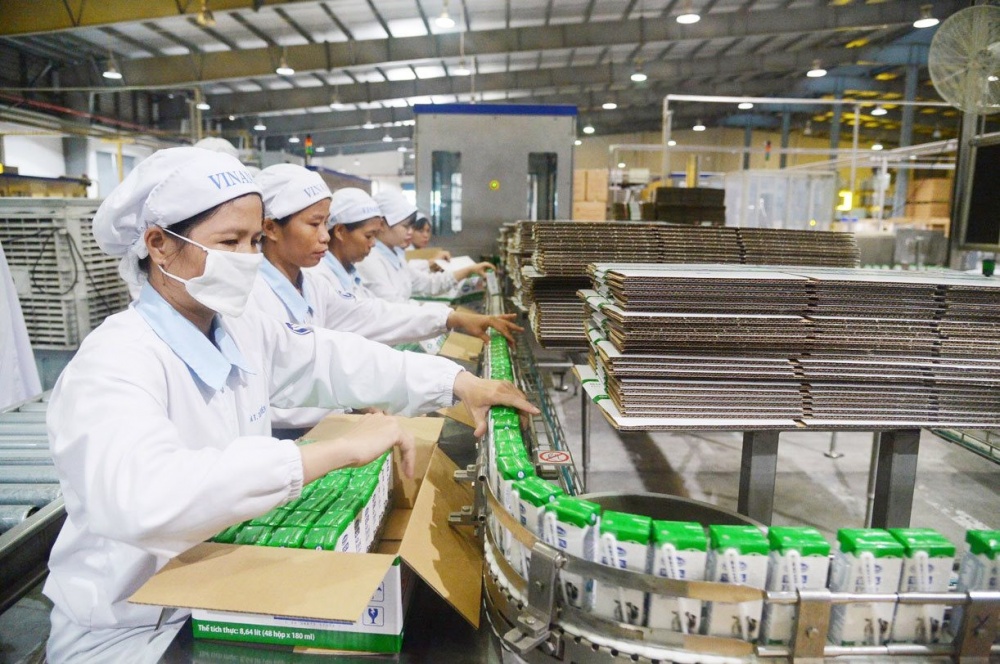 |
| Many strong, high-value corporate brands will enhance their brand image. Vietnam |
The goal is gradually becoming a reality as, in recent years, Vietnam has consistently been recognized as a bright spot in the global landscape of national brand building and development. According to Brand Finance, despite the negative impacts of the Covid-19 pandemic and political conflicts worldwide, Vietnam's national brand has the fastest growth rate in value globally, increasing by 74% between 2019 and 2022. In the organization's ranking of the Top 121 Strongest National Brands in the World, Vietnam's national brand was ranked 33rd out of 121 in 2023.
To build a strong national brand, it is essential to have large, well-established brands. For example, Viettel is the only Vietnamese company to be included in the "Global 500 Top 500 Most Valuable Brands in the World 2023," ranking 234th. Furthermore, Viettel continues to maintain its position as the number one telecommunications brand in Southeast Asia and is among the top three most valuable brands in the region. Similarly, Vinamilk continues to maintain its ranking at 6th in the top 10 most valuable dairy brands globally and is among the top two strongest global brands in the dairy industry; Vietcombank (Vietnam Foreign Trade Commercial Bank) saw its brand value increase dramatically by 43%, reaching US$1.9 billion… In terms of product categories, Vietnam has affirmed its national brand in the international market, with pepper ranking 1st; rice, coffee, and cassava ranking 2nd; and seafood ranking 5th…
Building brands from the business and local level.
However, despite these positive signs, building a national brand for Vietnam still requires much work. According to experts, due to the challenging economic situation and limited resources of businesses; some businesses have not fully grasped the mission of building a national brand and therefore have not invested adequately; and the promotion and marketing of the image through mass media has not been implemented consistently by businesses, with few high-value brand logos appearing.
Mr. Thai Nhu Hiep, Chairman of the Board of Members of Vinh Hiep Co., Ltd., acknowledged that, not to mention national brands, building and positioning a brand for a company's own products in the international market is already a difficult task, especially in a context where the market sets many strict standards and competition is increasingly fierce. To build a product brand in the international market, businesses must understand consumer culture, invest in production technology, and develop raw material sources. Meanwhile, most businesses are facing difficulties with capital, qualified human resources, and market knowledge.
One expert observed that a national brand's improved ranking doesn't guarantee its continued success. Therefore, more solutions are needed to further strengthen the national brand in the future. These include enhancing the capacity of businesses to build, develop, and manage brands, particularly to meet the criteria of the Vietnamese national brand; and developing programs, projects, and plans for brand building and development from the central to local levels, aligning with global trends to build national and regional/local brands.
Economist Vu Vinh Phu believes that effectively registering trademarks abroad, researching and granting geographical indications, and promoting processing and deep processing to create added value will contribute to gradually building a sustainable national brand.
Minister of Industry and Trade Nguyen Hong Dien recommended that, in the context of Vietnam's deep integration into the international arena, many developed markets have paid more attention to promoting trade development associated with green and sustainable development. To avoid being left out of the game, building a "Green Vietnam National Brand" is crucial and necessary. If built well, it will be an opportunity to effectively utilize free trade agreements and meet the requirements of demanding markets such as the US, Japan, and Europe. To achieve this, businesses need thorough preparation and the integration of innovative applications, following new technologies, green technologies, and environmentally friendly approaches from raw materials to machinery and equipment, to products and business processes.
Source link


![[Photo] Prime Minister Pham Minh Chinh presides over the conference announcing the establishment of the International Finance Centre in Vietnam.](/_next/image?url=https%3A%2F%2Fvphoto.vietnam.vn%2Fthumb%2F1200x675%2Fvietnam%2Fresource%2FIMAGE%2F2025%2F12%2F21%2F1766309817714_ndo_br_dsc-3400-jpg.webp&w=3840&q=75)
![[Photo] Prime Minister Pham Minh Chinh presides over a meeting on private sector economic development.](/_next/image?url=https%3A%2F%2Fvphoto.vietnam.vn%2Fthumb%2F1200x675%2Fvietnam%2Fresource%2FIMAGE%2F2025%2F12%2F20%2F1766237501876_thiet-ke-chua-co-ten-40-png.webp&w=3840&q=75)













































































Comment (0)