

Decree 20 creates a relatively complete and unified legal framework to guide and organize the implementation of universal preschool education for 5-year-old children, universal primary and lower secondary education, and literacy programs.
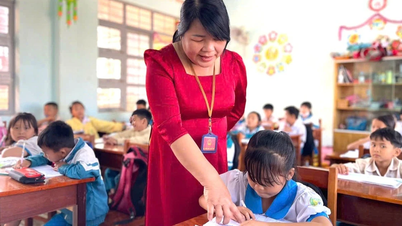
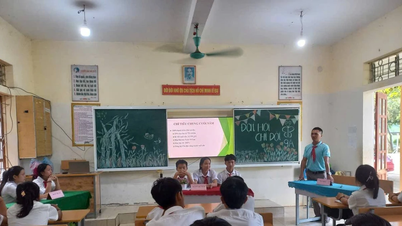
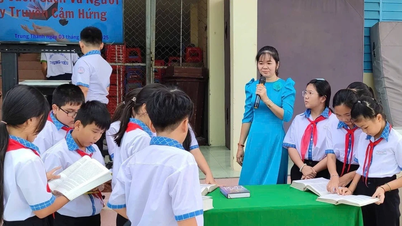
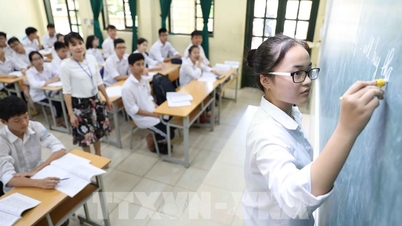
Over the past 10 years of implementation, the work of universalizing education and eradicating illiteracy has achieved significant results. The network of schools and classrooms continues to expand; infrastructure is gradually being strengthened. The enrollment rate of children of school age and the completion rate of preschool, primary, and lower secondary education programs remain high. Many localities have maintained and improved the quality of universal education and illiteracy eradication standards, contributing to ensuring children's right to education as stipulated in the Constitution and current laws.
However, Decree 20 has not fully clarified the content, implementation mechanisms, and legal responsibilities of the entities involved in compulsory education as stipulated in the Education Law. Current regulations still tend to focus on recognizing the results of universal education and literacy eradication, failing to create a sufficiently strong binding mechanism to ensure that all children of compulsory age actually receive education and complete the minimum required level of education.
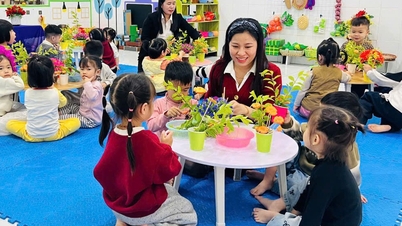
Furthermore, the conditions for ensuring compulsory education are not consistent, especially for vulnerable groups. Although many support policies have been implemented, they mainly focus on primary and secondary school students. In reality, there is a need for additional policies for preschool children aged 5 to 6 to ensure the comprehensive and sustainable implementation of universal education, compulsory education, and literacy programs.
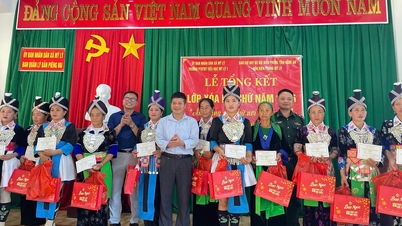
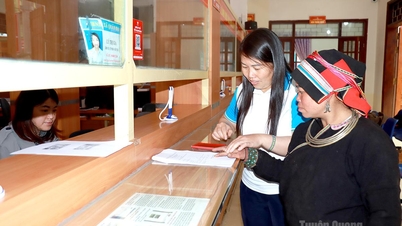
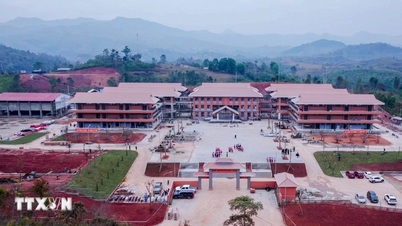
Socioeconomic disparities between regions continue to significantly impact the quality and sustainability of universal education and literacy programs. In large urban areas, pressure on school size, land availability, and student numbers remains high; while in remote areas, mountainous regions, and ethnic minority areas, infrastructure, teaching staff, and children's access to education remain challenging, directly affecting the maintenance and improvement of compulsory education quality.
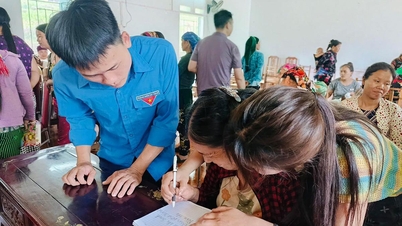
The management, monitoring, and updating of data on target groups for universal education, compulsory education, and literacy programs in some localities are still limited. Coordination between families, schools, local authorities, and social organizations in mobilizing and maintaining student enrollment is not yet truly close and effective, especially for children at risk of dropping out or not attending school.
The 2019 Education Law and the Law amending and supplementing a number of articles of the Education Law clearly stipulate that primary education and lower secondary education are compulsory; the State implements universal preschool education for children aged 3 to 6 years old.
The Politburo 's new resolutions, conclusions, and directives require the implementation of 9 years of compulsory education and set the goal of completing compulsory education up to the end of lower secondary school by 2030. Therefore, Decree 20 no longer fully meets practical requirements, necessitating the development of a new decree to replace it.
The draft Decree on universal preschool education for 5-6 year olds, compulsory education, and literacy eradication, published by the Ministry of Education and Training, has fully and uniformly concretized the provisions of the Law on universal preschool education, compulsory education, and literacy eradication. This creates a comprehensive legal framework for effectively implementing the Party's policy on raising the intellectual level of the population, developing human resources, and ensuring the right to education for all citizens.
Source: https://giaoducthoidai.vn/tao-hanh-lang-phap-ly-dong-bo-post770727.html












































































Comment (0)