During the two wars of resistance against French colonialism and American imperialism, under the leadership of the Party, the workers of Rossi Plantation, along with workers of other plantations in Dak Lak, bravely fought against the brutal oppression and exploitation of colonial capitalism, winning independence and seizing power.
Here, the revolutionary forces established connections and met with ethnic minority workers who had revolutionary awareness to build a revolutionary base within the plantation; at the same time, through the workers, they contacted the plantation owners to mobilize them to contribute food and supplies to feed the troops; they also established connections with security forces in the H4 area to conceal the supply of food, medicine, and ammunition to the revolution. In return, the revolutionary forces ensured that the Rossi Plantation could operate normally on land under revolutionary control; news of American-puppet regime raids on the plantation area was reported in advance to the plantation owners so they could prepare, preventing workers from traveling to areas of conflict, avoiding casualties and conscription...
|
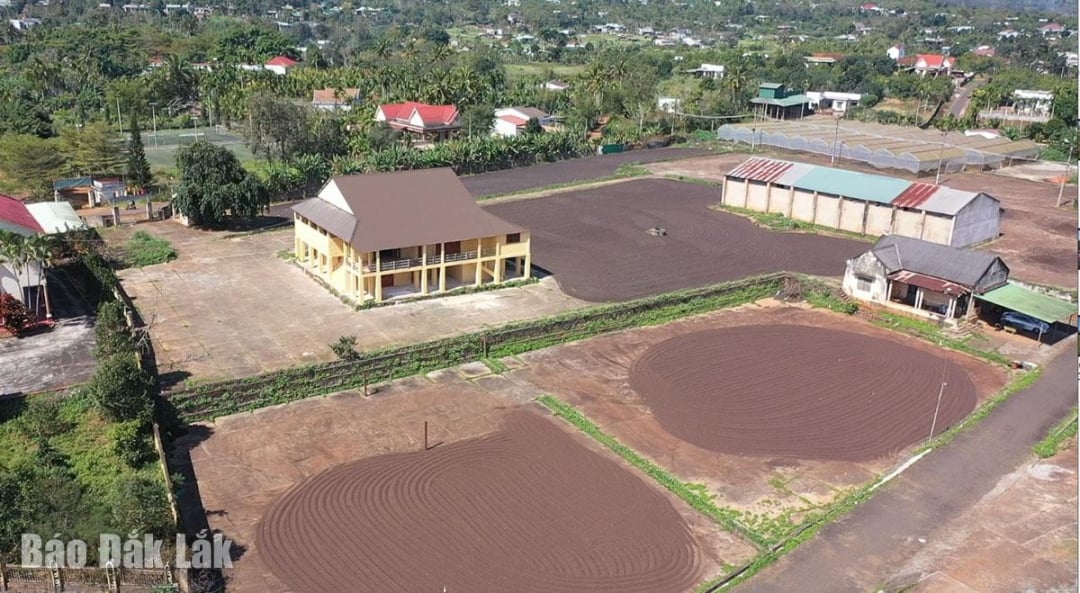
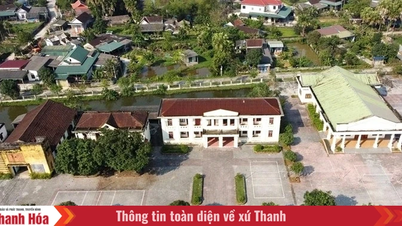
The Rossi plantation as seen from above. |
Thus, Rossi Plantation is a place that commemorates and honors the contributions of generations of plantation workers, for they transformed a colonial plantation into a solid base for the revolution. These workers overcame all difficulties and hardships, fought a tenacious and indomitable revolutionary struggle, united the people, resolutely fought the enemy, held firm to every inch of land, every rubber plantation and coffee field, and protected the achievements of the revolution to win independence.
Mr. Y Per Niê (residential group 3, An Lạc ward, Buôn Hồ town), one of the revolutionary activists who regularly maintained contact with plantation workers, recalled: “Here, every day at dusk, under a corner of the staircase of the working area, necessities and medicine were gathered to supply the revolutionary forces. In particular, Mr. Rossi (the plantation owner) often lent the revolutionary forces his vehicle, which he usually used to visit the plantation, to transport supplies to avoid detection and surveillance by the enemy.”
"The preservation of historical sites in general, and the Rossi Plantation in particular, in conjunction with tourism development, is not simply about sightseeing, but its greater value lies in helping tourists discover and understand the beauty, charm, and unique aspects of cultural and historical traditions..." Vice Chairman of the People's Committee of Buon Ho town |
In 2018, the Rossi Plantation was classified as a provincial-level historical relic by the Provincial People's Committee. Due to the effects of time and the environment, although slightly degraded, the original architecture and functionality of the plantation's structures remain unchanged, including the owner's residence and office, well, kitchen, stone storage, water tower, etc. Today, through the glorious history of the nation's struggle, the Rossi Plantation has become a "red address" in Buon Ho town, educating all levels of society, especially the younger generation, about the indomitable will and patriotic traditions of the nation. Through this, it fosters an unwavering revolutionary spirit, awakens gratitude and appreciation for the heroic martyrs, the generations of plantation workers, and the people who perished in the wars to protect national independence.
Visiting Rossi Plantation, tourists can also learn more about the plantation architecture of the French colonialists, the process of bringing in, planting, and developing coffee trees. Today, coffee has become a high-income source of livelihood for the people, and a key economic development strength of Buon Ho town in particular and Dak Lak province in general.
|
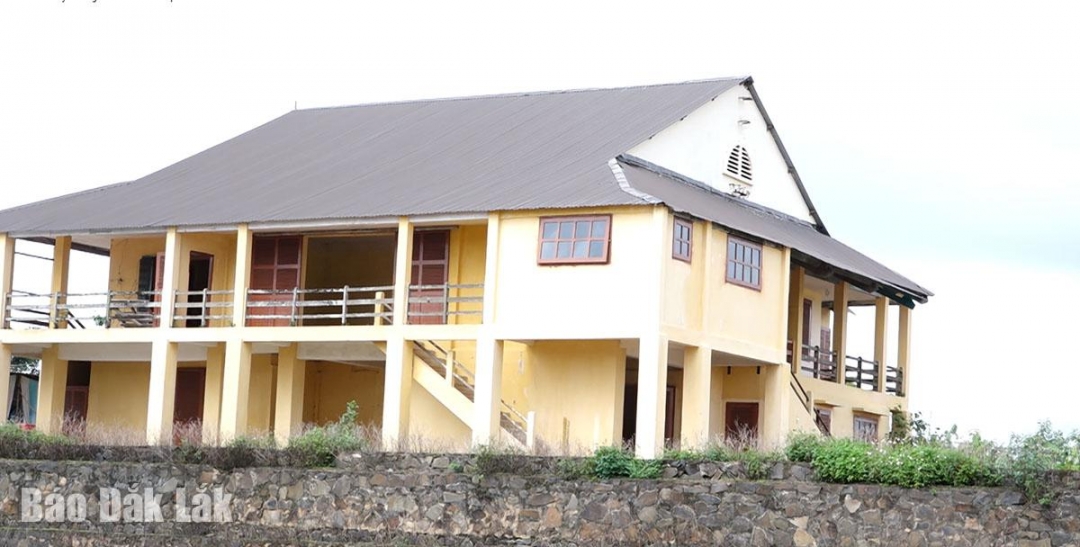
The living and working quarters of the owner of the Rossi Plantation. |
According to Y Cing Mlô, Vice Chairman of the People's Committee of Buon Ho town, the town currently has 5 historical relics and scenic spots at the provincial level. In recent times, the town has intensified efforts to promote festivals, scenic spots, and historical and cultural relics, including the Rossi Plantation, to attract tourists and contribute to local socio-economic development. Currently, the town is seeking solutions to restore and preserve the site, while also promoting tourism and making the Rossi Plantation a popular tourist destination.
Source: https://baodaklak.vn/xa-hoi/202504/tham-di-tich-lich-su-don-dien-rossi-62d051c/


![[Photo] General Secretary and President To Lam presides over a meeting on preparations for the review of one year of operation of the three-tiered government system.](https://vphoto.vietnam.vn/thumb/1200x675/vietnam/resource/IMAGE/2026/06/02/1780391821195_a1-bnd-4595-9717-jpg.webp)























































Comment (0)