


Members of the Son Tra Indigenous Tourism Club (Da Nang) are campaigning to develop and clarify indigenous cultural criteria in the local dishes they encounter, aiming to showcase sustainable values rooted in their homeland's culture.
The story begins at a restaurant…
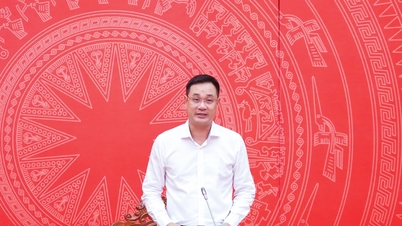
Mr. Tran Van Thang, Chairman of the Son Tra Indigenous Tourism Club, expressed that finding emotional connection is something every tourist wants when visiting a new place. In the context of a complex economy , the local tourism industry needs to properly assess the emotional value it brings to tourists in order to retain them and encourage them to return. Accordingly, the value of local culinary culture is an extremely good catalyst.
The Da Nang City Chefs Association has a special restaurant story. It's about a Canadian who chose to live in Da Nang and decided to open a restaurant in the An Thuong area (Ngu Hanh Son).
The chefs who were invited to work there asked what the standards for the dishes would be. The owner replied, "Our customers are Europeans, mainly eating breakfast and lunch, so the restaurant only opens until 2:30 PM each day. They need chefs to let them experience the techniques of mixing and preparing local ingredients into dishes that blend European and Vietnamese styles, so that they will feel more connected to the cuisine."

The chefs have collaborated to create an interactive kitchen blending European and Vietnamese cuisine, using only ingredients sourced from Da Nang. This has surprised many diners, due to the unique flavors achieved, all based on very familiar ingredients.
One chef described it for example: "We Vietnamese all know anchovy paste, it's very cheap. We fermented it, soaked it in olive oil, and then made pizza with it for tourists to enjoy, turning it into a kind of European version of Omakase. They never get tired of eating it."
After two years of operation, the restaurant has opened a new location in Hoi An, and both locations are always crowded, even though the average cost for meals featuring local ingredients is 800,000 VND per person, which is quite high compared to menus at other restaurants.
Mr. Thang observed: "When local cuisine is well-represented, we can persuade tourists to pay more and happily stay longer. Many tourists even request visas extended from 3 months to 6 months to stay in Vietnam for an extended period."
Taste sensations
According to Dao Dang Cong Trung, an independent tour guide and expert in leisure and adventure tourism in Da Nang, tourism needs to focus on exploring the emotions of tourists.

The Da Nang - Quang Nam region possesses a vast treasure trove of culinary and cultural stories. Although not as famous as Hanoi or Hue, Quang Nam's cuisine is also a cradle of impressive taste experiences. And if properly explored, it can create a powerful impression.
Moreover, any food ingredient, when processed by the hands of the local people, can be transformed into a specialty dish. Many people from afar, when enjoying authentic Quang Nam dishes such as Cam Nam corn sweet soup, Phu Chiem Quang noodles, Que Son cassava pho, etc., admit to being "conquered" by the fresh, crispy ingredients and unique flavors.
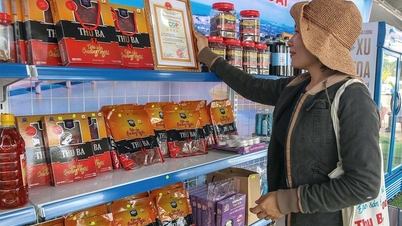
With this concept in mind, many groups of young people passionate about local culinary culture have formed, from the northern part of Lien Chieu with the Nam O fishing village steeped in the aroma of fish sauce and dried shrimp paste, to Tam Thanh hamlet (Tam Ky) with its murals and stories of making dried fish paste…
Da Nang also has many individuals who care deeply about and are dedicated to the flavors of their hometown, unafraid to honor the cultural values of local cuisine. For example, many people know about Mrs. An's Quang noodle shop (Le Thi Thu An, Duy Nghia, Duy Xuyen) which has been cooking Quang noodles for 40 years using rice husks; or Mr. Muoi Tan Thai (Huynh Van Muoi, Son Tra) who has spent many years promoting and preserving the style and techniques of making fish sauce from his hometown…
And this opens up opportunities for those in the tourism industry to promote cultural tourism in Da Nang by exploiting the cultural values of its cuisine, telling stories of the "soul" of the homeland's flavors so that tourists can feel and be convinced.
The lasting impression left on tourists is the experience they have through what they taste, smell, and hear. Therefore, according to Mr. Dao Dang Cong Trung, tourism accommodation and travel agencies need to connect with individuals and organizations that are exploiting, researching, and enriching the treasure trove of local culinary culture.
"I believe that no matter how much businesses invest, we still need fishermen, farmers, and street vendors to tell tourists stories they believe and enjoy, for tourism to thrive sustainably," said Cong Trung.
Source: https://baodanang.vn/thang-hoa-gia-tri-am-thuc-ban-dia-3331192.html









































































Comment (0)