

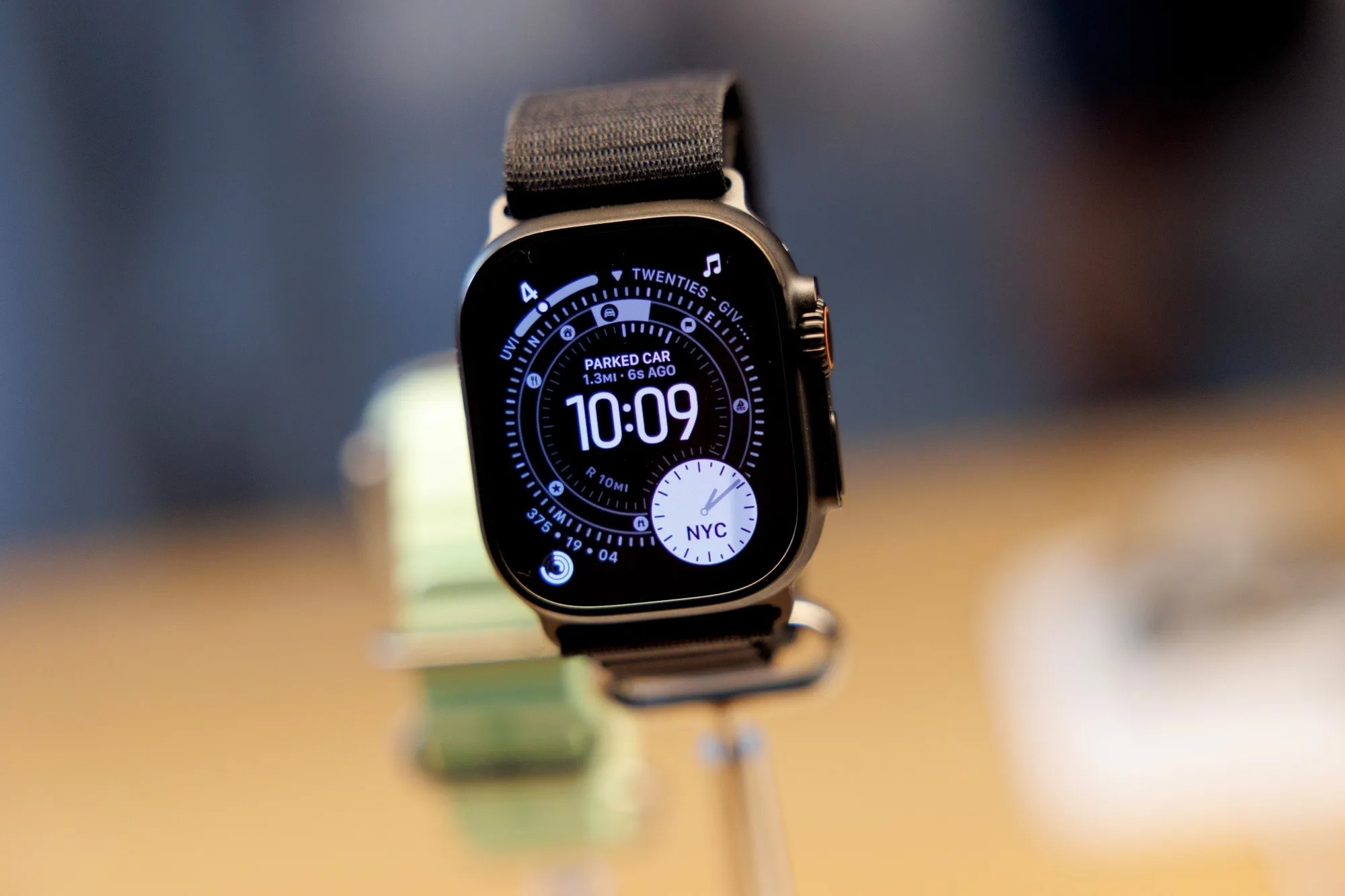
After 11 years since its launch, the Apple Watch has transformed the smartwatch market, generating an estimated $100 billion in revenue. This accessory has propelled Apple to become a major competitor in the health and smart wearable device sector.
In 2015, the first-generation Apple Watch impressed with its OLED screen, a host of sensors, and a wide range of color and strap options. Over time, the product has added many specialized features to cater to different needs and preferences.
The Apple Watch also laid the groundwork for expansion into AirPods headphones and Vision Pro glasses. However, according to Bloomberg analyst Mark Gurman, Apple still risks falling behind as the industry enters a new phase of development and competition.
Risk of falling behind
In recent years, the pace of innovation with each generation of Apple Watch has slowed down. User preferences have also shifted, with many customers avoiding large-screen devices and instead prioritizing simpler products that can passively collect data, have long battery life, and offer in-depth AI-powered analysis.
Companies like Whoop and Oura Health quickly seized the opportunity, creating a multi-billion dollar market with screenless fitness trackers focused on recovery, sleep tracking, and health without bothering users with notifications.
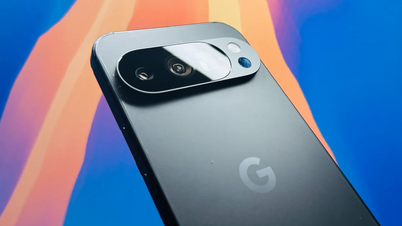
Even potential competitor Google is taking a similar approach. The company just launched the Fitbit Air fitness tracker in early May for $100 , without an integrated screen.
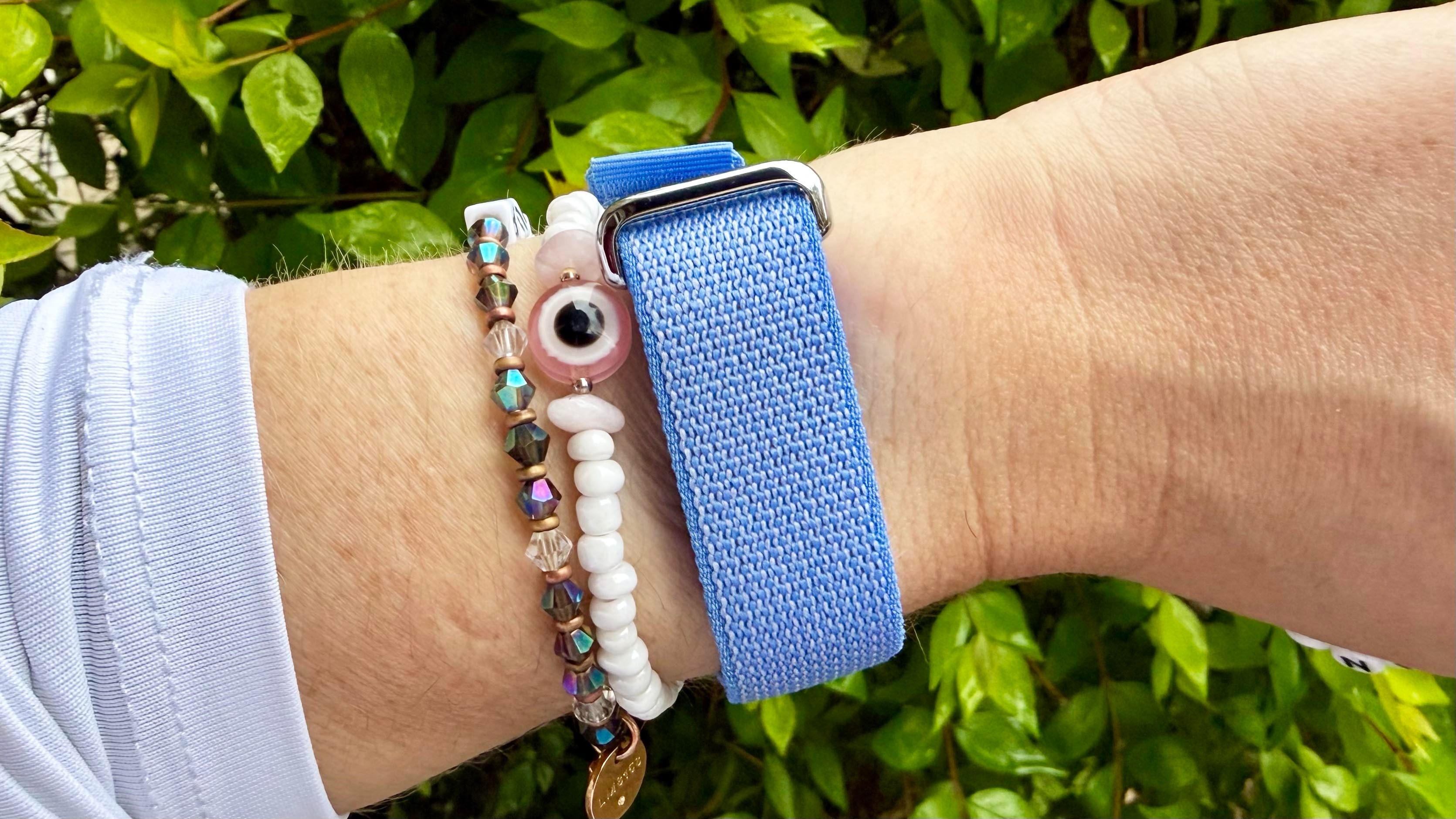 |
Google Fitbit Air smart band. Photo: Tom's Guide . |
According to Gurman, there's always been a market demand for traditional smartwatches, fully equipped with apps, watch faces, and fitness trackers. However, more and more people don't want the added inconvenience of a screen on their wrist.
"They simply need to accurately track health, along with helpful recommendations and guidance. That presents both a great opportunity and a challenge for Apple," the Bloomberg writer emphasized.
With its strengths in chips, sensors, industrial design, and materials engineering, Apple is expected to create pioneering devices rather than following competitors. However, the biggest drawback currently lies in the software experience not being commensurate with the hardware.
Despite years of investment, the Health app on iPhone still feels cluttered, boring, and ineffective. Platforms like Whoop and Oura do a better job of transforming raw information into helpful guidance for building exercise habits.
Internal disruption
In the latest Power On newsletter, Gurman revealed that Apple leaders were aware of the situation. After personally experiencing Oura and Whoop products, Vice President of Services & Health Eddy Cue reportedly pushed for several changes in the company's health strategy.
Apple has been researching various wearable devices and AI-based health projects, although things remain unclear. The AI coach project called Mulberry has been scaled back and may not be ready for the early stages of iOS 27.
The instability extends beyond the product side as many senior executives leave. Former Chief Operating Officer (COO) Jeff Williams, who oversaw Apple's health projects for many years, retired last year.
Even CEO Tim Cook will step down in September. In an interview with Bloomberg , Cook emphasized that the launch of the Apple Watch was one of the moments he was most proud of during his tenure.
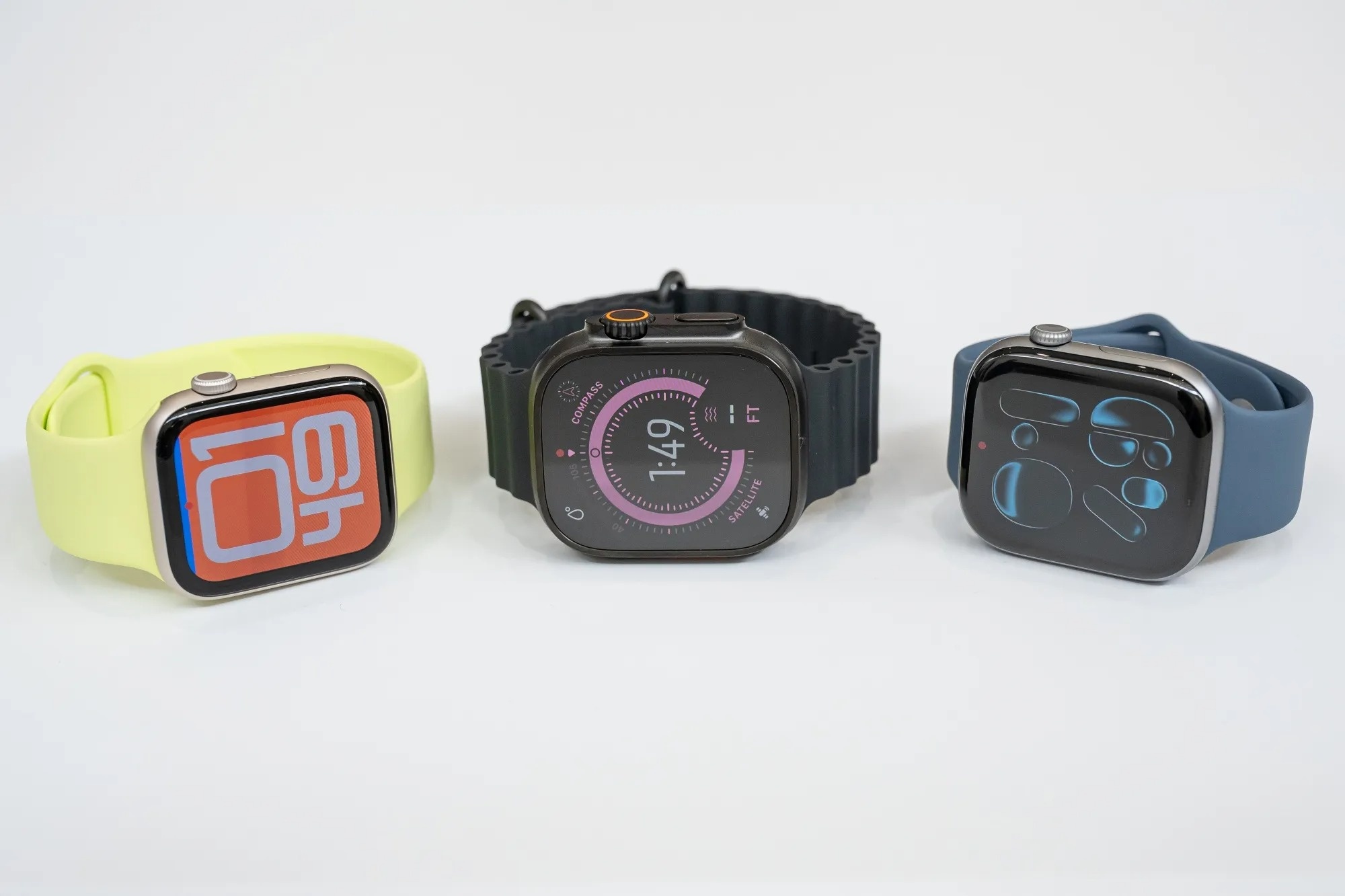 |
From left to right: Apple Watch SE 3rd generation, Apple Watch Ultra 3, and Apple Watch Series 11. Photo: Bloomberg . |
Jay Blahnik, head of Fitness+, will soon be leaving Apple following a lawsuit related to inappropriate conduct. Stan Ng, Director of Marketing for Health & Apple Watch, has also recently retired.
Eric Charles, a highly experienced member of Apple Watch marketing, left the company in May. The company also lost personnel in its hardware division to Oura.
According to Gurman, new CEO John Ternus is expected to keep health a central focus for the company's future, with plans to launch more services combining hardware and AI. However, the change in leadership raises questions about strategic priorities.
For years, Apple approached the category cautiously, prioritizing regulatory compliance over speed. That philosophy helped avoid some mistakes, but also hampered the company in the rapidly growing fields of AI and healthcare.
The existing health features on the Apple Watch clearly illustrate the problem. The ability to detect sleep apnea and high blood pressure is quite effective in advertising, but Apple still fails to provide in-depth analysis, continuous monitoring, or appropriate recommendations, beyond requiring customers to consult a doctor.
Many of Apple's competitors are moving towards products that can measure blood pressure in real time, provide continuous training, and offer AI-based advice. Apple, however, remains hesitant due to concerns about accuracy, regulations, and litigation. This delay has caused the company to fall behind in the AI field.
Expectations for new technology
This year, watchOS 27 is expected to focus on improving stability and measurement accuracy. Internally, with Mr. Ng's retirement, Ms. Kaiann Drance has been tasked with overseeing three divisions: health, smart home, and Apple Watch.
According to Gurman, Drance is a long-time manager in the iPhone product marketing department. These changes suggest that the Apple Watch will remain closely tied to the iPhone, as an accessory rather than a standalone product.
Apple also actively promotes and discounts Apple Watch sales. The company has included this product line in its educational subsidy program for the first time.
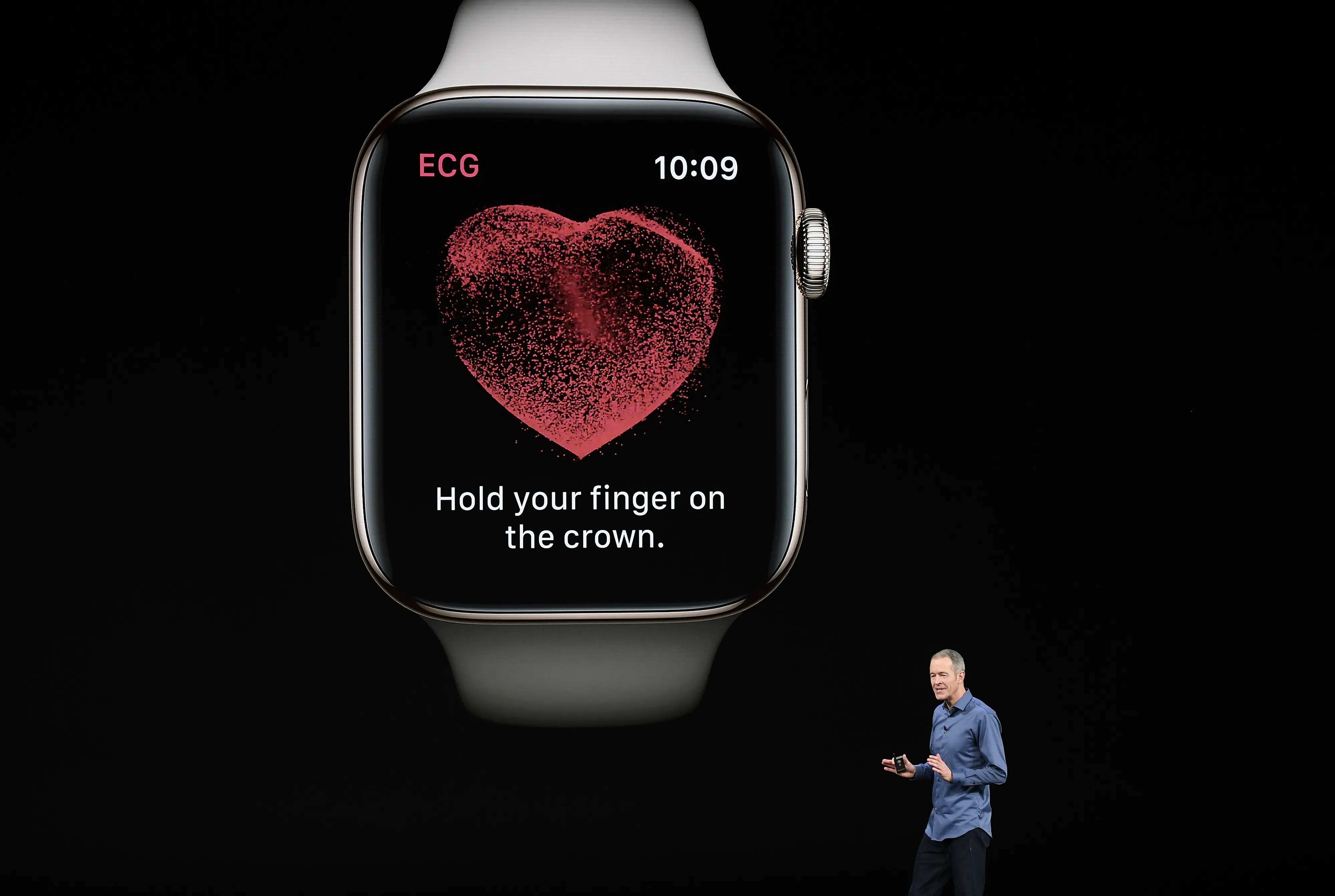 |
Former CEO Jeff Williams introduces the electrocardiogram (ECG) feature on the Apple Watch. Photo: Bloomberg . |
A Bloomberg writer suggests that a breakthrough could come from a non-invasive blood glucose monitoring project. Initially conceived under Steve Jobs, this plan aims to develop a sensor to detect high blood glucose without the need for finger pricks to draw blood.
Apple recently transferred the project to Zongjian Chen, head of Advanced Technology and hardware such as network modems. This transfer indicates that the work is progressing well and has commercialization potential.
Despite these changes, Apple's healthcare division still faces numerous challenges due to staff turnover, delays, and a cautious mindset.
"To truly lead the next-generation wearable market, companies need to be willing to experiment more, act faster, and take risks," Gurman emphasized.
Source: https://znews.vn/the-kho-cua-apple-post1653998.html

![[Photo] Life on both banks of the river returns to its bustling pace on the day the Long Bien Bridge opens to traffic.](https://vphoto.vietnam.vn/thumb/1200x675/vietnam/resource/IMAGE/2026/05/28/1779949763708_cau-long-bien-minh-duy-7-3610-jpg.webp)
![[Photo] The heat at the fireworks display site on the opening night of the Da Nang International Fireworks Festival 2026](https://vphoto.vietnam.vn/thumb/1200x675/vietnam/resource/IMAGE/2026/05/27/1779889741485_ndo_br_z7872039145157-fecaba5112f39e8352544099d7ef4738-5140-jpg.webp)
![[Image] Checking the security conditions at the exam site, ready for the 10th grade exam.](https://vphoto.vietnam.vn/thumb/1200x675/vietnam/resource/IMAGE/2026/05/28/1779943458889_z7872507660648-d764421a26e8cd7b61d70d142a48a685-jpg.webp)





















![[Photo] Opening Ceremony of the National People's Council Conference on the Implementation of Directions and Tasks for the 2026-2031 Term](https://vphoto.vietnam.vn/thumb/1200x675/vietnam/resource/IMAGE/2026/05/28/1779939257690_ndo_br_bnd-1991-jpg.webp)






































































Comment (0)