

The impact of science and technology, especially artificial intelligence (AI), on journalism in recent times has prompted educational institutions to reflect on the challenges posed and the necessary changes in their teaching methods.
 |
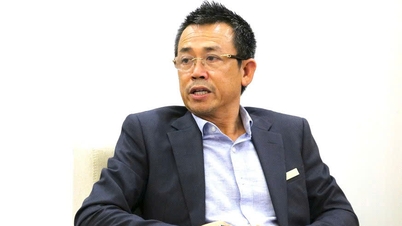
| Dr. Nguyen Nga Huyen - Academy of Journalism and Communication. (Photo: Provided by the interviewee) |
Currently, journalism training institutions in Vietnam are adequately meeting the basic requirements for training journalism students at both undergraduate and postgraduate levels. Many reputable journalism schools, such as the Academy of Journalism and Communication, the Hanoi University of Social Sciences and Humanities, and the Ho Chi Minh City University of Social Sciences and Humanities, continue to produce numerous reporters, journalists, editors, and media leaders nationwide.
For a long time now, journalism training at universities has undergone encouraging changes by focusing on practical aspects. Through investing in professional practice centers for students, increasing the proportion of practical training in courses, inviting journalists to share their experiences, and collaborating academically with foreign journalism and communication schools, universities have made many appropriate and positive changes in meeting the practical requirements for the quality of journalism graduates.
However, given what AI has done, is doing, and may do in the future in the field of journalism, journalism training institutions need to plan for addressing changes in the demand for journalism human resources, both in terms of quality and quantity.
Challenges in training
The biggest challenge probably lies with the heads of universities in recognizing and anticipating the immediate and long-term difficulties, in order to boldly create comprehensive changes in training journalists for the AI age. These changes not only include fundamental and easily observable elements such as updating the curriculum framework, improving the quality of faculty and visiting lecturers, and upgrading infrastructure and technology, but more importantly, they require a new mindset – a readiness to discard what is unsuitable and integrate new elements according to reality. This is a crucial point that is not easy to establish, considering the limitations of term limits and the capacity for autonomy and accountability.
Furthermore, from a real-life perspective, the generally low income of journalists and the inadequate incentives for journalism lecturers also pose challenges in attracting students and maintaining training quality.
Although comprehensive statistics are lacking, it is a common occurrence for journalism graduates to transition into media or even work in unrelated fields. Even those who find employment in media organizations may not immediately meet job requirements. Some limitations of journalism graduates include: lack of practical experience; weak knowledge of the political system; lack of skills in searching for, selecting, and developing topics; limited ability in multimedia journalism; and a lack of soft skills.
Meanwhile, AI has been encroaching on the journalistic landscape in many aspects and at various levels. Major news organizations around the world have been researching AI, applying it, and continuously improving it for many years.
Beyond its effective role in information retrieval and aggregation, AI is now a powerful tool for automated content production, particularly in fields like sports, finance, and weather, which already have readily available, clean, and up-to-date data. Since 2014, the Associated Press (AP) has researched and applied automation to its financial earnings reports, significantly increasing the number of articles published each quarter.
In early 2023, BuzzFeed announced it would use ChatGPT to create quizzes and personalize content for its readers. Personalizing the audience's experience is also something that many news organizations around the world, and some in Vietnam, have already applied AI to improve news distribution.
The examples above, while not exhaustive, partly illustrate the gap in the adoption and application of AI in journalism between the world and Vietnam. So, what changes do journalism training institutions and media organizations need to make to adapt to the age of AI?
How to build a competitive advantage with AI?
Faced with current challenges, it is necessary to return to the most fundamental aspect that gives journalism meaning to society: its role in oversight and critical analysis. In today's fiercely competitive information world, with the rise of social media platforms, journalism needs to reaffirm this core role to build a competitive advantage. Because, in the near future, it will be difficult for AI to detect the deep-seated problems and conflicts in social life, uncover negative incidents and corruption, or delve into analyses to find the "bottlenecks" in complex cases…
Therefore, schools still need to focus on training students in classic journalistic skills such as critical thinking, topic research, source building, information verification, and in-depth reporting, all while protecting national interests and upholding justice. At the same time, they need to update training content to reflect current trends such as data journalism, podcasts, and AI, and create opportunities for students to regularly practice multimedia skills, communication, problem-solving, and especially self-learning skills. This also emphasizes the individual effort of the learners in addition to the foundation provided by the training institution.
Palo Alto High School (California, USA) is known for having the largest and best high school journalism program in the US, called Play Mac. In this program, students participate in producing all kinds of publications, including print newspapers, online magazines, television news, and digital newsletters. They are also trained in photography, video production, graphic design, and social media. The program not only trains students in writing skills but also in leadership, teamwork, research and marketing, project management, and business administration. Each of Play Mac's publications is a unique brand, developing and having a sustainable business model. This is a suggestion for bringing the practical aspects of journalism into schools, allowing students to experience firsthand not only journalistic skills but also the business processes of producing journalistic products.
Besides facing challenges, the journalism industry also needs to see opportunities to integrate AI into its work as a useful tool in news production, distribution, and reader interaction. Several media organizations in Vietnam are currently applying AI and other technologies in activities such as information searching and aggregation, graphic design, research, and surveys. Even popular AI technologies worldwide, such as ChatGPT (AI writing) or Midjourney (AI graphic design), are being used in Vietnam, at the individual level, to assist in designing and creating published content.
The current use of AI still poses challenges not only from a technical standpoint (information provided by AI lacks accuracy and consistency) but also from an ethical perspective (spreading fake news, violating user privacy). The extent and manner in which AI should be applied remains a crucial consideration for every media organization and journalist, although these are similar issues facing journalism worldwide, not just in Vietnam.
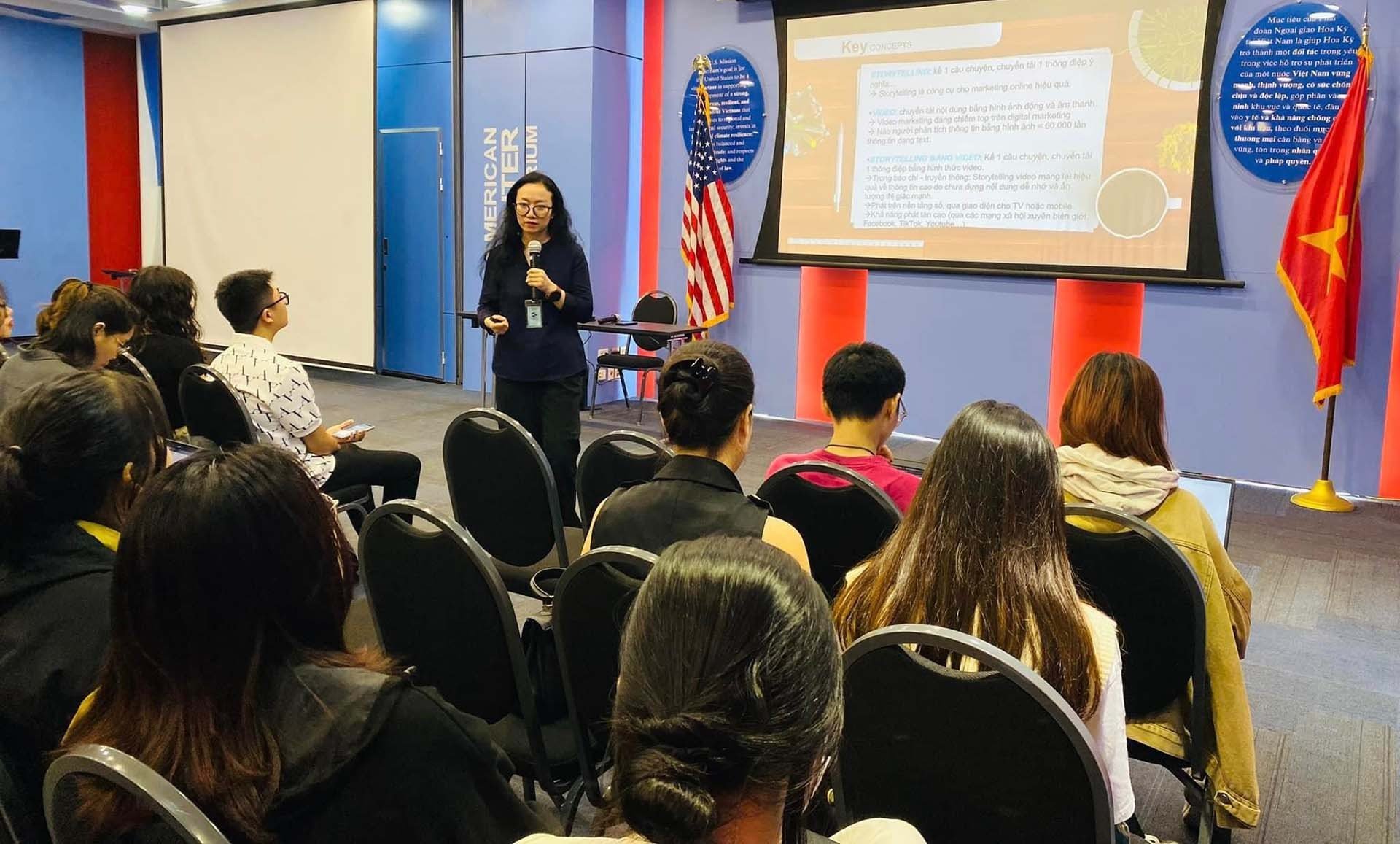 |
| The author teaches at a training course on digital media journalism. (Photo: Provided by the author) |
The "core of innovation" in foreign affairs journalism.
Within the broader sphere of influence, Vietnam's foreign affairs journalism sector also needs to be aware of both the opportunities and challenges that the AI era brings to the industry. However, the remarkable progress of science and technology has provided information with highly effective tools for verifying information, translating texts, and subtitling videos and audio... sometimes in just a few minutes. Therefore, foreign affairs journalism needs to further innovate its communication with the public so that foreign affairs information, based on the Party's common viewpoint and the State's foreign policy, is both objective, multifaceted, in-depth, and competitive.
Besides the guidance from the leadership of foreign affairs media agencies, foreign affairs journalists are the "core" of this responsibility. Professional foreign affairs journalistic works, produced with in-depth knowledge, that allow the public to see the true nature of issues within a comprehensive context will be a competitive product in the field of journalism in general and foreign affairs journalism in particular. To achieve this, training for foreign affairs journalists needs to further emphasize the ability to self-improve knowledge through self-study and reading. Especially for international political issues related to Vietnam, each future foreign affairs journalist needs to master the main political currents in the world to determine their perspective, identify the underlying causes of changes, and highlight the impact of historical factors.
AI may be a competitor for many jobs in journalism in general and foreign affairs journalism in particular, but for journalists with in-depth knowledge, solid professional skills, and a constant desire to improve and learn new things, AI can only become a valuable assistant.
Source

![[Photo] Prime Minister Pham Minh Chinh presides over a meeting on private sector economic development.](/_next/image?url=https%3A%2F%2Fvphoto.vietnam.vn%2Fthumb%2F1200x675%2Fvietnam%2Fresource%2FIMAGE%2F2025%2F12%2F20%2F1766237501876_thiet-ke-chua-co-ten-40-png.webp&w=3840&q=75)



























































































Comment (0)