

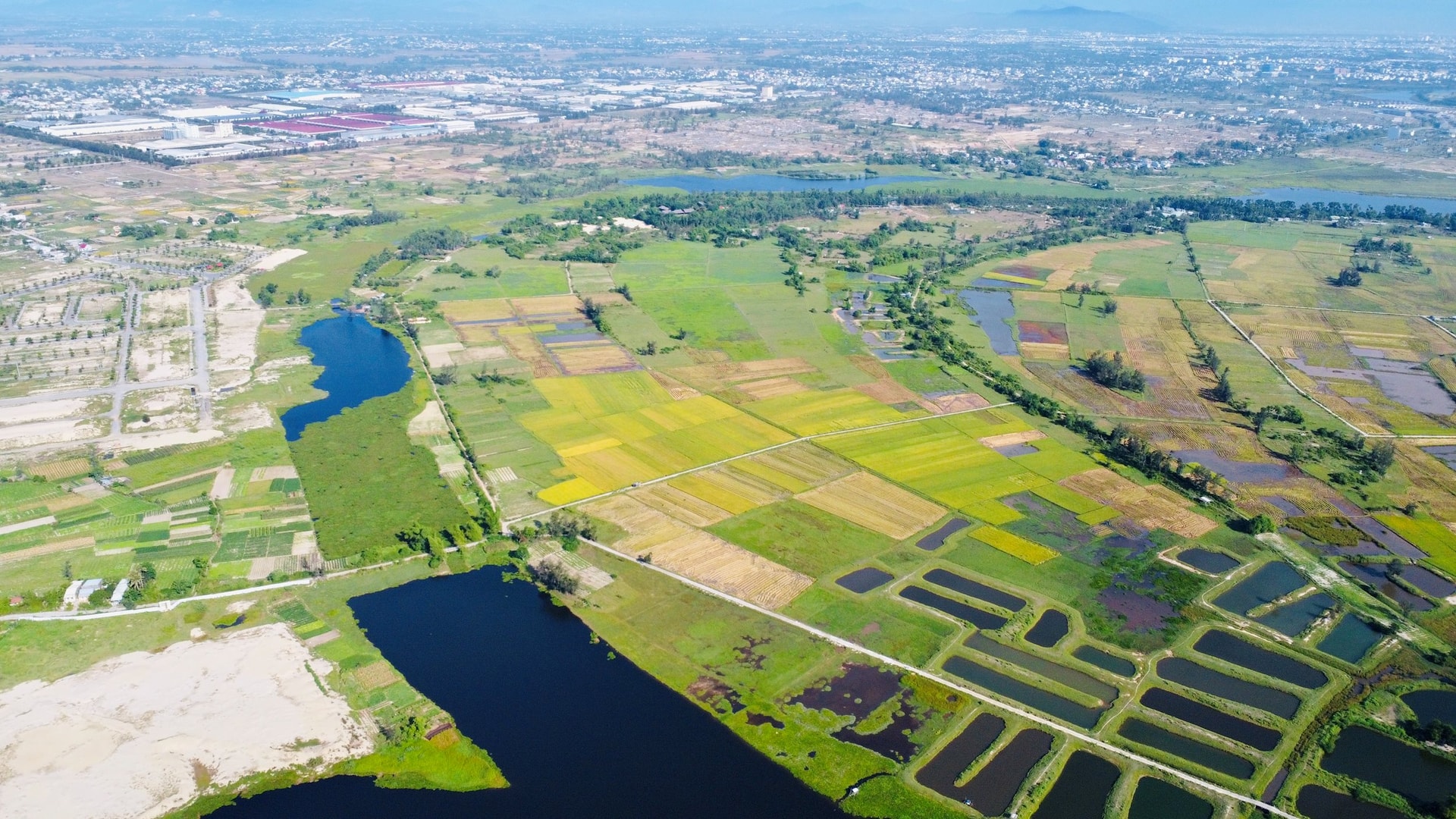
Interaction from history
The connection between Da Nang and Hoi An has been closely intertwined throughout history, regardless of administrative boundaries. More than 400 years ago, when the Hoi An trading port began to flourish, the link between Da Nang and Hoi An gradually took shape.
Although Hoi An was the destination for most merchants at that time, it was essential to reach Hoi An by going through Da Nang, as Da Nang was considered the gateway to Hoi An.
According to Mr. Bui Van Tieng, Chairman of the Da Nang City Historical Science Association, the Hoi An trading port area in the 17th and 18th centuries stretched from Cu Lao Cham Island towards Cua Han and to Cua Dai via Lo Canh Giang (Co Co River). At that time, ships from the South usually docked at Cua Dai, while those from the North entered through Cua Han, but larger ships mainly had to pass through Cua Han to reach Hoi An.
Over time, from the latter half of the 18th century, the urban status of Da Nang and Hoi An gradually reversed, with Da Nang, once a satellite destination for transportation and trade, rising to become the region's international trade center.
Throughout different periods, even when they were not in the same administrative unit, the interaction between the ancient town of Hoi An and the young, dynamic city of Da Nang has remained very close, affirming its role as a driving force in the socio -economic development of Quang Nam province.
Because of this special connection, since the French colonial era, when Tourane and Faifoo were still in existence, the French paid close attention to transportation between Da Nang and Hoi An in various forms, from road and rail to waterway. Notably, a steam train line once existed on this route in the early 20th century to supplement waterway traffic due to the silting up of the Co Co River.
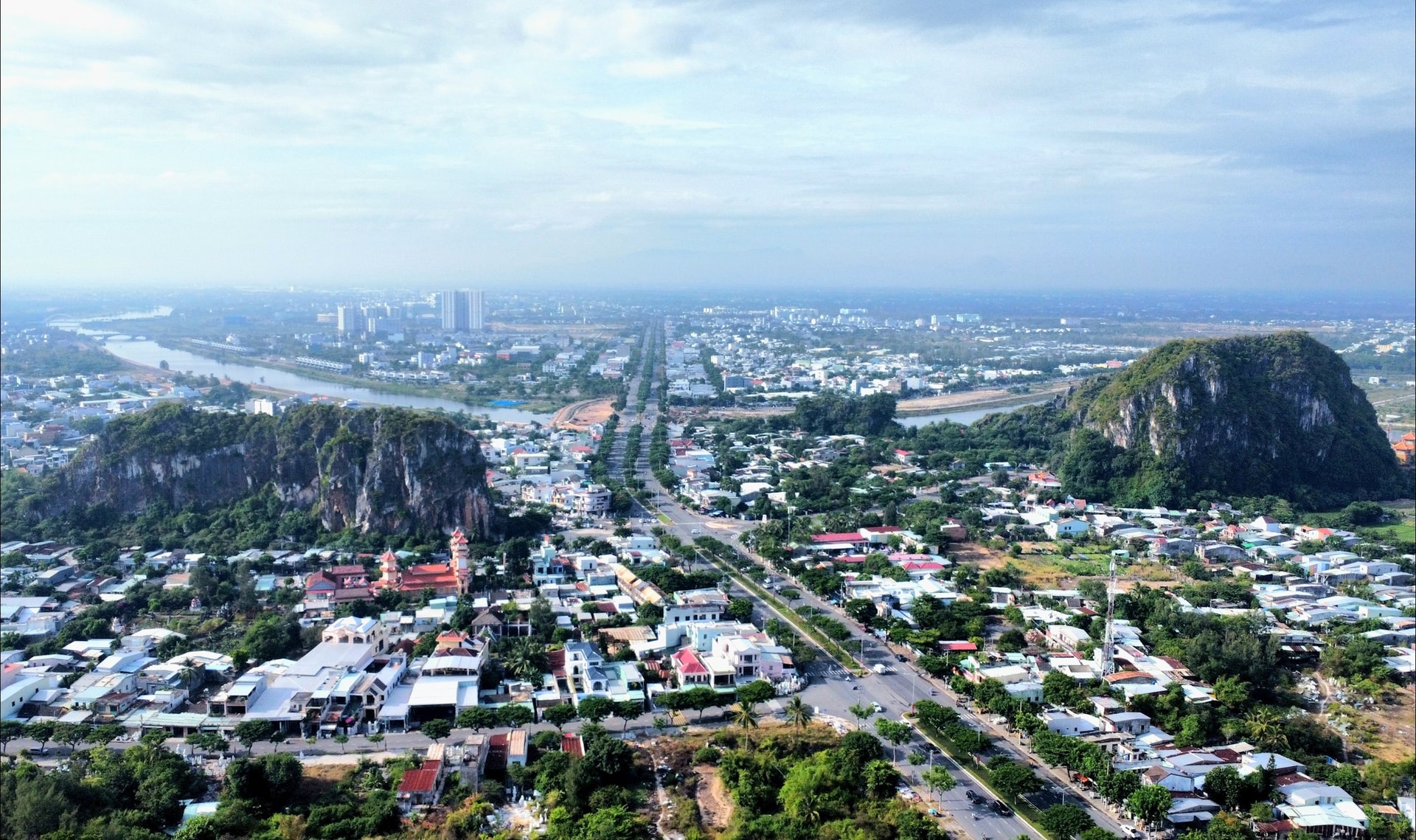
Waiting for the development of multimodal transport.
Beyond traditional trade, the link between Da Nang and Hoi An is increasingly emphasized as Da Nang - Hoi An becomes a nationally and internationally recognized branded tourist destination.
With millions of tourists traveling between the two cities each year, although the road infrastructure has improved considerably over time, it still hasn't met the development needs of this connecting route. The coastal road, with two lanes in each direction, sometimes experiences significant traffic congestion due to the ever-increasing density of tourist vehicles.
While the Son Tra - Dien Ngoc route, extending to the center of Hoi An, has a larger lane capacity, it faces some prolonged "bottlenecks" in land clearance in Dien Ban Dong ward and Hoi An Tay ward, hindering the completion of the entire route.
Now that the Da Nang - Hoi An axis is under a single administrative unit, the focus of attention is increasingly on rail and waterway transportation to concretize the multimodal transportation development plan of the new city.
Recently, Deo Ca Group proposed investing in an urban railway line from Da Nang city to Hoi An using the Transport-Oriented Development (TOD) model through a public-private partnership (PPP), ensuring resources and the ability to complete it by 2030.
According to Vice Chairman of the Da Nang City People's Committee Le Quang Nam, even before the merger, Da Nang had established a working group to study the investment in an urban railway line connecting with Quang Nam. Now, the implementation of the plan will be more convenient as it has transformed from an external transportation link into an internal transportation link.
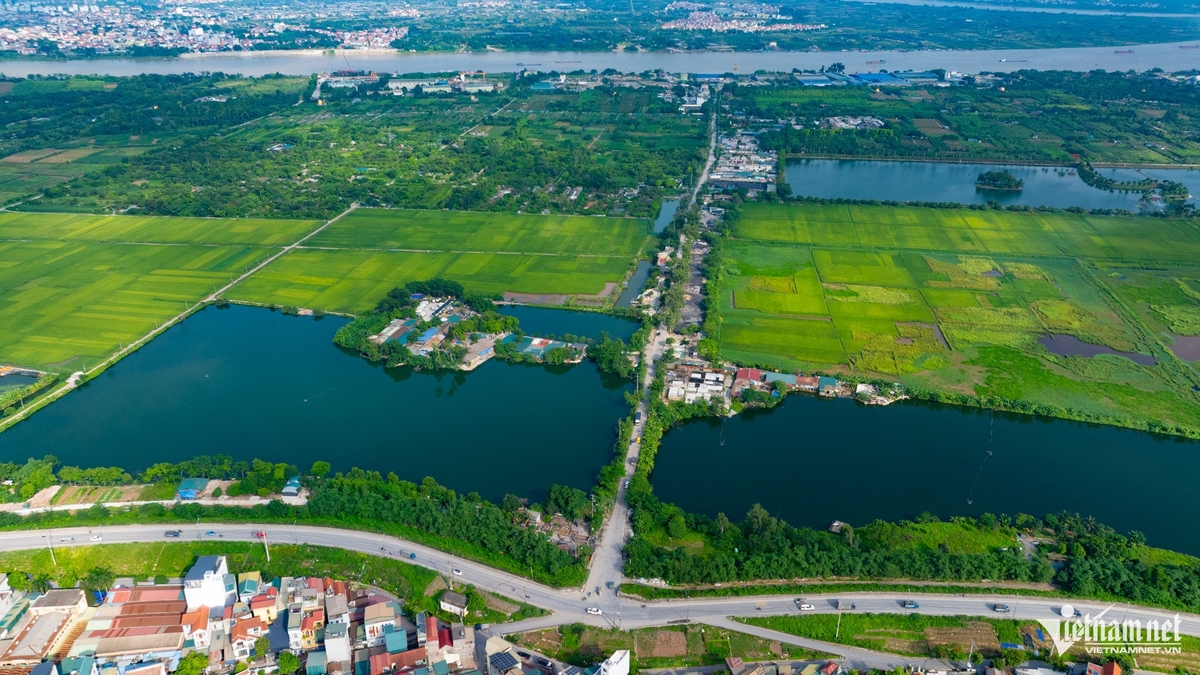
Meanwhile, the plan to dredge and clear the Co Co River waterway (approximately 28km long) has been underway for about two decades but is still stalled in the Dien Ban Dong ward area. The merger of Quang Nam and Da Nang provinces is expected to significantly boost the process of clearing the Co Co River, contributing to the creation of a rare "lifeline" for tourism.
At a workshop on urban planning in Hoi An, architect Ngo Trung Hai, former Director of the National Institute of Urban and Rural Planning, stated: "If a rail-water transport connection is established, especially a Da Nang-Hoi An urban railway system, it will both increase the experiential options for tourists and provide an opportunity to reduce the concentration of population in the central urban area."
It is clear that promoting multimodal transport on the Da Nang - Hoi An route aligns with practical requirements and is at a "ripe" point for implementation. Developing a multimodal transport system on this axis not only lays the foundation for future development but also evokes the unique identity of a region with a distinctive economic history.
Source: https://baodanang.vn/thuc-day-sinh-lo-da-nang-hoi-an-3303218.html

























































































Comment (0)