

Summer is the time when ultraviolet (UV) radiation intensity increases, leading to the risk of sunburn, skin darkening, premature aging, and even an increased risk of skin cancer. Besides familiar protective measures such as using sunscreen, wearing UV-protective clothing, or limiting exposure during peak sunlight hours, many people are interested in the role of nutrition in enhancing the skin's natural protective abilities.
Foods that are red, orange, and purple are often touted as "internal sun shields" due to their high antioxidant content. But how effective is this method from a scientific perspective?
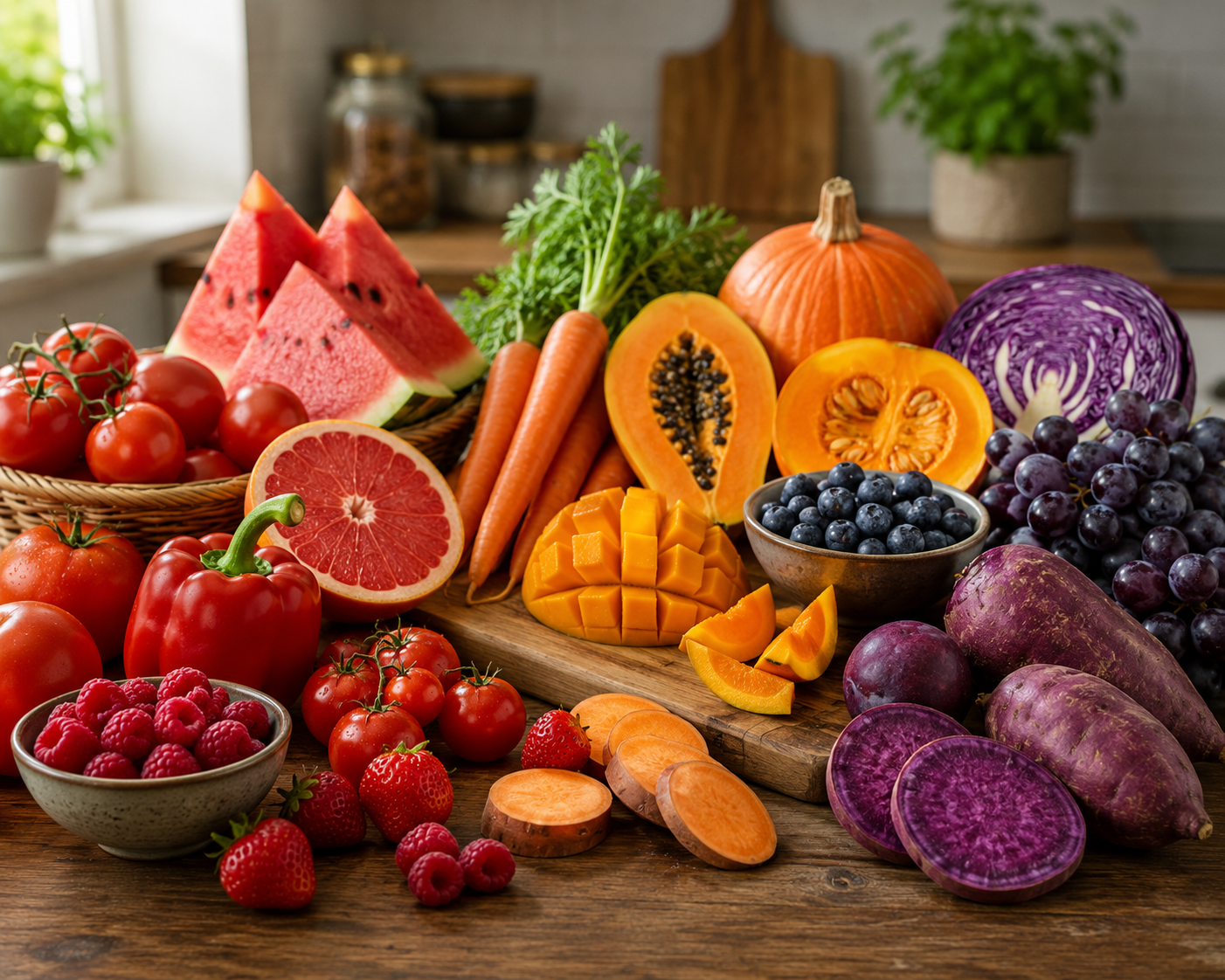
Many red, orange, or purple fruits and vegetables contain powerful antioxidant compounds.
1. UV rays accelerate the skin aging process.
When skin is exposed to UV rays, the body produces more free radicals. These are unstable molecules that can damage cell membranes, proteins, and DNA, thereby accelerating skin aging, forming wrinkles and pigmentation spots, and increasing the risk of skin cancer.
Furthermore, UV rays stimulate inflammatory responses in the skin, degrading collagen and elastin – two crucial components for maintaining skin elasticity and firmness. This is why many people notice their skin becoming darker, drier, or showing more pronounced signs of aging after prolonged sun exposure.
To counteract these effects, the body possesses a natural antioxidant system. However, when too many free radicals are produced, the body needs additional support from its daily diet.
2. Foods rich in antioxidants help protect the skin.
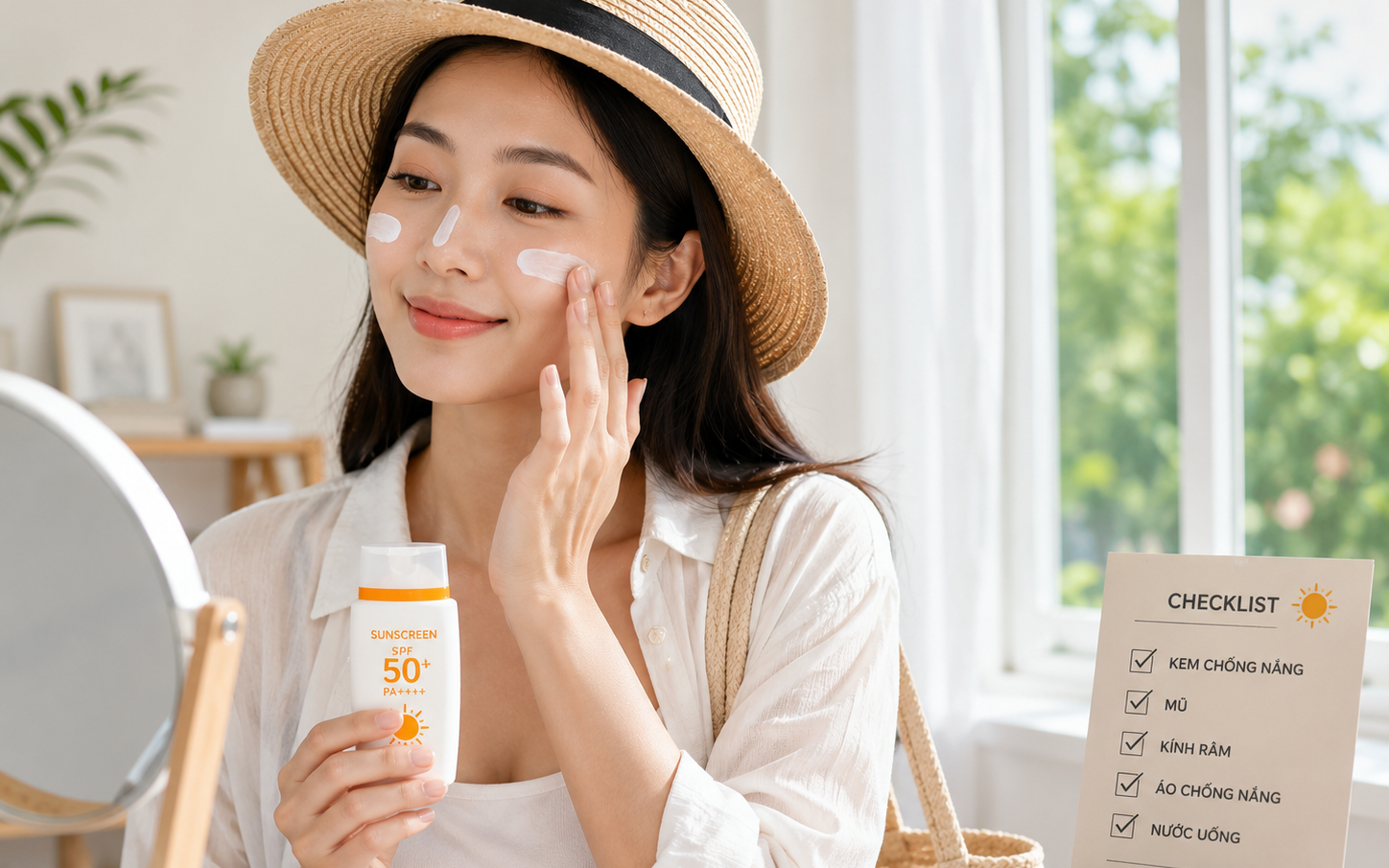
Dark-colored fruits and vegetables are a source of powerful antioxidants, acting as allies in neutralizing free radicals from within:
Red foods (tomatoes, watermelon, pink grapefruit): Very rich in lycopene – a carotenoid with powerful antioxidant properties. Lycopene helps reduce inflammation and redness caused by sun exposure. Studies show that long-term consumption of lycopene-rich foods increases the skin's tolerance to UV rays.
Orange-colored foods (carrots, pumpkins, yellow sweet potatoes, papayas, mangoes): These are rich sources of beta-carotene. Beta-carotene is a precursor to vitamin A, which plays a role in maintaining epithelial structure, promoting cell regeneration, and helping protect the skin against oxidative stress.
Purple foods (blueberries, purple grapes, purple cabbage, purple sweet potatoes): Contain high levels of anthocyanins. This compound has strong anti-inflammatory properties, helping to limit cell damage and protect collagen structures from breaking down in sunlight.
In addition to the pigments mentioned above, summer fruits and vegetables are also rich in vitamin C, vitamin E, and polyphenols. These nutrients directly participate in collagen synthesis, support damage repair, and strengthen the skin's natural protective barrier.
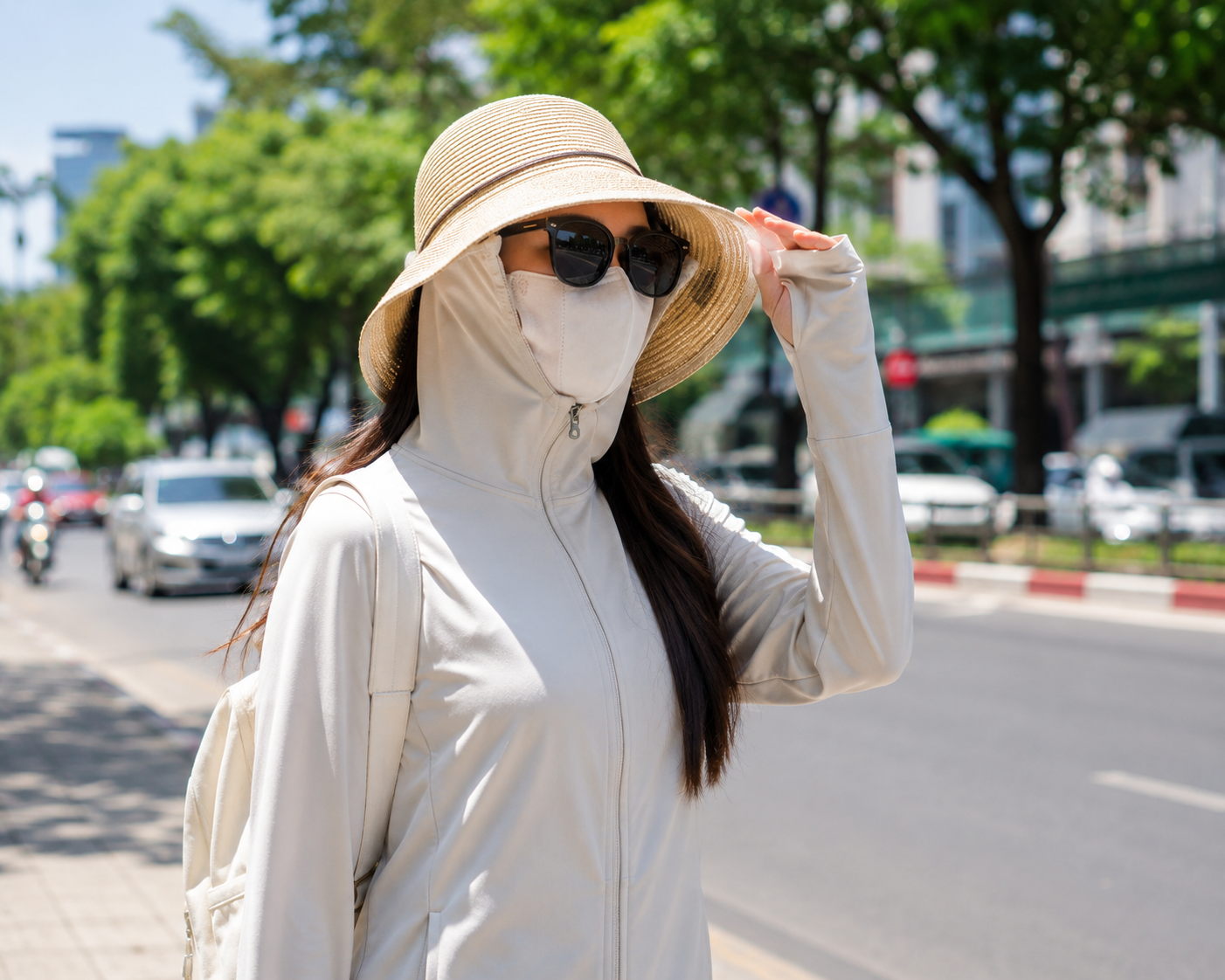
Broad-spectrum sunscreen, UV-protective clothing, sunglasses, wide-brimmed hats, and a diet rich in fruits and vegetables will help your skin better withstand the effects of summer sun.
3. The right and effective way to protect yourself from the sun.
While nutrition offers many biological benefits, it cannot replace sunscreen. The protective effects of food require a long time to accumulate and are only supportive, mitigating damage at the cellular level. The level of UV protection from diet is much lower than that of standard sunscreen products. Simply put, eating lots of tomatoes or blueberries doesn't mean you can freely expose yourself to the sun without protection.
To optimize the skin's protective barrier, you need to flexibly combine both internal nourishment and proactive external protection.
A varied diet: Combine many different food groups instead of focusing on just one. This combination not only provides better skin protection but also offers significant benefits for the immune and cardiovascular systems. Don't forget to drink plenty of water and limit sugary drinks and alcohol to avoid increasing skin inflammation under the summer sun.
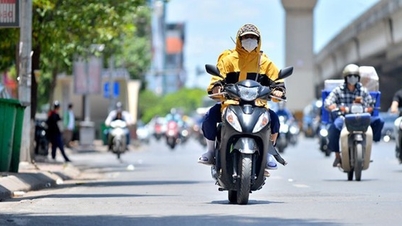
Proactive protection: Always use broad-spectrum sunscreen (SPF 30+ and PA+++ or higher) every day, combined with UV-protective clothing, sunglasses, and a wide-brimmed hat when outdoors.
See more trending videos :
Source: https://suckhoedoisong.vn/thuc-pham-mau-do-cam-tim-co-the-chong-nang-bao-ve-da-169260602103615066.htm

![[Photo] First session of the 14th Congress of the Vietnam Trade Union](https://vphoto.vietnam.vn/thumb/1200x675/vietnam/resource/IMAGE/2026/06/03/1780465947883_ndo_br_img-3852-jpg.webp)











































![[Video] Sunset at Lap An Lagoon – Where the sun sets over the fishing nets](https://vphoto.vietnam.vn/thumb/1200x675/vietnam/resource/IMAGE/2026/05/31/1780192137701_beach-landscape-sea-water-nature-grass-745871-pxhere-com.jpeg)

































Comment (0)