

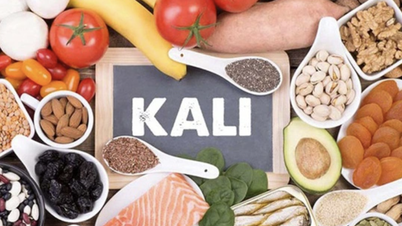
Foods rich in vitamins, antioxidants, fiber, and protein should be incorporated into a balanced diet, according to the health website Health .
Garlic has long been known for its anti-inflammatory properties and its ability to help the body fight off infections.
Carrie Madormo, a nutritionist working in the US, said that besides garlic, many other common foods can provide more noticeable benefits to the immune system if regularly included in the daily diet.
Citrus fruits
Citrus fruits such as oranges, grapefruits, and lemons are rich sources of vitamins and antioxidants, most notably vitamin C.
Antioxidants play a role in reducing inflammation and limiting cell damage caused by free radicals.

Oranges, grapefruits, and lemons are rich sources of vitamins and antioxidants.
Photo: AI
A diet rich in antioxidants may reduce the risk of upper respiratory infections, including the common cold.
Vitamin C also helps stimulate the body to produce white blood cells. These are important immune cells responsible for identifying and destroying pathogens that invade the body.
Bell pepper
Bell peppers are a food rich in vitamin C and many other vitamins that are beneficial for the immune system.
Red bell peppers, in particular, contain a high amount of beta-carotene. This is a precursor to vitamin A, which plays an important role in maintaining the body's natural defense barrier.
Additionally, bell peppers provide lycopene, a plant pigment with anti-inflammatory properties that helps reduce excessive inflammatory responses in the body.
When consumed regularly, bell peppers contribute to the stable functioning of the immune system and increase the body's ability to fight off pathogens.
Yogurt
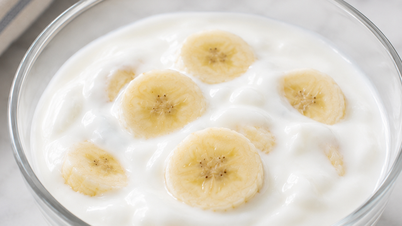
Yogurt is a dairy product rich in probiotics, which are live microorganisms beneficial to the gut.
Probiotics help maintain the balance of the gut microbiome, support digestion, and reduce the risk of constipation.
The gut is home to a high concentration of immune cells. When the gut microbiome is healthy and balanced, the body's immunity is also improved.
Regularly incorporating yogurt into your diet creates a favorable environment for beneficial bacteria to thrive, thereby helping your body fight infections more effectively.
green vegetables
Leafy green vegetables are a rich source of vitamins A, C, and K. In addition, they are high in antioxidants and fiber.
Antioxidants in green vegetables help reduce inflammation and protect cells from damage. Fiber plays a role in nourishing the gut microbiome, contributing to improved digestive health.
When the gut functions well, immune function is significantly supported, helping the body respond more effectively to pathogens.
Fatty fish
Fish such as salmon and mackerel contain large amounts of omega-3 fatty acids. These are a group of healthy fats that play a role in supporting the structure and function of cells.
Omega-3s help reduce chronic inflammation in the body. This, in turn, puts the body in a better position to fight infections and recover from illness.
A diet rich in omega-3s can increase the number of beneficial bacteria in the gut microbiome, thereby supporting an effective immune system.
Source: https://thanhnien.vn/thuc-pham-tang-cuong-he-mien-dich-con-tot-hon-toi-185251229235040481.htm


![[Image] Hanoi's urban life under the challenge of a "scorching hot" environment](https://vphoto.vietnam.vn/thumb/1200x675/vietnam/resource/IMAGE/2026/05/25/1779706979265_nang-nong-t5-2026-minh-duy-7-4636-jpg.webp)


![[Image] Close-up view of the interchange connecting the two expressways and Long Thanh Airport.](https://vphoto.vietnam.vn/thumb/1200x675/vietnam/resource/IMAGE/2026/05/25/1779703378210_ndo_br_z7863716673926-224453a31600126cce10622af6290afd-4549-jpg.webp)































































































Comment (0)