

Effective control requires a more comprehensive solution, ranging from tightening domestic management and increasing penalties to enhancing coordination in combating smuggling in the online environment and on key routes.
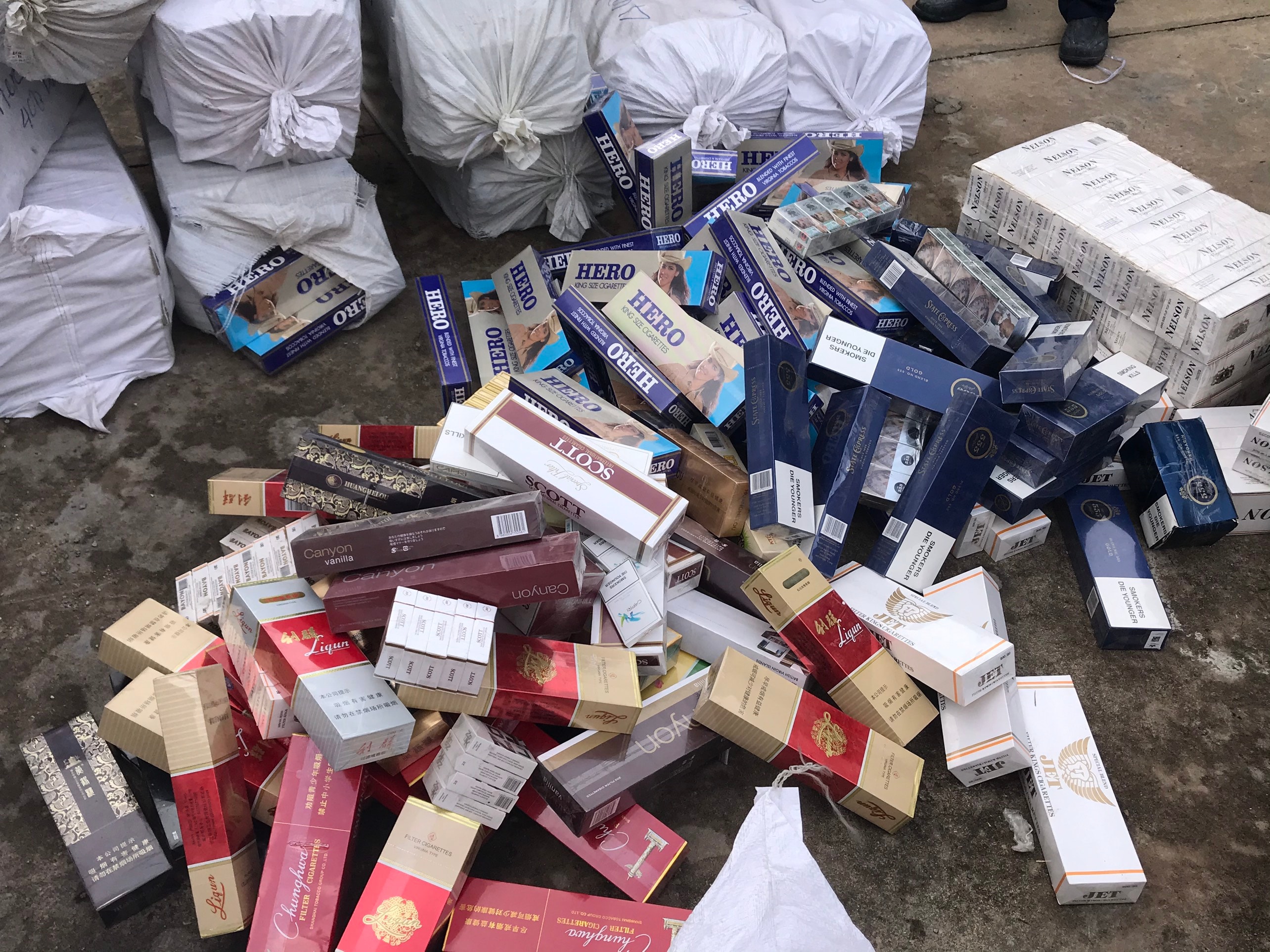
The sophisticated routes used by smuggled cigarettes.
In recent times, the smuggling of cigarettes within the country has continued to be complex, with increasingly professional, sophisticated, and difficult-to-control methods. Despite increased inspections and enforcement by authorities, the reality is that this remains a long-term battle as smugglers constantly change their methods to evade detection.
According to authorities, those involved in smuggling cigarettes operate discreetly, only dealing with acquaintances introduced by others and limiting contact with strangers to avoid detection. Notably, the goods are often divided into smaller quantities of less than 1,500 packs to avoid the threshold for criminal prosecution. The transportation process does not follow a fixed schedule but uses various means of transport such as passenger buses, trucks, and even involves multiple transit points, making tracking difficult.
A worrying trend is that smuggled cigarettes are being mixed in with express delivery packages, especially through cash-on-delivery (COD) services. Thanks to the fast delivery process and customer information security policies, inspection and tracing have become much more complicated.
Popular items include 555, Esse, Marlboro, Thunderbay cigarettes, cigars, and cigarettes with Chinese labels. The enormous profits are the main reason why smuggled cigarettes continue to thrive. Mr. Le Duc Tuan, Deputy Head of the Planning and Operations Department, Anti-Smuggling Investigation Sub-Department (Customs Department), stated that because smuggled cigarettes are not subject to taxes and their selling price is usually lower than legal cigarettes, while consumer demand for foreign cigarettes remains high, smugglers are willing to disregard the risks to engage in this trade. According to Mr. Le Duc Tuan, in many border areas, people's lives are still difficult, and their legal awareness is limited, making them easily susceptible to being lured by smuggling rings into participating in transporting goods for hire.
A survey conducted by Dr. Nguyen Quoc Viet (Faculty of Economics - Vietnam National University, Hanoi) in An Giang, Can Tho, Da Nang, and Khanh Hoa revealed a worrying paradox: the majority of those involved in the illegal cigarette trade are fully aware of the law but continue to sell because of the high profits. According to the survey, in many localities, the percentage of sellers who believe "as long as there are customers, I will continue selling" ranges from 38% to over 70%. The mentality of "less likely to be punished" or "low penalties" makes the violation seem like a cost-profit equation.
Ms. Phan Minh Thuy, Head of the Policy and Legal Consulting Department, Legal Affairs Committee, Vietnam Chamber of Commerce and Industry (VCCI), believes that administrative penalties in Vietnam are currently insufficient to deter violations compared to many countries in the region. “Currently, the highest administrative fine in Vietnam is 100 million VND, which is less than 4,000 USD. Compared to GDP, this ratio is less than 0.8 times GDP, while in Singapore it is 2.47 times, Malaysia 7.45 times, and Thailand 1.88 times. If Vietnam's fines are modest, violators may easily consider the fine as an 'operating cost' in their business,” Ms. Thuy analyzed.
What can be done to completely resolve the issue?
According to experts, addressing the root cause of smuggled cigarettes requires a more comprehensive approach instead of focusing solely on border control.
According to Mr. Dang Van Dung, Deputy Head of the Standing Office of the National Steering Committee for Combating Smuggling, Commercial Fraud, and Counterfeit Goods, after more than 10 years of implementing Directive No. 30/CT-TTg, the situation of cigarette smuggling has been controlled and significantly reduced. From 2014 to 2025, functional forces have detected and seized more than 110 million packs of cigarettes and more than 388 tons of tobacco leaves.
However, according to Mr. Dung, smuggling activities still harbor many complex factors, especially in the context of increasing demand for e-cigarettes and heated tobacco products, particularly among young people. With high profit margins, smugglers will continue to find ways to illegally transport these products via land, sea, air, and even through e-commerce platforms.
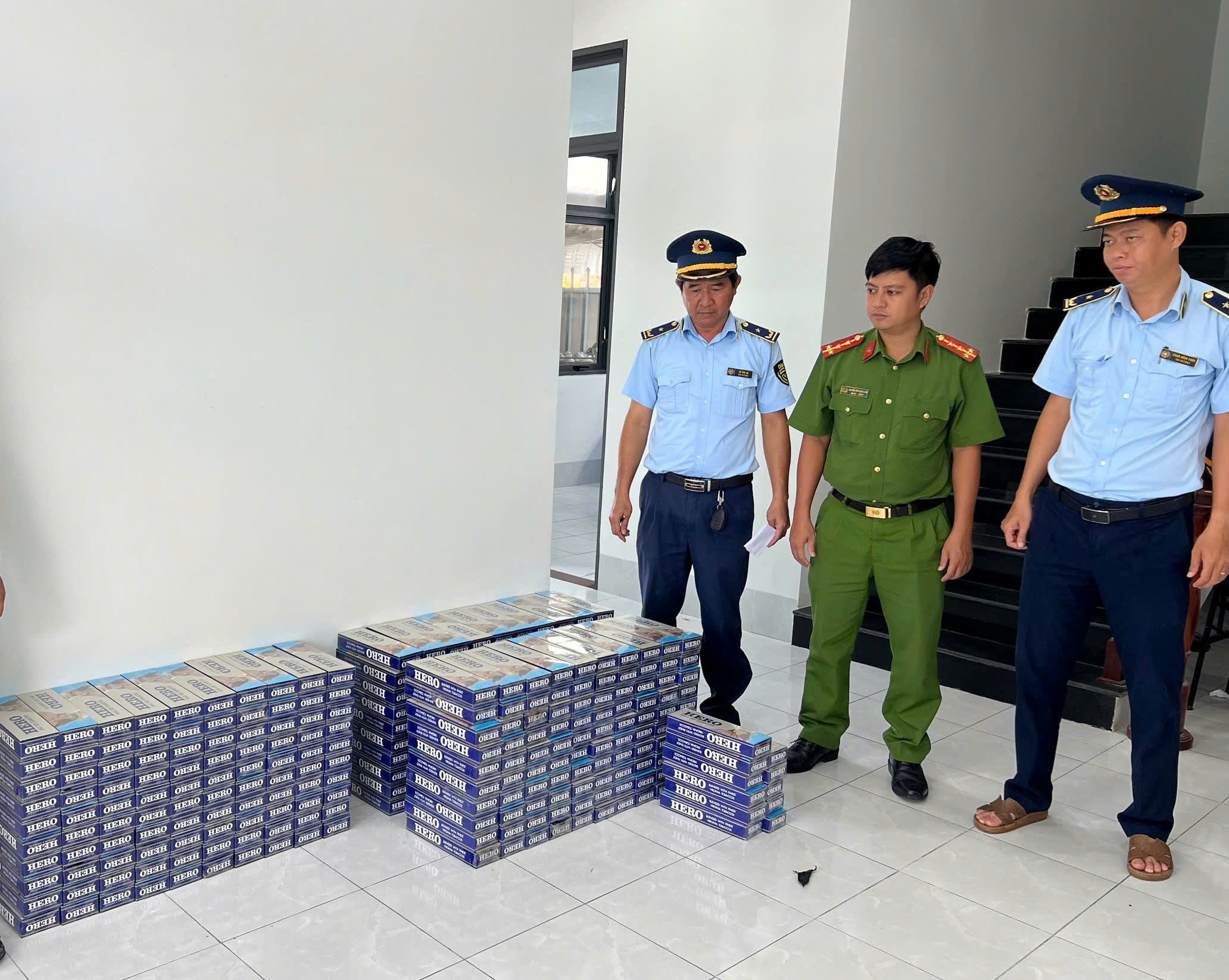
In light of this situation, many believe that it is necessary to quickly finalize the legal framework in a way that is consistent, clearly defines responsibilities, and is sufficiently deterrent.
Mr. Nguyen Chi Nhan, Secretary General of the Vietnam Tobacco Association, proposed continuing to launch special investigations in key areas to completely dismantle transnational tobacco trafficking rings and severely punish ringleaders, especially those who re-offend. In addition, it is necessary to strengthen control over illegal tobacco trading activities online through coordination between functional forces to review and remove violating accounts and groups.
Mr. Le Duc Tuan also proposed significantly increasing administrative penalties for the illegal trade of cigarettes and implementing them promptly before the cigarette tax increase policy takes effect in 2027. According to him, this is a solution that directly impacts the behavior of sellers, thereby limiting the supply of smuggled cigarettes on the market.
Experts also believe that effectively controlling smuggled cigarettes requires shifting the focus from the border to the domestic market, especially at the retail level. Increasing inspection frequency, tightening e-commerce management, raising penalties, and implementing new policies early in 2026 are considered urgent solutions to control the market in the face of upcoming tax changes.
Smuggled cigarettes are not just a simple case of illegal trading; they are directly related to budget revenue losses, distorted market competition, and the effectiveness of state management. As long as the profits from smuggled goods outweigh the risks, the fight against cigarette smuggling will remain challenging.
Source: https://hanoimoi.vn/thuoc-la-lau-vi-sao-chua-the-triet-tan-goc-750918.html




































![[Image] Hanoi's urban life under the challenge of a "scorching hot" environment](https://vphoto.vietnam.vn/thumb/1200x675/vietnam/resource/IMAGE/2026/05/25/1779706979265_nang-nong-t5-2026-minh-duy-7-4636-jpg.webp)





































































Comment (0)