

Beyond solving traffic congestion problems, key infrastructure projects also expand development space, promote regional connectivity, and create new growth drivers for the capital and the northern region. The bustling construction activity on the sites today is the foundation for Hanoi 's modern urban landscape in the future.
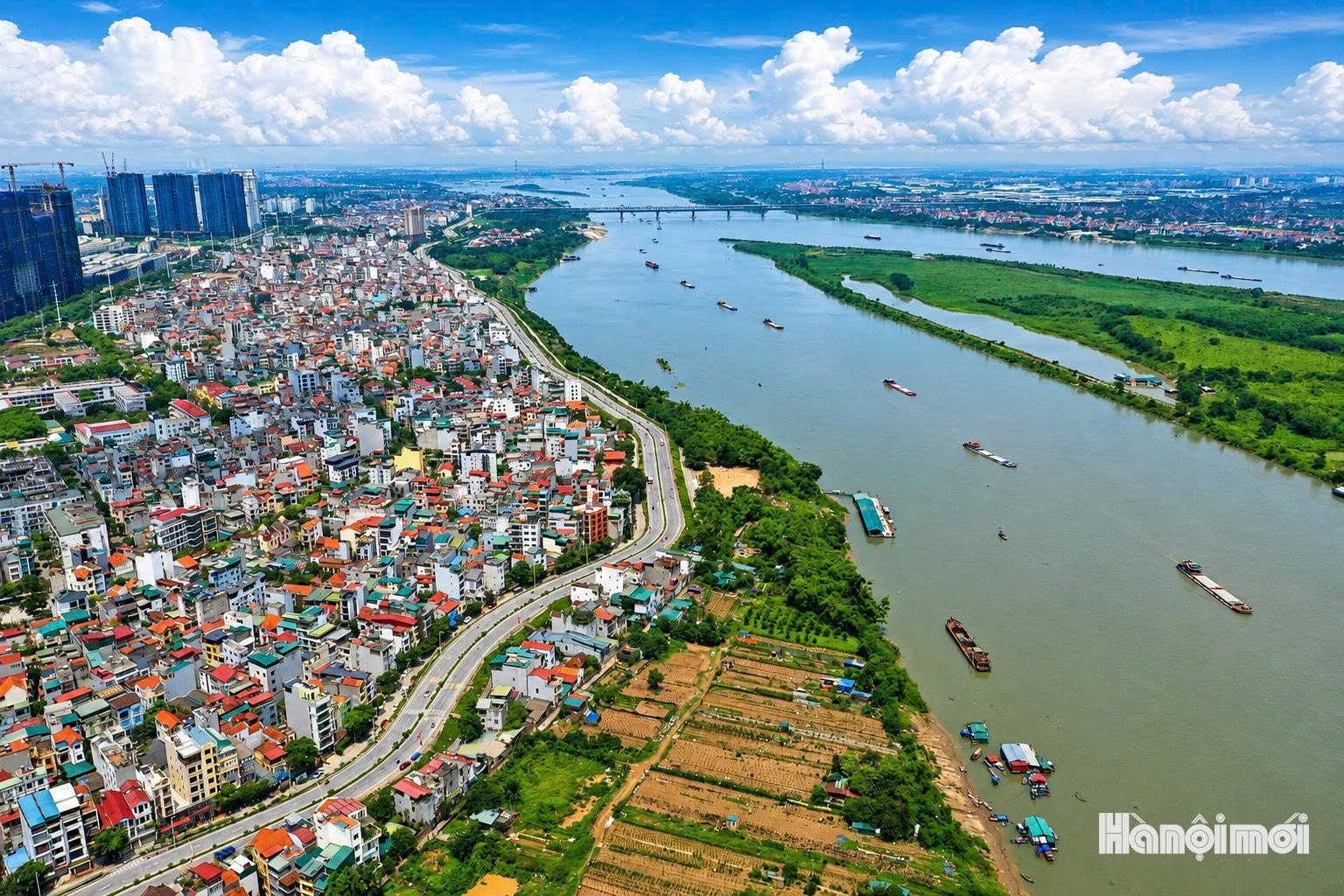
These bridges expand the development space on both banks of the Red River.
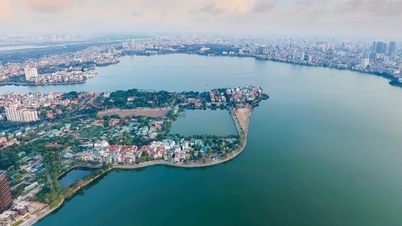
The Red River has long served as both a central landscape axis and a natural barrier to Hanoi's urban expansion. Over the years, traffic pressure on existing bridges such as Chương Dương, Vĩnh Tuy, Thanh Trì, and Nhật Tân has made the need for new connecting routes more urgent than ever.
In this context, Hanoi's simultaneous construction of seven major bridges – Tu Lien, Tran Hung Dao, Ngoc Hoi, Thuong Cat, Hong Ha, Me So, and Van Phuc – is considered a strategic breakthrough in the development of the capital's transportation infrastructure. These bridges not only create additional cross-river connecting routes but also open up new development opportunities for thousands of hectares of land on both banks of the Red River, promoting population decentralization, the development of satellite cities, and strengthening links with provinces in the Capital Region.
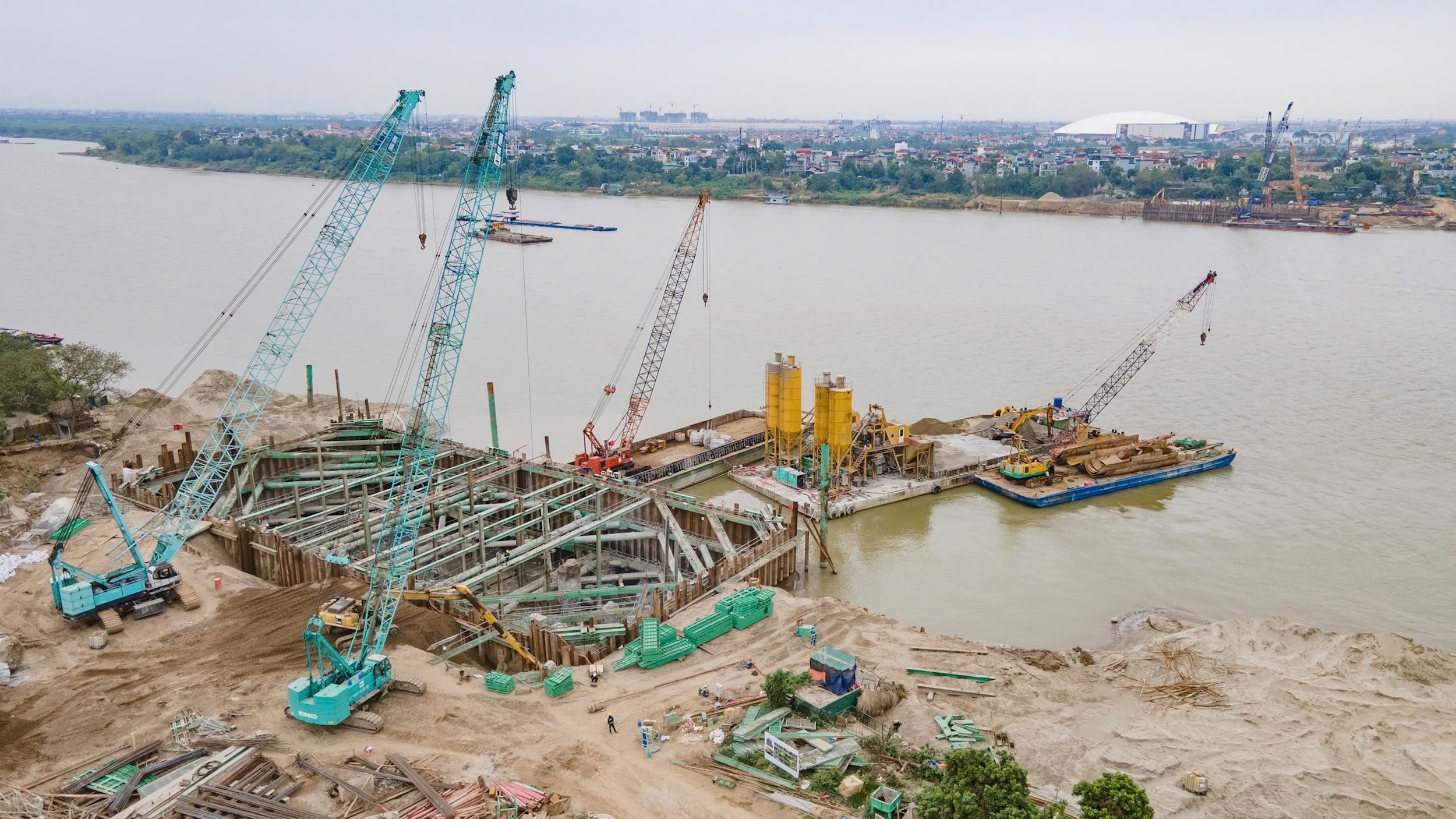
At the Tu Lien Bridge construction site – one of the projects expected to create a new architectural landmark for Hanoi – construction is proceeding at a very urgent pace.
On-site observations show that from the main tower in the middle of the river to the intersections, underpasses, and approach roads at both ends of the bridge, hundreds of engineers, workers, and modern machinery are working continuously. The sounds of drilling machines and cranes installing steel reinforcement blend with the rapid pace of construction, creating a vibrant scene on the large construction site along the Red River.
To date, all 84 bored piles for the two main piers P37 and P38 have been completed, and the construction units are now focusing on the pier foundations. Many other important items, such as the National Highway 5 underpass and the Nghi Tam intersection, have also achieved significant progress. Alongside construction, land clearance work continues to be vigorously implemented by local authorities to ensure progress as directed by the city.
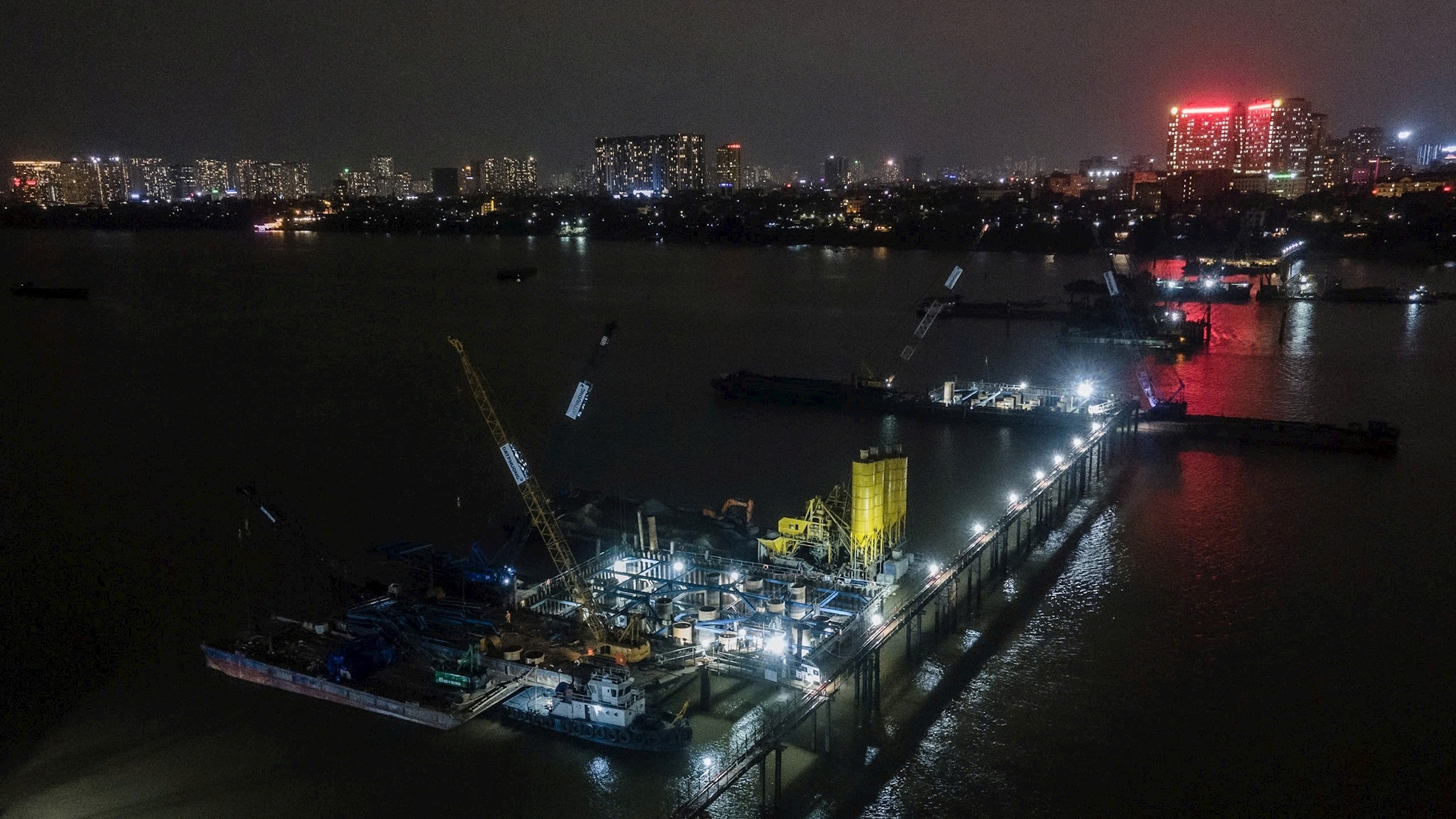
Along with the Tu Lien Bridge, the Tran Hung Dao Bridge project is also creating a vibrant construction atmosphere in the heart of the capital. On the construction site, the "3 shifts, 4 teams" model is maintained continuously day and night. Dozens of construction teams are organized simultaneously at the main bridge, approach bridges, and approach roads at both ends of the bridge.
Under the scorching early summer sun, powerful pile drilling machines continue to operate without interruption. Barges transport materials back and forth on the Red River, serving the construction of the bridge piers in the middle of the river. Many pier foundation sections have been completed, and the units are urgently installing the reinforcement steel and preparing to pour concrete for the pier shafts.
According to the contractors, the period before the rainy season is particularly important. Taking advantage of favorable weather conditions to accelerate the progress of the riverbed projects will determine the ability to achieve the set goals in the coming years.
One of the key factors contributing to the positive progress of the Red River bridge projects in recent times is the decisive involvement of local authorities in land clearance. In Hong Ha ward, where over 338,000 m² of land is being reclaimed for the Tu Lien and Tran Hung Dao bridge projects, affecting more than 1,200 households, the local government has established numerous working groups, directly visiting each residential area to disseminate information, mobilize support, and listen to the concerns and aspirations of the people.
Instead of focusing solely on administrative procedures, the locality implemented a "one-stop shop" model, combining the receipt of applications, dialogue, and resolution of requests with the payment of compensation and support funds directly at the residents' residences. Cases with remaining concerns were directly discussed and thoroughly explained by specialized departments of the city and locality, helping people understand their rights, obligations, and the significance of the projects for the long-term development of the capital.
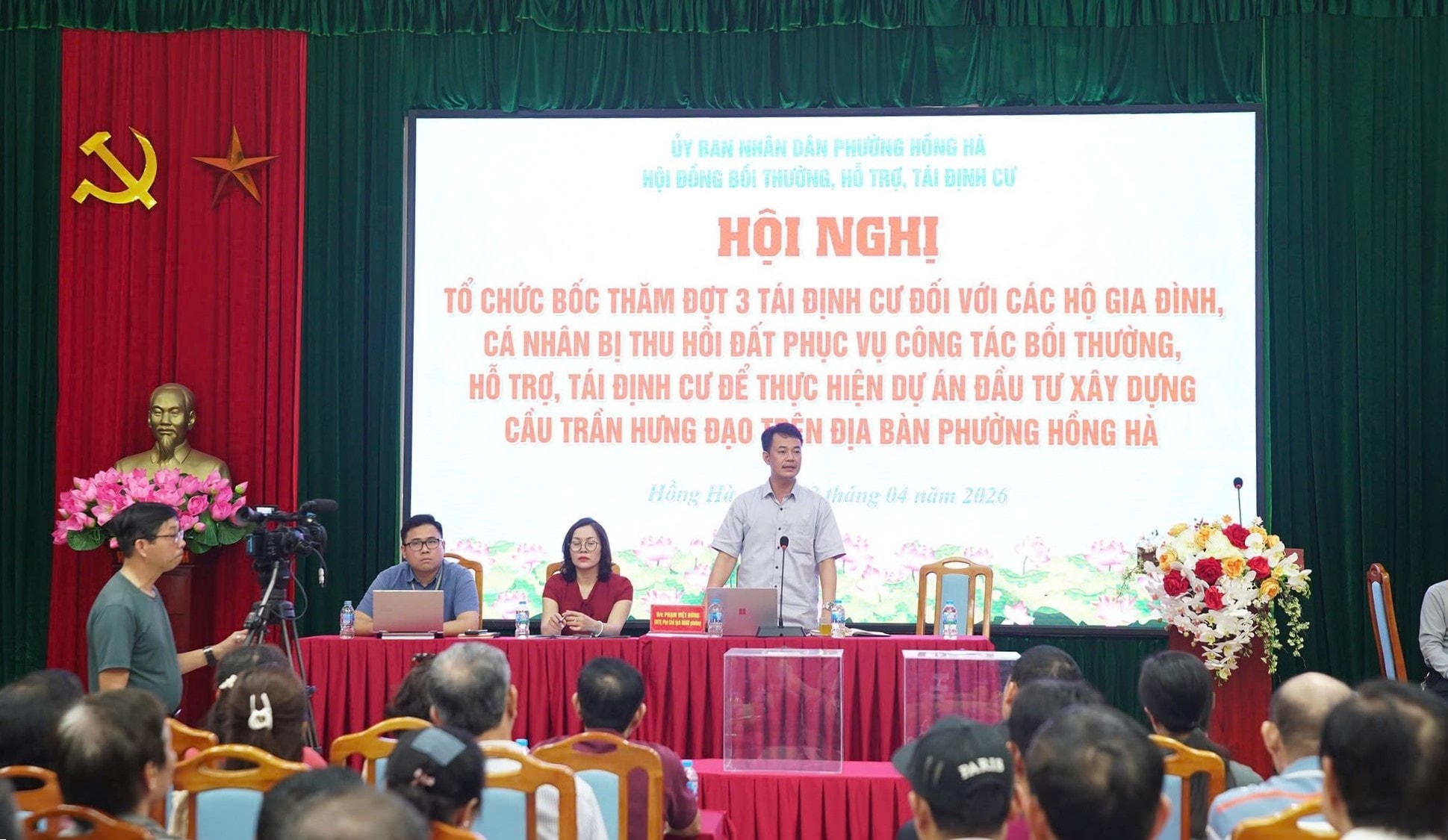
The proactive, people-oriented approach, focusing on dialogue, not only contributed to shortening the land clearance time but also created high social consensus. Many households voluntarily handed over their land early, creating favorable conditions for contractors to start construction immediately after the land was cleared. This is considered one of Hanoi's noteworthy experiences in implementing strategic infrastructure projects, ensuring a balance between development requirements and the legitimate rights of the people.
Beyond their purely transportation function, the new bridge system is also expected to bring about fundamental changes in urban development structure. Once completed, the distance between central Hanoi and Dong Anh, Me Linh, Dan Phuong, Hoai Duc, or neighboring areas such as Hung Yen, Bac Ninh , and Vinh Phuc will be significantly shortened.
Urban planning experts believe this will be a crucial driving force in promoting the formation of new growth poles, effectively utilizing land on both sides of the Red River, reducing population pressure on the historical inner city area, and simultaneously creating a foundation for the multi-polar urban development strategy that Hanoi is pursuing.
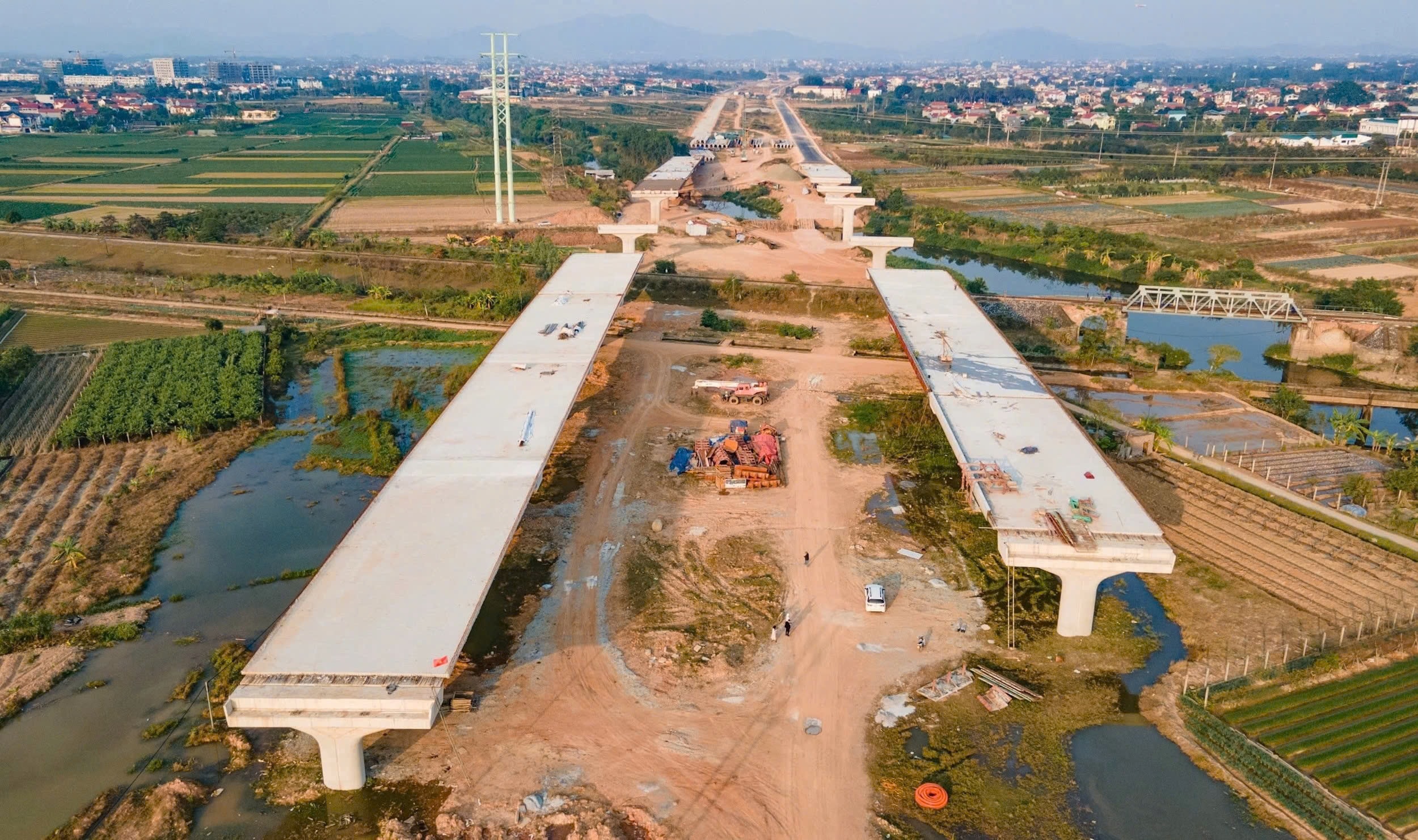
Ring Road 4 accelerates construction on a large inter-regional site.
If the bridges across the Red River are the links connecting urban spaces, then Ring Road 4 - Capital Region is the "backbone" of the future inter-regional transportation network.
Spanning over 113km and traversing Hanoi, Hung Yen, and Bac Ninh, this strategic infrastructure project holds particular significance for the development of the capital city as well as the entire Northern key economic region. Upon completion, the route will form a closed transportation ring, connecting radial expressways, reducing pressure on the inner city, and creating momentum to attract investment to suburban areas.
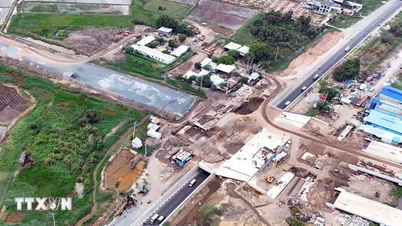
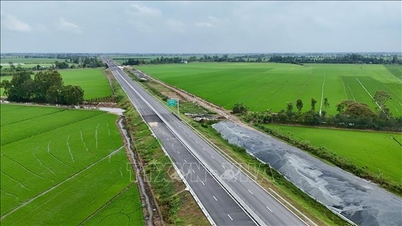
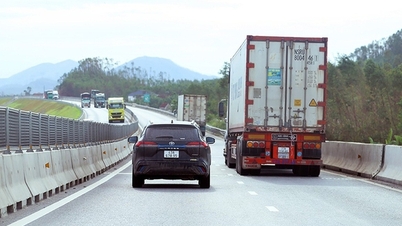
These days, traveling along the Ring Road 4, one can clearly feel the vibrant construction activity on many sections. Dozens of construction teams are operating simultaneously, from roadbeds, overpasses, and culverts to auxiliary technical items.
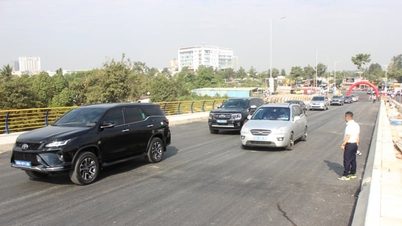
In Hanoi, the parallel road construction project has basically completed many bridge, culvert, and roadbed components. Dozens of kilometers of asphalt concrete have been completely laid. Many contract packages are entering the final stages of completing the lighting system, road marking, and traffic management. The value of work completed has reached approximately 85%, demonstrating the strong determination of the construction units.
Meanwhile, in Bac Ninh province, land clearance has been almost completely achieved. Resettlement areas are basically completed, creating conditions for people to stabilize their lives and hand over the land for the project. The parallel roadbeds on many sections of the route have taken shape clearly.
In Hung Yen province, all land clearance work has been completed. Construction of the parallel road has reached approximately 80% completion, creating an important foundation for accelerating progress in the next phase…
However, alongside the positive results, the projects still face numerous challenges. Fluctuations in fuel prices, construction materials, and transportation costs have directly impacted construction activities. Ensuring the supply of materials and maintaining the financial capacity of contractors are also issues that need to be addressed promptly to keep the progress on schedule.
.jpg)
During recent site inspections and progress review meetings for key projects, city leaders have repeatedly emphasized the need for localities to definitively complete land clearance, considering it a decisive factor for the success of strategic infrastructure projects. At the same time, investors and contractors must commence construction as soon as cleared land is available, avoiding delays that waste resources and negatively impact investment efficiency.
Looking from the brightly lit construction sites on Tu Lien Bridge and Tran Hung Dao Bridge to the massive Ring Road 4 construction site stretching across three provinces and cities, one can see Hanoi's strong determination to realize its strategic infrastructure development goals.
Every meter of road built, every bridge pier erected, represents not just a mere construction volume, but also the foundation stones for a new development space. Upon completion, Hanoi will have more modern connecting axes, expanding the scope of urban development, strengthening regional linkages, enhancing competitiveness, and creating sustainable growth momentum for the entire Capital Region for decades to come.
Source: https://hanoimoi.vn/ket-noi-ha-tang-mo-khong-gian-phat-trien-moi-cho-thu-do-972152.html
![[Photo] Standing Committee member of the Party Central Committee Tran Cam Tu working with the Central Inspection Committee](https://vphoto.vietnam.vn/thumb/1200x675/vietnam/resource/IMAGE/2026/05/28/1779969579668_ndo_br_bnd-2495-jpg.webp)














































































Comment (0)