

Specifically, the new guidelines update the diagnostic criteria for suspected cases, quantifying clinical symptom information in detail to make identification easier: A fever of 38°C and at least one specific symptom (headache, vomiting/diarrhea, abdominal pain, unexplained bleeding) and an epidemiological link within the past 21 days are mandatory.
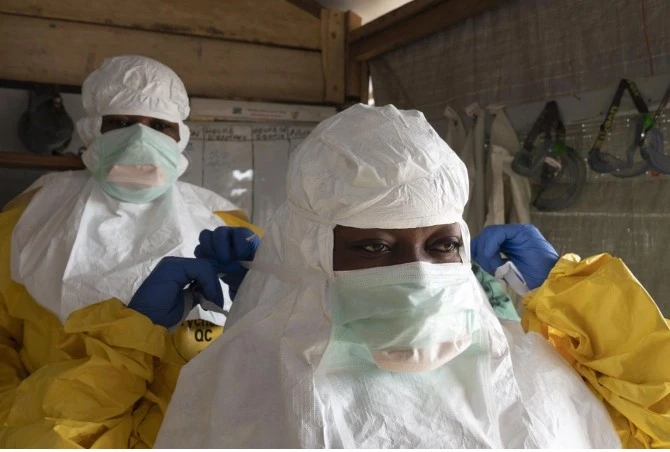
These epidemiological factors include: contact with the blood, bodily fluids, or belongings of a person confirmed or suspected of being infected with the Ebola virus; or travel from an area where the Ebola virus is circulating; or direct handling or contact with sick/dead animals infected with the Ebola virus.
Regarding treatment, the guidelines include additional nutritional and psychological support measures for patients. Special attention should be paid to monitoring treatment for the elderly, immunocompromised individuals, and children. Simultaneously, monoclonal antibodies specifically for the Zaire strain should be included.
Regarding close contact management, this version adds stricter regulations: Breastfeeding, blood donation, tissue donation, organ donation, or semen donation are prohibited within 21 days of the last contact with close contacts.
The Ministry of Health will continue to closely monitor the situation of dangerous infectious diseases worldwide. The Ministry also requests that provincial Departments of Health, central-level hospitals, and medical facilities nationwide urgently organize the dissemination, training, and preparation of plans for the serious implementation of these new professional guidelines.
As of May 22nd, Congo had recorded 750 suspected cases with 177 deaths; Uganda had recorded 2 imported cases, including 1 death. The causative agent is the Bundibugyo strain of the Ebola virus.
On May 17, the World Health Organization declared this a public health emergency of international concern (PHEIC).
Signs of Ebola infection
The disease presents with severe clinical manifestations, often including hemorrhagic syndrome and multiple organ failure, with an average mortality rate of 50% (ranging from 25% to 90%).
The average incubation period is 2-21 days.
Common symptoms include:
- Acute fever.
- Tired.
- Headache, muscle aches, sore throat.
- Vomiting/nausea.
- Diarrhea.
- Stomach-ache.
- Conjunctivitis.
- Rash: Initially, dark red, pinhead-sized papules are concentrated around hair follicles, later forming well-defined maculopapular lesions, and finally merging into a diffuse rash, usually within the first week of the illness.
- Symptoms of bleeding include black stools, bleeding at injection sites, coughing up blood, bleeding gums, blood in urine, and vaginal bleeding.
- Other symptoms: shock, multiple organ failure (liver failure, kidney failure...).
All suspected cases must be examined at the hospital, isolated, and samples taken for specific diagnostic testing. Confirmed cases require hospitalization and complete isolation.
Source: https://baolaocai.vn/ti-le-tu-vong-do-ebola-co-the-len-toi-90-post900366.html

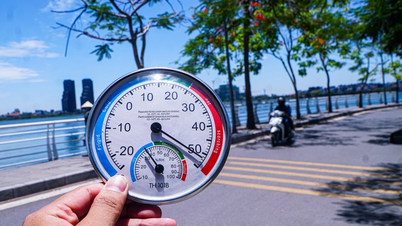
![[Image] Hanoi's urban life under the challenge of a "scorching hot" environment](https://vphoto.vietnam.vn/thumb/1200x675/vietnam/resource/IMAGE/2026/05/25/1779706979265_nang-nong-t5-2026-minh-duy-7-4636-jpg.webp)





























































































Comment (0)