

Despite achieving many positive results in administrative reform, Quang Ninh province recognizes that there are still bottlenecks that need to be addressed to promote sustainable development. Therefore, the province continues to implement decisive solutions to streamline the apparatus, accelerate digital transformation, improve operational efficiency, and move towards a modern, professional administration that better serves the needs of citizens and businesses.
According to the report evaluating and analyzing the results of the PAR INDEX, SIPAS, DDCI, DGI, and DTI indices for 2024 of agencies, units, and localities in the area, many important indicators have changed and improved. Specifically, the Public Administration Reform Index (PAR INDEX) increased by 1.27% compared to 2023, reaching 87.12%; the satisfaction rate of people and businesses reached 95.97%, an increase of 0.69%; the competitiveness index of departments, sectors, and localities (DDCI) all recorded growth; the effectiveness of district-level governance (DGI) reached 92.29%, an increase of 1.29%; and the level of digital transformation (DTI) increased from 9.1% to 21%.
However, the report also points out limitations such as: 2.2% of applications are delayed, 0.38% of citizens report still encountering troublesome civil servants, and 0.23% report instances of being asked to pay additional fees beyond regulations. Difficulties and obstacles faced by businesses have not been resolved promptly, failing to unlock resources for development. Digital transformation has not yet achieved a breakthrough.
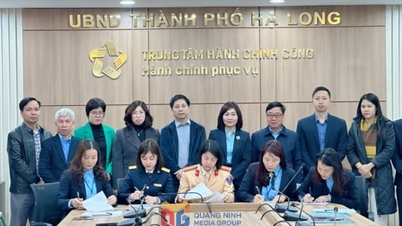
In response to these shortcomings, Quang Ninh province continues to implement decisive solutions to comprehensively improve the effectiveness of administrative reform in all agencies within the province. Accordingly, the streamlining of the administrative apparatus is being accelerated through reorganization to increase efficiency and effectiveness while ensuring that it does not affect the operations of the state, businesses, and citizens. During the reorganization process, all levels of government, from the province to the grassroots, must unify their actions and prioritize the interests of citizens and businesses. The two-tiered local government model is being implemented with a clear roadmap, ensuring stability and uninterrupted operations.

Digital transformation is identified as a crucial foundation for enhancing transparency in administrative management. Information systems are being built to connect and share data, minimize paperwork, upgrade online administrative procedures, and integrate features from the VNeID electronic identification application to facilitate citizens and businesses. Upgrading the information system and ensuring smooth operation is an urgent task, helping to eliminate shortcomings and prevent delays in processing applications due to technical errors.
Simultaneously, the province also focuses on improving the capacity of officials and civil servants, ensuring a workforce with sufficient qualifications and qualities to best serve the needs of citizens and businesses. At the same time, it promotes training and skill development; and strictly handles cases of violations of administrative discipline and regulations to improve the quality of service provided by administrative agencies. Leaders at all levels are required to proactively delegate authority and authority, avoiding overlapping responsibilities or delays due to a lack of flexibility in handling tasks.
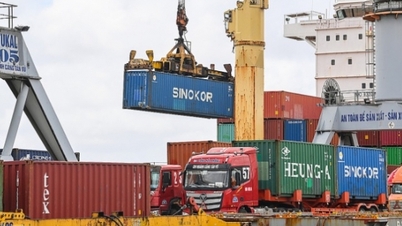
Public finance reforms will also be vigorously implemented, including promoting the application of information technology in budget management to reduce costs for businesses. The effectiveness of centralized tax management systems and automated customs clearance will be enhanced to save time and resources for organizations and businesses. Further improvements in financial and budgetary transparency will be made to promote accountability and strengthen the confidence of the business community.

In addition to improving the business environment, Quang Ninh province focuses on quickly and proactively resolving difficulties and obstacles faced by investors, preventing delays that could affect investment flows. It also strengthens coordination among departments, agencies, and localities to thoroughly address bottlenecks in the disbursement of public investment capital, ensuring the timely implementation of key projects.
With the goal of improving governance efficiency and promoting strong reforms, Quang Ninh province has set a target of reducing administrative procedure processing time by at least 30%, creating a more open and attractive business environment. The synchronized and decisive implementation of these reform solutions will serve as the foundation for the province to continue attracting investment and promoting sustainable socio -economic development in the next phase.
Viet Hung
Source































































































Comment (0)