

The smartphone market is already very diverse and fiercely competitive, but the next two years promise to be even more exciting with the iPhone and Galaxy .
Major changes are underway, not just from Apple or Samsung, but across the entire mobile industry.
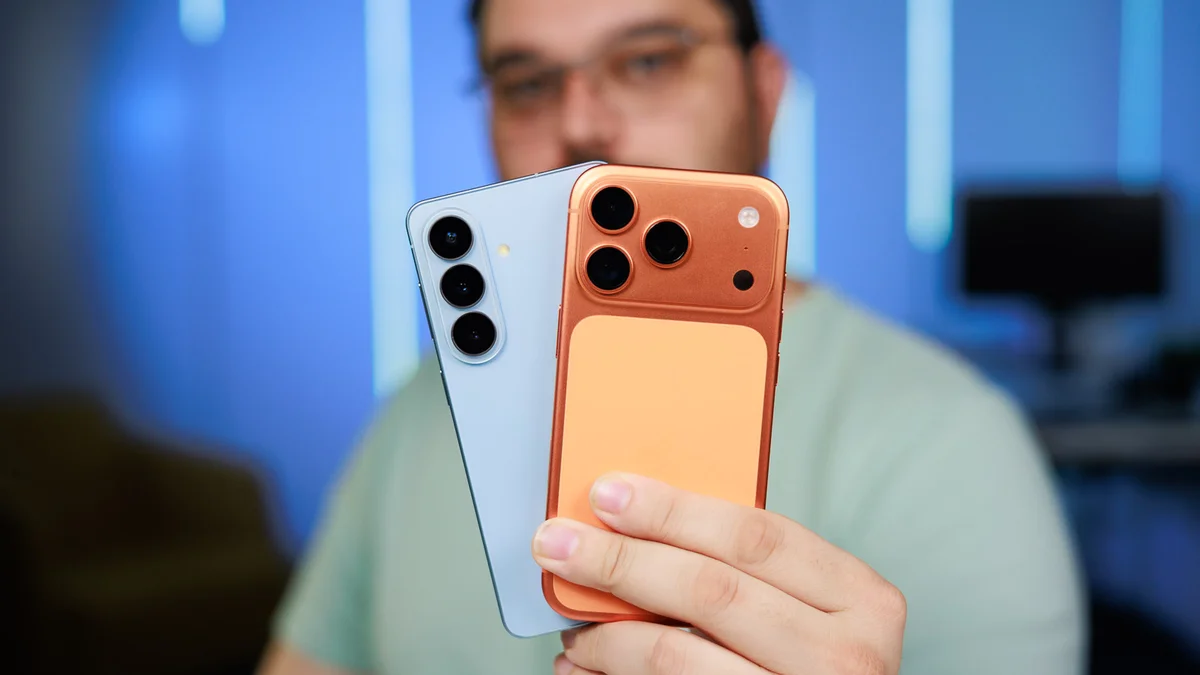
The upcoming flagship phones from these two tech giants are expected to bring bold upgrades in both design and user experience. More importantly, these new ideas are likely to become a general trend, forcing other Android manufacturers to quickly follow suit in order to compete.
The era of foldable phones is entering a new chapter.
For many years, foldable smartphones have followed a familiar formula: the outer screen has the shape of a regular phone, and when unfolded, it reveals a larger, square-shaped screen inside. This design works effectively, but the market lacks groundbreaking ideas.
That is starting to change.
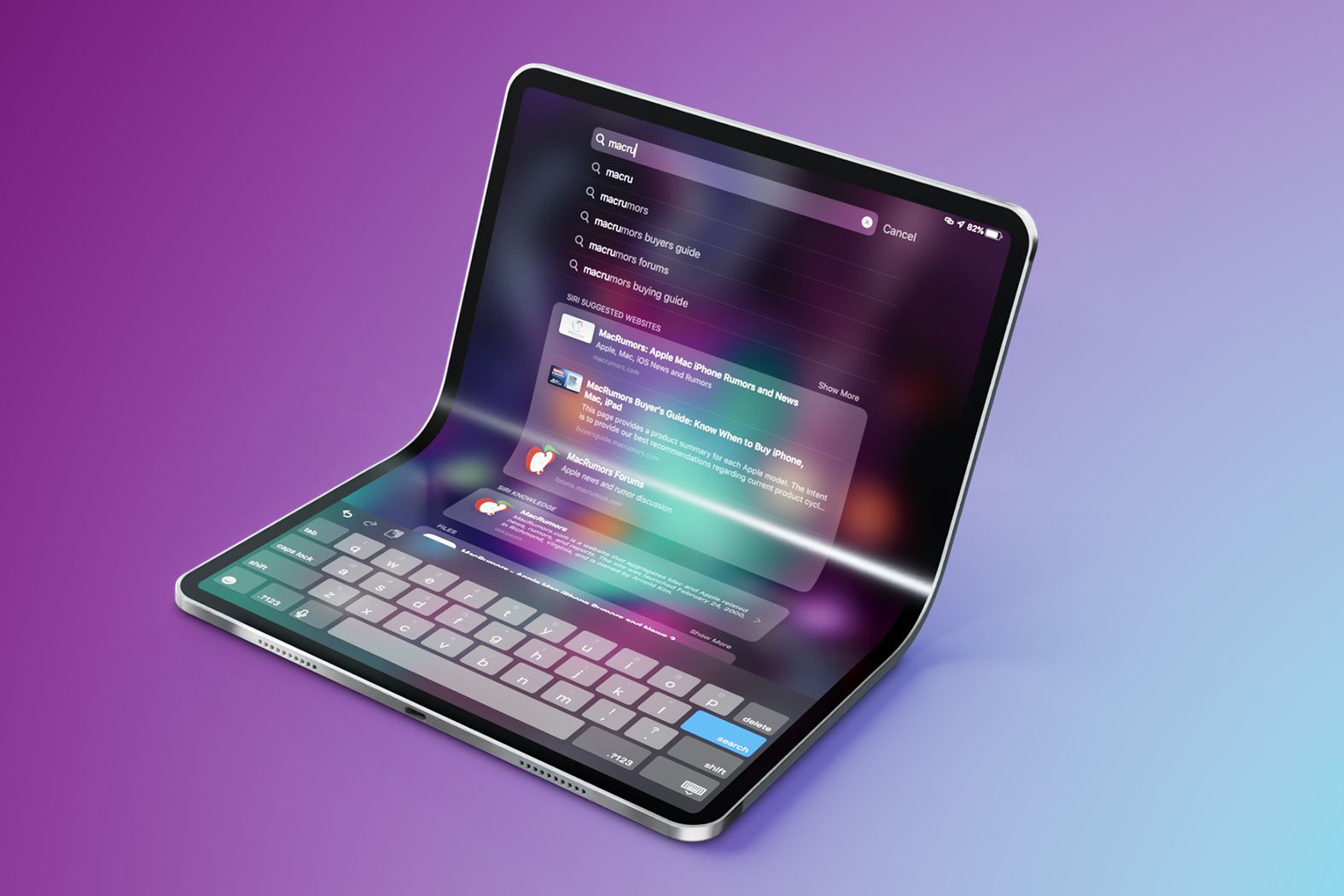
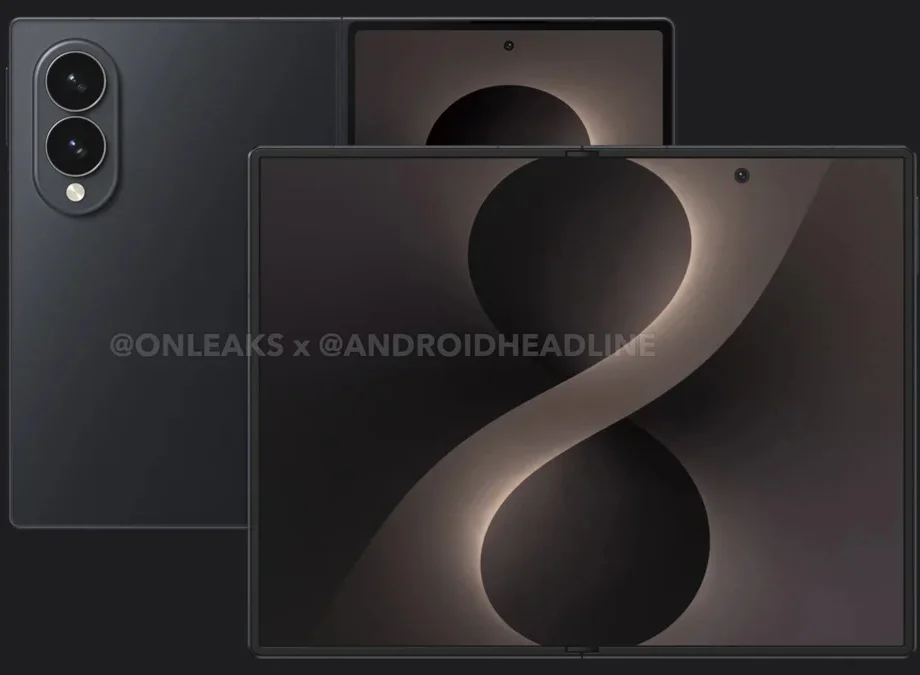
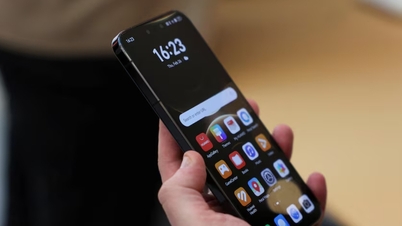
Huawei pioneered a new trend with the Huawei Pura X series and its Pura X Max version, launched in April. Instead of the traditional vertical fold, this device uses a wider horizontal folding design, making watching movies, entertainment, or reading content more natural. When folded, it's also easier to hold with one hand compared to current Fold models.
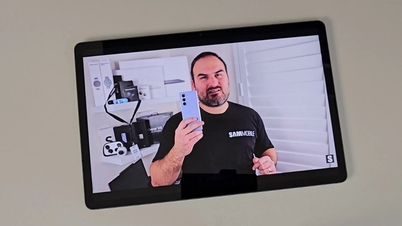
If the leaks are accurate, Samsung will continue to push this direction at its foldable phone launch event in July. Besides the familiar Samsung Galaxy Z Fold 8, the company is expected to release a Galaxy Z Fold 8 Wide version, also known as the Galaxy Z Wide Fold. This will also be a horizontally folding phone, similar to the concept Huawei is pursuing.
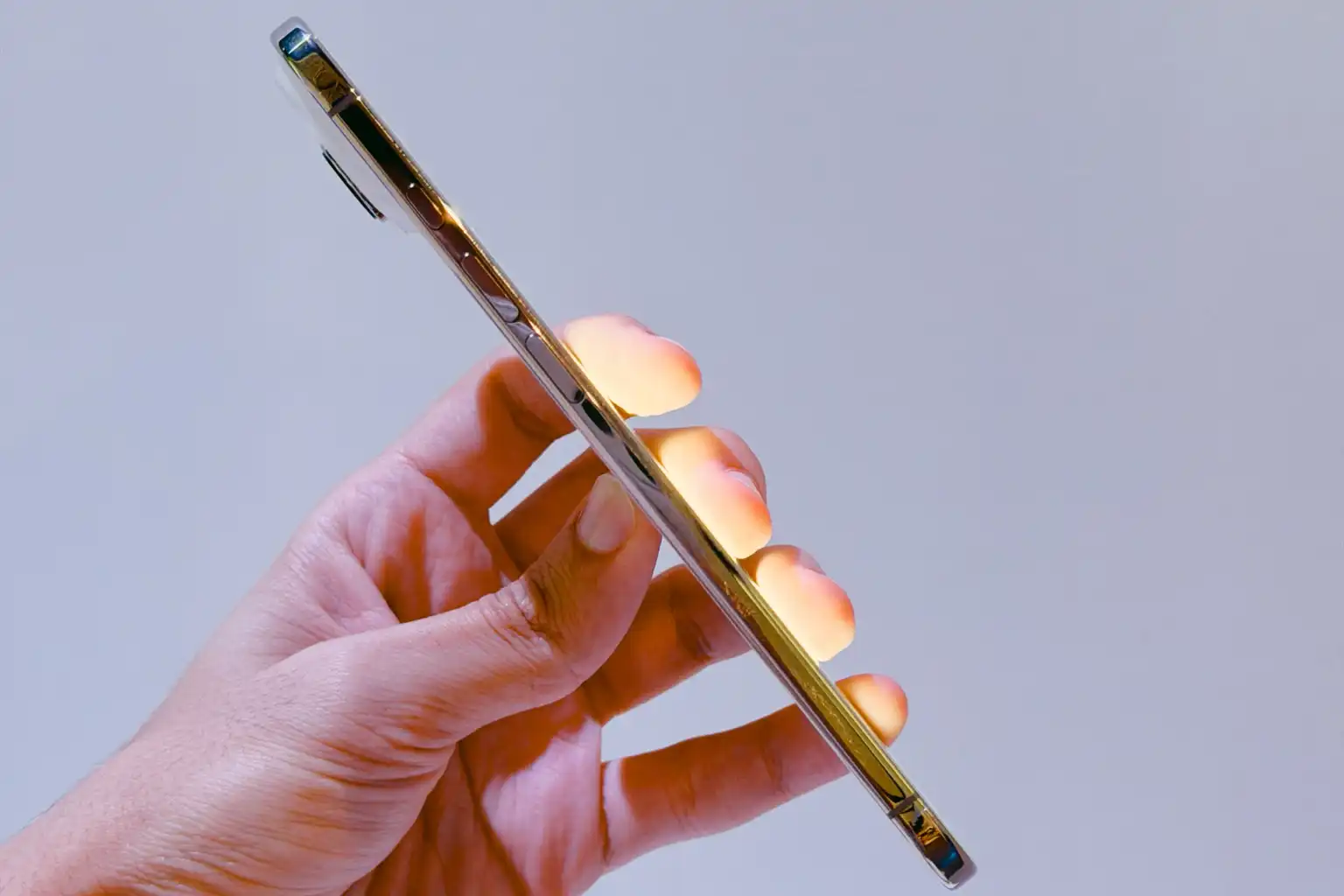
Meanwhile, Apple is expected to officially enter the game with its first foldable iPhone, tentatively called the iPhone Ultra, launching later this year. Following the unexpected success of the Huawei Pura X Max in many markets, both Samsung and Apple believe that this new design can be very appealing to users.
If this trend proves commercially successful, many other Android manufacturers will undoubtedly join in quickly. It's not out of the question that new horizontally folding phone models will gradually replace the traditional Fold design that is currently popular.
A bezel-less iPhone will usher in a new trend for the entire industry.
However, the most exciting change is perhaps not yet in foldable phones.
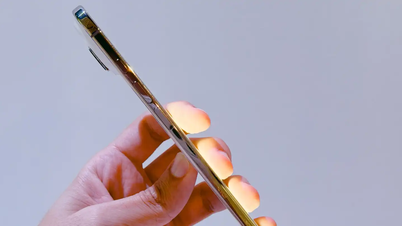
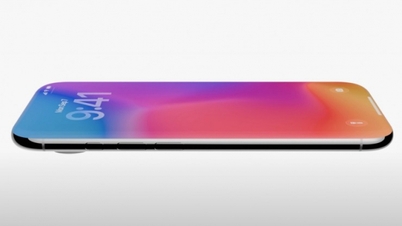
According to numerous industry sources, Apple is preparing for a landmark leap forward with the iPhone 20 Pro, expected to launch next year. This could be the first iPhone to feature a truly "full-screen" display: no bezels, no notch, no Dynamic Island, and no punch-hole camera.
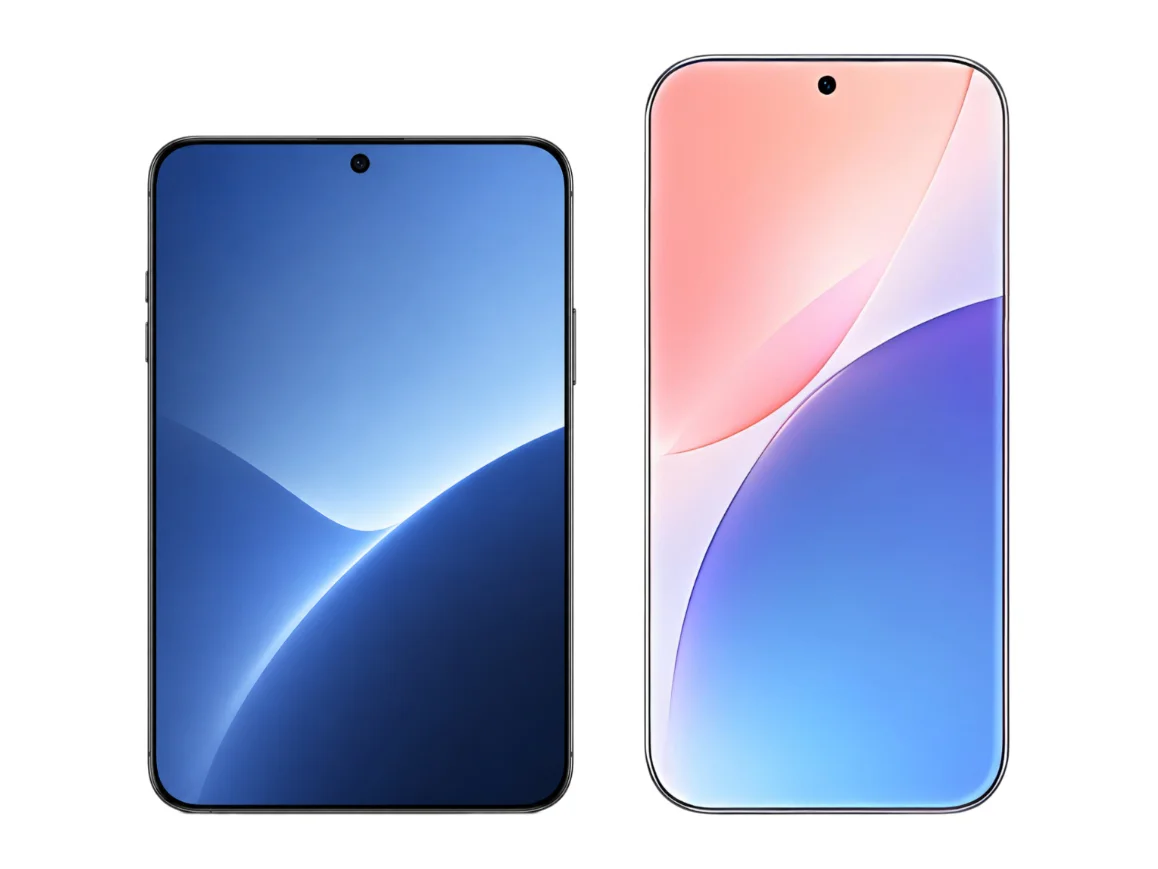
If under-display camera technology is perfected on schedule, users will have a completely seamless display experience, something the smartphone industry has been pursuing for almost a decade.
Not only Apple, but many Android phone manufacturers are also researching this type of screen for future devices. The tech industry expects the "borderless" trend to spread rapidly, just like how the notch screen trend exploded across the market before.
Once smartphones achieve a truly full-screen design, the experience of watching videos , playing games, and using them daily will change dramatically. This could be the biggest leap in design since smartphones transitioned from physical buttons to fully touchscreen displays.
Future smartphones will have a completely different shape than they do today.
Beyond changes in screen bezels or folding capabilities, tech companies are also researching entirely new aspect ratios.
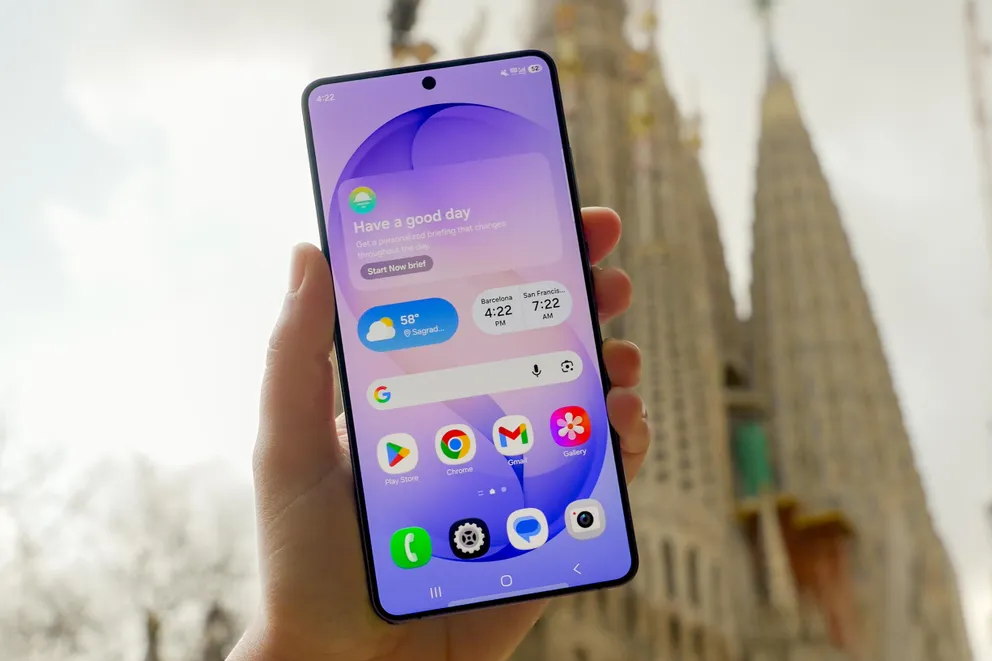
Numerous reports suggest that future smartphone models may be shorter but wider, instead of the current long and narrow design. This indicates that the entire smartphone design philosophy is being reconsidered in the labs of Apple, Samsung, and many other technology companies.
The goal is to find a new model that is more intuitive, easier to use, and better suited to modern entertainment needs.
Conversely, screen sizes are also increasing rapidly. In the near future, smartphones with screens exceeding 7 inches may become commonplace. This means consumers will have more choices, from ultra-compact phones to devices that closely resemble mini tablets.
Although smartphones remain the most important technological device today, many are beginning to question: are we witnessing the final golden age of smartphones?
The idea of smart glasses replacing smartphones was once considered far-fetched. But things are changing very quickly.
Meta has made a major leap forward with its Ray-Ban Meta smart glasses line, which integrates a screen and AI. Compared to the first generation of smart glasses, which only had cameras and speakers, the current experience is much more immersive.
More importantly, major smartphone manufacturers are also joining this game. Samsung recently announced its Android XR smart glasses platform after years of development, and Apple is also reportedly quietly building its own AR glasses ecosystem.
Once the glasses from your favorite phone brand can display notifications, provide navigation, translate languages, or offer AI support right in front of your eyes, your technology usage habits could change completely.
Of course, smartphones aren't going to disappear anytime soon. But it's very possible we're entering the biggest transition period since the first iPhone appeared in 2007.
And before AR glasses truly become a mainstream device, the next two years of the smartphone world promise to be the most exciting, innovative, and anticipated period in many years.
(According to PhoneArena, Macworld)
Source: https://vietnamnet.vn/tiet-lo-day-hap-dan-ve-iphone-va-galaxy-cua-2-nam-toi-2519072.html


![[Image] Hanoi's urban life under the challenge of a "scorching hot" environment](https://vphoto.vietnam.vn/thumb/1200x675/vietnam/resource/IMAGE/2026/05/25/1779706979265_nang-nong-t5-2026-minh-duy-7-4636-jpg.webp)

![[Image] Close-up view of the interchange connecting the two expressways and Long Thanh Airport.](https://vphoto.vietnam.vn/thumb/1200x675/vietnam/resource/IMAGE/2026/05/25/1779703378210_ndo_br_z7863716673926-224453a31600126cce10622af6290afd-4549-jpg.webp)




























































































Comment (0)