

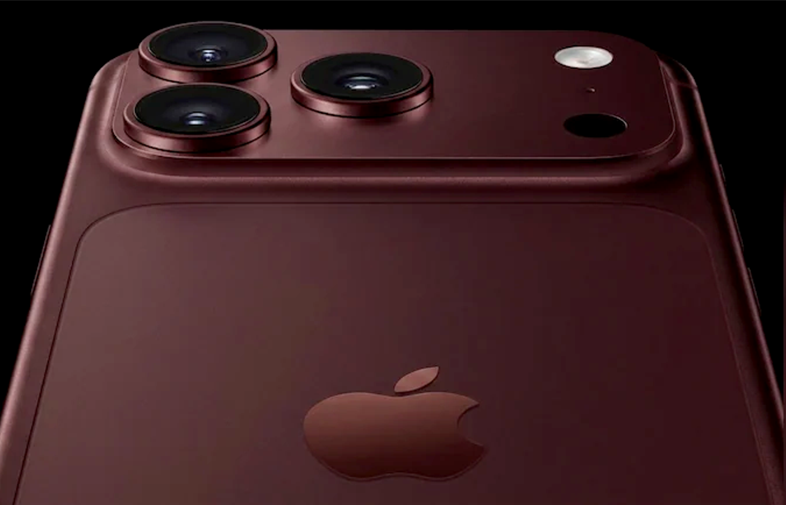
This is the thinnest iPhone Apple has ever produced, and it's also seen as the clearest glimpse into the future of smartphones.
When the new iPhone lineup officially went on sale on September 19th, almost all discussions revolved around the iPhone Air.
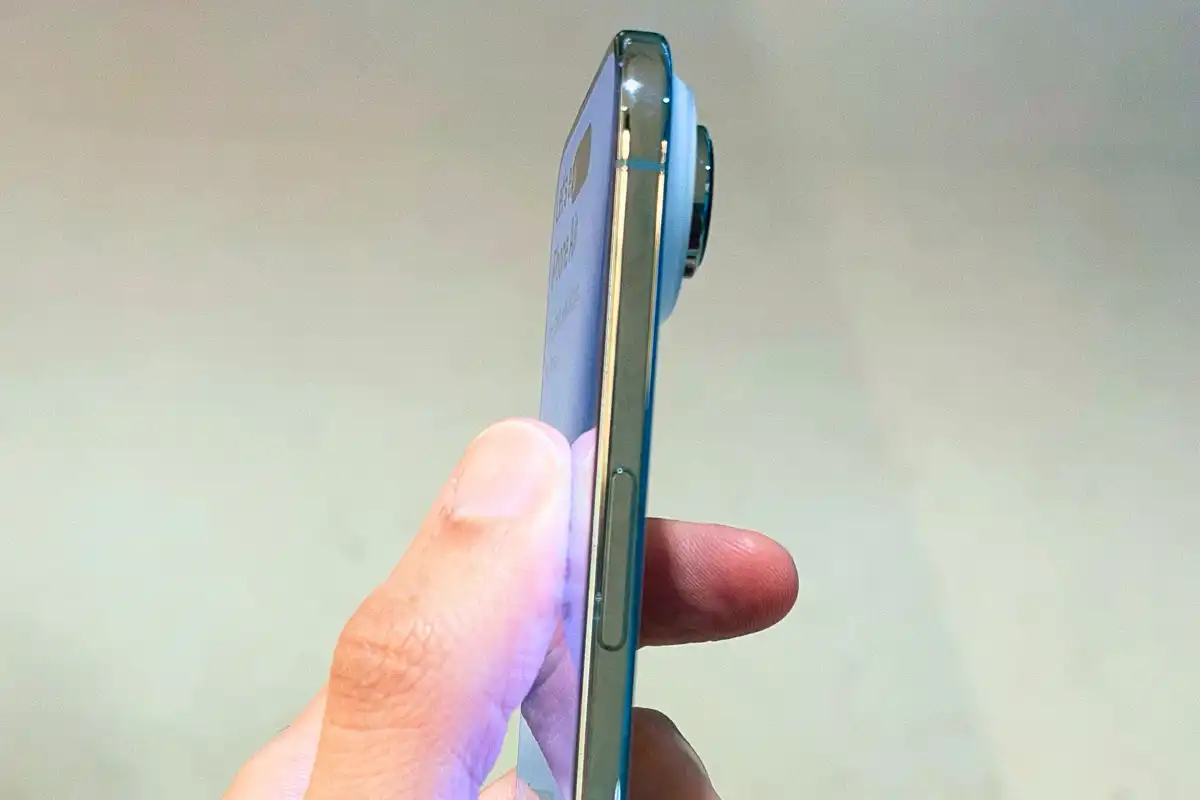
But months after its launch, the market reality told a completely different story. Very few people actually chose to buy the iPhone Air over its "siblings" in the iPhone 17 lineup.
Those who own this device have praised it highly. It's also one of the few iPhone models that received a price reduction relatively early without any strings attached.
The device's design has even been lauded as one of Apple's most beautiful achievements in recent years.
However, iPhone Air sales still fell short of expectations. And that raises an interesting question: Do consumers actually need a "dream" smartphone like they once imagined?
The iPhone is something everyone admires when they hold it in their hands.
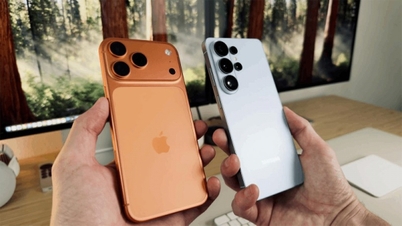
There's no denying that the iPhone Air is an incredibly impressive device. Those who have experienced it all share a common feeling of surprise the first time they hold it in their hands.
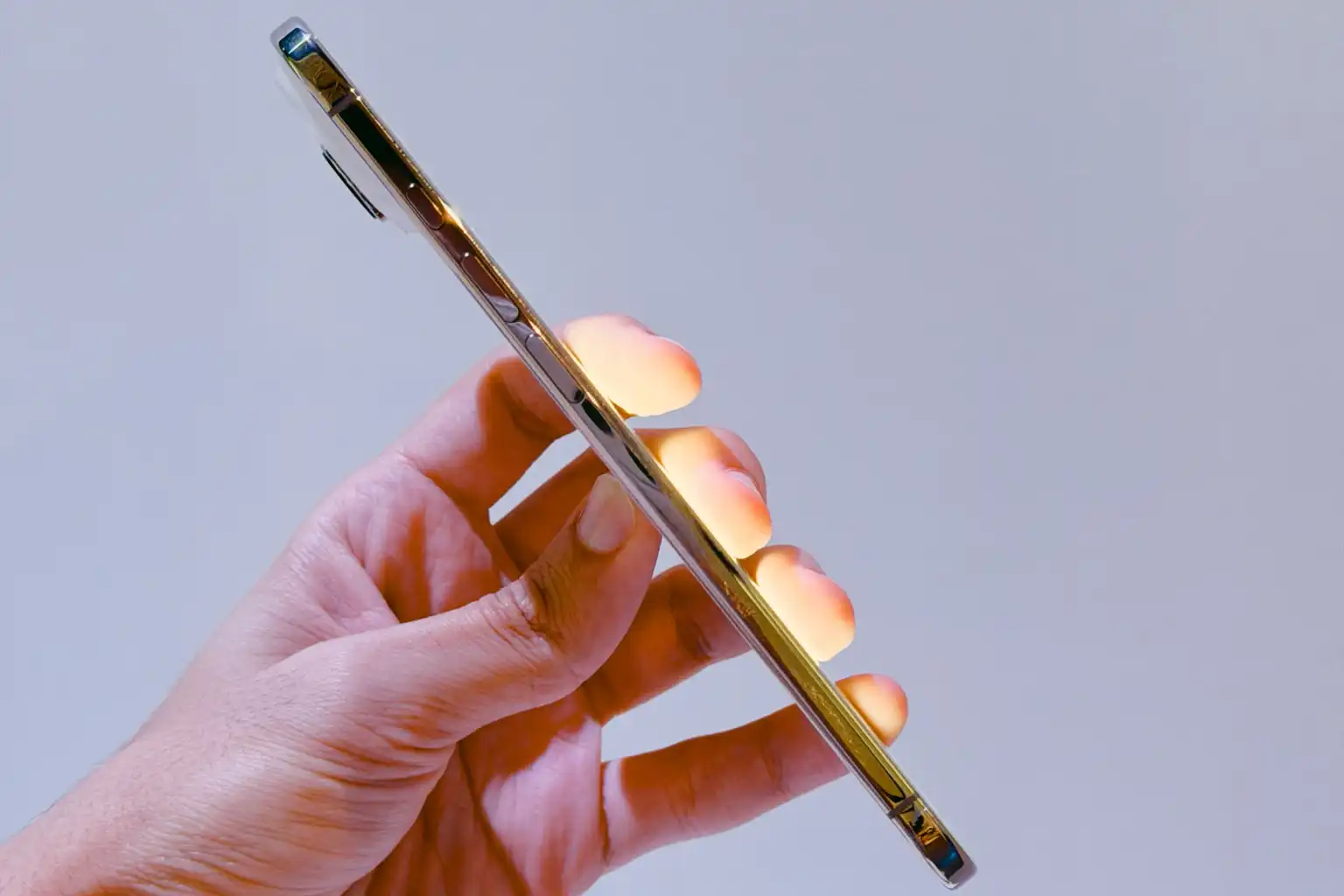
The phone is only 5.64mm thick and weighs about 165g. To put that into perspective, the iPhone 17 Pro Max is nearly 3mm thicker and weighs 233g more. This difference creates a noticeable difference in everyday handling experience.
The slim and lightweight design of the iPhone Air reminds many people of the golden age of the iPhone 6, a model that once took the world by storm thanks to its sleek and modern design.
However, this time Apple has taken things even further. The sleek titanium frame combined with the ultra-thin body creates a very distinctive sense of luxury, more like a piece of tech jewelry than a regular smartphone.
It's the kind of product that makes people say "wow" the moment they see it.
But the problem is: initial excitement doesn't equate to a long-term purchase decision.
Over the years, the smartphone market has increasingly followed the trend of being bigger, thicker, and heavier.
Modern phones have large batteries, huge cameras, complex cooling systems, and a host of components for AI, gaming, or professional video recording.
As a result, today's flagship phones are sometimes too bulky for the average user experience.
Therefore, many people always dream of a thinner and lighter device. A futuristic phone with a bezel-less screen, an ultra-thin body, and a comfortable feel in their pocket.
In many ways, the iPhone Air is the closest Apple has ever come to realizing that dream.
The problem is that when a dream becomes a commercial product, consumers start to view it with a much more realistic perspective.
Being beautiful isn't enough.
Apple doesn't release detailed sales figures for each iPhone model. However, in a recent investor meeting, CEO Tim Cook and CFO Kevan Parekh stated that the iPhone 17 series is the most successful iPhone generation to date.
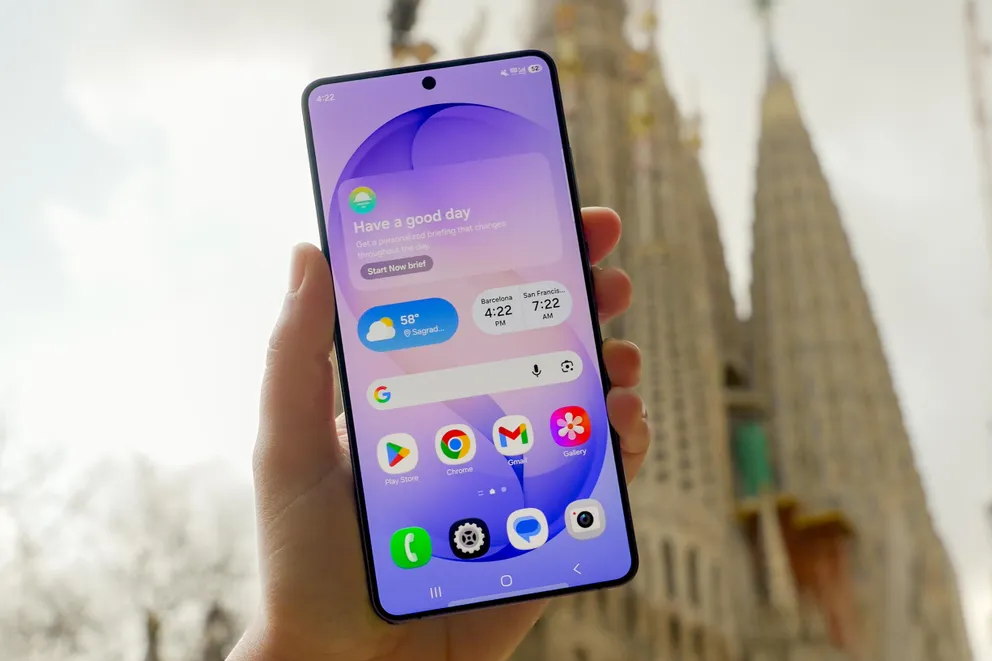
However, a report from the well-known leaker "Digital Chat Station" reveals a less optimistic picture for the iPhone Air.
According to this source, Apple is having difficulty surpassing the 1 million unit shipment mark.
To date, the company is believed to have sold only around 700,000 iPhone Airs, an extremely low number for a company that typically sells around 250 million iPhones per year.
The biggest reason probably lies in the trade-offs.
To achieve such an impressively thin profile, Apple had to sacrifice some key elements that the average user cares about more than design.
With prolonged use, people begin to realize that attractive appearance cannot completely replace practicality.
Today's users want long battery life, a powerful camera, good heat dissipation, and high durability. A phone that is too thin often struggles to meet all of these requirements simultaneously.
Although the iPhone Air remains a premium product, the feeling of "sacrificing for design" is quite evident in the real-world experience.
That's the biggest paradox of the modern smartphone market: users love innovation, but they're not willing to pay too much for it.
The relative failure of the iPhone Air doesn't necessarily mean Apple went in the wrong direction. On the contrary, the product may simply have been launched too early.
Technology history has repeatedly shown that pioneering devices are often not the best-selling products. They exist to pave the way for future trends. The iPhone Air may well be in that category.
(According to Macworld, CNET)
Source: https://vietnamnet.vn/vi-sao-chiec-iphone-trong-mo-cua-apple-lai-bi-nguoi-dung-quay-lung-2518826.html





















![[Photo] Reception to welcome General Secretary and President To Lam and his wife on their State visit to the Philippines](https://vphoto.vietnam.vn/thumb/1200x675/vietnam/resource/IMAGE/2026/06/01/1780295488620_vna-potal-chieu-dai-chao-mung-tong-bi-thu-chu-tich-nuoc-to-lam-va-phu-nhan-tham-cap-nha-nuoc-toi-philippines-8798060-7855-jpg.webp)





































































Comment (0)