

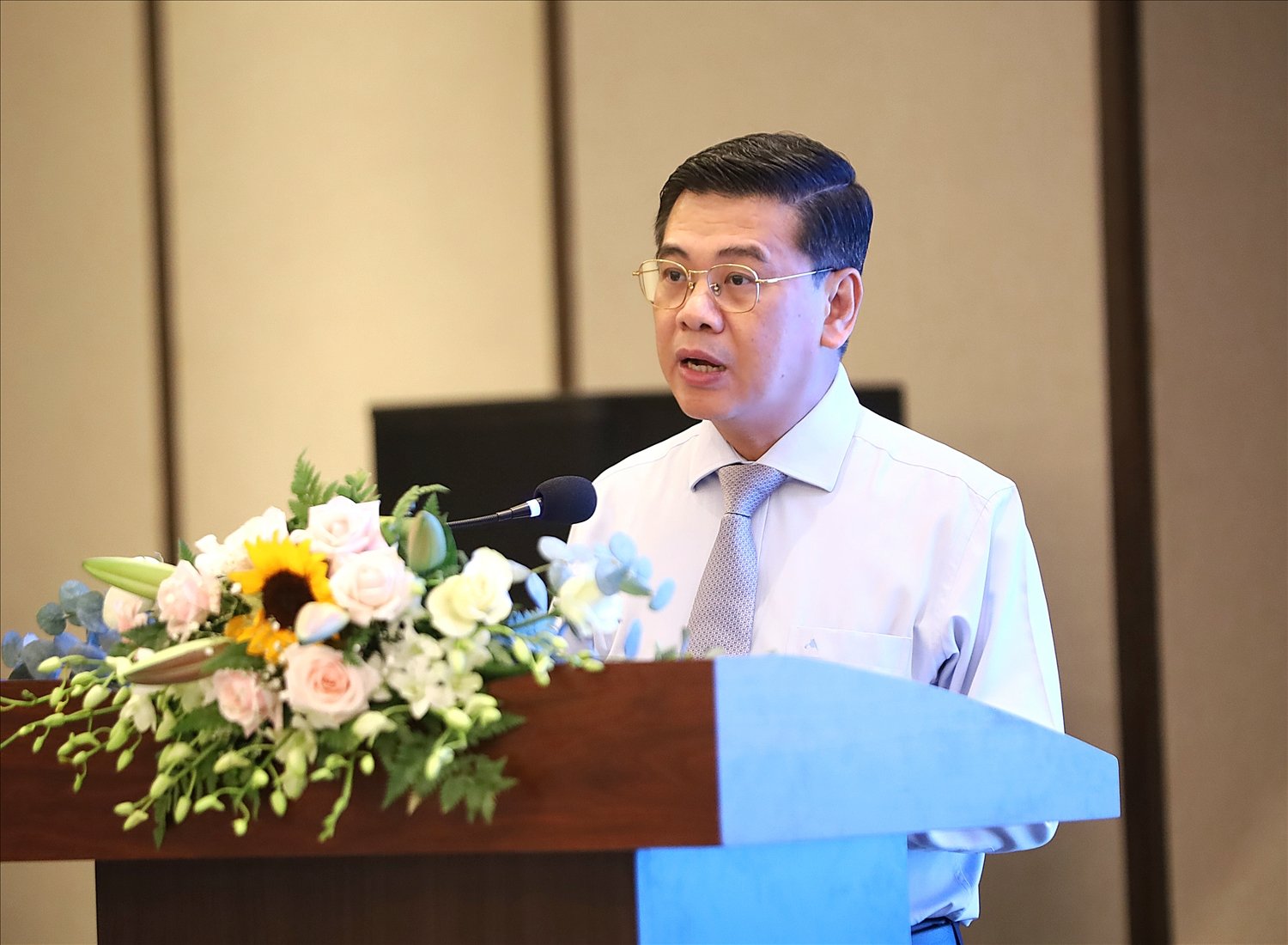
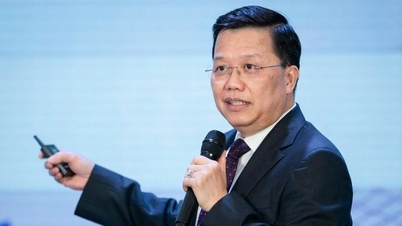
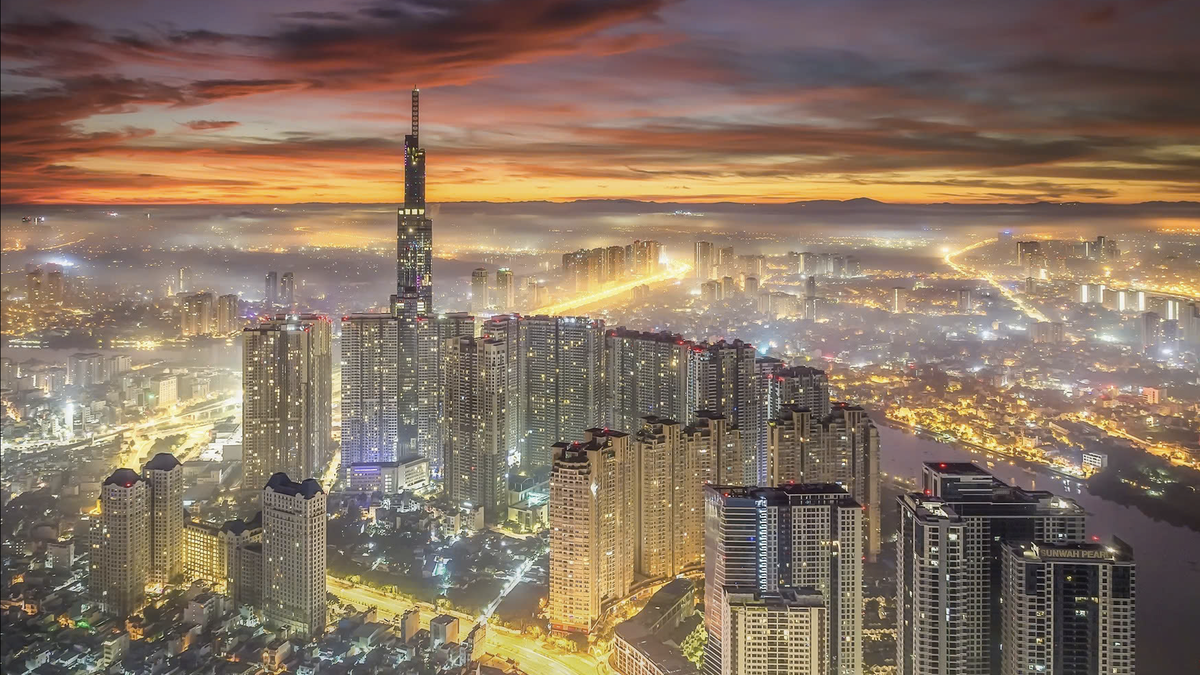
Speaking at the seminar, Mr. Nguyen Van Dung, Vice Chairman of the People's Committee of Ho Chi Minh City, pointed out the advantages of the Southern riverine region such as: a dense network of rivers stretching over 28,000 km; diverse culture, especially the Southern riverine culture closely associated with daily life and agricultural production.
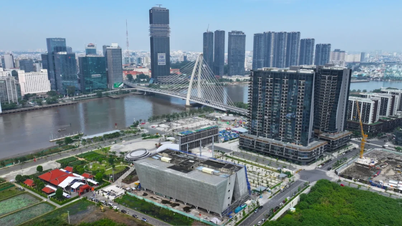
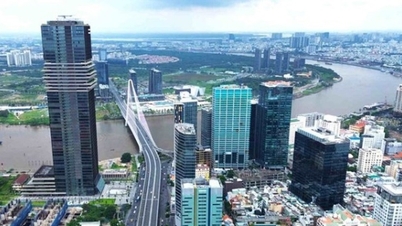
According to Mr. Nguyen Van Dung, with the Dong Nai, Saigon, and Nha Be river systems connecting to the provinces of the Mekong Delta, Ho Chi Minh City has many opportunities to develop tourism programs to the Southwestern region by waterway. The Vietnam Tourism Development Strategy to 2020, with a vision to 2030, clearly states that the characteristic products of the Mekong Delta are ecotourism, riverine culture, garden tourism, resort tourism, and coastal and island tourism.
Over the years, in order to attract tourists and increase the attractiveness and competitiveness of destinations in the South, Ho Chi Minh City and the Mekong Delta provinces have collaborated to develop many products, contributing to an increase in the number of visitors to the region. However, these inter-provincial tourism products are mainly road-based experiences, failing to fully utilize the region's waterway advantages.
Therefore, in order to leverage the strengths of the region's waterways and riverine culture in developing tourism products, the Ho Chi Minh City People's Committee has issued a plan for the development of waterway tourism, which includes a direction for developing medium- and long-distance tourism products to neighboring provinces and vice versa.
The Ho Chi Minh City Department of Tourism organized a survey team to assess the current state of river tourism routes connecting Ho Chi Minh City with provinces and cities in the Mekong Delta, including Long An, Tien Giang, Vinh Long, Dong Thap, An Giang, Can Tho, Tra Vinh, and Ben Tre. The purpose was to evaluate the existing infrastructure, including bridges, wharves, and tourism services, as well as river tourism routes, in order to develop high-quality and diverse river tourism products.
At the same time, Vice Chairman of the Ho Chi Minh City People's Committee Nguyen Van Dung also suggested that river tourism could connect to the sea and islands (Phu Quoc, Con Dao, Nam Du, etc.). This would be a breakthrough in building regional tourism linkages with Ho Chi Minh City.
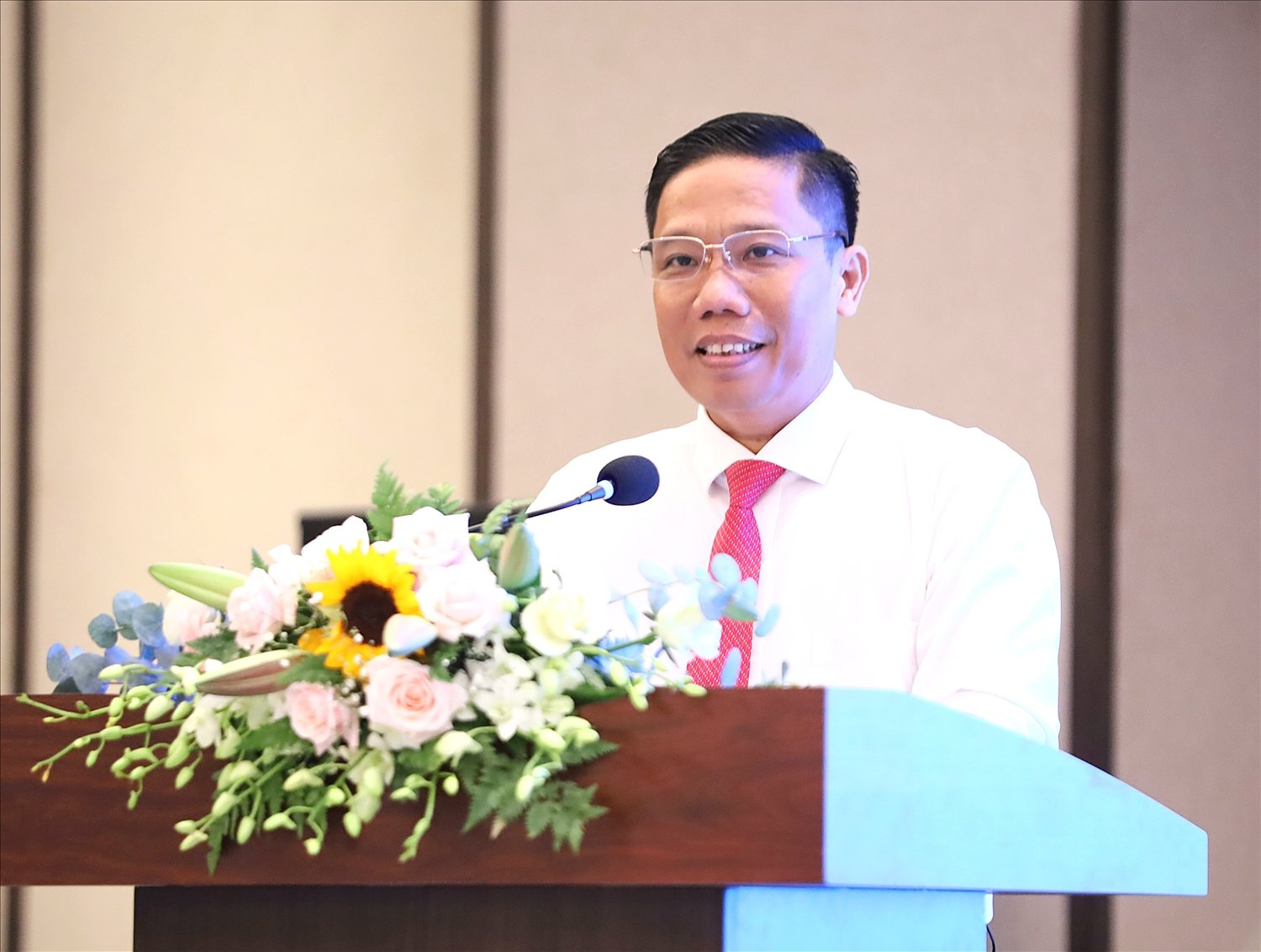
At the seminar, Mr. Nguyen Thuc Hien, Vice Chairman of the People's Committee of Can Tho City, assessed that Ho Chi Minh City plays the role of the largest gateway attracting international tourists to Vietnam, spreading and promoting tourism development in the Mekong Delta and other regions. The Mekong Delta region covers an area of over 40,000 km2, has a coastline of 700 km, and a population of over 18 million people.
In 2024, the number of visitors to the Mekong Delta is estimated to reach over 52 million, with total tourism revenue exceeding 62,000 billion VND. Specifically, Can Tho City is estimated to receive 6.3 million visitors and generate 6,226 billion VND in tourism revenue.
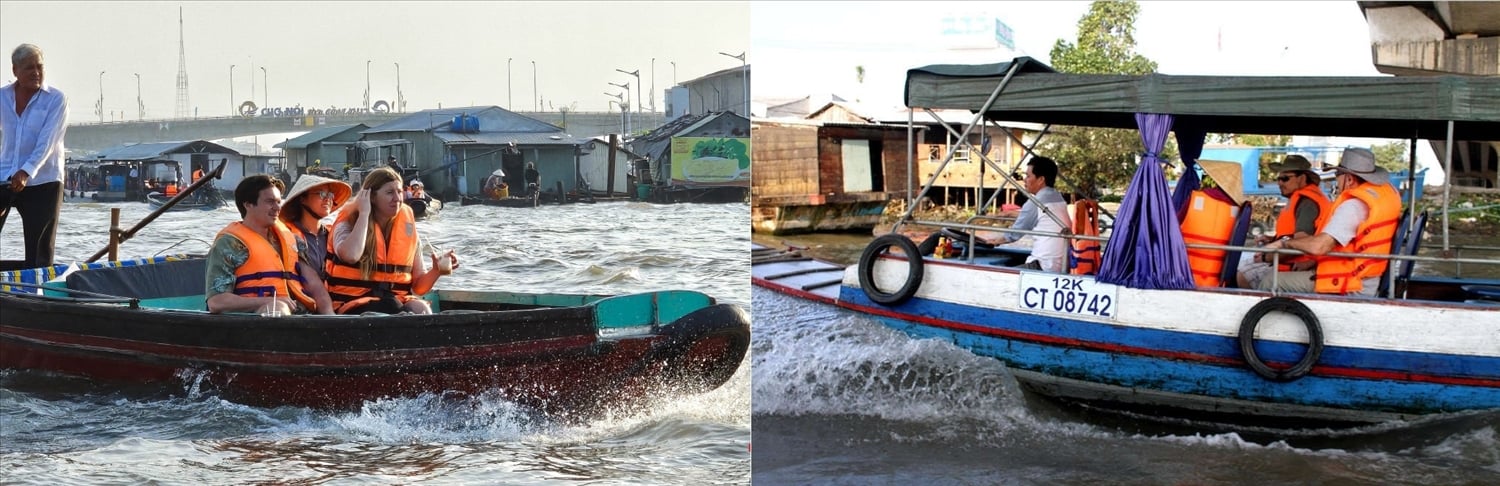
River tourism is one of the important types of tourism in the global tourism industry. This type of tourism contributes to diversifying tourism products, enriching tourism options ranging from ecotourism and adventure tourism to historical and cultural tourism, through experiencing the beauty of nature, ecosystems, and cultural heritage along the riverbanks. Developing river tourism will also encourage investment in infrastructure, such as tourist ports, docks, and surrounding areas, thereby promoting local socio-economic development.
Discussing solutions for developing river tourism connecting Ho Chi Minh City and the Mekong Delta, Mr. Tran Tuong Huy, Deputy Director of the Institute for Social Tourism Research, stated that, first and foremost, favorable policies are needed to remove legal barriers to investment and land lease planning. For existing wharves and docks, further investment in space and accompanying tourism services is necessary.
River transport needs investment to align with route schedules and diversification to create a rich variety of river tourism products, including: canoes, sightseeing boats, overnight boats, yachts, etc. Investment in renovation and signage is necessary to ensure safety of inland waterway traffic. Embankment construction is also needed, especially in sections experiencing erosion.
The construction of new wharves must be based on an assessment of the effectiveness of tourism resources to ensure efficient exploitation, predicting that the wharves can accommodate various types of vessels, especially those capable of linking up with the Mekong Delta region…
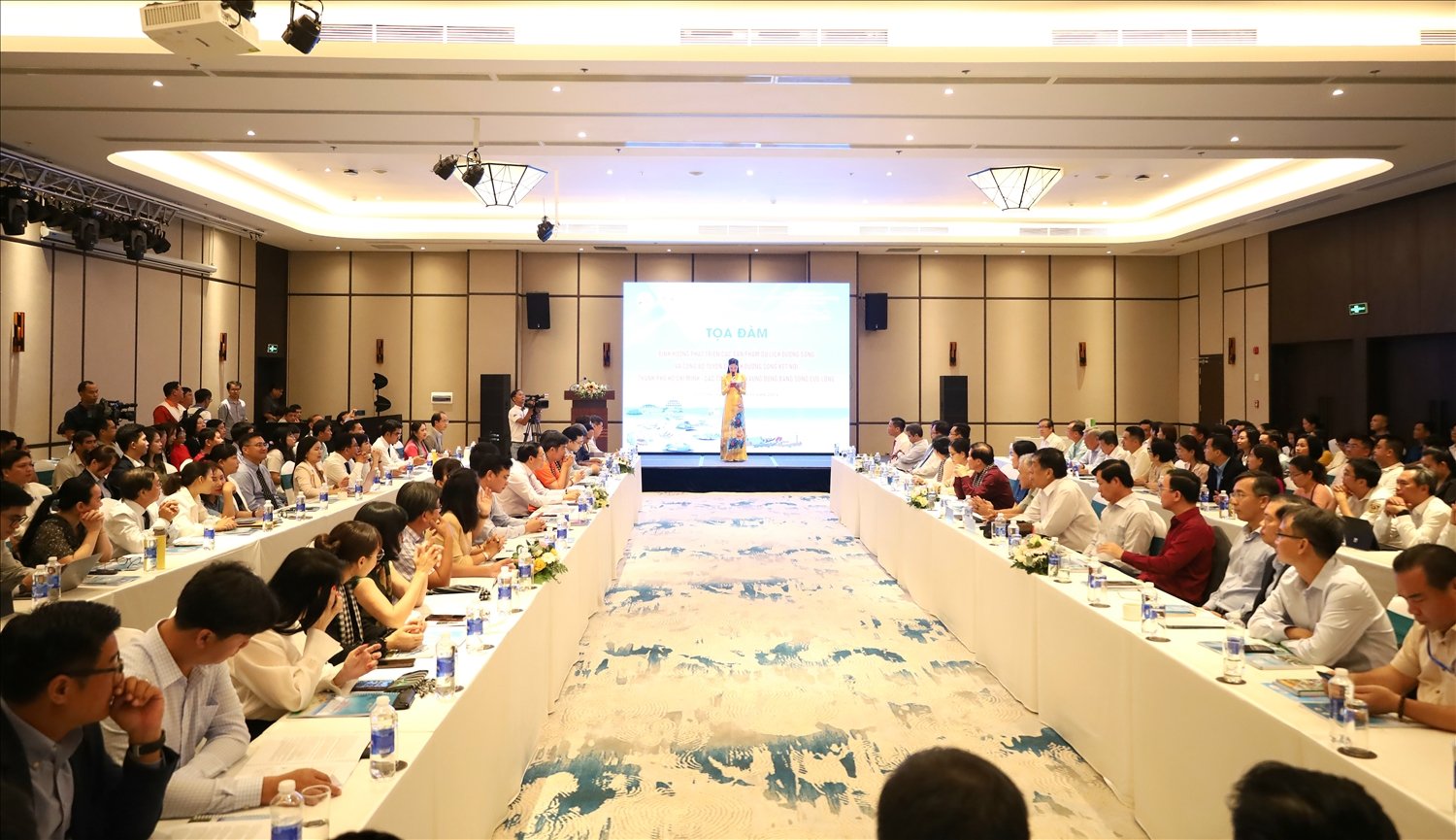
The seminar also received numerous presentations and discussions from experts and managers representing state management agencies in tourism, transportation, and environment at the central and local levels; and researchers from research institutes and universities nationwide.
The discussions raised many issues regarding the development of river tourism in Ho Chi Minh City and the provinces and cities of the Mekong Delta region… They also emphasized that the development of river tourism requires a delicate balance between preserving traditional cultural values, protecting the environment, and ensuring economic sustainability.
Opening Ceremony of the Ho Chi Minh City and Mekong Delta Tourism and Trade Week 2024





















































Comment (0)