


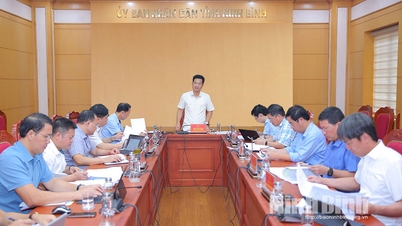
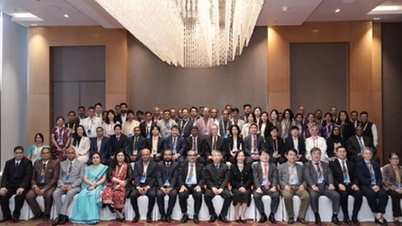
At the conference, delegates heard Ms. Ngo Phuong Lan, Director of the Cinema Department, present the draft report summarizing and evaluating 10 years of implementing the Cinema Law. According to the report, after 10 years, the system of legal documents guiding the implementation of the Cinema Law is basically consistent with international commitments and relevant current legal documents, ensuring the management and regulation of most film activities... Some contents of the State's policy on film development have been initially implemented. As of November 2016, the whole country had 450 private enterprises with the function of being licensed to produce films, of which about 15 enterprises regularly and actively invested in film production, creating 50-60% of the total domestic film output. The whole country had 145 cinemas and cinema complexes with a total of 520 screening rooms; There are 270 mobile film screening teams, averaging about 50,000 screenings annually with over 11 million viewers. Vietnam has also successfully organized 4 Hanoi International Film Festivals; participated in 148 international film festivals; and organized 48 programs to introduce Vietnamese films abroad. Notably, from 2007 to 2016, more than 100 film projects involving cooperation, service provision, and films with foreign elements were implemented in Vietnam. Currently, the Film Law has some shortcomings and limitations in its implementation. Specifically: The interpretation of some terms stipulated in Article 4 of the Film Law is no longer appropriate, causing difficulties in management; basic policies for film development are mainly regulated in the Government's guiding decrees, lacking high legal standing and not being strictly enforced; The drafting of a plan to establish a Film Development Support Fund has been underway since 2010, but it has yet to be finalized... Speaking at the conference, Deputy Minister of Culture, Sports and Tourism Vuong Duy Bien also stated that: Over the past 10 years of implementing the Law, Vietnamese cinema has made significant progress; attracting and encouraging the participation of many organizations and individuals from all economic sectors in various fields of cinema; and investing in key areas through targeted film development programs. Vietnam has also implemented policies to support the dissemination of films serving mountainous areas, islands, remote areas, rural areas, children, the armed forces, and serving political , social, and foreign affairs purposes. In addition, regulations on establishing film production facilities, film distribution and dissemination, and the organization and participation in film festivals and fairs have gradually developed Vietnamese cinema and integrated it into the international film industry. In the current context, especially with the rapid development of science, technology, and cultural industries in many countries around the world, and the increasing tastes and demands of the public for artistic enjoyment, the Film Law has revealed some shortcomings that need to be adjusted appropriately to enhance its important role and significance in socio-economic development. Faced with the shortcomings of the current Film Law, delegates at the conference proposed several amendments and additions to several articles of the Film Law, such as: adding regulations on the source and management agency of the Film Support Fund, and preferential mechanisms for film activities to attract investment in this field; amending and supplementing regulations on granting licenses for cooperation and joint ventures in film production; Regulations on film distribution via the internet, film exploitation from satellites; amendments to regulations on commissioned film production...
KT
Source: https://baoninhbinh.org.vn/tong-ket-10-nam-thi-hanh-luat-dien-anh-20161205045127950.html

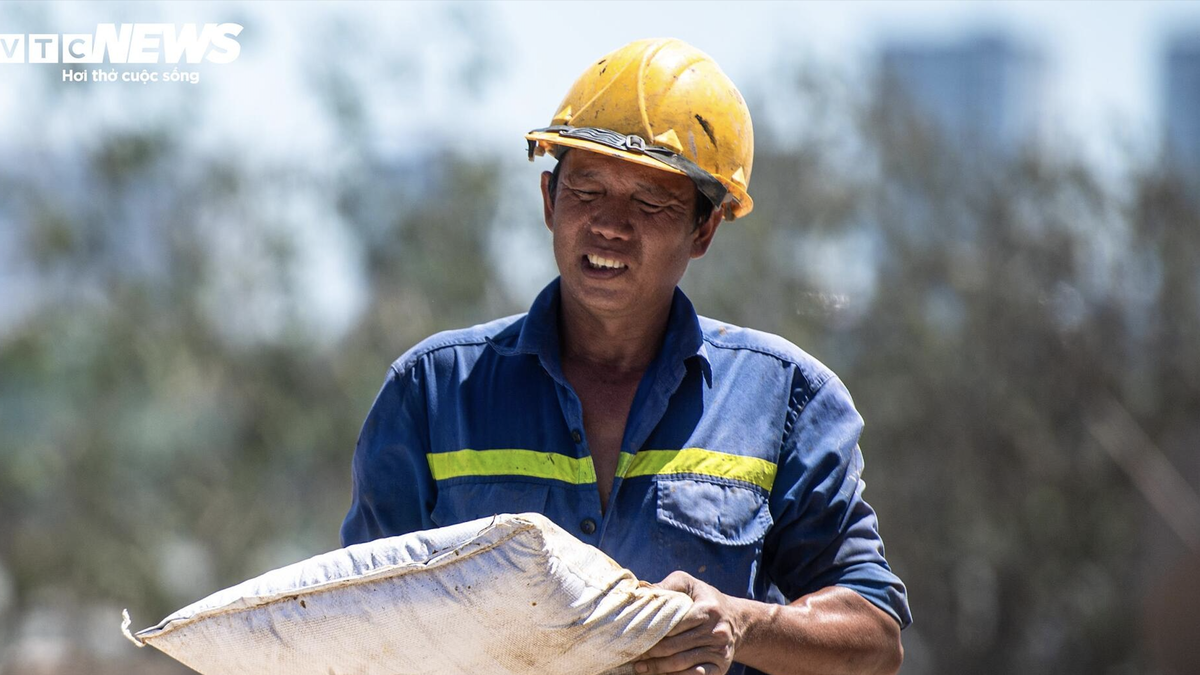
![[Image] Hanoi's urban life under the challenge of a "scorching hot" environment](https://vphoto.vietnam.vn/thumb/1200x675/vietnam/resource/IMAGE/2026/05/25/1779706979265_nang-nong-t5-2026-minh-duy-7-4636-jpg.webp)


![[Image] Close-up view of the interchange connecting the two expressways and Long Thanh Airport.](https://vphoto.vietnam.vn/thumb/1200x675/vietnam/resource/IMAGE/2026/05/25/1779703378210_ndo_br_z7863716673926-224453a31600126cce10622af6290afd-4549-jpg.webp)



































































Comment (0)