

Nutritionists recommend supplementing vitamin C daily through fruits to boost immunity and fight off diseases.
Recently, I've noticed my hands are dry and my hair is falling out. My doctor advised that this is due to a vitamin C deficiency and that I need to supplement it with fruits and vegetables. Could you please advise me on which fruits are richest in vitamin C? (Nguyen Thi Trang - Hanoi )
Dr. Nguyen Trong Hung, Head of the Adult Nutrition Counseling Department at the National Institute of Nutrition (Hanoi), advises:
Vitamin C is one of the most important substances for human health, preventing aging, boosting the body's immunity, and helping to fight off diseases.
Vitamin C is water-soluble and does not accumulate in the body. Supplementation with this vitamin can be achieved by eating fruits and vegetables.
Here are some fruits that are rich in vitamin C, very inexpensive, and easily available at the market:
First, bell peppers
Bell peppers are a healthy fruit, rich in vitamins C, A, K1, E, folate, and potassium, and very low in calories. Bell peppers contain 20 times more vitamin C than apples and are comparable to kiwis, with 100-200mg of vitamin C per 100g. Therefore, this fruit is one of the most essential sources of this nutrient in the diet.
Eating bell peppers daily helps increase iron absorption from the intestines and improves eyesight thanks to their relatively high content of vitamin A and carotenoids such as lutein and zeaxanthin. This food is beneficial for people with cataracts and macular degeneration.
Bell peppers top the list of fruits that are good for cardiovascular health, coronary artery disease, and diabetes control thanks to their abundant flavonoid content. You can eat 1-2 bell peppers daily, raw or used in cooking according to your preference.
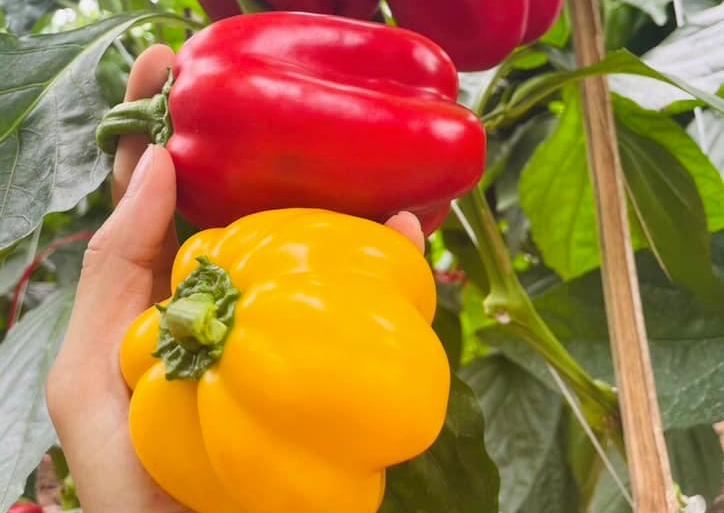
Bell peppers are a top-ranking fruit in terms of vitamin C. Photo: PT
Secondly, guava
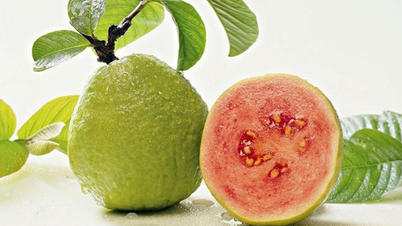
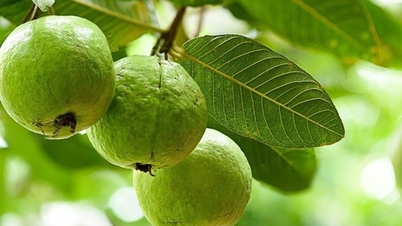
This fruit tops the list in terms of vitamin C. It's been found that guava has a higher vitamin C content than oranges. 100g of guava contains approximately 62mg of vitamin C. This fruit is also rich in vitamin A, potassium, manganese, copper, saturated fat, and fiber, making it beneficial for people with diabetes, cardiovascular disease, dyslipidemia, and other health conditions.
Eating 1-2 guavas a day helps the body fight against oxidative agents that damage cells, preventing chronic diseases such as cancer, cardiovascular disease, and metabolic disorders.
Third, star fruit
Starfruit is a fruit that is quite commonly used by people. 100g of starfruit contains 30-40mg of vitamin C, providing you with more than 50% of your daily vitamin C needs.
Starfruit also contains fiber, protein, vitamin B5, folate, copper, potassium, and magnesium. It also contains healthy plant compounds such as quercetin, gallic acid, and epicatechin, which help fight cellular oxidation and offer various other health benefits.
When using starfruit, you should choose ripe, yellow ones, wash them thoroughly, and avoid eating them on an empty stomach. Additionally, starfruit can be incorporated into various dishes such as salads, braised fish, and soups.
Fourth, lemon
Lemons are a familiar fruit in every household and are well-known for their high vitamin C content. On average, each lemon provides about 77mg of vitamin C, enough to meet the body's daily needs. Lemons also support weight loss, are good for digestion, reduce stress, and fight against the risk of infections.
Besides vitamin C, lemons also contain a large amount of pyridoxine (B6), which helps the body metabolize proteins and carbohydrates. The folate and thiamine in lemons are good for cardiovascular health and metabolism.
The flavonoids in lemons help protect blood vessel walls, lower bad cholesterol levels, improve blood circulation, reduce inflammation, and lower the risk of cardiovascular disease. You can drink fresh lemon juice or use lemons in cooking.
Thursday, pineapple
Pineapple is an inexpensive fruit rich in vitamin C, with 24mg per 100g. It also contains B vitamins such as folate, thiamin, pyridoxine, and riboflavin, as well as minerals like potassium, calcium, phosphorus, and manganese. Consuming 100-200g of pineapple daily helps boost immunity, maintain metabolism, fight oxidation, and reduce stress and anxiety. Pineapple is also high in fiber, which helps prevent constipation and promotes bowel movements.
Pineapple helps with weight loss because it's low in calories and high in fiber, giving you a feeling of fullness and reducing cravings.
Here is a table showing the vitamin C content of some fruits for your reference:
| Type of fruit (100g) | Content (mg) |
| Bell pepper | 100-250 |
| Grapefruit | 95 |
| Kiwi | 92.7 |
| Lemon | 77 |
| Guava | 62 |
| Orange | 40 |
Source: https://giadinh.suckhoedoisong.vn/top-5-loai-qua-gia-re-giau-vitamin-c-nhat-172250228210240007.htm



![[Photo] General Secretary and President To Lam presides over a meeting on preparations for the review of one year of operation of the three-tiered government system.](https://vphoto.vietnam.vn/thumb/1200x675/vietnam/resource/IMAGE/2026/06/02/1780391821195_a1-bnd-4595-9717-jpg.webp)




























































































Comment (0)