

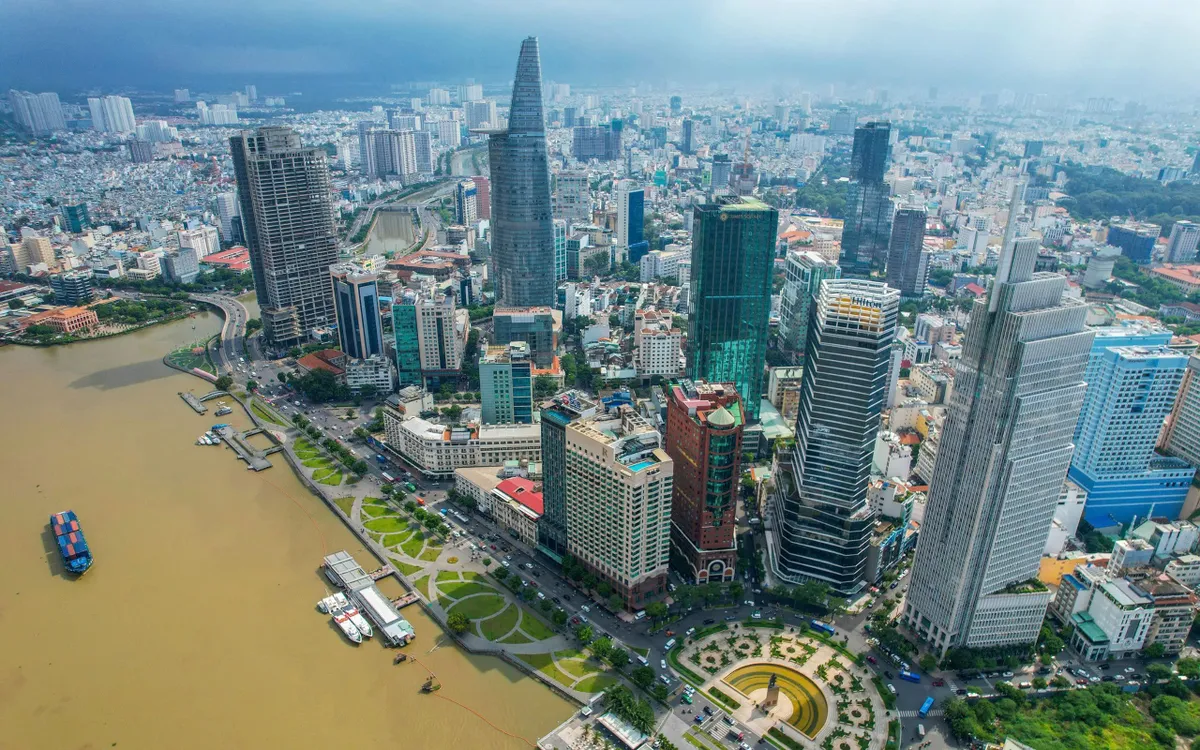
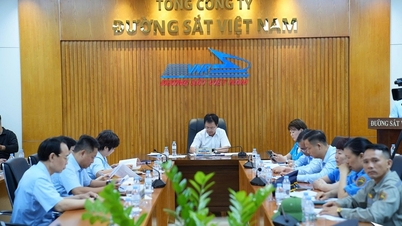
On the morning of May 15th, the Vietnam Chamber of Commerce and Industry (VCCI) held a ceremony to announce the Vietnam Private Sector Report and the Provincial Competitiveness Index (PCI) for 2025.
4 bottlenecks in the private sector
After 21 years of continuous implementation, the 2025 Report marks the biggest methodological upgrade to date, with the introduction of PCI 2.0 and the first-ever launch of the Business Performance Index (BPI).
The report was compiled from a large-scale empirical survey involving 3,546 domestic private enterprises, 586 foreign-invested enterprises (FDI), and 1,001 business households across all 34 provinces and cities.
By the end of 2025, the country will have over 1 million active businesses, a 6.6% increase compared to 2024. Along with approximately 6.1 million business households, the private sector currently provides employment for about 26 million workers, equivalent to 50.2% of the total jobs nationwide.
In 2025, the number of businesses entering the market reached a record high of 297,500, a 27.4% increase compared to the previous year. Up to 85.7% of businesses reported maintaining or expanding their operations, reflecting the cautious but positive mindset of the business community after the challenging period of 2023 and 2024.
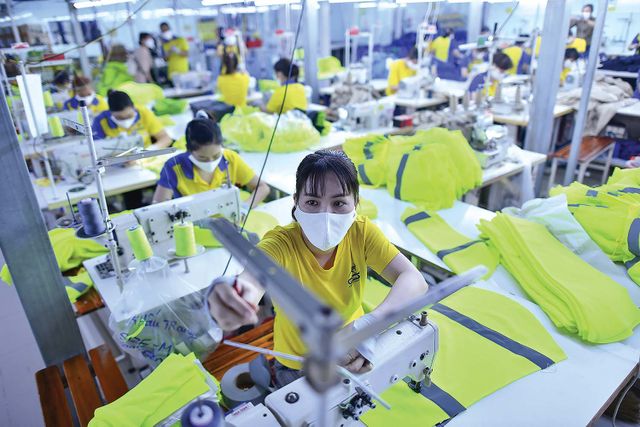
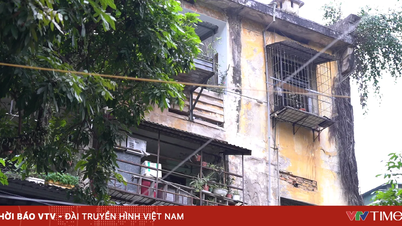
The VCCI report highlights the difficulties businesses face in accessing capital when they lack collateral.
Alongside the positive signs, the report also points out four major bottlenecks currently facing the private sector.
Accordingly, regarding the output market: 60.2% of businesses faced difficulties in finding customers, a sharp increase compared to 45.3% in 2024 and 41% in 2022.
Regarding access to capital: 75.5% of businesses stated that they cannot borrow capital without collateral. The percentage of loans requiring collateral in Vietnam is as high as 93.5%, significantly higher than Malaysia (33.4%), Thailand (55.8%), and the global average (68.3%).
Regarding transparency and policy predictability: Only 6 to 8% of businesses can regularly predict policy changes; 51.9% have to rely on social media to keep up with draft documents.
Regarding informal costs: 26% of businesses reported incurring informal costs when applying for business licenses, nearly three times higher than the regional average (9.5%).
Notably, the innovation capacity of Vietnamese businesses still lags significantly behind the region: only 8.8% of businesses are engaged in product or service innovation, much lower than Malaysia (21.7%), Thailand (18.9%), and the East Asia and Pacific average (28.5%). For household businesses, 81.5% reported a decline in revenue over the past year, highlighting the urgent need for a sustainable transformation roadmap.
Ho Chi Minh City leads in private sector economic efficiency.
The restructured PCI 2.0 version comprises 9 component indicators with 98 criteria. These indicators include: Market entry; Access to resources; Transparency; Administrative compliance costs; Informal costs; Fair competition; Business support policies; Legal institutions; and a proactive government.
In 2025, VCCI proactively shifted from publishing specific rankings to publishing six groups of governance quality indicators due to differing conditions among provinces and cities after mergers and in line with international practices. The national median PCI score reached 63.9 out of 100, reflecting the continuous flow of reforms.
The report honors the top 5 localities (listed alphabetically): Bac Ninh , Da Nang, Hai Phong, Phu Tho, and Quang Ninh. A common feature of this leading group is a balanced governance structure, with at least 5 out of 9 component indicators ranking in the top 10 nationwide.

Ho Chi Minh City leads in private sector economic efficiency.
Notably, VCCI also launched the first-ever Private Sector Performance Index (BPI), comprising 23 indicators across two dimensions: the development of the private sector and innovation capacity. While the PCI measures institutional inputs, the BPI measures market outputs.
The BPI 2025 pilot results show three localities leading: Ho Chi Minh City (5.67 points), Hanoi (5.41 points), and Quang Ninh (5.33 points). The national median is 4.2 points.
Notably, correlation analysis shows that the 2022 Provincial Competitiveness Index (PCI) has a statistically significant link to the 2025 Business Performance Index (BPI), confirming the policy impact has a lag of approximately three years. This is an important basis for adhering to a long-term reform roadmap rather than expecting immediate results.
85.7% of businesses maintained or expanded their scale.
Speaking at the ceremony, Associate Professor Ho Sy Hung, Chairman of VCCI, said that this is the first report to be conducted in the new administrative space comprising 34 provinces and cities, following the streamlining of the administrative apparatus and the transition to a two-tiered local government model.
Based on the survey results, Mr. Hung emphasized three key messages that the survey conveyed.
Firstly, Vietnam's private sector has moved beyond the defensive phase and is ready to break through.
In 2025, the number of businesses entering the market is expected to reach a record 297,500, a 27.4% increase compared to the previous year. 85.7% of businesses are maintaining or expanding their scale. Business confidence is recovering strongly. However, this breakthrough will only become a reality if the three biggest bottlenecks are addressed in the next 12 to 18 months, including bottlenecks in output markets, bottlenecks in access to capital, and bottlenecks in policy transparency.
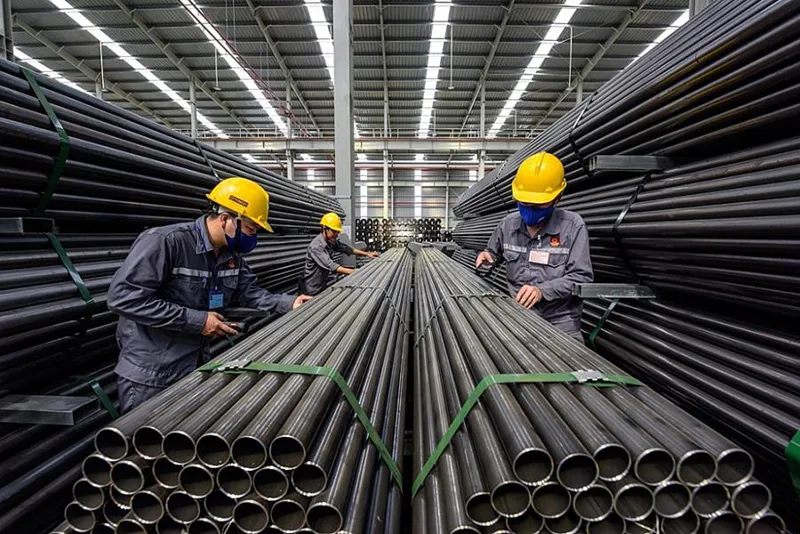
According to VCCI, Vietnam's private sector has moved beyond the defensive phase and is ready to break through.
Secondly, institutional reforms have moved in the right direction, but the gap between policy design at the central level and implementation capacity at the local level remains very large.
"The issue now is not 'lack of policies,' but 'how to implement policies' so that businesses truly feel the change," Mr. Hung emphasized.
Thirdly, to achieve the goal of 2 million businesses by 2030, we must shift from a management mindset to a partnership mindset, from reducing bureaucratic burdens to building competitiveness.
According to Mr. Hung, one year after Resolution 68 was issued, we now have the first empirical data to confirm that the chosen path is correct and to better identify what needs to be done next.
"The second year of implementing the Resolution must be a year of decisive action, of transforming policies into tangible results in each locality and each enterprise," Mr. Hung stated clearly.
Source: https://vtv.vn/tp-ho-chi-minh-dan-dau-ca-nuoc-ve-hieu-qua-kinh-te-tu-nhan-100260515104844077.htm




![[Photo] General Secretary and President To Lam presides over the meeting to approve the draft report on the results of the second inspection by the Politburo of the Standing Committee of the Hanoi City Party Committee.](https://vphoto.vietnam.vn/thumb/1200x675/vietnam/resource/IMAGE/2026/05/26/1779789811432_a2-bnd-4430-9620-jpg.webp)






























































































Comment (0)