

Many key projects in Dak Nong need to have obstacles removed in order to accelerate progress and achieve the set goals.


In public investment in general, and key projects in particular, in Dak Nong, land clearance work still faces many difficulties and obstacles and requires many solutions to overcome them.
According to investors and local authorities, obstacles related to land clearance are occurring in many projects in Dak Nong. The first prominent issue to mention is land prices.
.jpg)
In most land clearance projects, people believe the prices are lower than market value. The second issue relates to the process and procedures for land acquisition.
In some projects, the land acquisition process is not strictly implemented. The State has not yet provided the necessary conditions for resettlement for the people as stipulated by regulations. When people file complaints, the authorities are at a disadvantage legally, and therefore cannot forcibly seize the land.
According to Tran Van Dieu, Director of the Department of Agriculture and Environment, the Provincial People's Committee has authorized the district-level People's Committees to decide on specific land prices. Local authorities can proactively hire suitable consulting units to understand and resolve related requests regarding land prices.
"We are working with local authorities to strengthen our review process to understand the human resources situation for land clearance work in the area. Based on that, we will develop solutions to transfer and reinforce personnel with the right expertise and skills to carry out land clearance work," Mr. Dieu said.

In addition, the Provincial People's Committee and relevant departments and localities should hold weekly meetings to understand, identify the causes, and propose solutions to resolve obstacles in land clearance, especially those related to mechanisms and policies.
Regarding land clearance, Vice Chairman of Gia Nghia City People's Committee Thach Canh Tinh stated that land clearance is currently difficult because it involves many agencies and units. However, there is a lack of consensus among these units.
"There are many projects where the parties involved hold numerous meetings. The leaders of both sides reach an agreement, but when the subordinates implement the plan, many problems arise. Therefore, more decisive and coordinated solutions are needed in handling these issues," Mr. Tinh affirmed.
Regarding land clearance, UVBTV, Standing Vice Chairman of the Provincial People's Committee Le Trong Yen stated that the current general situation among departments, localities, and units is still too passive. The parties involved have not proactively proposed plans and methods.
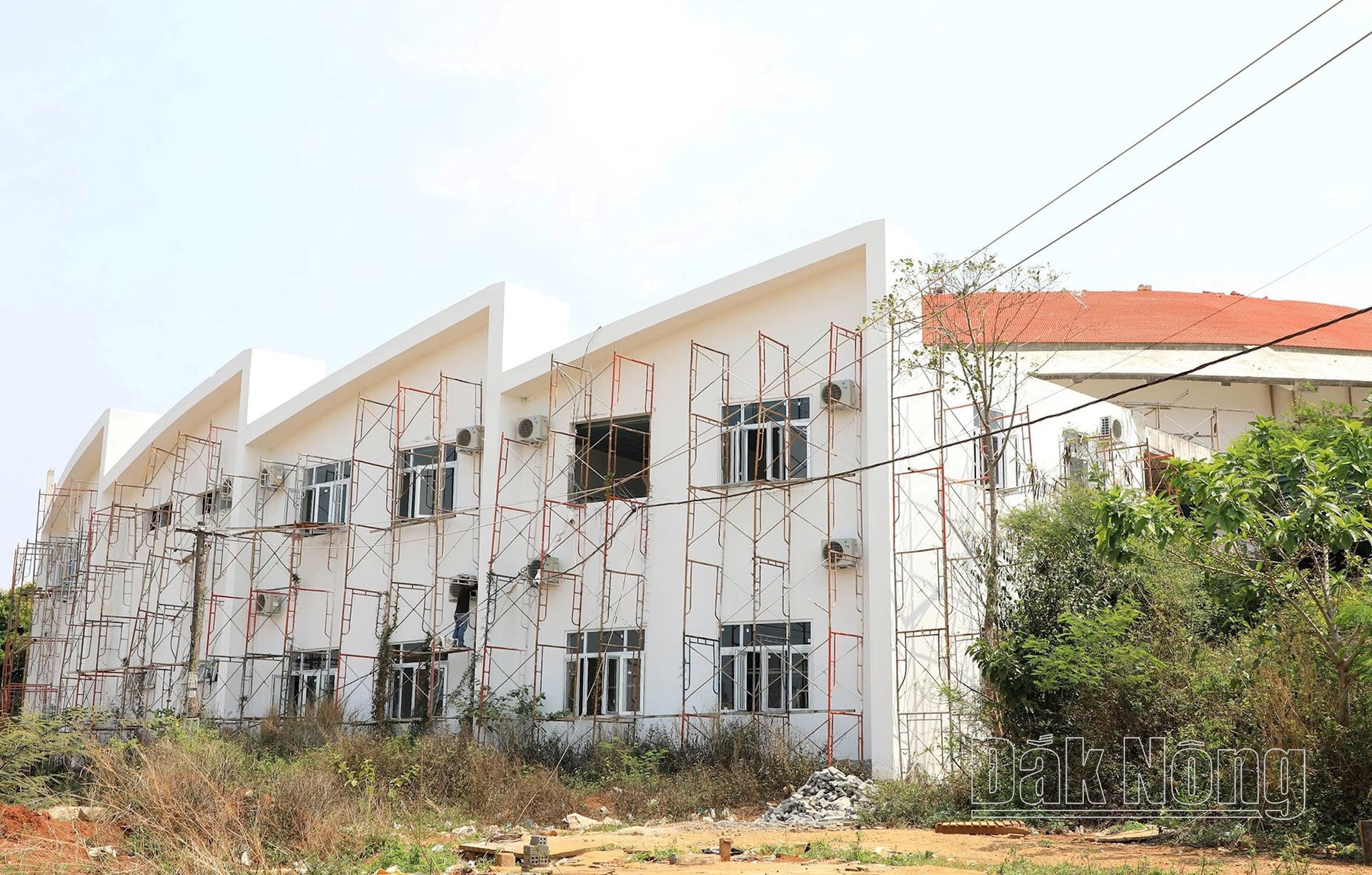
"Many units only get things done after being reminded by the Provincial People's Committee. In fact, provincial leaders even have to direct them to do it. Meanwhile, the authority regarding land clearance and specific land prices has been delegated by the Provincial People's Committee to the chairmen of districts and cities," emphasized Le Trong Yen, Standing Vice Chairman of the Provincial People's Committee.
According to Mr. Yen, investors and local authorities are still very passive in raising issues and difficulties related to projects. In many cases, they only provide information when asked by provincial leaders. Meanwhile, the Provincial People's Committee always takes the time to listen to reports from the relevant units.
Departments, agencies, and localities need to coordinate more closely to overcome difficulties. Departments such as the Department of Agriculture and Environment and the Department of Construction should boldly decentralize the appraisal process for construction projects.


-----

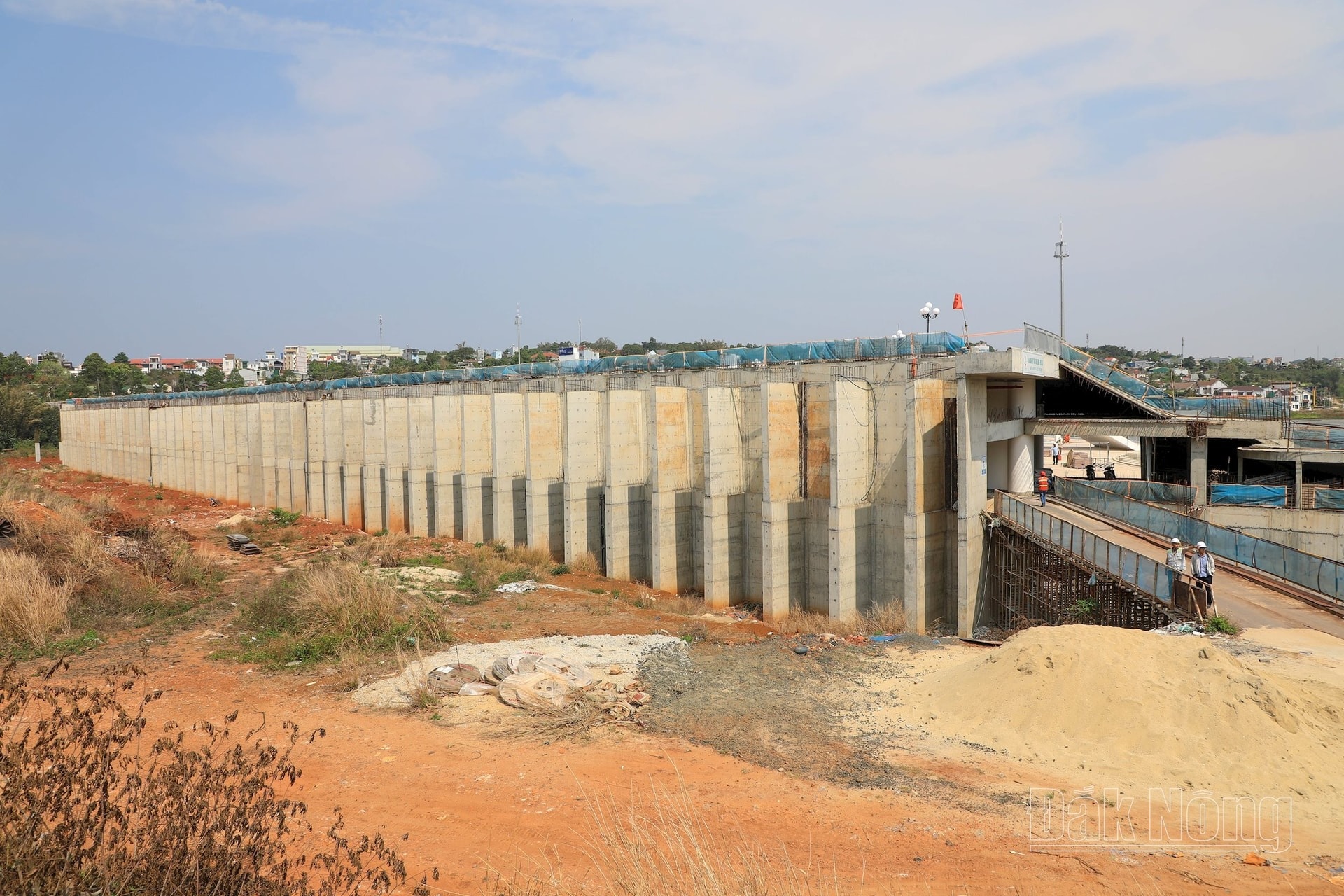
Currently, several key projects in Dak Nong are facing difficulties with earthworks, affecting the disbursement schedule. For example, the Gia Nghia City Central Square Project.
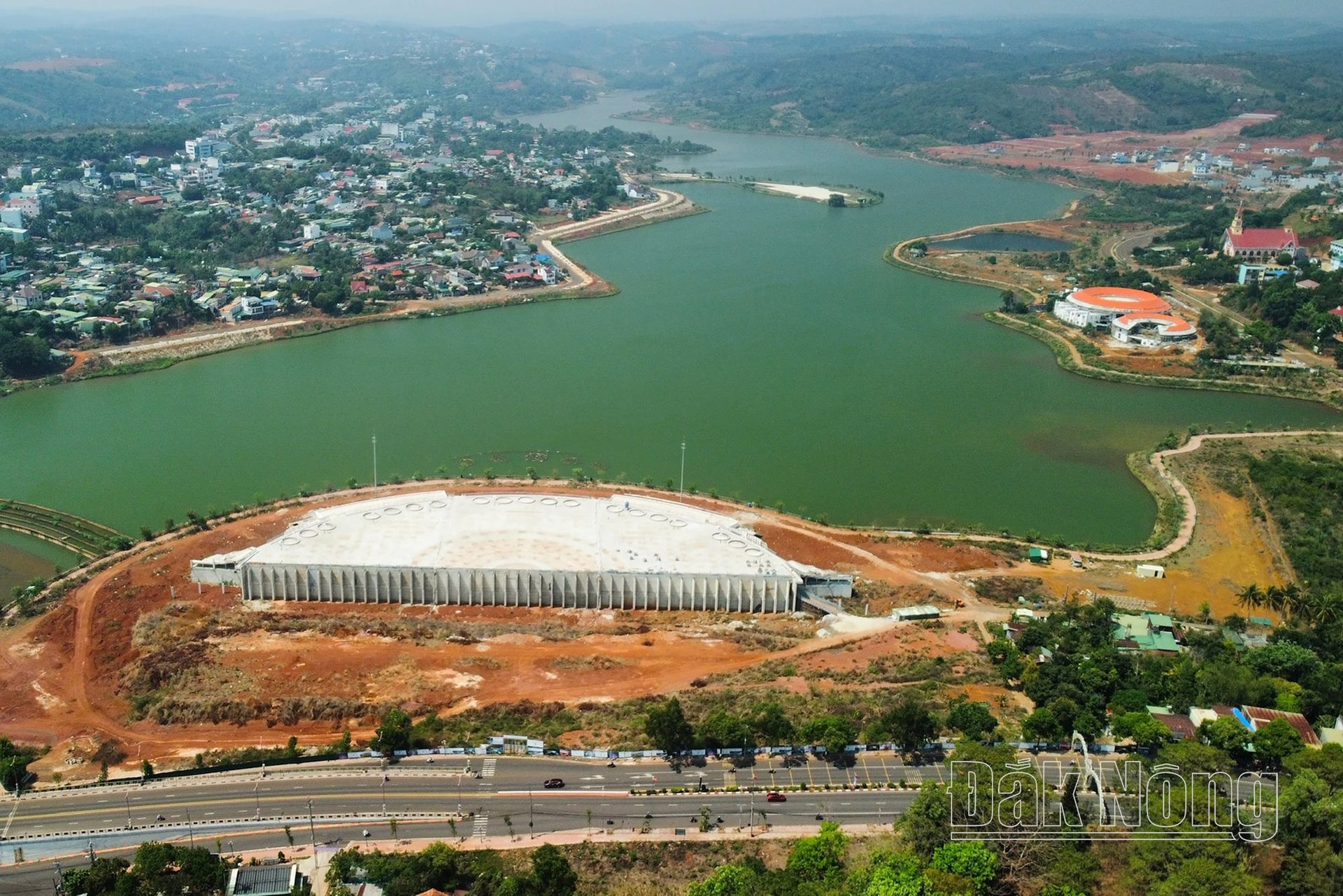
According to the investor, approximately 70,500 cubic meters of soil have been allocated from various sources for the project's embankment, but the necessary legal procedures have not yet been completed. Therefore, the relevant authorities lack the basis to approve the contractor's work and proceed with the next construction phases.
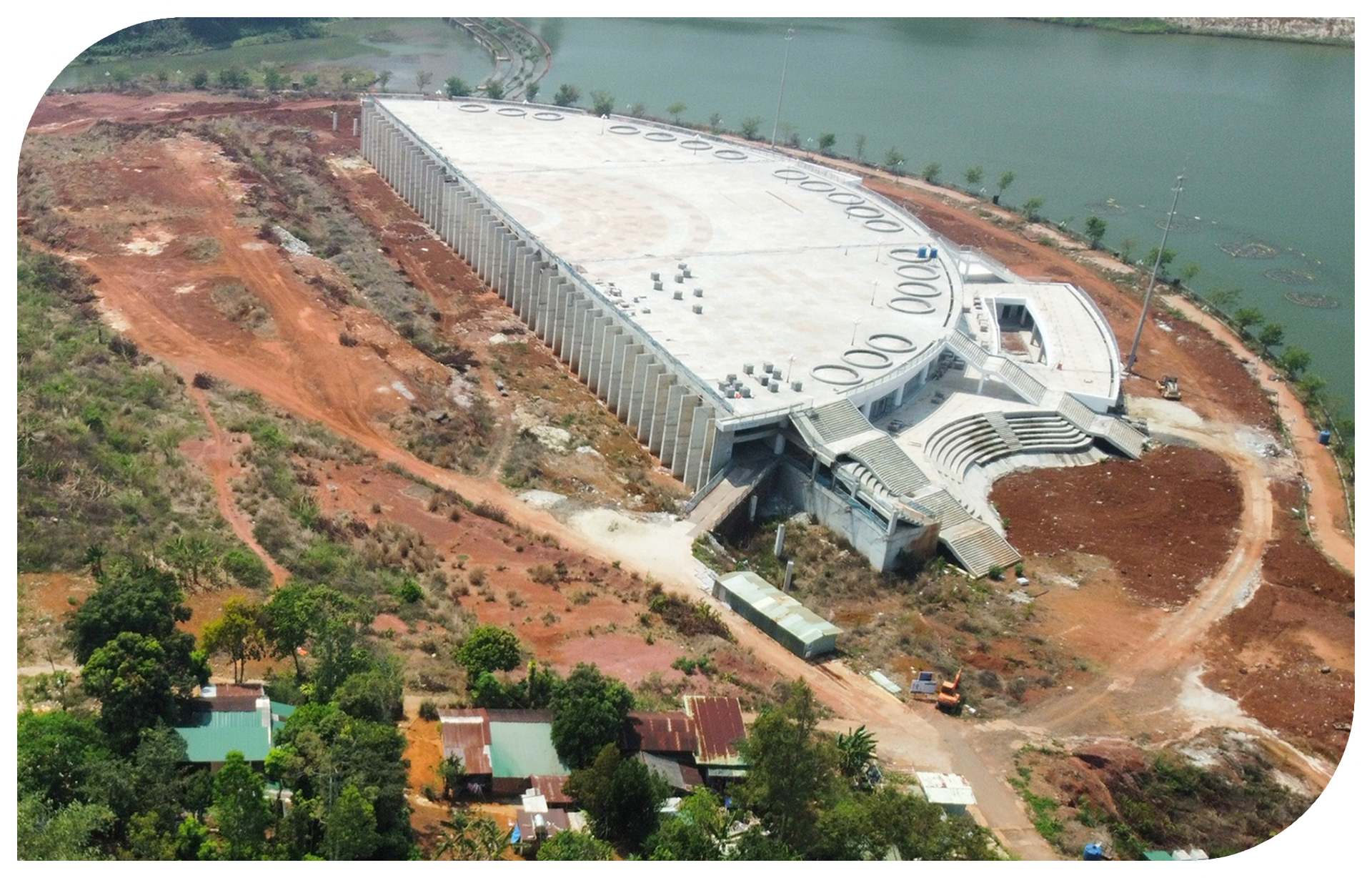
“We have proposed that the Provincial People's Committee direct relevant departments and agencies to resolve the difficulties and obstacles regarding this 70,500 cubic meters of fill soil. This will provide a basis for the Project Management Board to proceed with the fill soil for the project immediately after the Dak Nur B hill soil mine is licensed for exploitation by the Provincial People's Committee,” said Ha Sy Son, Director of the Dak Nong Provincial Project Management Board.
It is known that the Dak Nur B quarry has now been licensed by the Provincial People's Committee for mineral exploration and its mineral reserves for use as leveling material have been approved.
On February 14, 2025, the contractor submitted the environmental impact assessment report and the economic and technical report for land exploitation permit to the competent authority for appraisal.
Currently, the Department of Finance has held a meeting to gather opinions from relevant units. The Department of Agriculture and Environment is gathering opinions to determine which land users have violated land law regulations. After receiving feedback from the Department of Agriculture and Environment, the Department of Finance will approve the investment plan.

According to the leaders of the Department of Agriculture and Environment, the unit has posted the content of the consultation on the environmental impact assessment report for the Dak Nut B landfill mining investment project. The Department will consult on issues related to the project location, environmental impacts, environmental impact mitigation measures, environmental restoration plans, etc.
The opinions of individuals, agencies, and organizations will be compiled by the local government and the Department of Agriculture and Environment, and the consultation results will be sent to the project owner.
To address the difficulties and mitigate the imbalance of land leveling in different areas, the unit has actively coordinated with relevant departments and agencies to provide guidance and shorten the appraisal time. The Department has advised the Provincial People's Committee to grant permits for mining and transportation to organizations and individuals with complete and legal documentation.

This is a quarry approved by Dak Nong province as a non-auctioned area for mineral exploitation rights. The goal is to shorten the licensing process and procedures to obtain fill soil for the Gia Nghia City Central Square Project and several other public investment projects.
-----




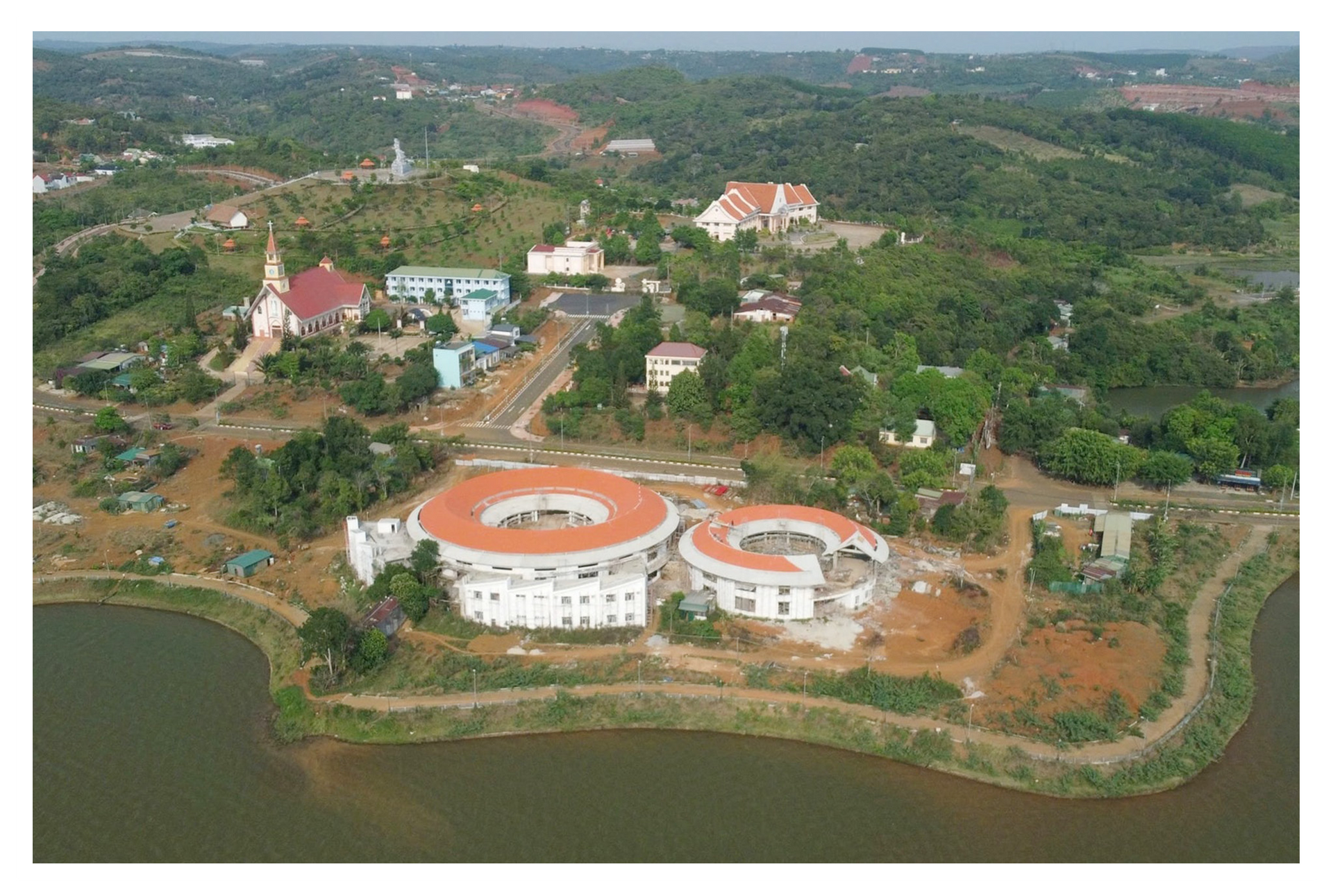
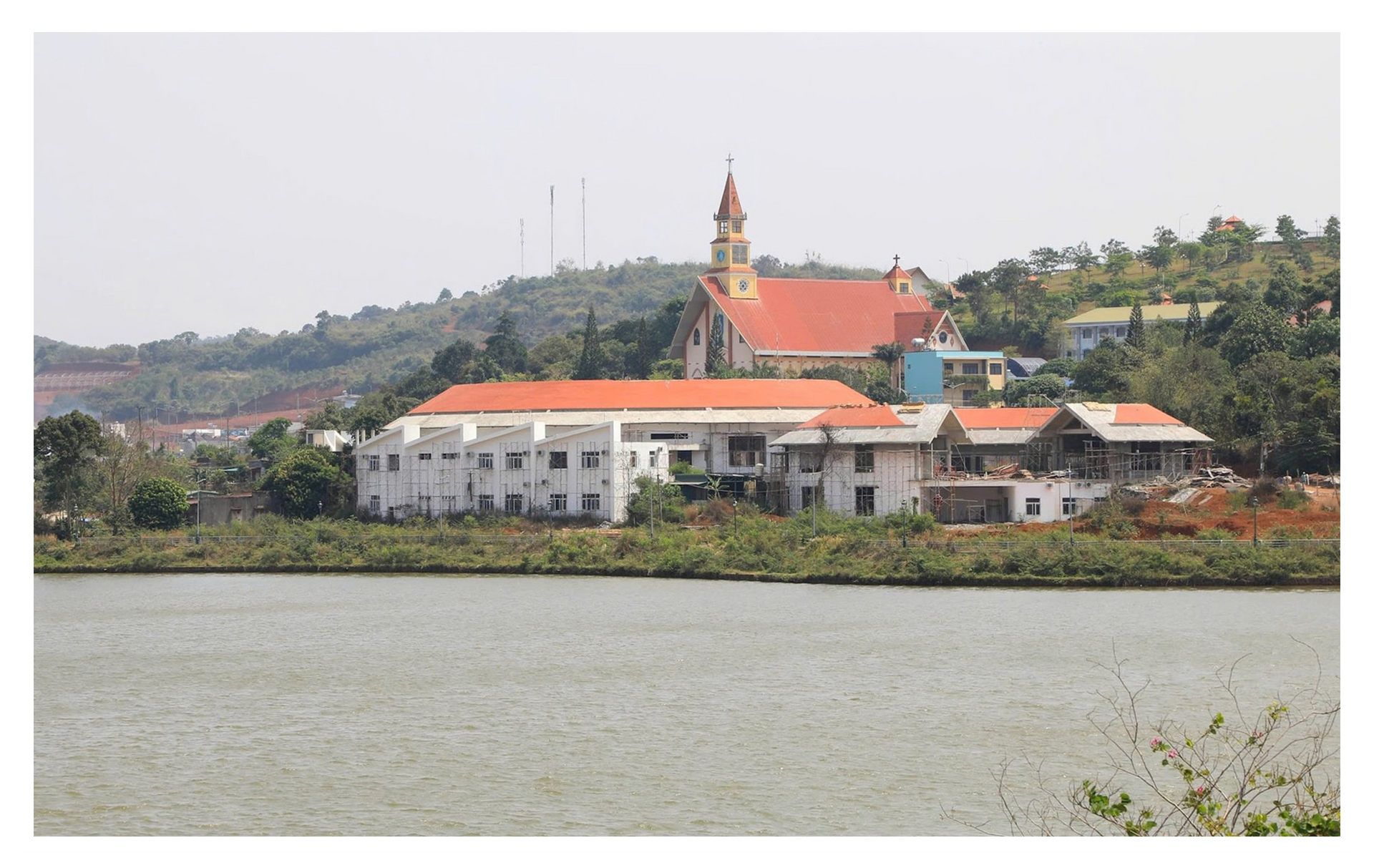
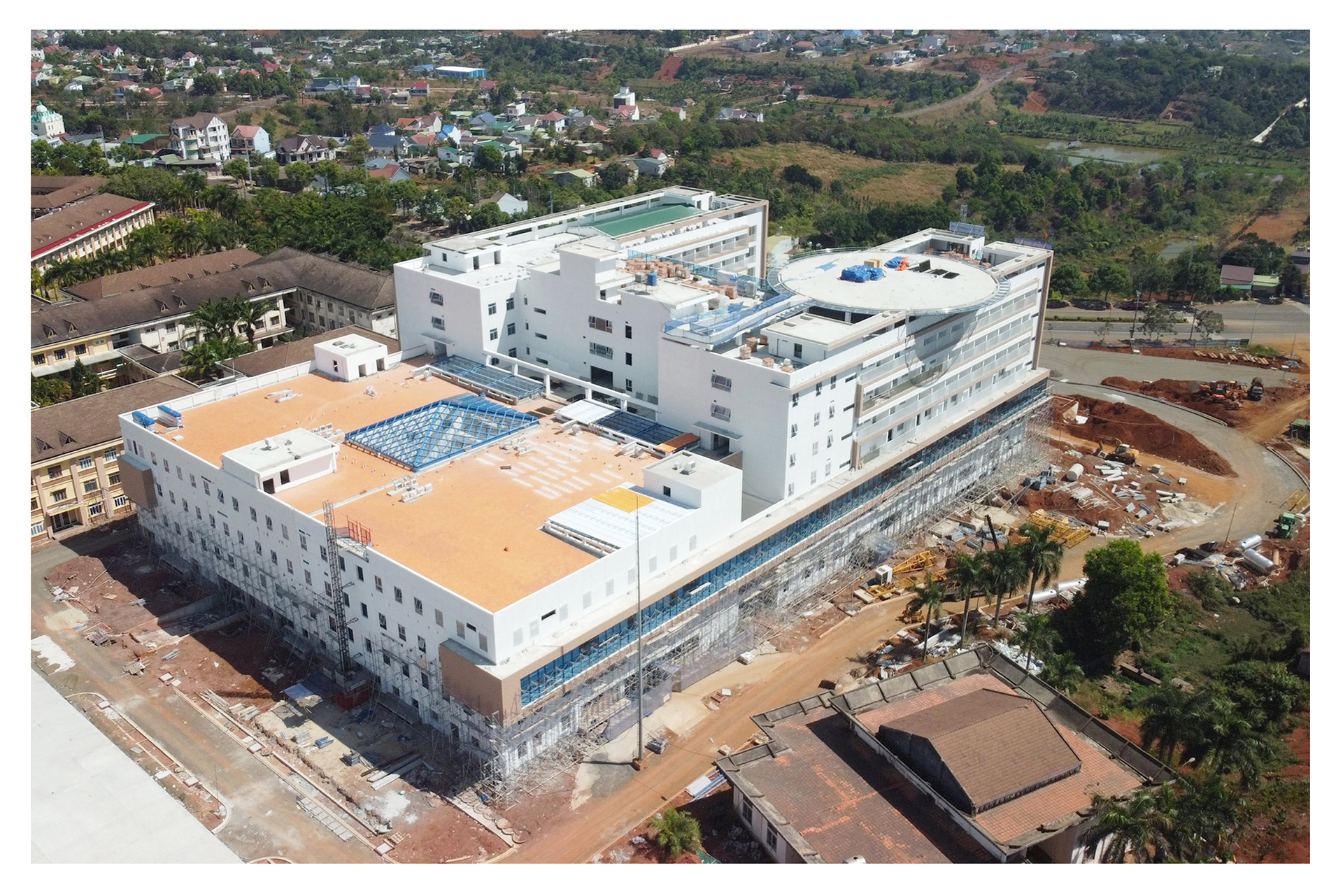
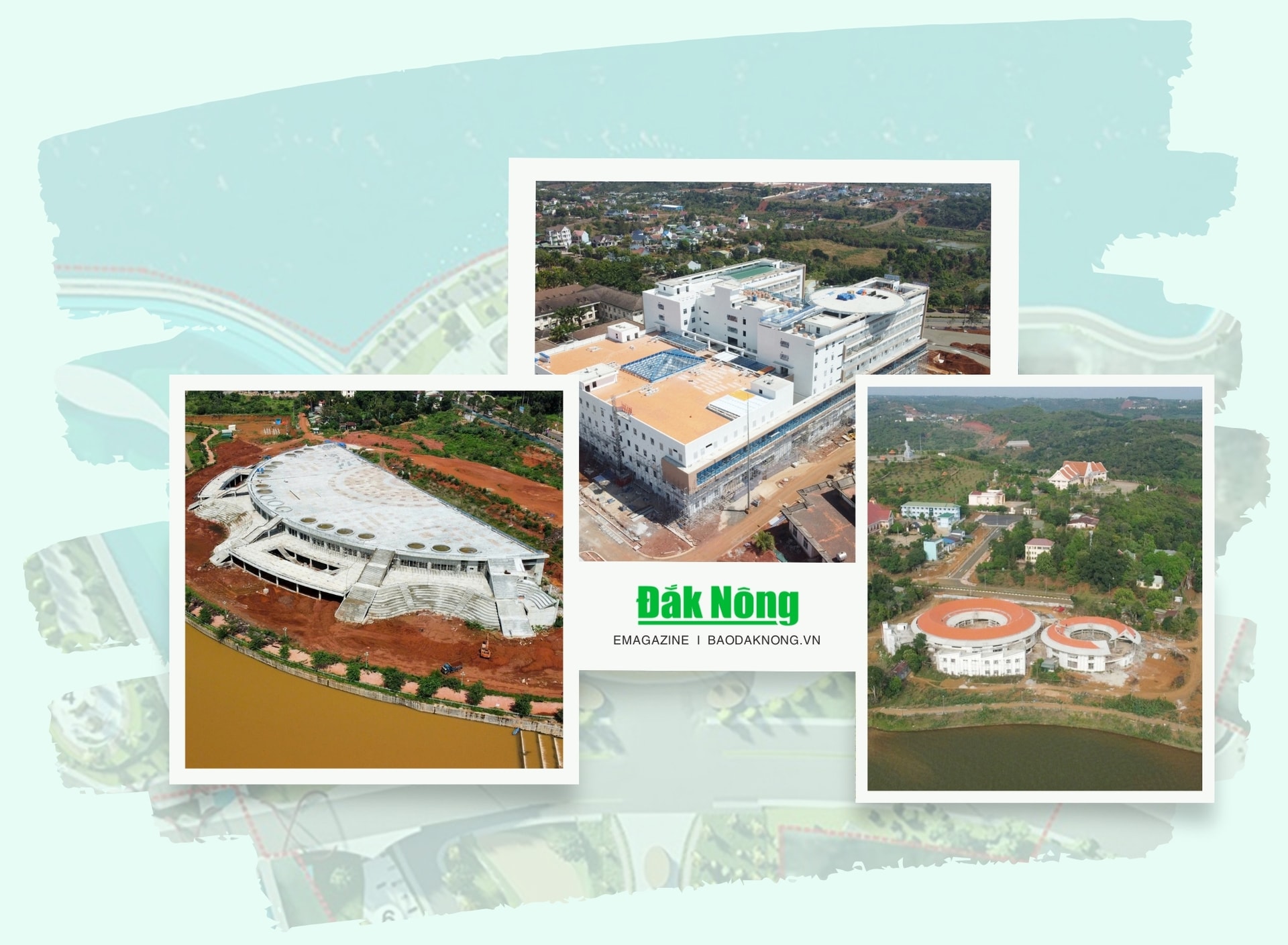
Out of the 26 projects scheduled for implementation in 2025 under the Project Management Board's responsibility, many are facing difficulties in land clearance. The underlying cause stems from the coordination mechanism. This is especially true for key provincial projects such as Gia Nghia Lake, the Provincial Social Welfare Center, the Dak Nong Provincial Museum Complex, Park, and Library…
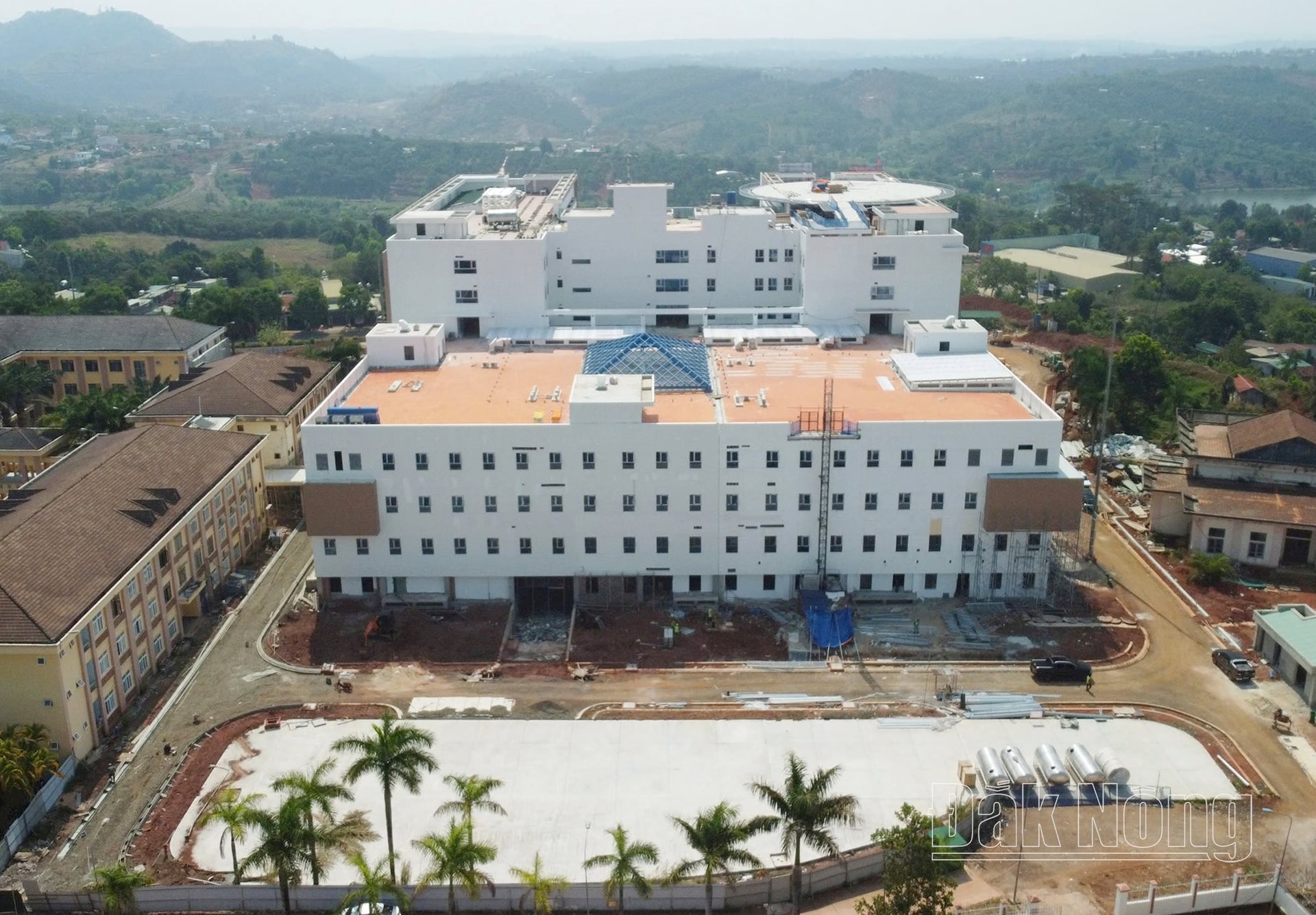
According to Ha Sy Son, Director of the Provincial Project Management Board, the People's Committee of Gia Nghia City and relevant units should coordinate in land clearance to accelerate the project's progress.
Many projects and construction works have been allocated capital but have not yet received cleared land for implementation. In fact, many project components have been halted due to land acquisition issues. Some projects have had to flexibly reallocate capital to increase their absorption capacity.
According to Mr. Son, the project management boards of districts and cities need to improve the capacity of their professional staff to accelerate the progress of the work. Difficulties and obstacles in land clearance need to be resolved through the cooperation of all parties to achieve the final result.
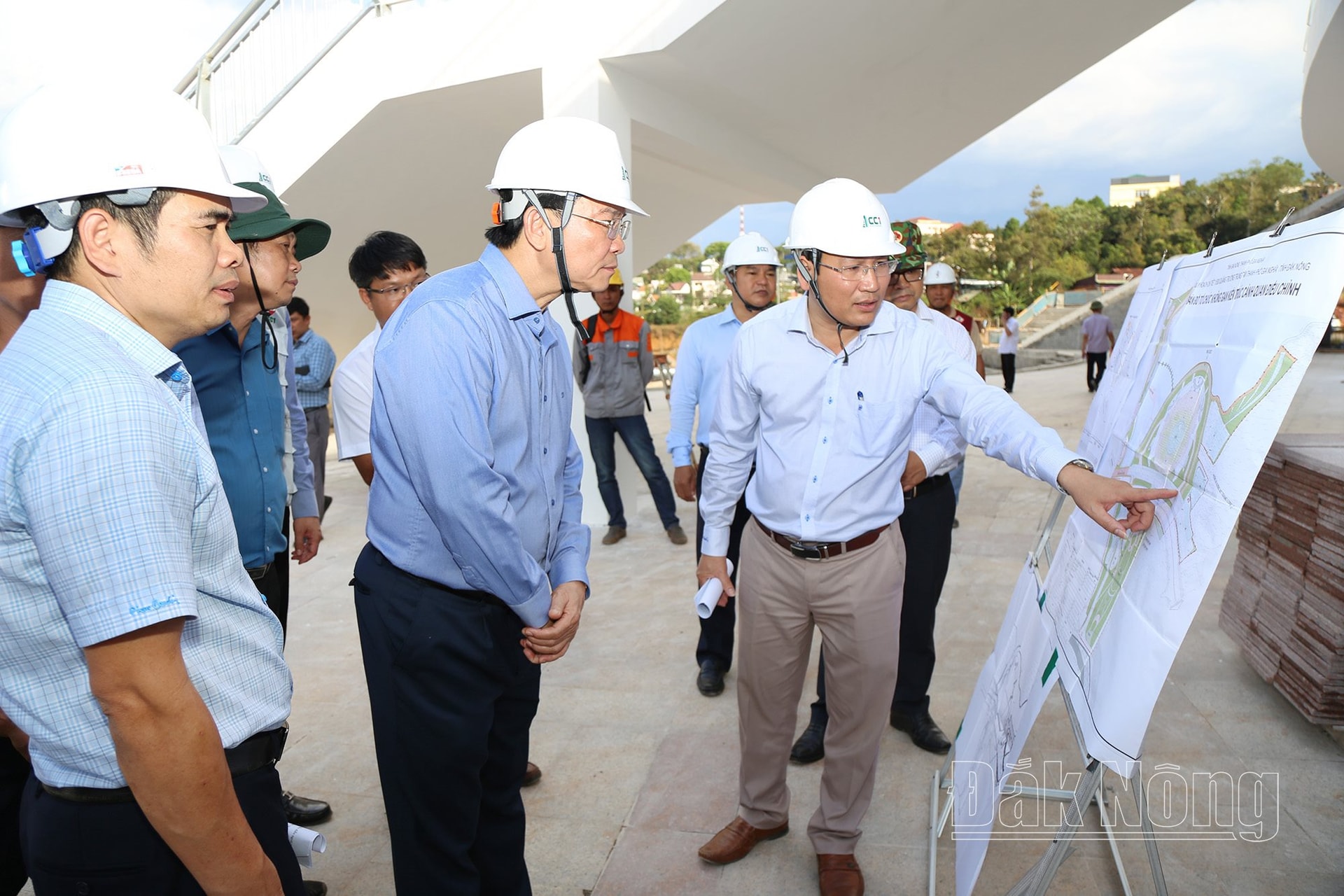
Regarding the coordination mechanism, Director of the Department of Agriculture and Environment Tran Van Dieu said that, first of all, the coordination and agreement between local authorities and investors have not been truly close. Many issues have arisen in projects that the two sides have not coordinated to resolve to the final outcome.
Effective land clearance is crucial for accelerating project progress. To achieve this, coordination between investors and local authorities must be seamless and close. Departments and agencies must work together with districts and cities to ensure unified action and implementation.
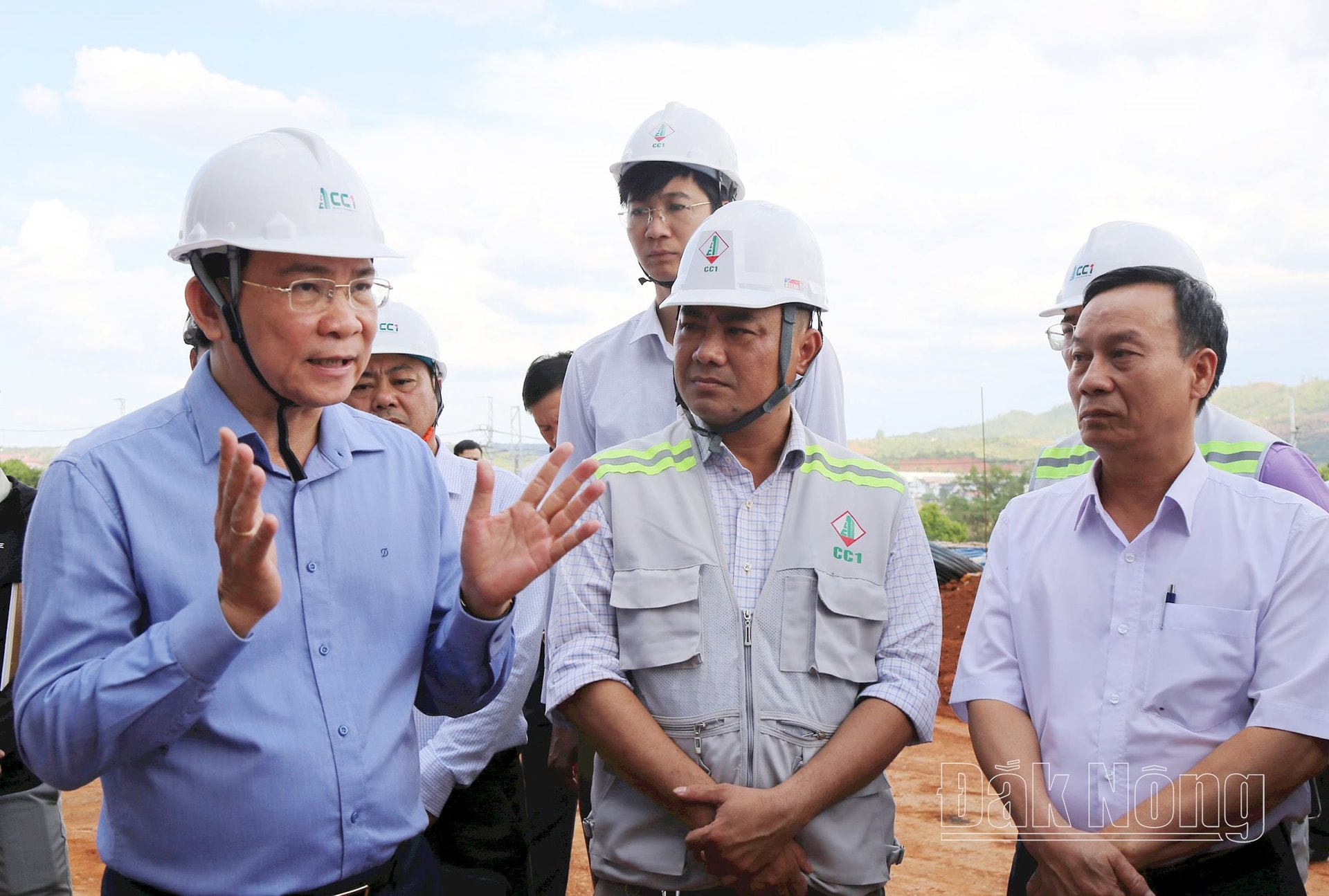
On the part of the districts and cities, they have been proactive and creative in leadership, and flexible in handling situations. Relevant specialized departments have strictly implemented all stages, from the inventory process and verification of land ownership, to the preparation, appraisal, and compensation and support plans. In land clearance, they have flexibly applied different steps to shorten the time and ensure compliance with regulations.
Local authorities need to focus on a decisive effort from the entire political system. This includes leveraging the role of leaders within Party committees, government agencies, the Fatherland Front, and other political and social organizations.
This role must be integrated into every construction project, especially key projects. Investors should proactively assign staff to work directly with relevant departments, agencies, and localities to resolve any related issues definitively.
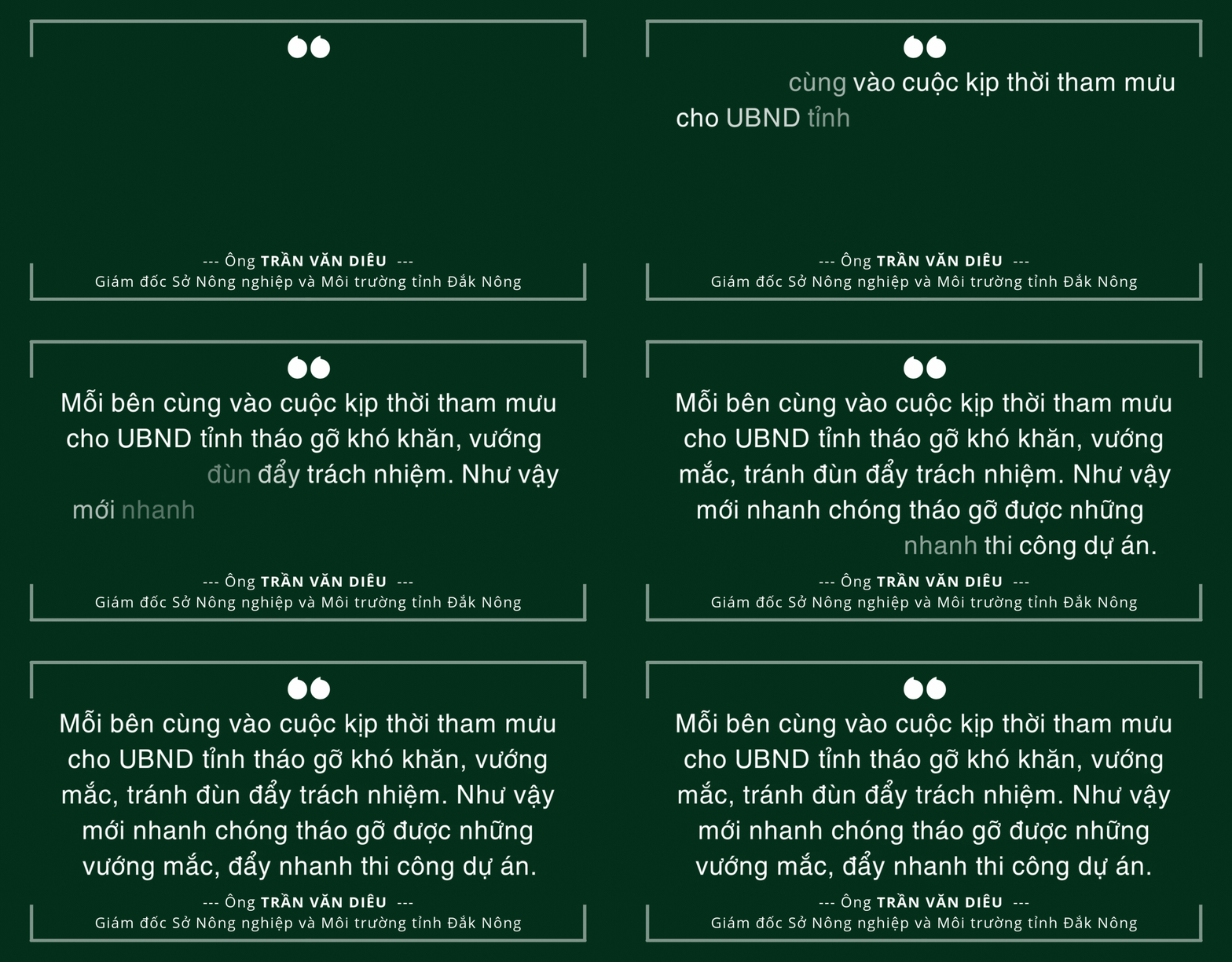
Regarding solutions within the coordination mechanism, Director of the Department of Construction Phan Nhat Thanh suggested that investors and local authorities need to have a common voice. Both sides should jointly advise the Provincial People's Committee on the most feasible plan.
For each locality, it is important that the heads of Party committees and governments at the district and commune levels strengthen dialogue, listen to, and promptly and thoroughly address the opinions and suggestions of the people.

"The investor needs to understand that land clearance is not solely the responsibility of the local authorities. Units should coordinate with local authorities to effectively disseminate information and raise awareness among the people about legal regulations. This will lead to public consensus and prompt handover of land to the construction unit," Mr. Thanh stated.

Source: https://baodaknong.vn/trach-nhiem-voi-cong-trinh-trong-diem-247620.html

![[Photo] Prime Minister Pham Minh Chinh presides over a meeting on private sector economic development.](/_next/image?url=https%3A%2F%2Fvphoto.vietnam.vn%2Fthumb%2F1200x675%2Fvietnam%2Fresource%2FIMAGE%2F2025%2F12%2F20%2F1766237501876_thiet-ke-chua-co-ten-40-png.webp&w=3840&q=75)















































































Comment (0)