

Strabismus, decreased vision, and eye photos taken under flash showing white instead of the usual red... these are warning signs of retinoblastoma.
Retinoblastoma is the most common type of intraocular malignancy in children. According to the American Cancer Society, symptoms of retinoblastoma may include strabismus (crossed eyes), one eye having a different color than the other, decreased vision, eye pain, and in some cases, non-moving pupils, bleeding, or bulging.
In many cases, the disease initially affects one eye, and over time, the other eye is also affected. Rarely, retinoblastoma develops in both eyes at the same time. Retinoblastoma is almost nonexistent in adults.
Common symptoms
Cat-eye reflex (leukocoria): Instead of the normal red reflex under flash, when looking at the red blood vessels of the eye, a white pupil reflex will be observed. This occurs in about 60% of retinoblastoma cases. Parents can notice this in photographs. When using a flash to take photos at night, the eyes usually appear red, but if the pupils in one or both of the child's eyes are white, the child may have retinoblastoma.
Strabismus (amblyopia): This condition is when one or both eyes appear to be looking toward the ear or nose. But sometimes strabismus is caused by other factors besides retinoblastoma. For example, it could be due to a red, swollen eye (without pain), decreased vision, proptosis, nystagmus (movement from side to side of the eye), congenital strabismus or different colors, or uveitis (inflammation of the middle layer of the eye).
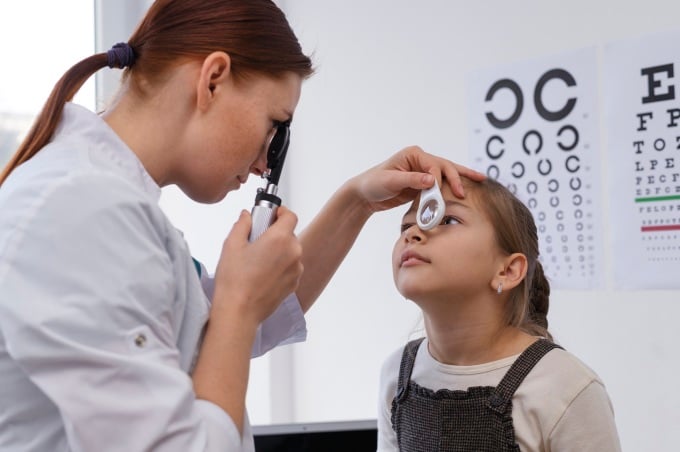
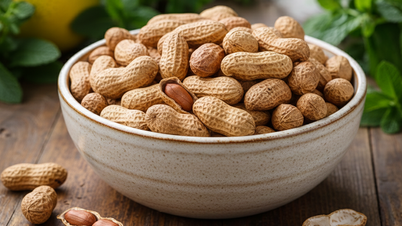
Retinoblastoma occurs almost exclusively in children. (Image: Freepik)
Rare symptoms
Some children with retinoblastoma have an unusual sign: vitreous hemorrhage. This condition is characterized by blood (a reddish fluid that drains from the eye) filling the eye. The disease can occur in newborns and lead to vision loss. In some cases, blood accumulates between the iris and cornea. The blood covers part or all of the area, causing pain and partially or completely obstructing vision.
In a small number of cases (less than 5%), children develop retinoblastoma in both the eye and the brain, known as trilateral retinoblastoma. In this case, the brain tumor is associated with the pineal gland, a gland in the brain that helps regulate the sleep-wake cycle. Retinoblastoma is usually confined to the eye; in rare cases, it can spread to other areas, including the lungs, skeleton, lymphatic system, and nervous system. This can cause symptoms such as unexplained weight loss, nausea and vomiting, nervous system damage, and headaches.
Retinoblastoma can cause complications such as cataracts, retinal detachment (the retina separating from the back of the eye), vision loss, bleeding, and infection. Patients with this cancer may also experience nausea, diarrhea, bruising, bleeding, fatigue, or the development of new cancer.
If left untreated, retinoblastoma continues to grow, and tumors can form in other parts of the eye besides the retina. This can block drainage channels in the eye, potentially causing increased intraocular pressure leading to glaucoma. In this condition, the pressure damages the optic nerve, which can cause pain and vision loss.
To protect eyesight and prevent retinoblastoma, parents should pay attention to any changes in their child's eyes and take them for a check-up as soon as possible if any abnormalities are detected. These include vision problems, abnormalities both inside and outside the eye, abnormal pupil movement or other eye movement problems, bulging eyes, and changes in eye color and size. Approximately 90% of children with this tumor can be cured if detected early.
Mai Cat (According to Very Well Health )
Source link


![[Photo] Prime Minister Pham Minh Chinh presides over a meeting on private sector economic development.](/_next/image?url=https%3A%2F%2Fvphoto.vietnam.vn%2Fthumb%2F1200x675%2Fvietnam%2Fresource%2FIMAGE%2F2025%2F12%2F20%2F1766237501876_thiet-ke-chua-co-ten-40-png.webp&w=3840&q=75)


















































































Comment (0)