

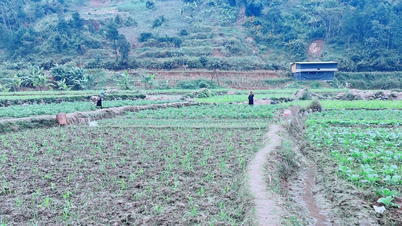
Upon arriving in Bao Ha commune, what impressed us most wasn't the familiar cornfields or cinnamon hills, but the rows of mulberry trees gradually covering the hillsides. This plant, which was thought to be only suitable for alluvial soil and rice paddies, has now taken root and thrived in the dry, barren hillside.
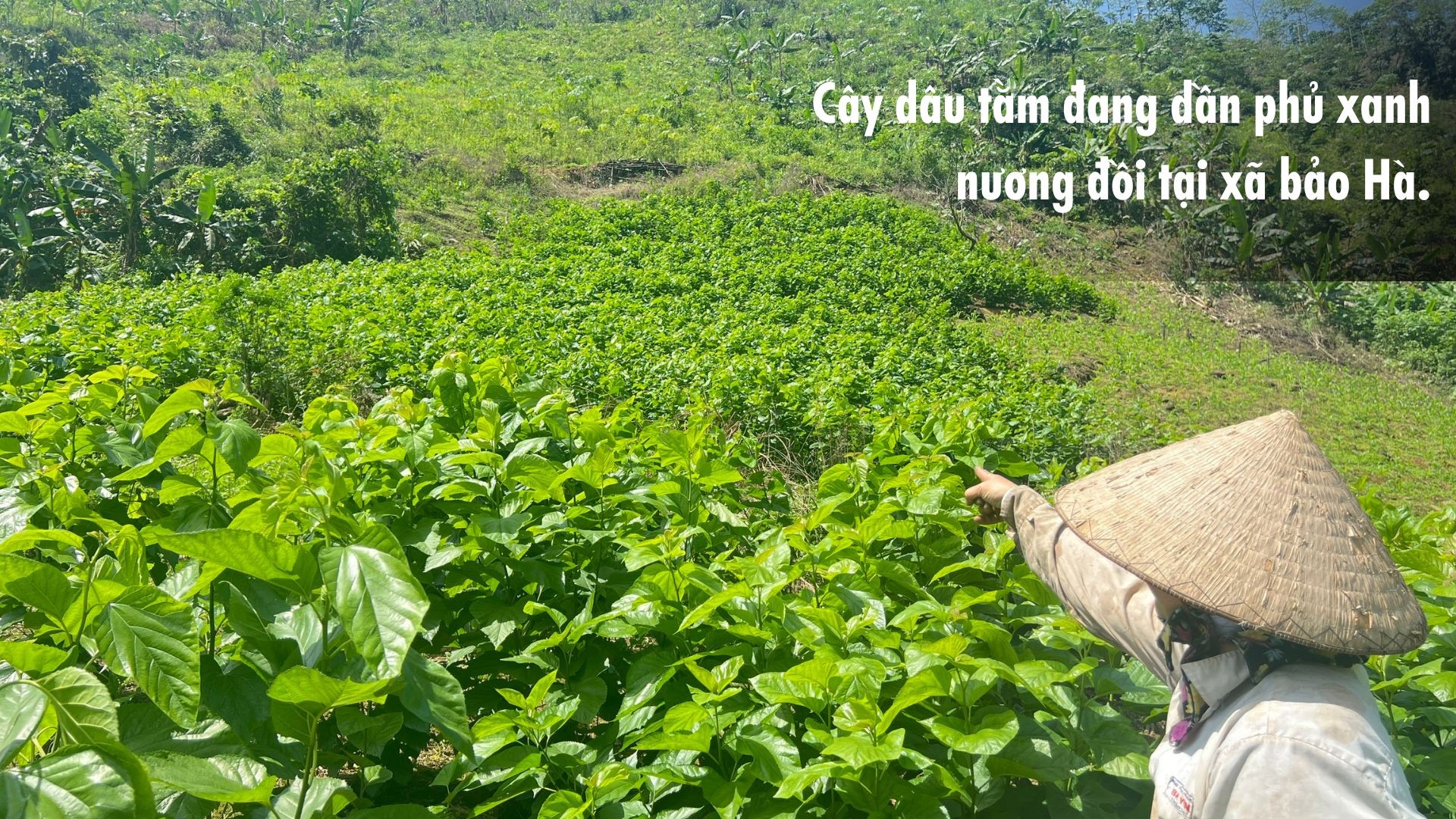
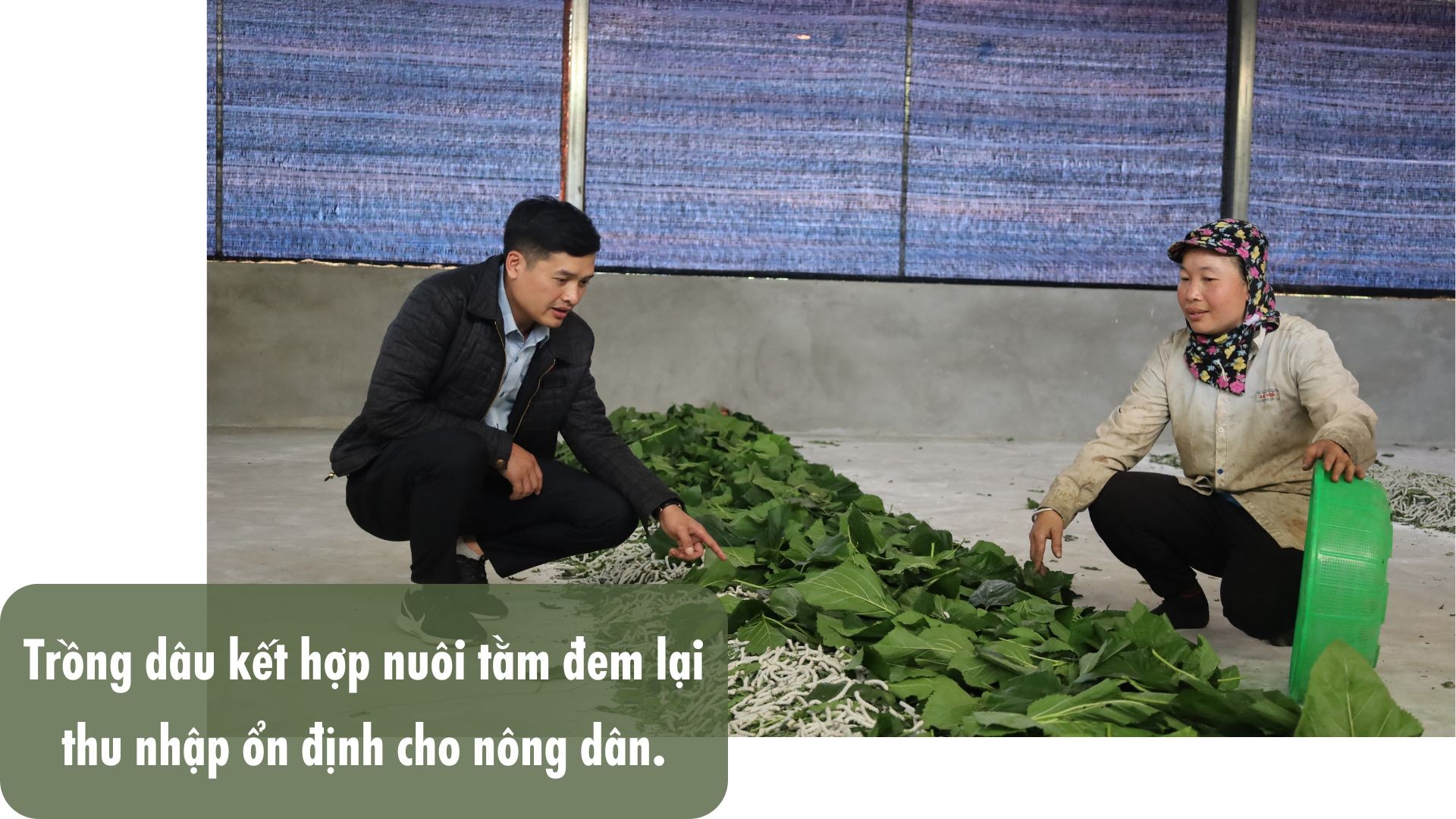
Leading us through a lush mulberry plantation spanning nearly 3 hectares – the result of over two years of converting hillside land to mulberry cultivation – Mrs. Nguyen Thi Sinh (Khoai 3 village) recounted: "Previously, my family only grew corn and cassava on this land, yielding very little income, mainly used for livestock and poultry farming. Since switching to mulberry cultivation, my family has also gained a silkworm farming business, earning millions of dong each month. This income helps my family provide for our children's education and cover living expenses."
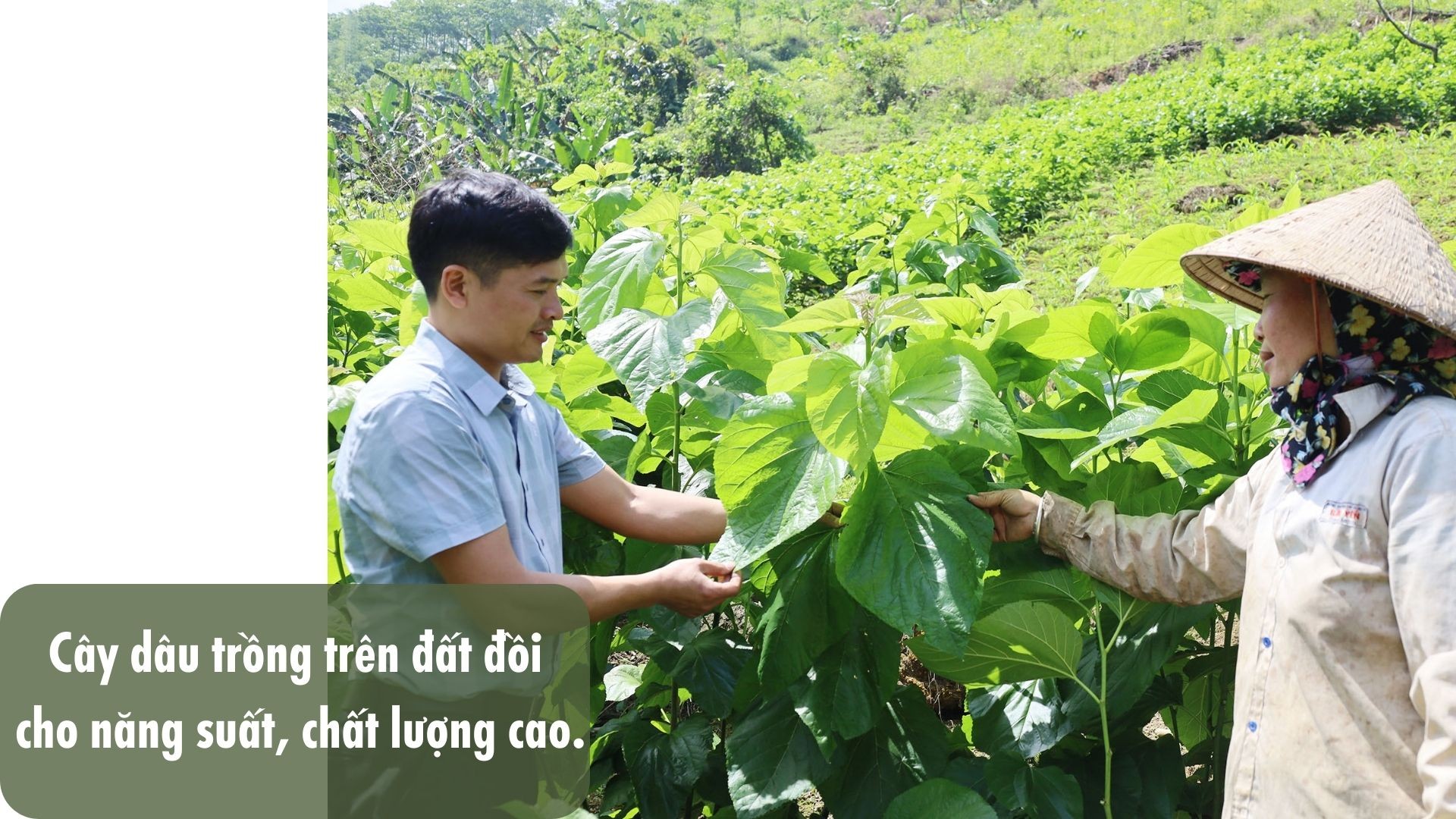
The mulberry variety that Ms. Sinh brought in to plant was purchased from Lam Dong province and has characteristics different from the varieties already grown locally. After planting it for a while, she found that this variety is drought-tolerant, easy to care for, grows well on hilly land, and has a fast growth rate; after only 3-4 months, the leaves can be harvested to feed silkworms. In particular, the leaves are large, thick, and uniform, which helps silkworms grow quickly.
"Compared to traditional crops like corn and cassava, mulberry cultivation combined with silkworm farming yields many times higher income. This year, I'm continuing to convert the remaining 2 hectares of hillside land to mulberry cultivation to expand the scale of silkworm farming," Ms. Sinh added.
Bao Ha commune is located within the planned mulberry cultivation area of Bao Yen district. According to the plan, the locality aims to have 50 hectares of mulberry trees by the end of 2025. However, the available land for converting alluvial and paddy fields to mulberry cultivation is limited. To overcome this obstacle, the locality has learned from the experiences of other areas to introduce drought-resistant mulberry varieties suitable for hilly terrain for cultivation.
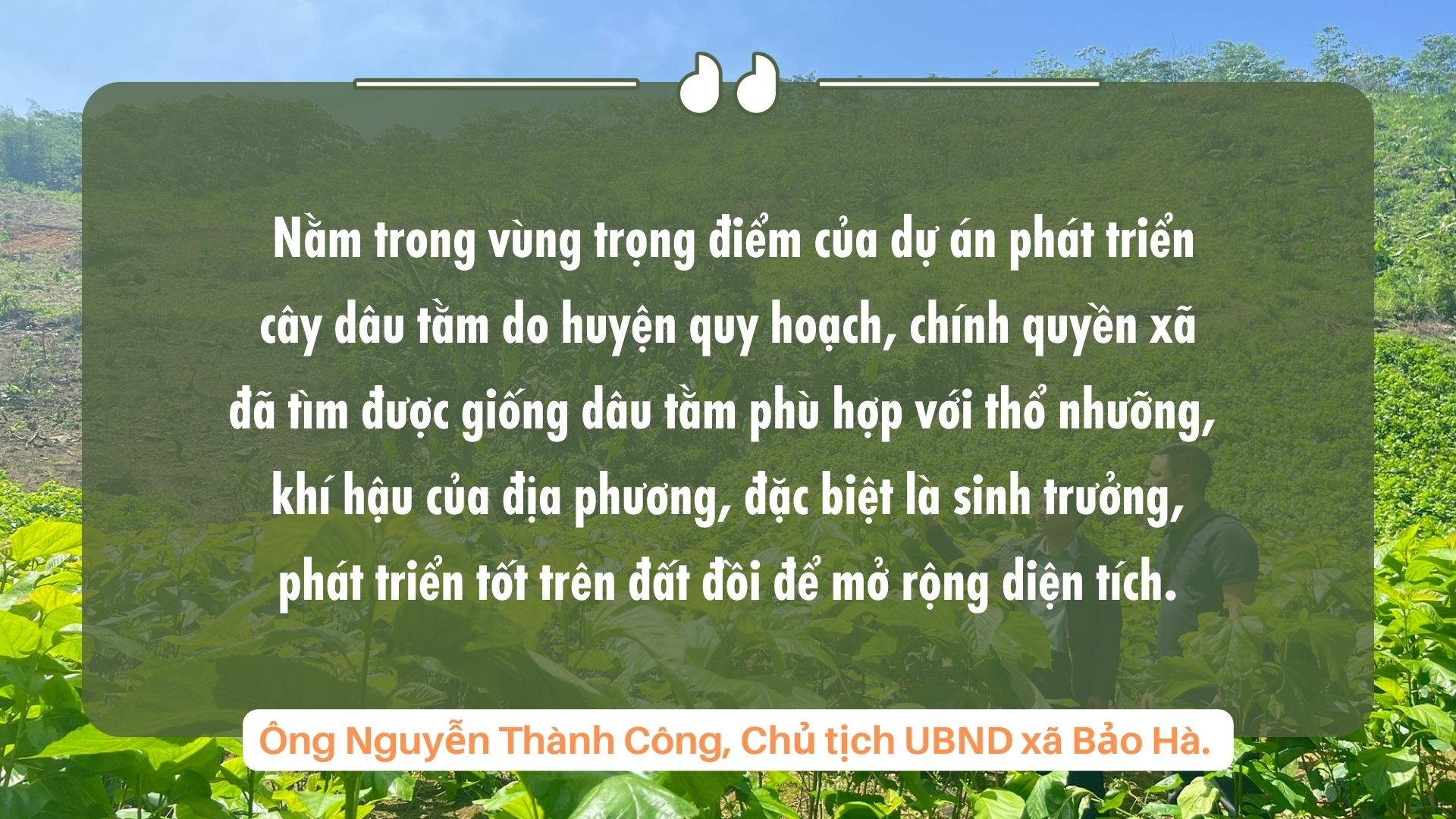
The commune is focusing on encouraging people to convert hilly and unproductive land to mulberry cultivation; coordinating with specialized agencies of the district to provide technical support, seeds, and connect with businesses that purchase silkworm cocoons so that people can produce with peace of mind. Currently, the commune has nearly 10 hectares of mulberry trees, of which more than 3 hectares are planted on hilly land. In the future, the commune will continue to promote, create favorable conditions, and provide necessary support when households expand the area of mulberry cultivation on hilly land.
The mulberry tree has been identified by Bao Yen district as one of its key crops and its development is being encouraged in the alluvial plains along rivers and streams in six communes: Kim Son, Cam Con, Bao Ha, Viet Tien, Xuan Thuong, and Nghia Do. The district aims to restore the entire mulberry cultivation area to pre-Covid-19 levels (approximately 300 hectares) by the end of 2025, increase the total mulberry cultivation area to 500 hectares by the end of 2030, and attract investment for at least one silk reeling factory in the area.
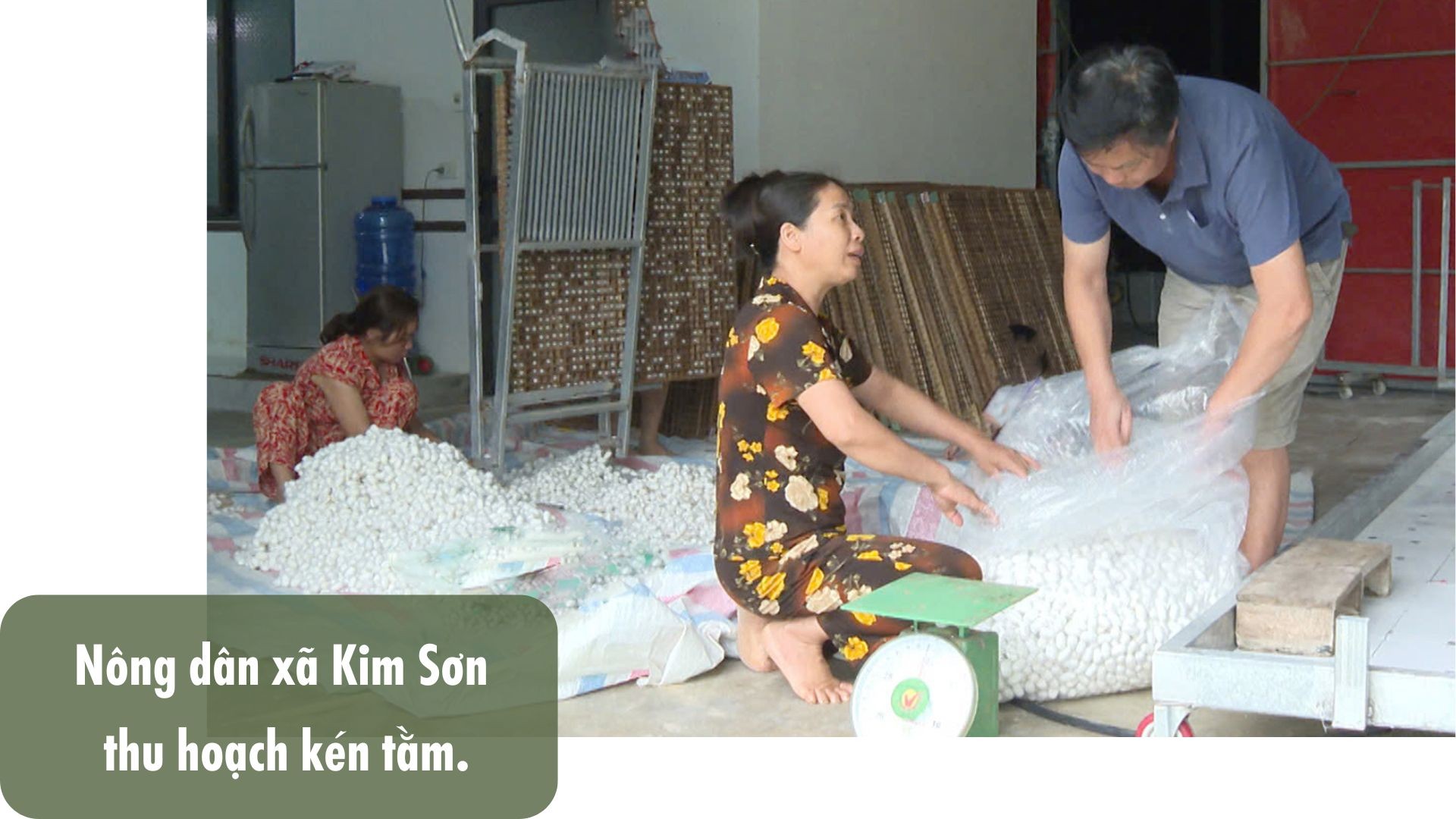
However, the expansion of mulberry cultivation is currently slow. By April, only 54.3 hectares had been planted in the entire district, a low percentage compared to the assigned target. Surveys in the communes also showed that the mulberry cultivation areas of households in the region are small and fragmented; the fields of households wishing to grow mulberry trees for silkworm farming are interspersed with fields cultivating many other crops, leading to the risk of pesticide exposure, pest and disease infestation, directly affecting the silkworm's food source, and reducing cocoon yield and quality. Many households that previously grew mulberry trees on alluvial land along rivers and streams, after suffering damage from floods, are hesitant to take risks…
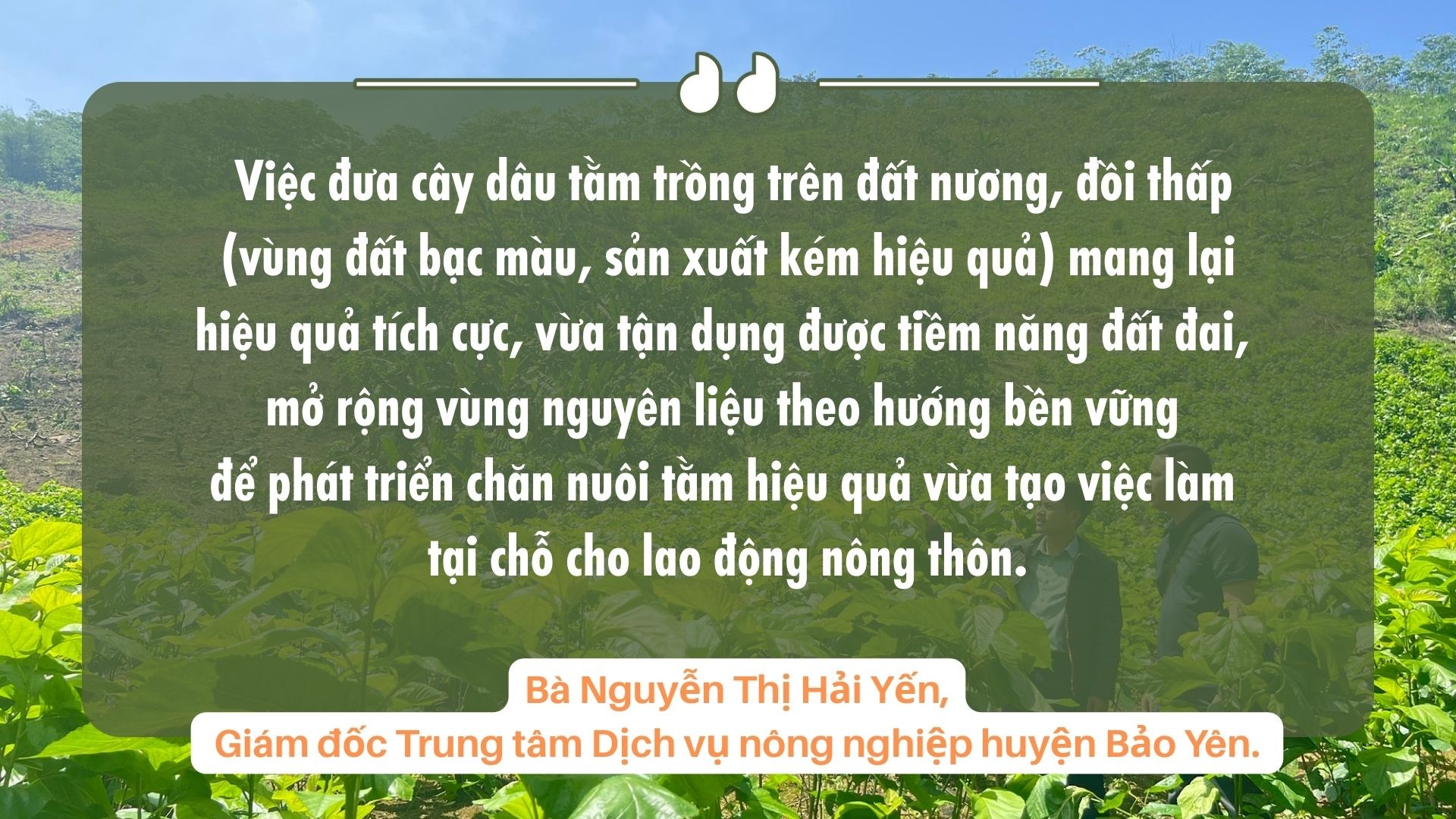
Ms. Nguyen Thi Hai Yen, Director of the Agricultural Services Center of Bao Yen district, said: To sustainably develop the mulberry growing area in the district, the district has built a mechanism to support seedlings, livestock, and necessary conditions to encourage households participating in the project to actively expand their area.
It is estimated that mulberry leaf yield reaches over 30 tons/ha/year, and when combined with silkworm farming (8-10 silkworm cycles/year), it will bring in a profit of over 500 million VND per year for farmers. With the relatively stable price of silkworm cocoons (at 160,000-200,000 VND/kg) and a steady market, people can confidently invest in and develop the profession.
In the coming period, Bao Yen district will also focus on effectively implementing the planning of mulberry cultivation areas, promoting production linkages between businesses and producers; attracting organizations and individuals to invest in deep processing of mulberry products to meet market demand and increase farmers' income.
During this time, farmers in the mulberry-growing and silkworm-raising areas of Bao Yen district are excitedly harvesting the first batch of silkworm cocoons of the year, which is also the first batch after the district restored the mulberry-growing areas damaged by typhoon No. 3 in September 2024.
This year, silkworm cocoons are of good quality, prices have increased, and sales are favorable. Currently, the price of silkworm cocoons purchased by partner organizations is 185,000 VND/kg, an increase of 10,000 - 15,000 VND/kg compared to the same period last year.
Bao Yen district currently has over 54 hectares of mulberry trees. According to calculations, 1 hectare of mulberry trees used for silkworm farming will yield 1.7 - 1.9 tons of cocoons per year. With a selling price of over 180,000 VND/kg, farmers will earn over 300 million VND.
Source: https://baolaocai.vn/trong-cay-dau-tam-tren-dat-doi-post401019.html
![[Photo] Prime Minister Pham Minh Chinh attends the Conference on the Implementation of Tasks for 2026 of the Industry and Trade Sector](/_next/image?url=https%3A%2F%2Fvphoto.vietnam.vn%2Fthumb%2F1200x675%2Fvietnam%2Fresource%2FIMAGE%2F2025%2F12%2F19%2F1766159500458_ndo_br_shared31-jpg.webp&w=3840&q=75)




































































Comment (0)