The Ministry of Health has just issued a circular regulating prescriptions and the prescribing of chemical and biological drugs in outpatient treatment at medical examination and treatment facilities. The circular takes effect from July 1st.
This includes a list of diseases and disease groups for which outpatient prescriptions for more than 30 days are applicable.
The prescriber determines the number of days each medication in the prescription should be used based on the patient's clinical condition and stability, with a maximum duration of ninety days for each medication.
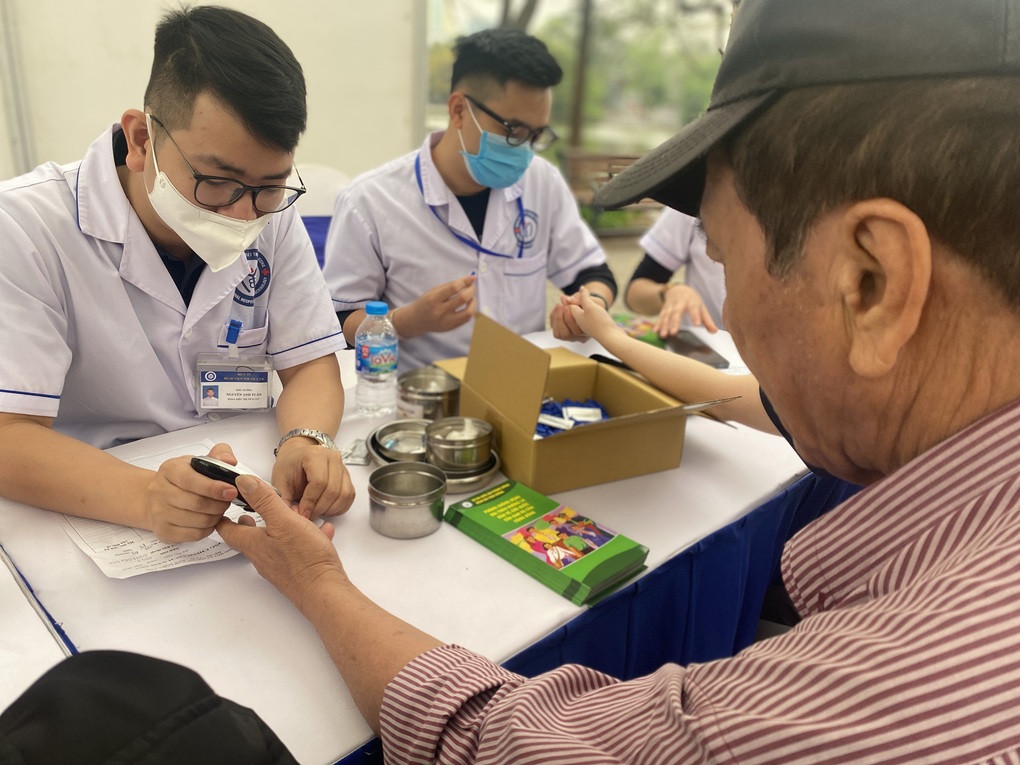
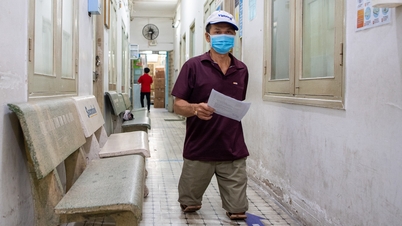
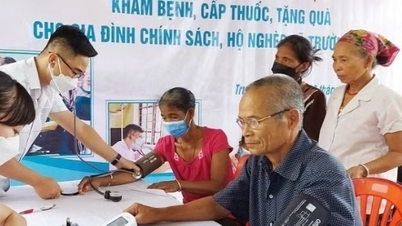
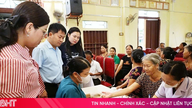
Many chronic diseases requiring long-term treatment will necessitate outpatient prescriptions for more than 30 days (Illustrative image: NP).



This list includes 252 diseases and disease groups belonging to 16 specialties such as cancer (breast cancer, non-small cell lung cancer, thyroid cancer), blood diseases (thalassemia, sickle cell anemia...), endocrine, nutritional and metabolic diseases (hypothyroidism, pituitary insufficiency, diabetes...), mental diseases, nervous system diseases, circulatory, respiratory, digestive, skin, musculoskeletal and connective tissue diseases...
This policy stems from the practical needs of patients, especially those living in remote areas, the elderly, and patients with mobility difficulties. Previously, Circular 52/2017 stipulated a maximum prescription period of 30 days for outpatient medication.
In addition, the circular also regulates the prescription of narcotic drugs to relieve pain for cancer patients.
The patient or their representative must sign a consent form regarding the use of narcotic drugs. Each prescription must be for a maximum of 30 days, and three consecutive treatment courses must be specified on one prescription, each course not exceeding 10 days (clearly stating the start and end dates of each treatment course).

In cases where cancer patients are confined to their homes and unable to visit a medical facility, they must obtain confirmation from the head of the local health station (commune, ward, or special zone) where they reside that they need to continue pain relief treatment with narcotic drugs, along with a summary of their medical records.
Source: https://dantri.com.vn/suc-khoe/tu-17-252-benh-duoc-ke-don-thuoc-ngoai-tru-tren-30-ngay-20250701151433016.htm



![[Photo] Prime Minister Le Minh Hung presides over the thematic session on promoting science and technology development and innovation.](https://vphoto.vietnam.vn/thumb/1200x675/vietnam/resource/IMAGE/2026/06/23/1782207872934_ndo_br_dsc-1724-jpg.webp)