

From its humble beginnings as a grassroots movement, Vietnamese sports have now become a system that has achieved numerous successes in regional and continental competitions.
The medals at the SEA Games, the great progress at the ASIAD, or the Olympic achievements are not just the results of competition, but also evidence of the shift of a sport from serving basic needs to asserting its position.
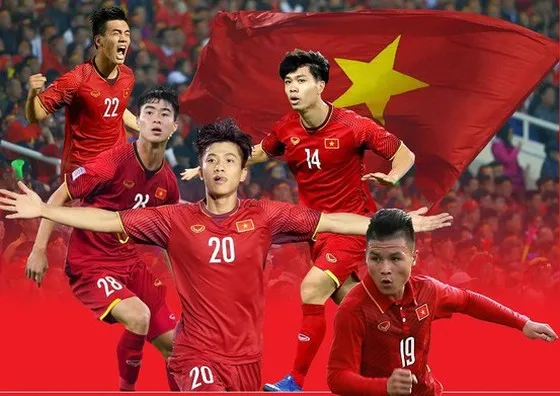
But as the foundation of a "strong and prosperous nation" gradually becomes a reality, the demands placed on Vietnamese sports no longer stop at developing the movement or maintaining achievements. In a social context striving for a higher quality of life, Vietnamese sports, with its rich tradition and talented generation of athletes, faces a new requirement, focusing on more substantive values: economics , technology, and the courage to venture internationally.
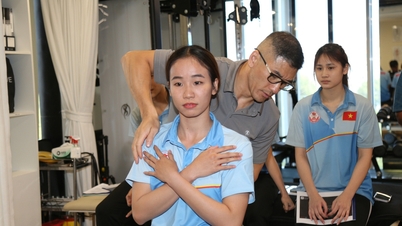
The most pressing need right now is self-reliance through sports economics. A strong sports system cannot be built sustainably on dilapidated stands or training facilities lacking modern medical equipment.
The national sports scene needs iconic facilities, such as smart stadiums and talent training academies modeled after businesses, where each athlete is a valuable asset, receiving systematic investment in both professional skills and brand image.
In many countries, sports have become an economic sector capable of generating real value through an ecosystem encompassing professional competition, television rights, sponsorships, advertising, and related services.
Vietnam has not yet reached that scale, but initial signs are emerging, from the development of domestic leagues to the growing interest from businesses and the public. The problem is that these resources have not yet been organized into a sustainable structure.
Alongside infrastructure development is a transformation of human resources, placing athletes and coaches at the center. The 80-year history of Vietnamese sports development must be continued by upgrading the training model and building a completely new generation of athletes: physically strong, intellectually gifted, proficient in foreign languages, and financially independent through professional competition.
Engaging in international experiences, competing abroad, and participating in high-quality sports labor markets overseas through professional competition is the shortest path for Vietnamese athletes to absorb modern training technologies from the world of sports.
The 80-year journey of Vietnamese sports, from President Ho Chi Minh's call for physical training in 1946 to its progress on the international stage, is a testament to its adaptability and development.
But in this new context, where the economy has a more solid foundation, sports need to become a driving force, a field capable of creating value and leading change to make the country increasingly powerful.
Source: https://www.sggp.org.vn/tu-dan-cuong-den-nuoc-manh-post843941.html




![[Photo] National Assembly Chairman Tran Thanh Man working with the Standing Committee of the Law and Justice Committee](https://vphoto.vietnam.vn/thumb/1200x675/vietnam/resource/IMAGE/2026/05/21/1779378929214_ndo_br_1-4610-jpg.webp)
![[Photo] General Secretary and President To Lam presides over a working session with the Central Policy and Strategy Committee on the development of the materials industry.](https://vphoto.vietnam.vn/thumb/1200x675/vietnam/resource/IMAGE/2026/05/21/1779359935432_a3-bnd-3129-1412-jpg.webp)












































































Comment (0)