

The urgent message about building an "ecological civilization"
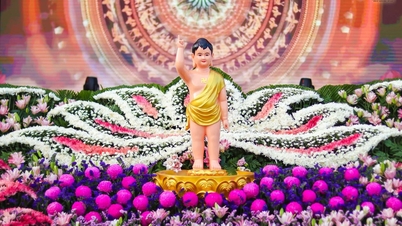
In the spirit of global connection and shared responsibility in the face of humanity's challenges, the 21st United Nations Vesak Day, co-organized by the International Council for Day of Vesak and the Buddhist Association of China, will be held in Beijing, China from May 27 to 29. This year's celebration is themed " Buddhist Wisdom for Promoting Global Sustainable Development and Building a Shared Future for Humanity."
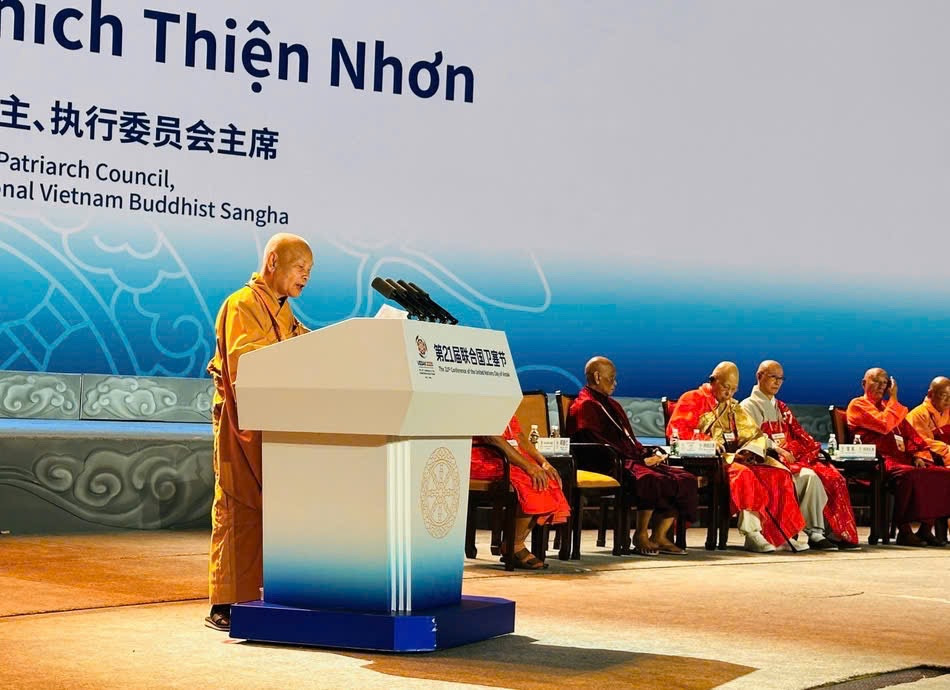
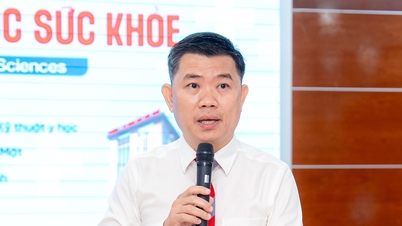
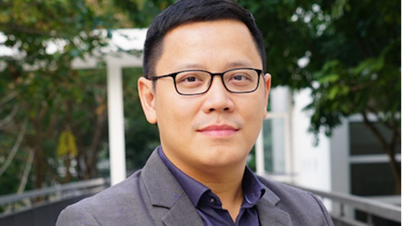
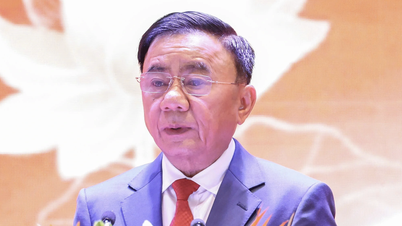
In his presentation at the 2026 UN Vesak Celebration, Venerable Thich Thien Nhon, Vice Dharma Chief of the Council of Buddhist Elders and Chairman of the Executive Council, emphasized that the United Nations calls for a change in the model of responsible consumption and production (SDG 12) to create an "ecological civilization." Development is not about unlimited consumption of resources, but about improving the quality of life in harmony with ecological limits. When humanity learns to "reduce greed," live "contentment," and "moderation" in consumption, the pressure on natural resources will lessen, making way for the regeneration of the Earth.
From this perspective, the "compassionate economy " can be understood not as a foreign concept, nor as a denial of the role of growth, production, or profit. It is a way of re-examining the ultimate goal of development: the economy must serve humanity, alleviate suffering, reduce inequality, and preserve the environment for future generations.
In a world facing climate change, conflict, poverty, disease, and inequality, the message of a compassionate economy becomes even more urgent.
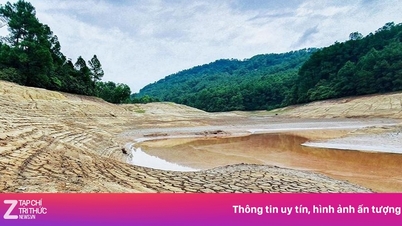
According to the World Meteorological Organization, global temperatures in 2024 were 1.55°C higher than pre-industrial levels. Not only the natural environment, but also human health is directly suffering the consequences. The 7th Global Environment Outlook (GEO-7) report, released by the United Nations Environment Programme (UNEP) on December 9, 2025, states that air pollution is linked to approximately 9 million deaths globally, primarily through respiratory, circulatory, and immune diseases.
These figures show that development cannot continue to be simply understood as producing more, consuming more, and growing faster. When the price to pay is environmental damage, threatened human health, and depleted resources, the economy needs to be viewed through a more humanistic value system. This is the meeting point between the compassionate spirit of Buddhism and the demands of sustainable development in today's world.
Compassionate economics: Preventing the Earth and humanity from becoming exhausted.
The spirit of "contentment" is a crucial foundation of compassionate economics. Knowing when you have enough doesn't mean accepting poverty or abandoning development. It means recognizing the limits of greed, the limits of resources, and the Earth's capacity to withstand it. In an age of excessive consumption, the more material choices people have, the more they need the capacity for mindfulness to avoid being caught in the endless cycle of buying, owning, and replacing.
From that perspective, responsible consumption is also an expression of compassion. Choosing a more durable, less harmful product, produced under fairer labor conditions, is not just a personal choice but also an ethical attitude. Every consumer behavior, however small, contributes to shaping the market. When consumers care more about product origins, environmental impact, and corporate social responsibility, the economy is forced to move in a more humane direction.
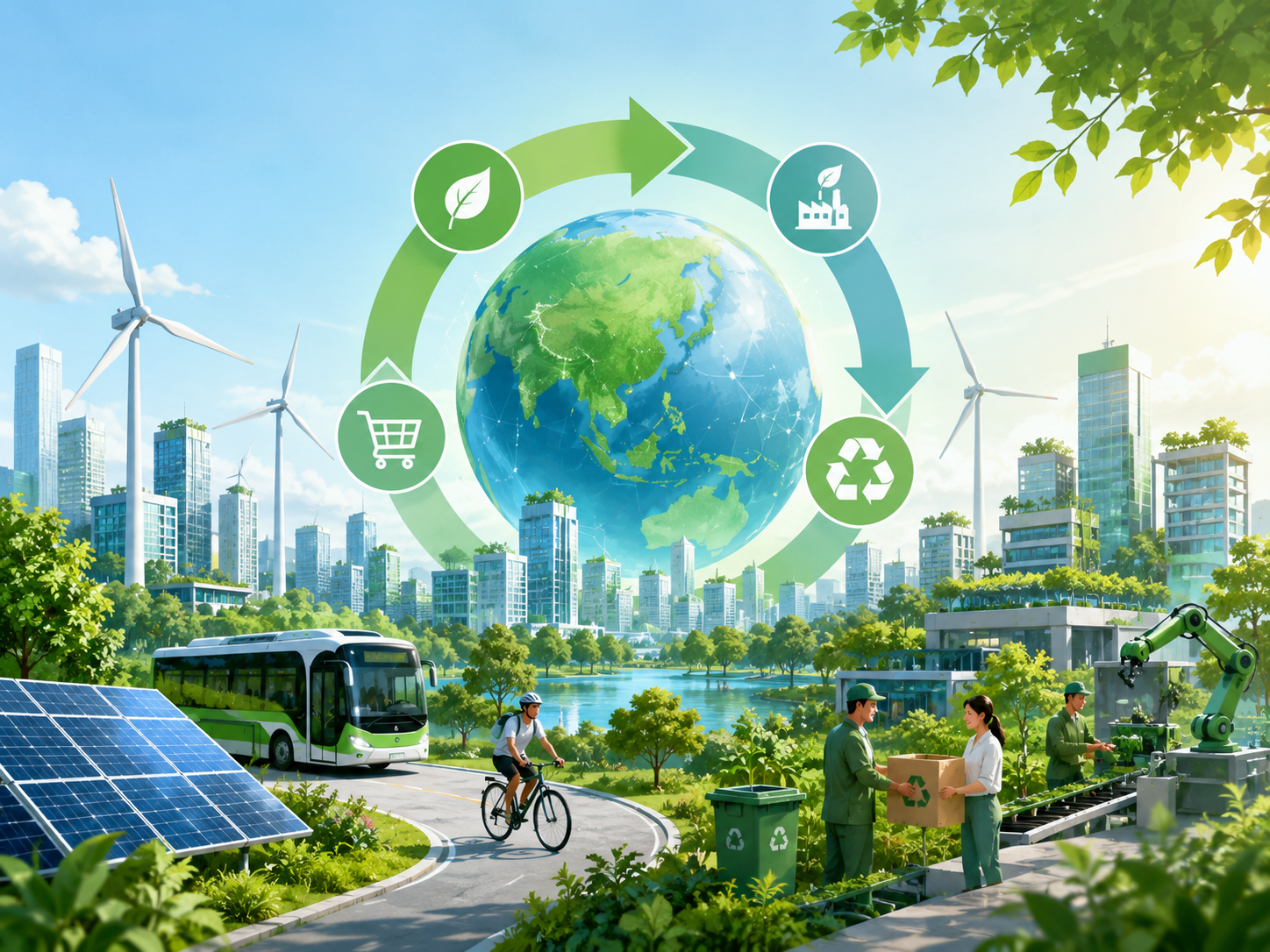
The compassionate economy also aligns with modern development trends such as the green economy, the circular economy, and corporate social responsibility. Although called by different names, these models share a common thread: profit cannot stand alone. Profit must go hand in hand with ethics. Growth must be accompanied by fairness and responsibility.
Accordingly, Venerable Thich Thien Nhon emphasized promoting a compassionate economy: building inclusive economic models, eliminating inequality, and placing human dignity and the well-being of all beings at the center.
Mother Earth is infinitely forgiving, but her resources are limited. Wisdom is about knowing when to stop before greed, and compassion is about reaching out to those who suffer. May the light of wisdom and compassion illuminate our steps, so that a "shared future" is no longer a distant dream, but a reality present in every breath of humanity.
Source: https://vietnamnet.vn/tu-vesak-2026-nghi-ve-nen-kinh-te-tu-bi-2520224.html




































































Comment (0)