

Vietnam's "cultural passport"
In the flow of Vietnamese culture, the ao dai is not only a traditional garment but also a symbol of the beauty, character, and soul of the nation. Through the many changes of modern life, the ao dai remains a "living heritage," preserving traditional values while constantly being innovated to suit the rhythm of contemporary life.
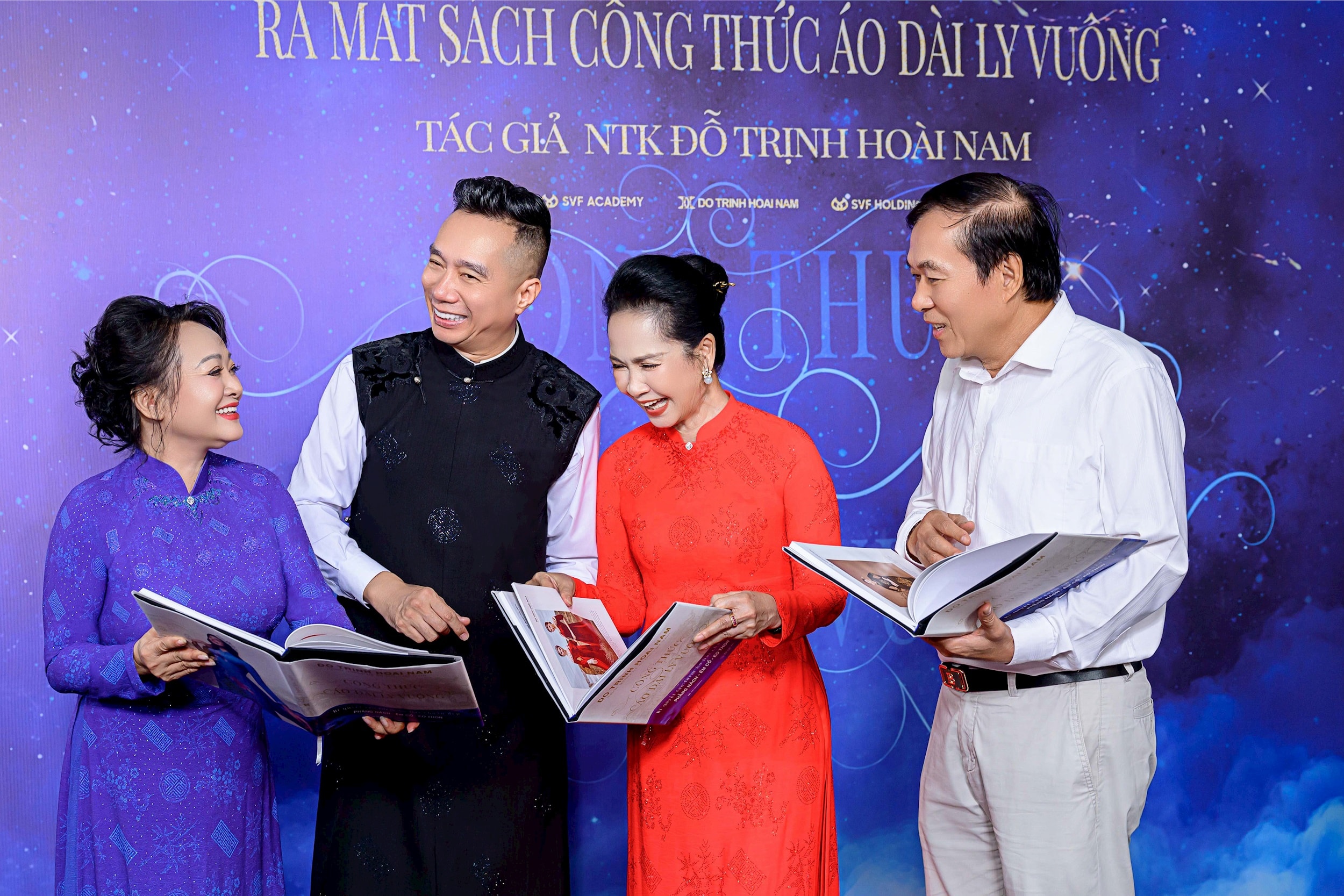
With nearly 40 years dedicated to the profession, Do Trinh Hoai Nam is one of the designers who devotes much of his passion to researching the structure of the Vietnamese ao dai. From years of tailoring and interacting with women of various ages and body types, he realized that the traditional ao dai with its familiar diagonal pleats still has many limitations: the sleeves wrinkle easily, the collar bunches up, it restricts the wearer's movement, and sometimes reveals body imperfections.
From that concern, the "square pleat ao dai" formula was born as an improvement in tailoring techniques. Instead of the diagonal pleats of the past, the square pleat structure makes the armholes flatter, the neckline softer, the waist slimmer, and the figure more naturally fitted. More importantly, the wearer feels comfortable and flexible while still maintaining the characteristic elegance of the Vietnamese ao dai.
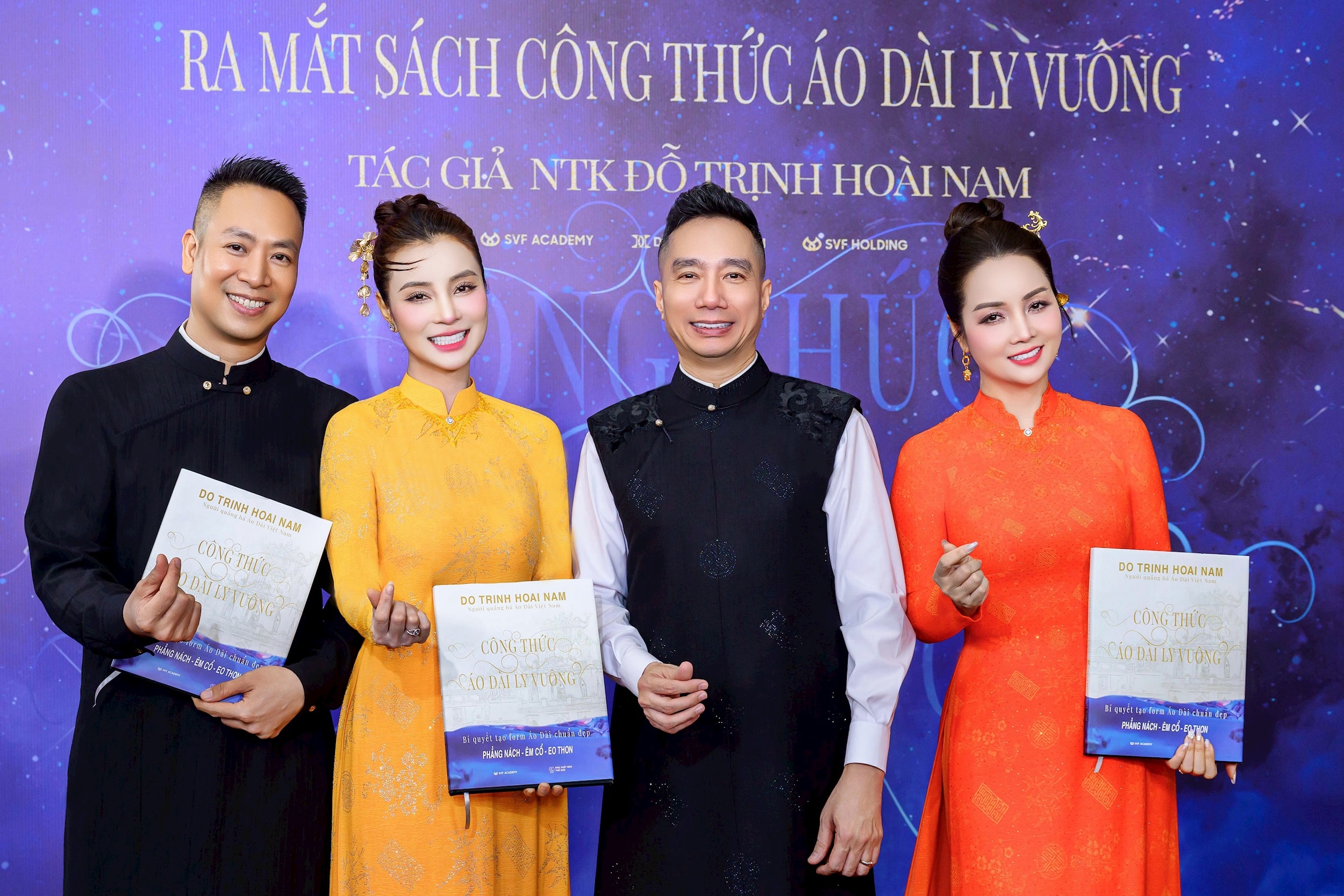
Many young designers today have applied this formula to tailoring wedding ao dai, performance ao dai, and even everyday ao dai. This seemingly small change has helped make the ao dai more accessible to modern life, especially for young women – who always want to look beautiful and feel comfortable while wearing traditional clothing.
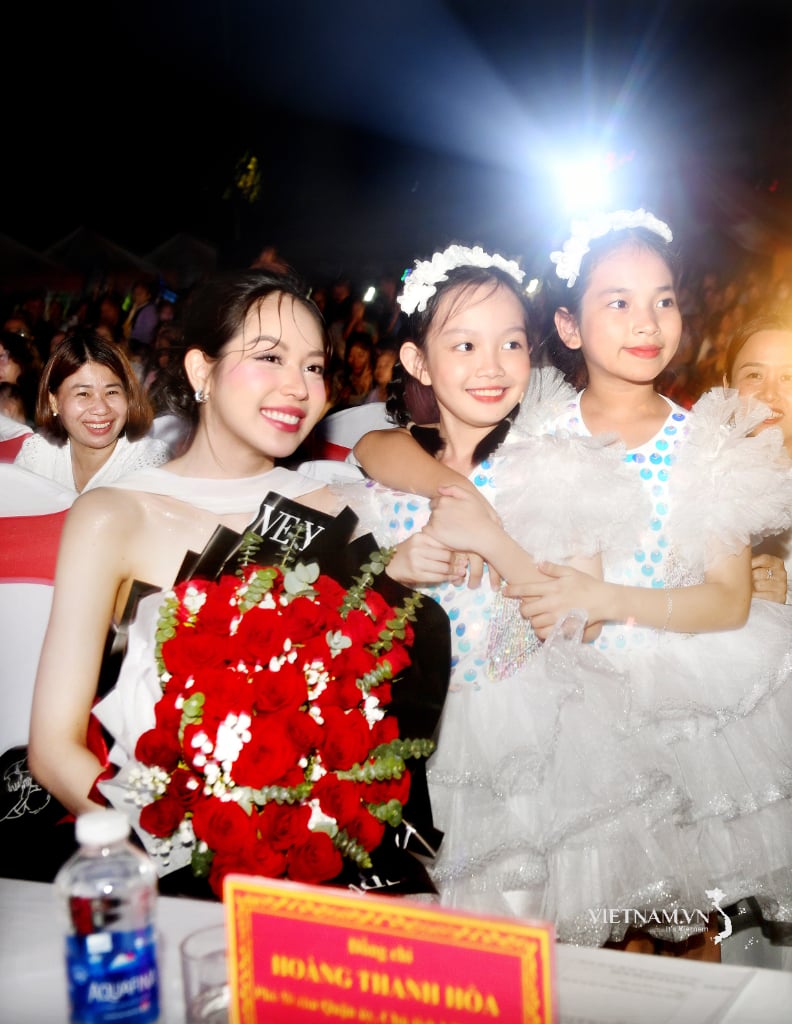
The recent book launch event in Hanoi not only attracted the fashion world but also many artists, beauty queens, cultural experts, and diplomats . Miss Huynh Thi Thanh Thuy, People's Artist Lan Huong, Meritorious Artist Nguyet Hang, and many other artists appeared in new ao dai designs, demonstrating the enduring appeal of the square-pleated ao dai to generations of Vietnamese women.
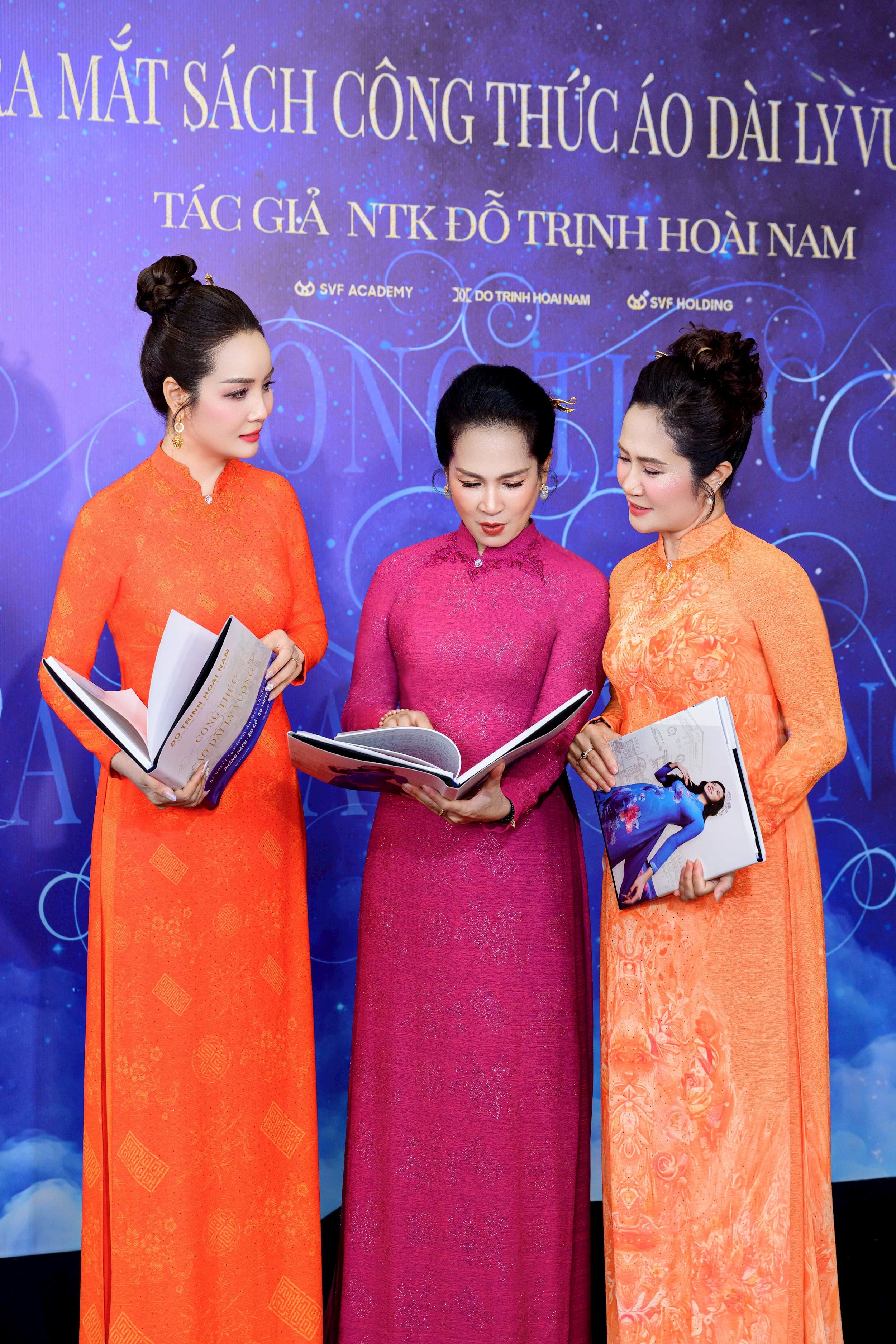
At the event, Mr. Saadi Salama, Ambassador of the State of Palestine and Head of the Foreign Diplomatic Corps in Vietnam, remarked that the ao dai (Vietnamese traditional dress) is like a "cultural passport," carrying the image of Vietnam to the world through its elegant beauty and rich cultural identity. This observation also shows that today, the ao dai is not only a garment for ceremonies or special events, but has also become a gentle cultural language for Vietnam to engage in dialogue with international friends.
Share to spread the message.
What is most noteworthy about the book "The Square-Pleated Ao Dai Pattern" is its spirit of passing on professional knowledge.
Fashion designer Do Trinh Hoai Nam shared that the book was created out of love for Vietnamese women and the culture of the ao dai (traditional Vietnamese dress). For him, passing on the craft means passing it on with dedication, so that those who follow have a stronger foundation when entering the ao dai tailoring profession.
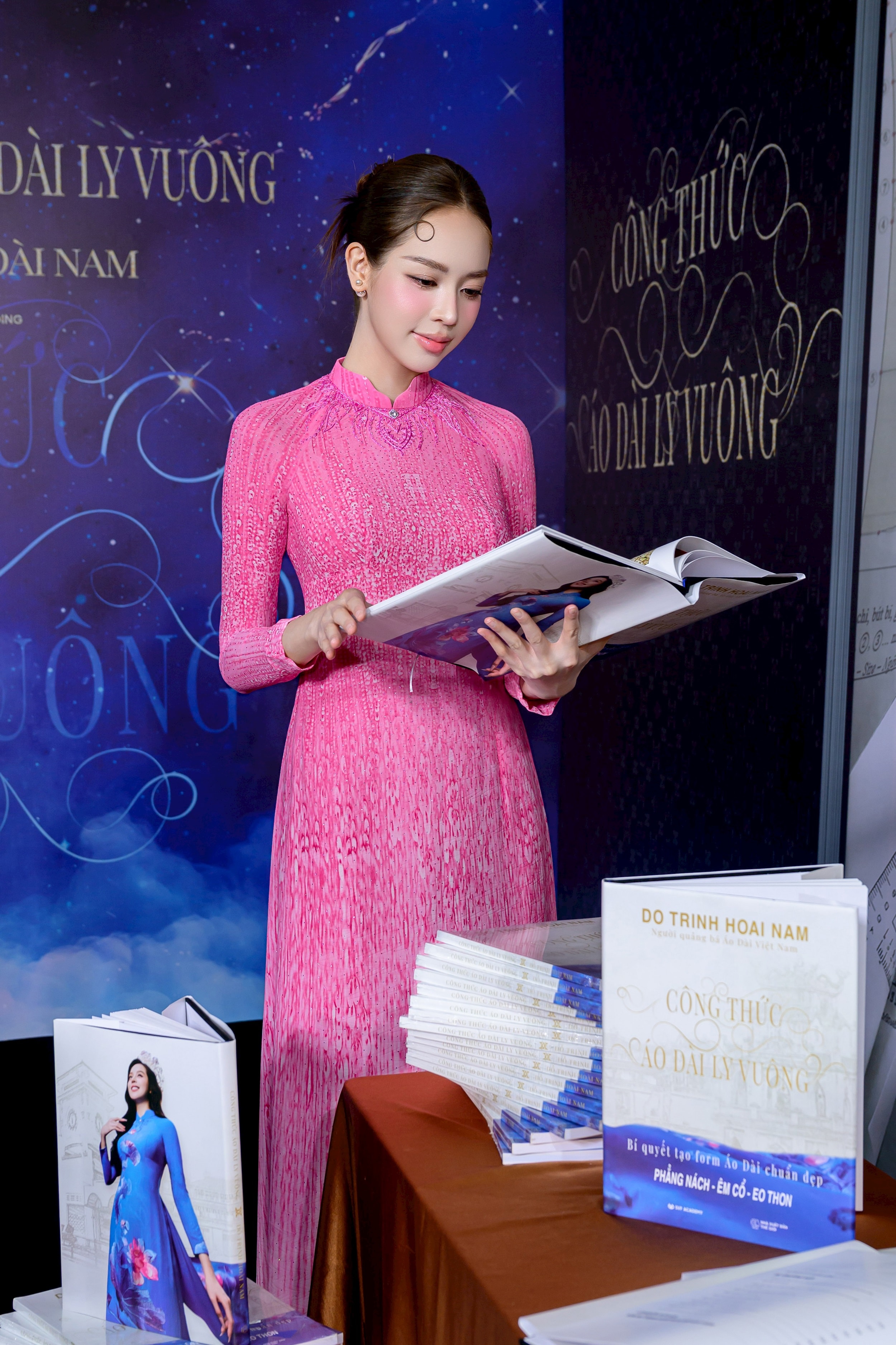
Before the book was published, the square-pleated ao dai pattern had been disseminated free of charge through various useful activities, most notably the "Do Trinh Hoai Nam 2024 Square-Pleated Ao Dai Sewing and Design Program," organized by the Ministry of Education and Training , the Vietnam Education Union, in collaboration with SVF Academy. Thousands of teachers, students, and ao dai enthusiasts nationwide participated in these courses.
Therefore, systematizing knowledge into a book also has the significance of long-term preservation. The book records the entire process from handling measurements, creating patterns, making designs, to cutting and sewing techniques and product quality control. Experiences that were previously passed down orally are now presented in a systematic, scientific, and more applicable way for apprentices.
From an academic perspective, Professor Vu Chi Cong - former Acting Rector of the University of Industrial Fine Arts - believes that this is a valuable document for fine arts students, young designers, and researchers of traditional Vietnamese clothing. For a long time, much professional knowledge in the field of ao dai (Vietnamese traditional dress) has mainly existed in the form of personal experience, and has not been standardized into professional documents.
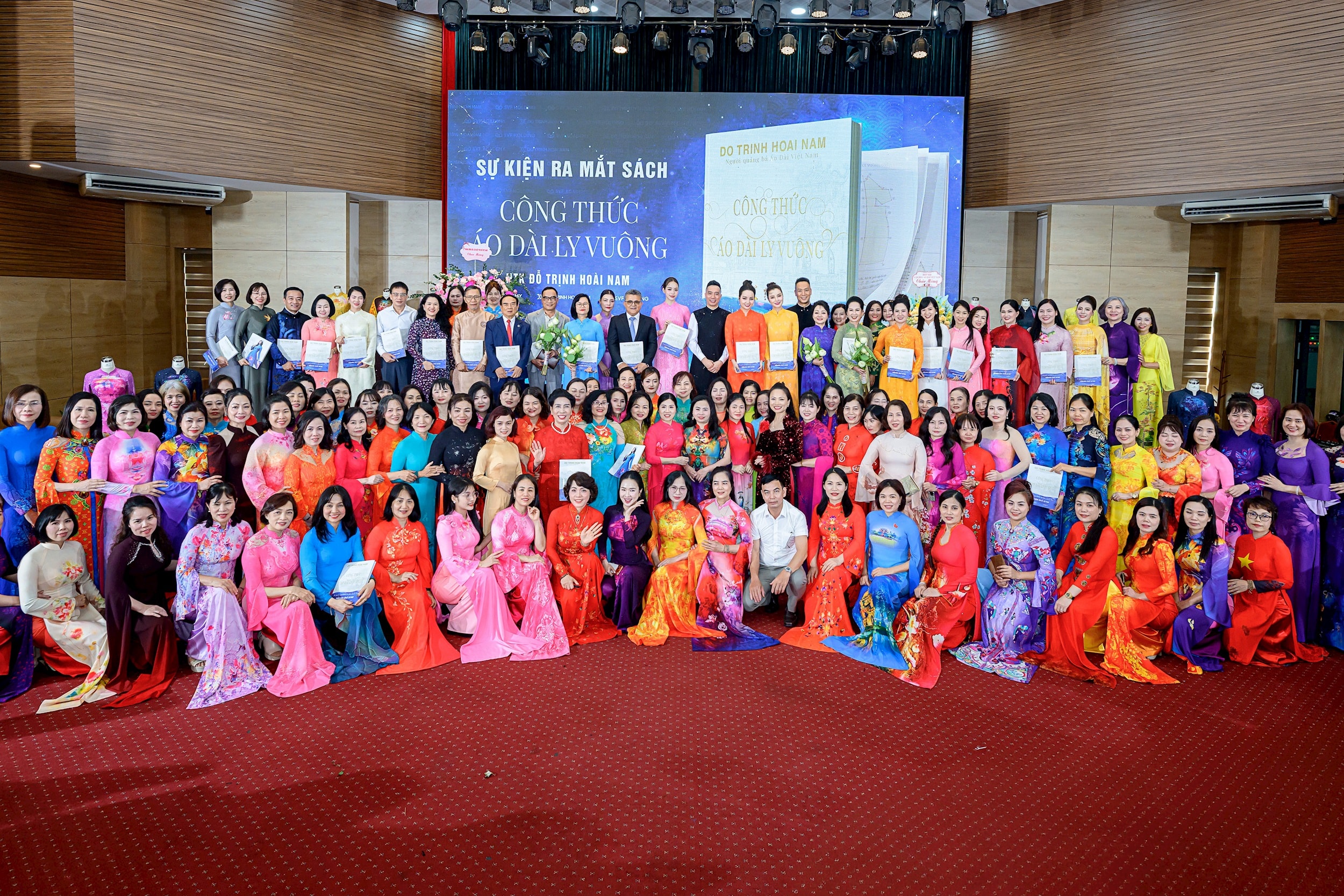
In reality, the square-pleated ao dai pattern not only helps improve skills but also creates more job opportunities for women. Based on this technical foundation, many can confidently build small brands, open ao dai tailoring shops, or enter the field of traditional fashion design.
It can be said that, from a simple tailoring formula, the square-pleated ao dai is opening up a larger story about the application and dissemination of Vietnamese cultural knowledge in modern life. When the ao dai is improved to better suit the wearer, taught more widely to the community, and recognized as a cultural value that can be studied, researched, and used in entrepreneurship, the ao dai is not only worn more beautifully but also understood more deeply.
And perhaps the most valuable aspect lies in the fact that each person learning to sew the ao dai today is not just learning a craft, but is also continuing a part of the soul and essence of the nation's culture. When professional knowledge is shared with dedication, the Vietnamese ao dai will have a greater chance of sustainably being present in contemporary life, continuing to accompany the beauty of Vietnamese women through many generations.
Source: https://hanoimoi.vn/ung-dung-va-lan-toa-tri-thuc-ao-dai-viet-nam-749590.html

























































































Comment (0)