

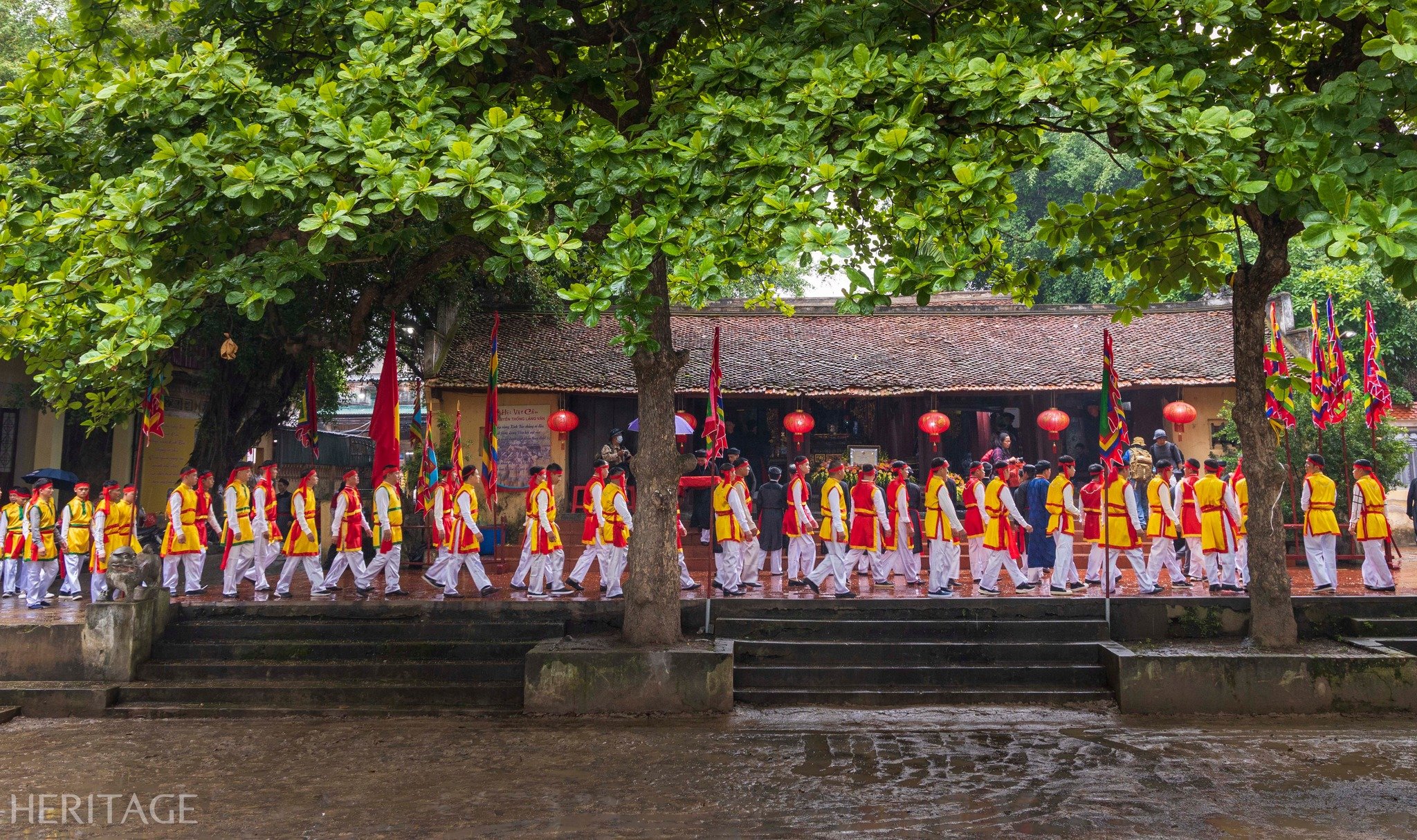
 Legend has it that, long ago, the brothers Truong Hong and Truong Hat (the holy figures of Tam Giang) followed Trieu Quang Phuc in fighting the enemy. After defeating the Liang army and returning to Da Trach swamp, they were harassed by black demons in the swamp. During the battle, the demons set conditions: if victorious, they would receive a great reward; if defeated, they would submit to serving the Holy One.
 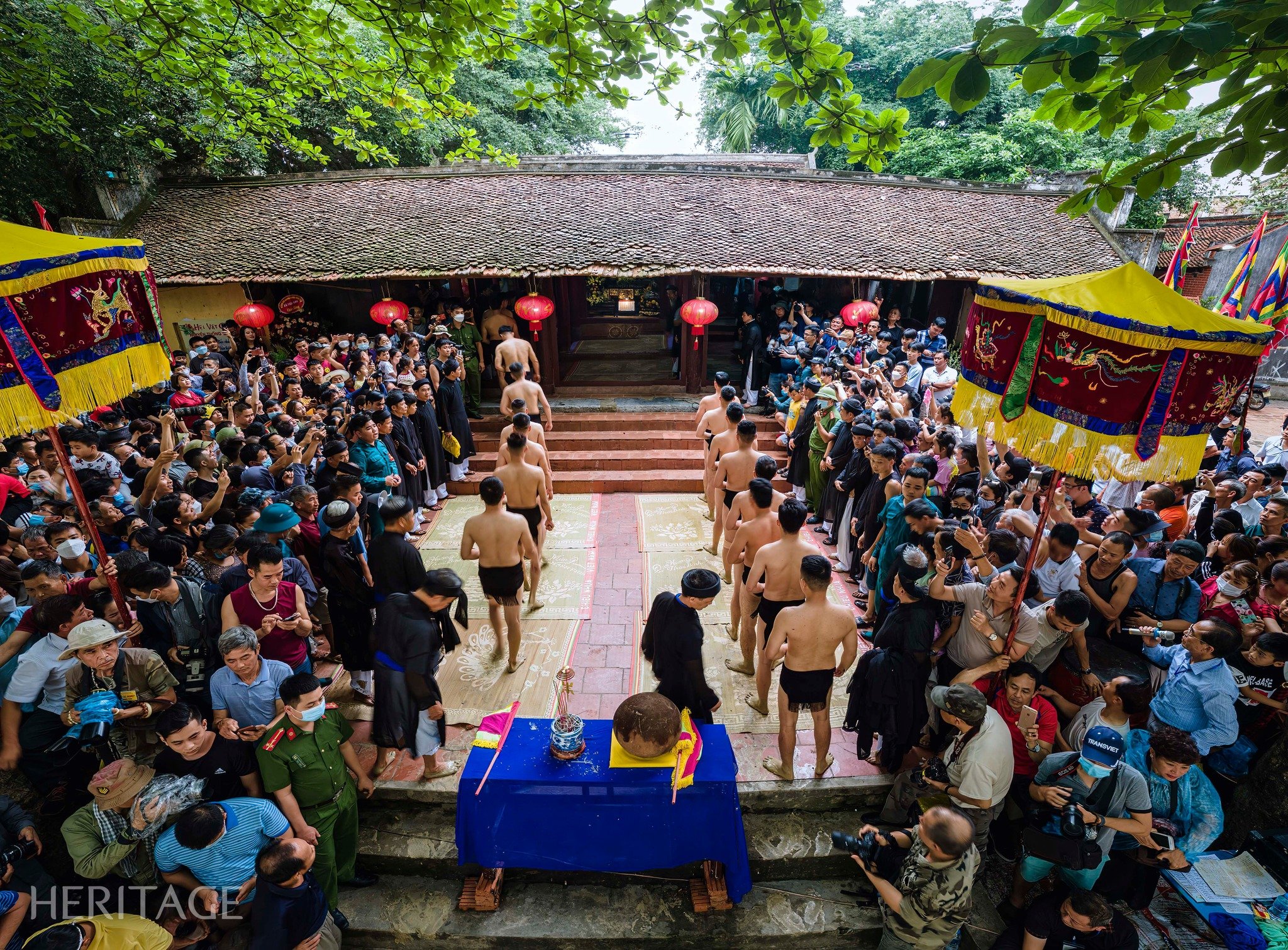 Finally, the black demons were defeated and had to submit to the holy deity Tam Giang. Therefore, the villagers of Van hold a wrestling festival on the anniversary of the deity's passing, as a celebration of victory. Locals call it the Khanh Ha festival.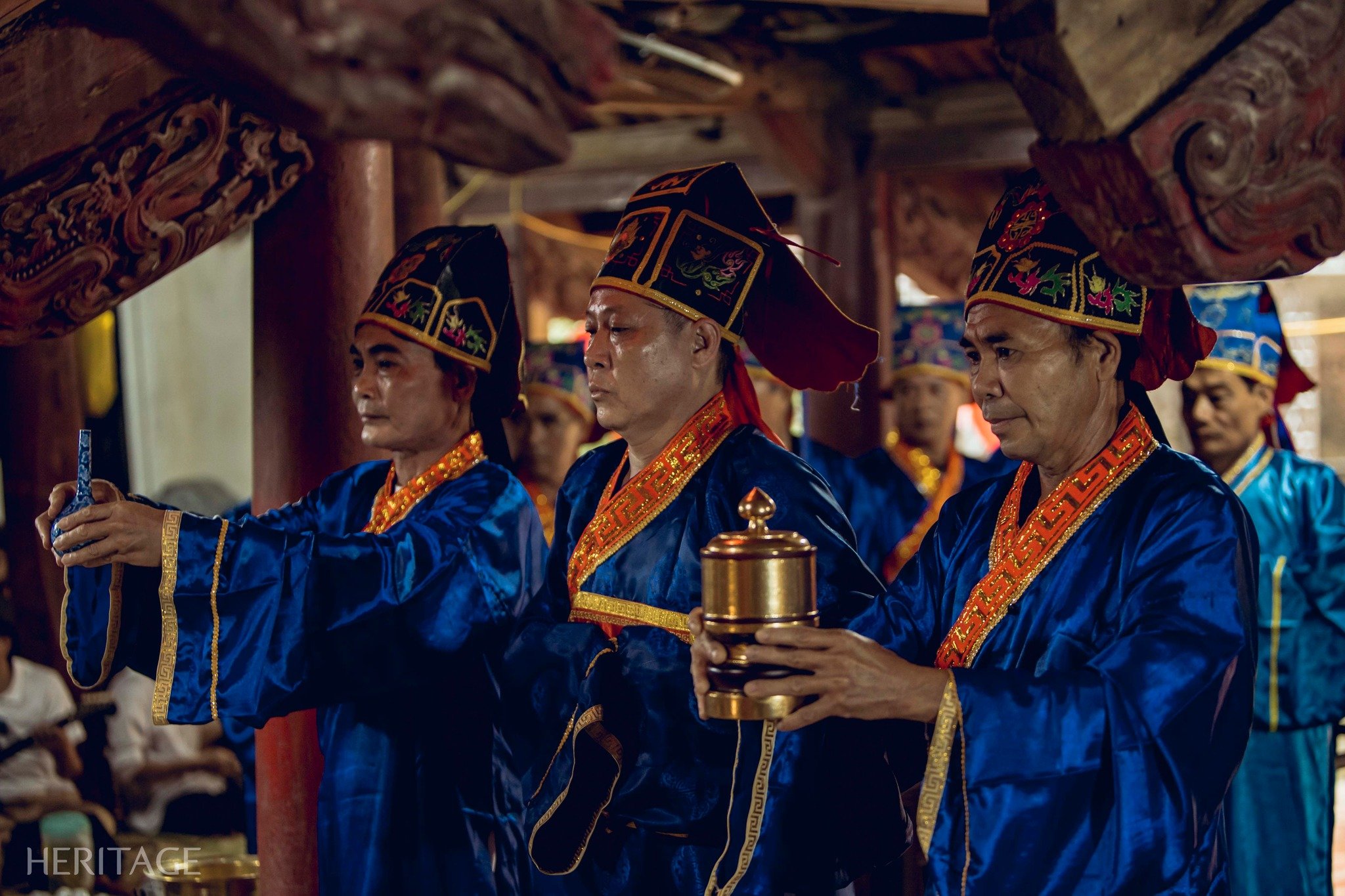
Besides its spiritual significance, honoring the victory of Saint Tam Giang over the black demons, the Van mud wrestling festival is also associated with the worship of the sun god, a sacred symbol of rice-farming civilization. There is a folk saying:
Khanh Ha village, Van village, wrestling festival
There's nowhere like it in the entire Kinh Bac region.
The soldiers and officers made every effort to win.
The muddy playground was painted in a single color.
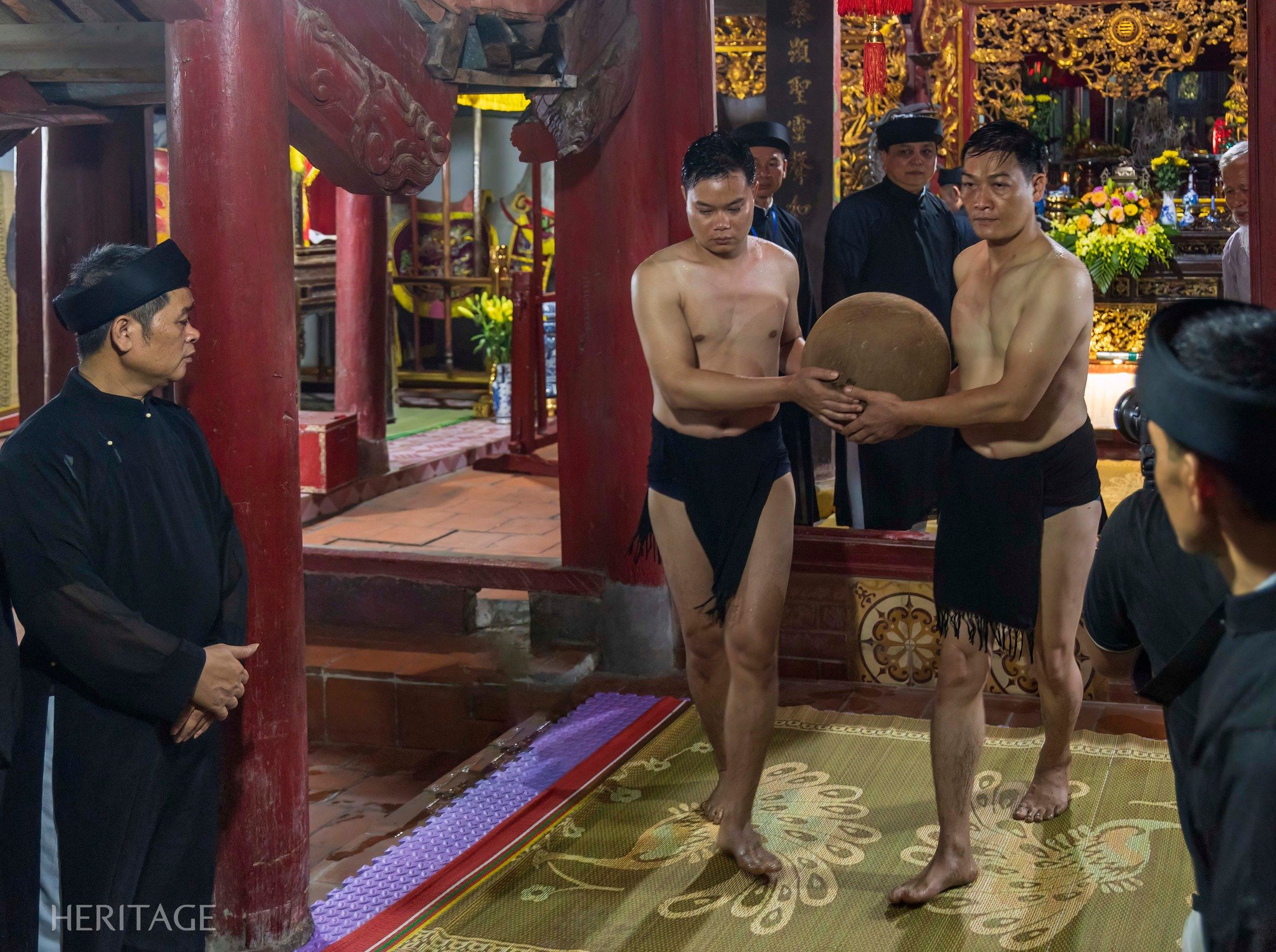
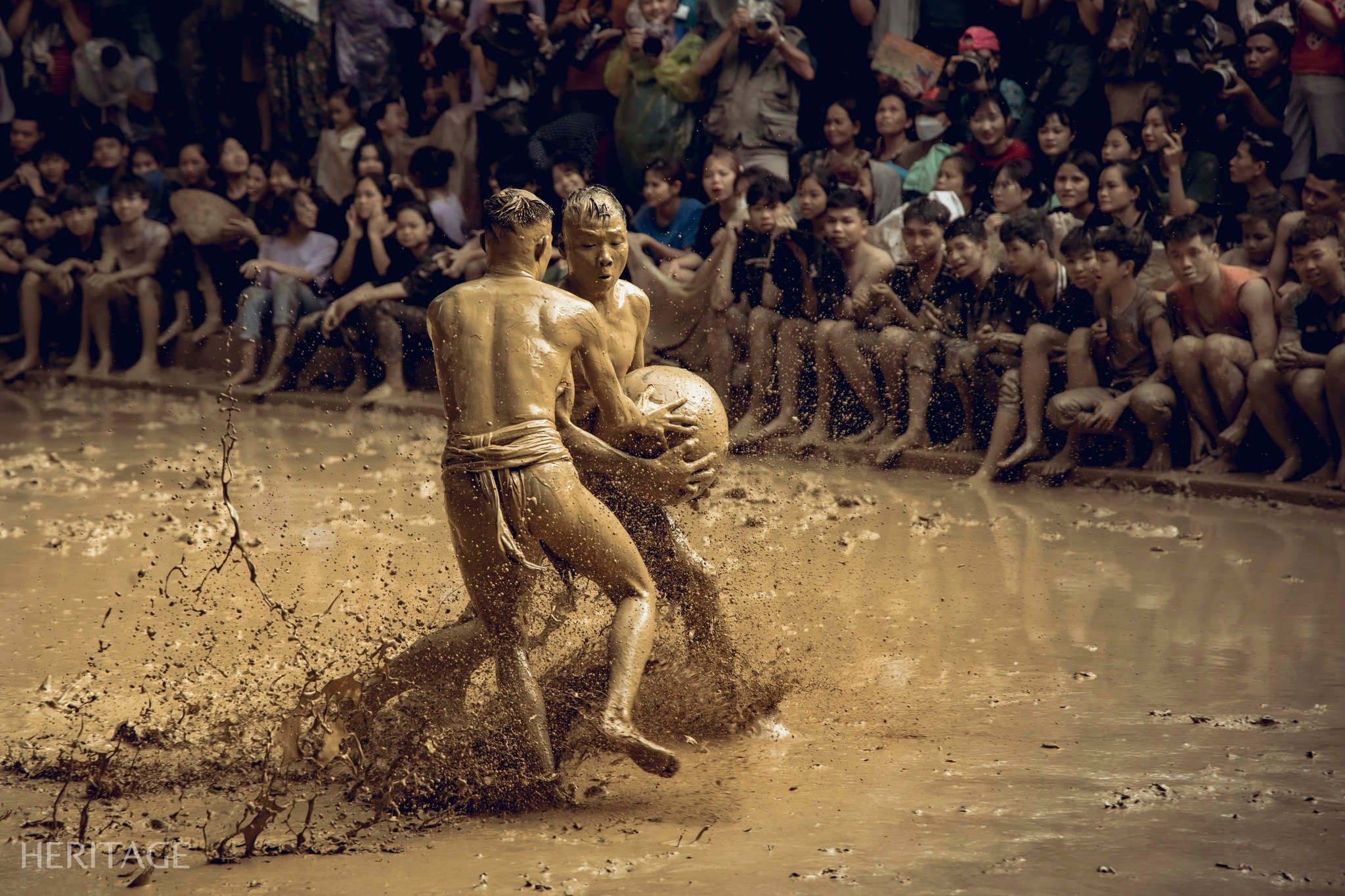
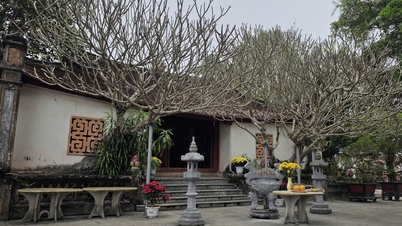
The festival is held in a spacious temple courtyard, over 200 square meters, filled with mud. The water poured into the courtyard is from the Cau River, contained in earthenware jars from Tho Ha village – the kind used for storing wine – carried up from the river by beautiful girls in traditional clothing. At each end of the courtyard are two holes, nearly 1 meter deep and more than half a meter wide. The team that manages to push the ball into the opponent's hole wins.
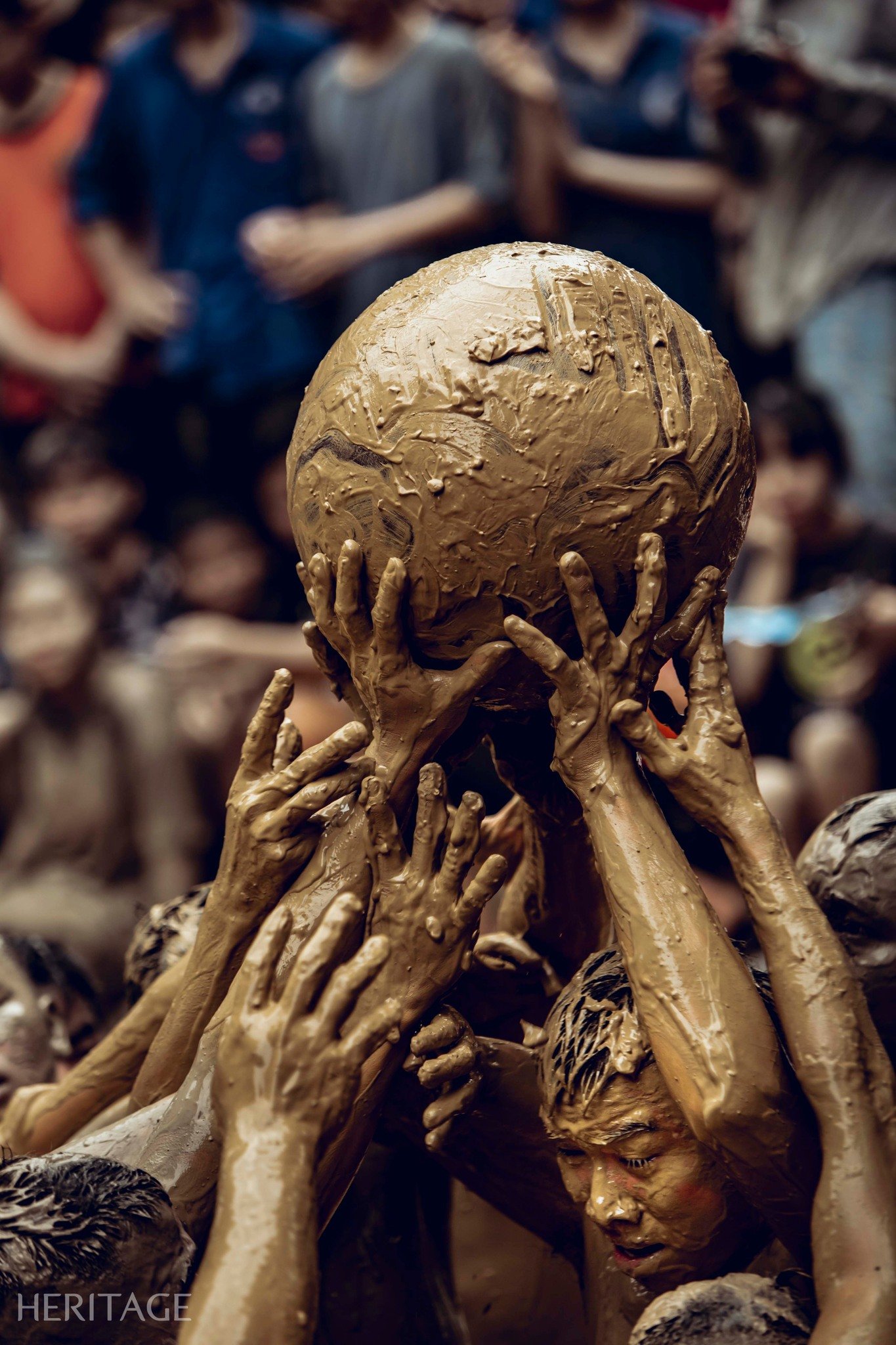
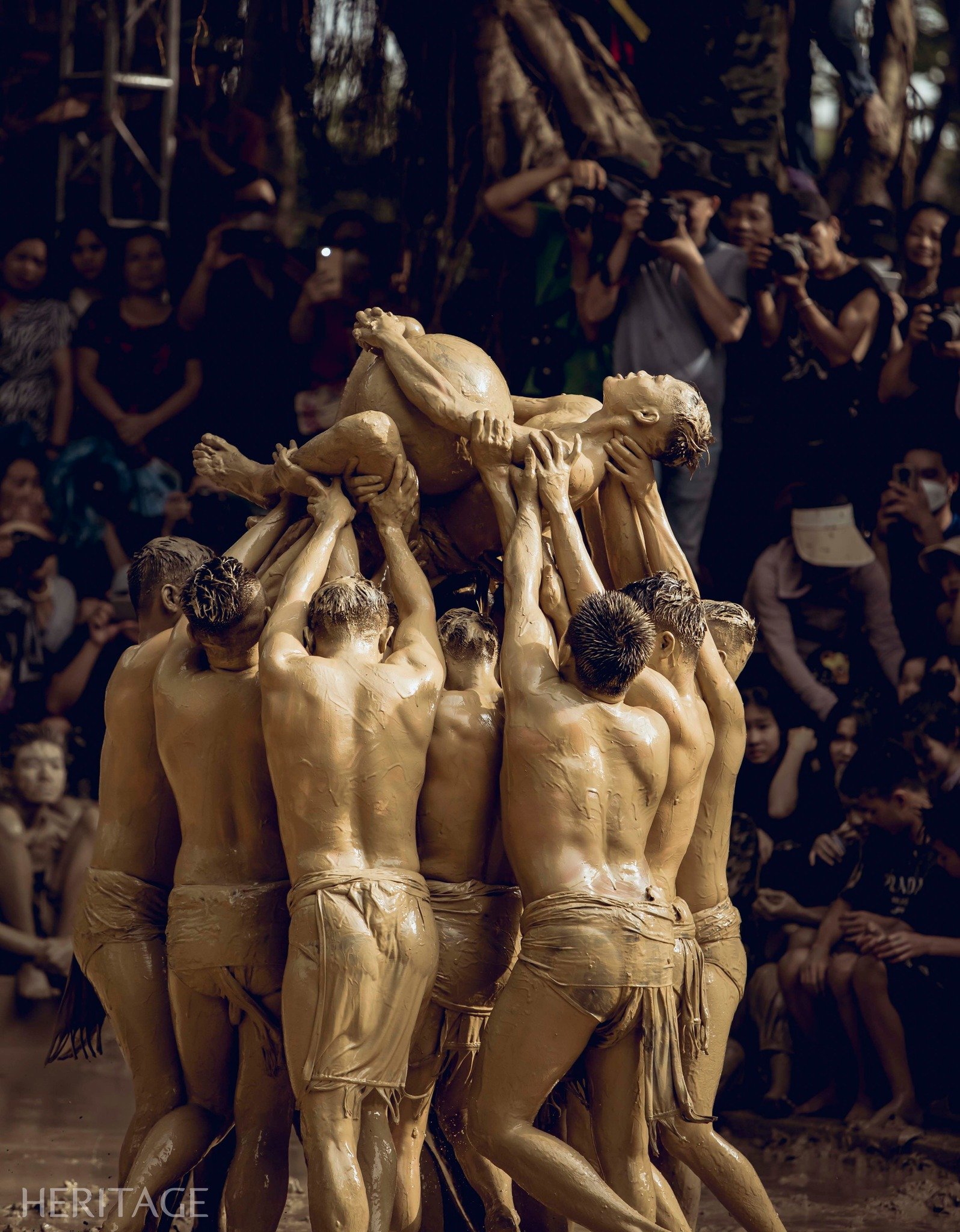 The wooden sphere, made of ironwood, has a diameter of 35cm and weighs approximately 20kg. It has been passed down through generations in the village temple. The sphere symbolizes the masculine principle – the sun – while the hole in the sphere symbolizes the feminine principle.
 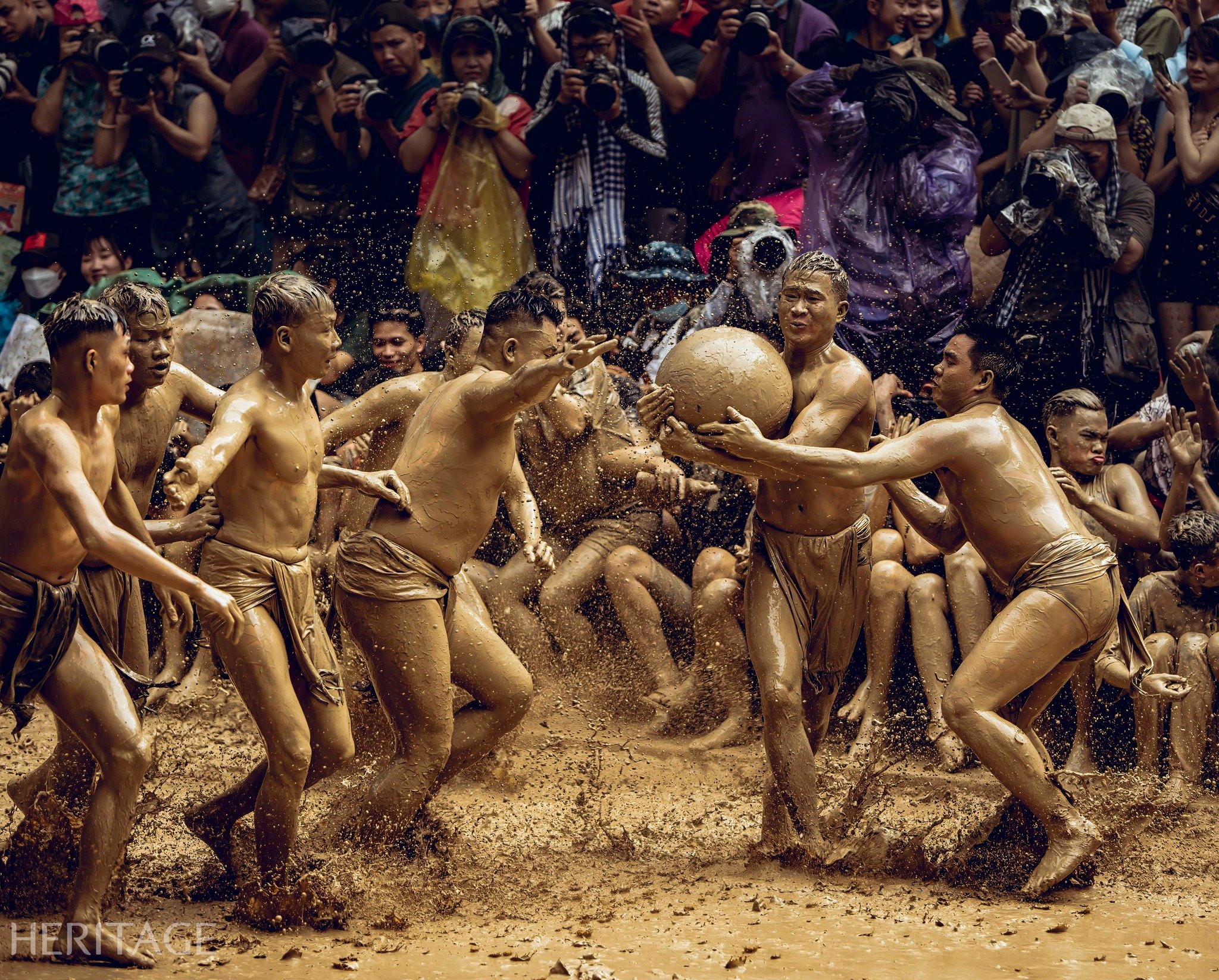 According to spiritual beliefs, each time the bridge is pushed down into the pit, it symbolizes the harmony of heaven and earth, favorable weather conditions, and a bountiful harvest.
 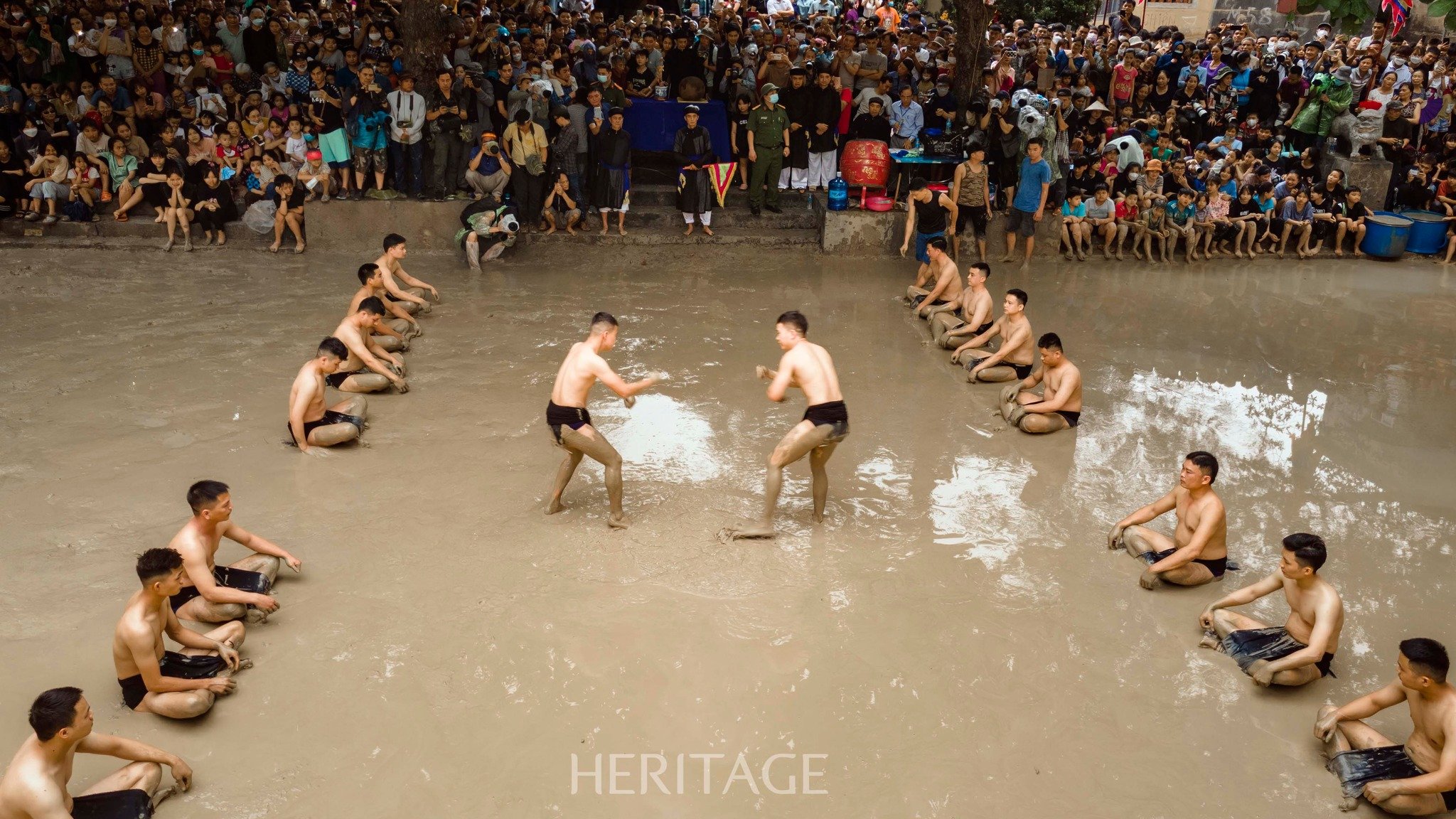 The wrestling team consists of 16 strong, healthy young men carefully selected from 5 villages, divided into 2 teams: the Upper team and the Lower team (8 people in each team).
  According to village regulations, the wrestlers must observe a vegetarian diet, abstain from garlic, and refrain from sexual relations for three days before the wrestling festival begins. The young men are thoroughly trained, from the rituals to the competition.
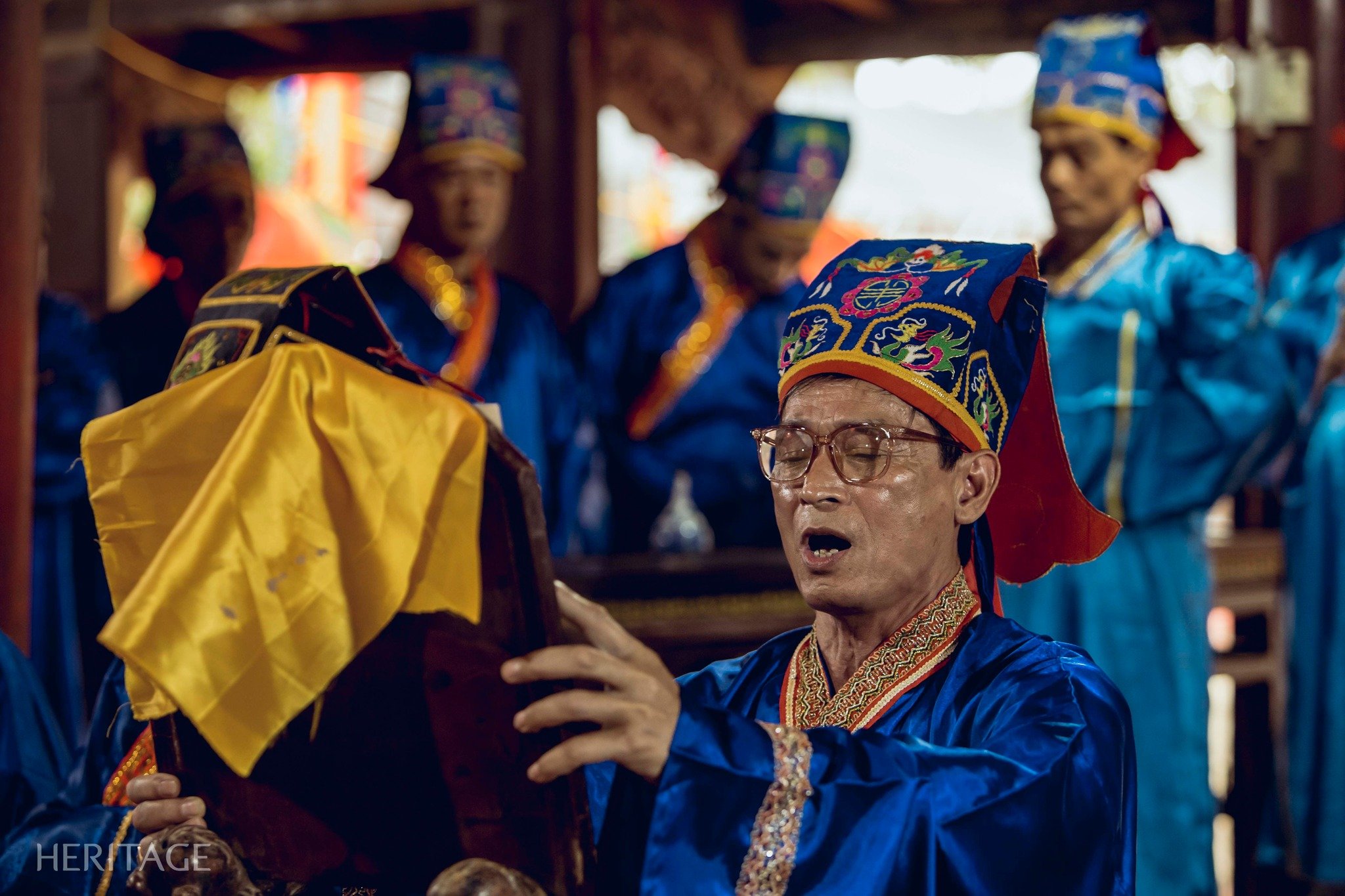
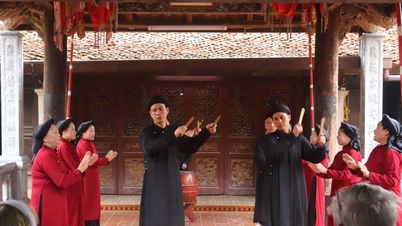
  Before the match, the elders perform a ritual of offering incense in the temple, and there is a lion dance before the game begins.
 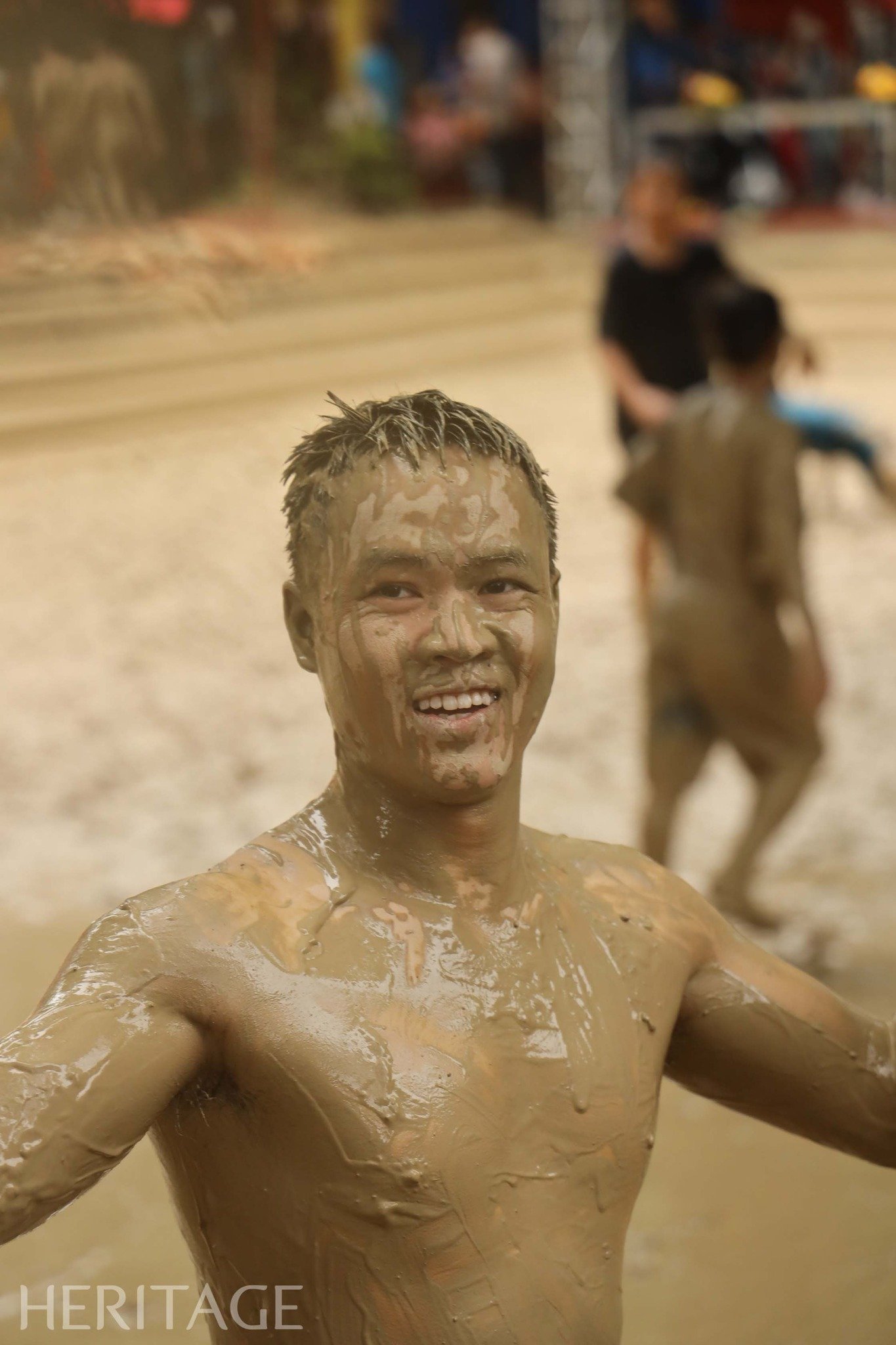 The soldiers, bare-chested and wearing loincloths, performed a ritual offering to the holy deity Tam Giang. They lined up facing the temple to pay their respects, then went up to the temple grounds to drink ceremonial wine.
  Then, they sat cross-legged in rows, facing each other, with a feast placed in the middle, consisting of various fruits and Van village wine, the famous delicious wine of the Viet Yen region. Each person drank three bowls of wine and ate the fruit before presenting themselves to the audience.
 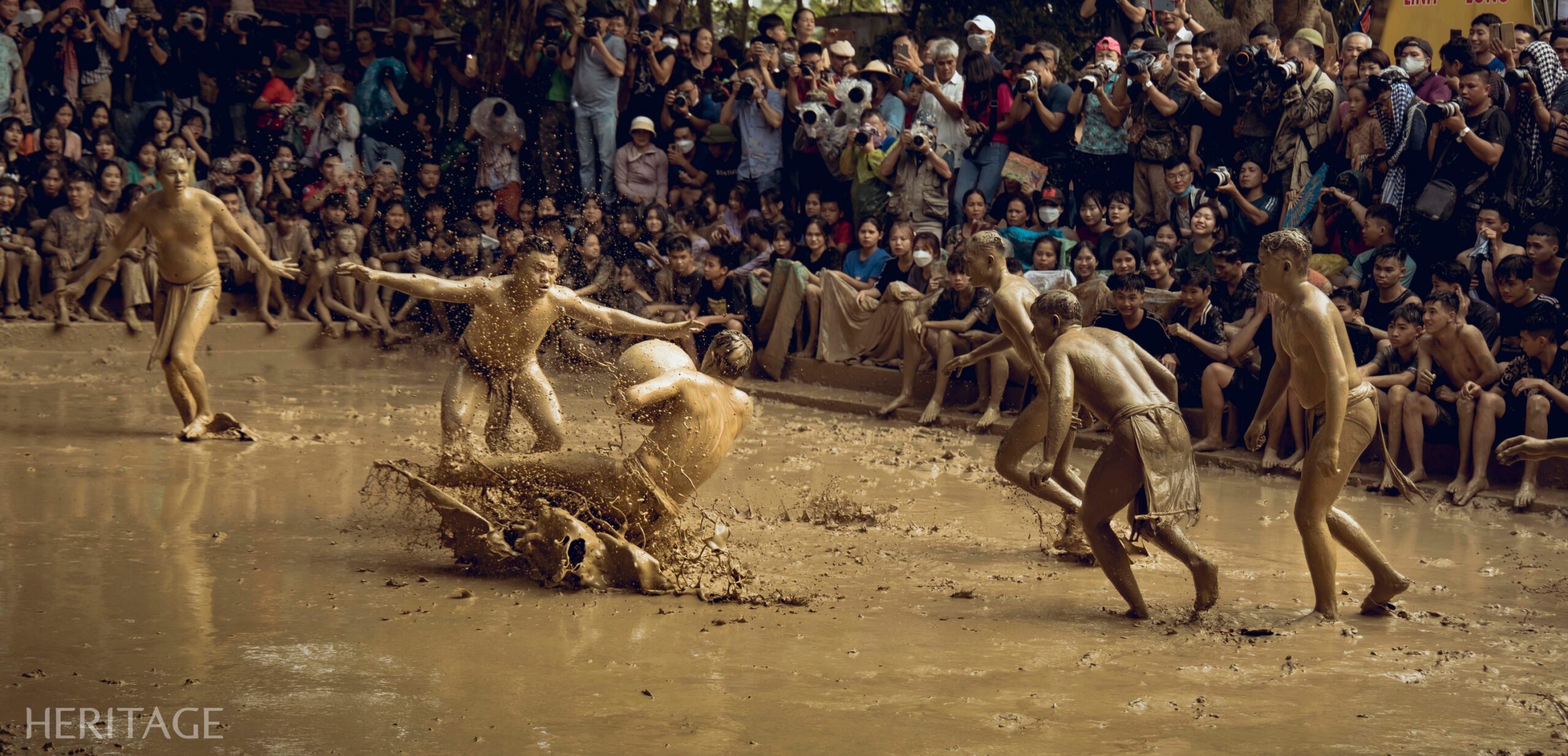 Next, the players from both sides line up in pairs, facing each other. Each team sends out a pair to wrestle against each other, and the winning team gets to serve the ball first.
  The chief officiant throws the ball onto the field for the two teams. The ball is carried from east to west, following the direction of the sunrise and sunset. As soon as the chief officiant throws the ball, the young men from both sides rush in to snatch it amidst the muddy ground, determined to win good fortune. The belief is that if they snatch the ball, they are snatching the sun, the light for crops and all living things. Therefore, the mud wrestling festival is considered a festival to pray for a bountiful harvest.
 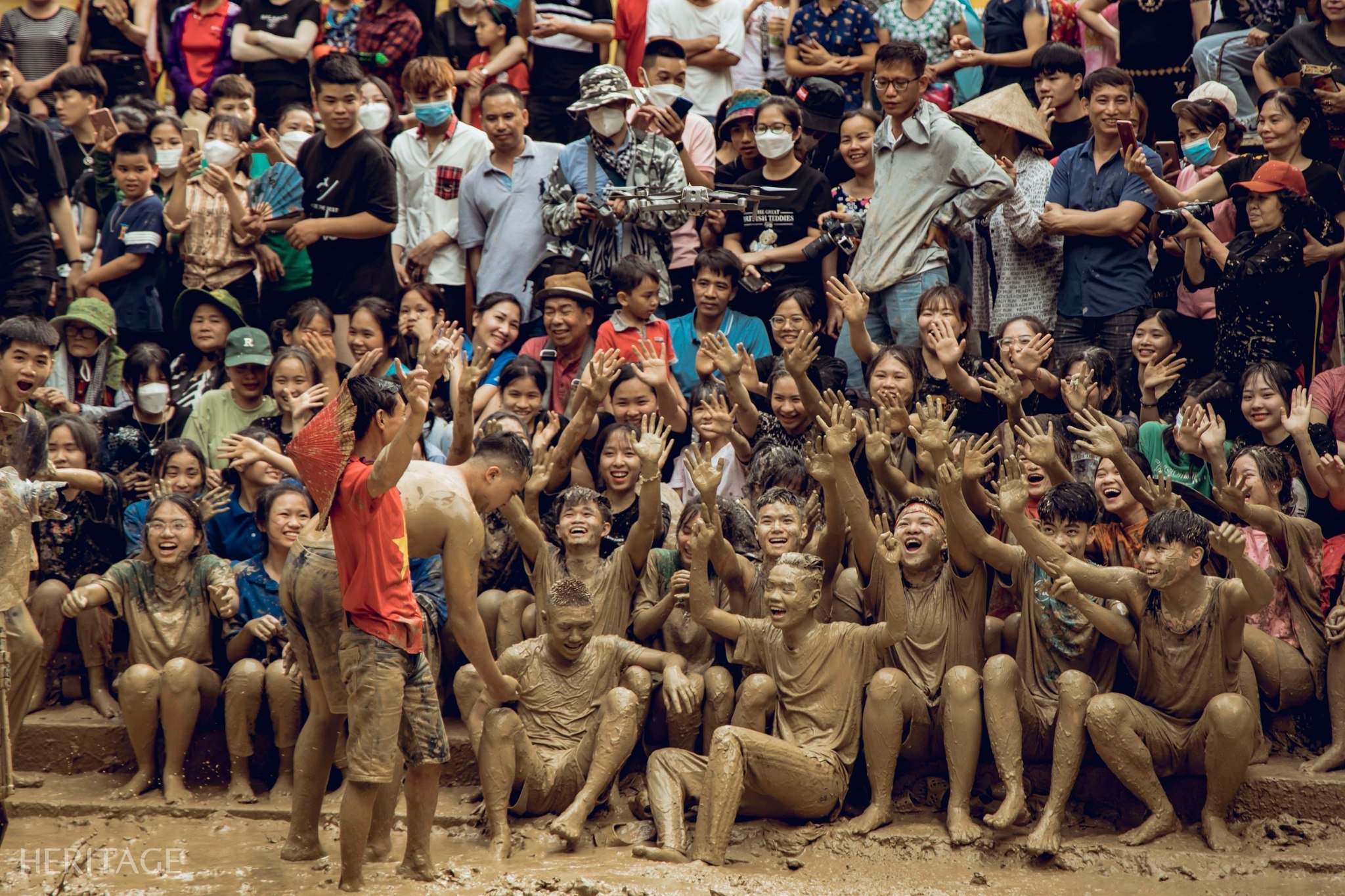 The two upper and lower clans compete fiercely for three days, with one match each day (currently, depending on the circumstances, some years have two or three matches – called two or three bridges), each match lasting two hours. The match begins with intense fighting between the two teams, with cheers echoing throughout the area. However, due to the belief in seeking good luck, no violent clashes occur, no matter how fierce the match is. Source: https://www.facebook.com/photo/?fbid=766781795562979&set=pcb.766800528894439
![[Photo] General Secretary and President To Lam presides over a working session with the Central Policy and Strategy Committee on the development of the materials industry.](https://vphoto.vietnam.vn/thumb/1200x675/vietnam/resource/IMAGE/2026/05/21/1779359935432_a3-bnd-3129-1412-jpg.webp)





















































Comment (0)