

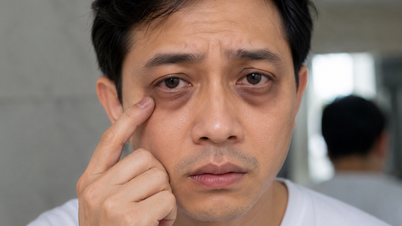
Prolonged stress is damaging to the body because it directly affects fundamental health factors such as sleep, nutrition, and physical activity, according to Fierce Healthcare.
Specifically, studies have shown that people experiencing high levels of stress often have difficulty sleeping, eat less healthily, and tend to be less physically active.

Constant stress often leads to many health problems such as indigestion, headaches, body aches, etc.
Furthermore, some substances produced by the body in response to stress can continue to accumulate day after day if this occurs too frequently. These substances can interfere with other important bodily functions, including weakening the immune system and negatively impacting the digestive, excretory, and reproductive systems.
Constant stress often leads to numerous health problems such as indigestion, headaches, body aches, depression, and irritability. If left unchecked, it can develop into many other dangerous diseases, including heart disease, high blood pressure, diabetes, certain types of cancer, lung disease, cirrhosis, and more.
In addition, the risk of premature death for someone who experiences high levels of stress over a long period can increase by up to 43% compared to the average person.
To mitigate long-term harm, people should develop strategies to cope with stress early on. This will also have positive effects on our physical and mental health, such as improved immunity, better sleep, weight management, and reduced healthcare costs.
Proven stress coping strategies include meditation, yoga, walking, jogging, deep breathing exercises, or painting. You should also schedule time for adequate rest, pay more attention to your overall health, and the quality of your sleep will benefit in the long run.
Source link
![[Photo] First session of the 14th Congress of the Vietnam Trade Union](https://vphoto.vietnam.vn/thumb/1200x675/vietnam/resource/IMAGE/2026/06/03/1780465947883_ndo_br_img-3852-jpg.webp)

![[Photo] Secretary of the National Assembly Party Committee, Chairman of the National Assembly presides over the meeting of the Standing Committee and Executive Committee of the National Assembly Party Committee.](https://vphoto.vietnam.vn/thumb/1200x675/vietnam/resource/IMAGE/2026/06/03/1780480353201_ndo_br_bnd-2585-jpg.webp)
![[Photo] General Secretary and President To Lam presides over a meeting with the Central Organizing Committee.](https://vphoto.vietnam.vn/thumb/1200x675/vietnam/resource/IMAGE/2026/06/03/1780482764658_a1-bnd-4741-3342-jpg.webp)















































![[Video] Sunset at Lap An Lagoon – Where the sun sets over the fishing nets](https://vphoto.vietnam.vn/thumb/1200x675/vietnam/resource/IMAGE/2026/05/31/1780192137701_beach-landscape-sea-water-nature-grass-745871-pxhere-com.jpeg)































Comment (0)