

Concentrated commodity production
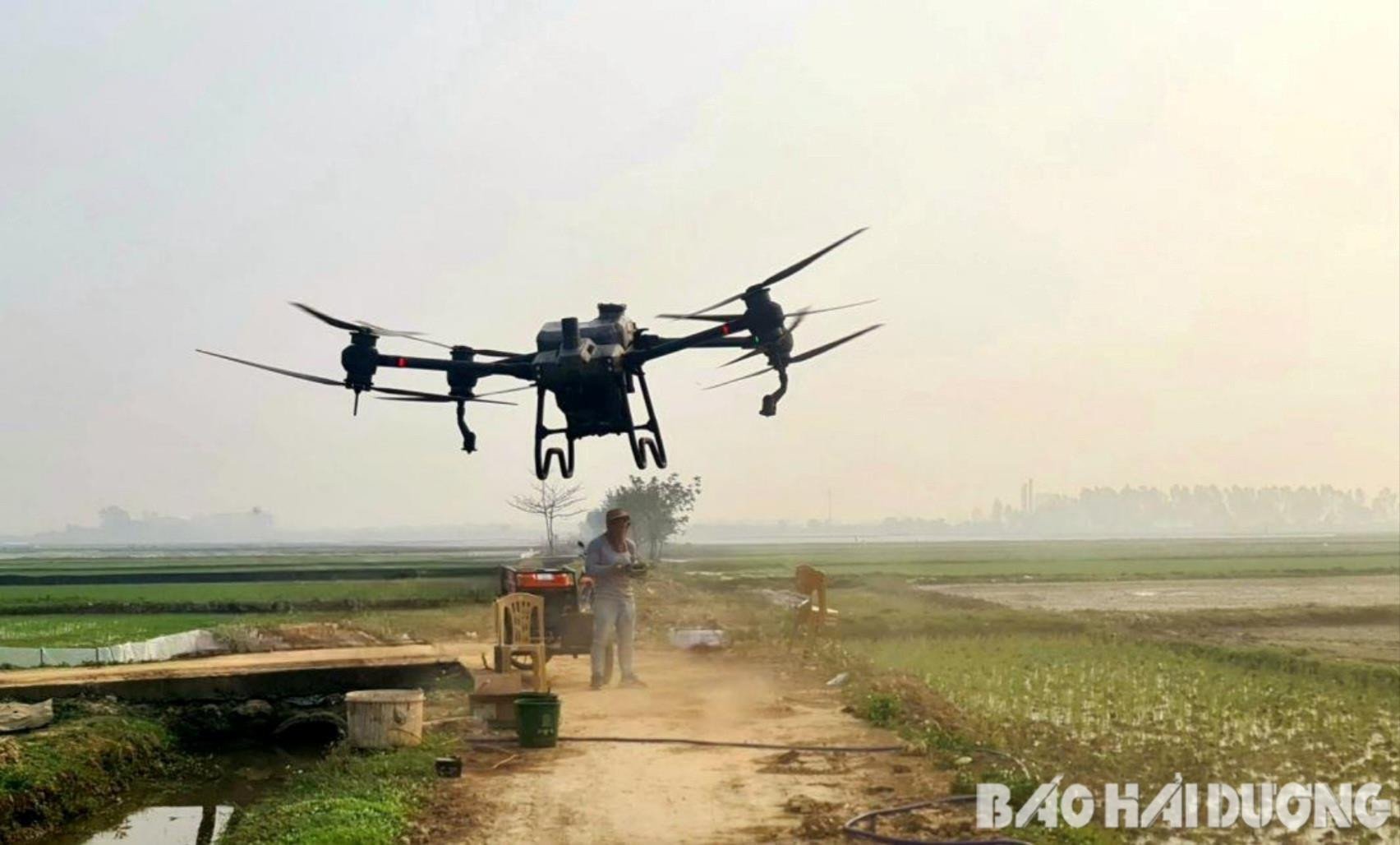
Mr. Nguyen Van Thang, from Vu Xa village, Ngo Quyen commune (Thanh Mien district), is one of the many "large landowners" in the district. Previously, many households in the commune abandoned their rice fields. Seeing the once fertile fields now barren, Mr. Thang felt deeply saddened. He gathered land, leased it from many households, and renovated the fields to create large rice paddies. Currently, he owns 20 hectares of rice paddies in Pham Kha and Ngo Quyen communes, specializing in the production of fragrant glutinous rice.
Mr. Thang shared: “Large-scale production overcomes many disadvantages compared to traditional agricultural production. Since consolidating land for large-scale production, my family has reduced input costs due to the application of mechanization in seedling cultivation, land preparation, fertilization, pesticide spraying, and harvesting. Compared to traditional rice farming, the economic efficiency has increased by 10-15%.”
Thanh Mien is a leading locality in Hai Duong province in land consolidation and large-scale production. Currently, the entire district has 114 households, individuals, and businesses that have consolidated land with an area of over 857 hectares, an increase of more than 66 hectares compared to the 2022-2023 winter-spring crop. The district has 57 concentrated rice production areas with an area of 5 hectares or more per area. Due to the large scale, in addition to applying comprehensive mechanization to production, farmers in these areas also focus on improving product quality and minimizing the use of pesticides and chemical fertilizers. The economic efficiency of the model applying comprehensive mechanization is about 20% higher than mass production.
Also having an advantage in developing high-quality rice, Binh Giang district has zoned concentrated production areas, forming large model fields in many localities within the district. The locality has established two large-scale, inter-communal concentrated rice production areas: the first is the production area for Bac Thom No. 7 rice, which is planted in almost all communes and accounts for over 65% of the total rice area each season. This is the district's main rice variety, with delicious rice quality and stable market demand. The second is the production area for glutinous rice varieties such as 415 and Hung Yen glutinous rice, which have high yields and stable selling prices.
According to Mr. Vu Van Luyen, Deputy Head of the Agriculture and Rural Development Department of Binh Giang District, the two commercial rice growing areas, 415 and Bac Thom No. 7, will convert their land areas to suit market demand, making it easier to sell and maximizing profits for farmers. When Bac Thom rice fetches a good price, the area planted with Bac Thom will be expanded in the next season, and vice versa. Bac Thom No. 7 white rice is for domestic consumption, while glutinous rice is for processing and small-scale export to China. Fresh paddy is purchased, milled, and processed locally by cooperatives and traders, then transported for consumption elsewhere, making the process very convenient.
Growing organic rice
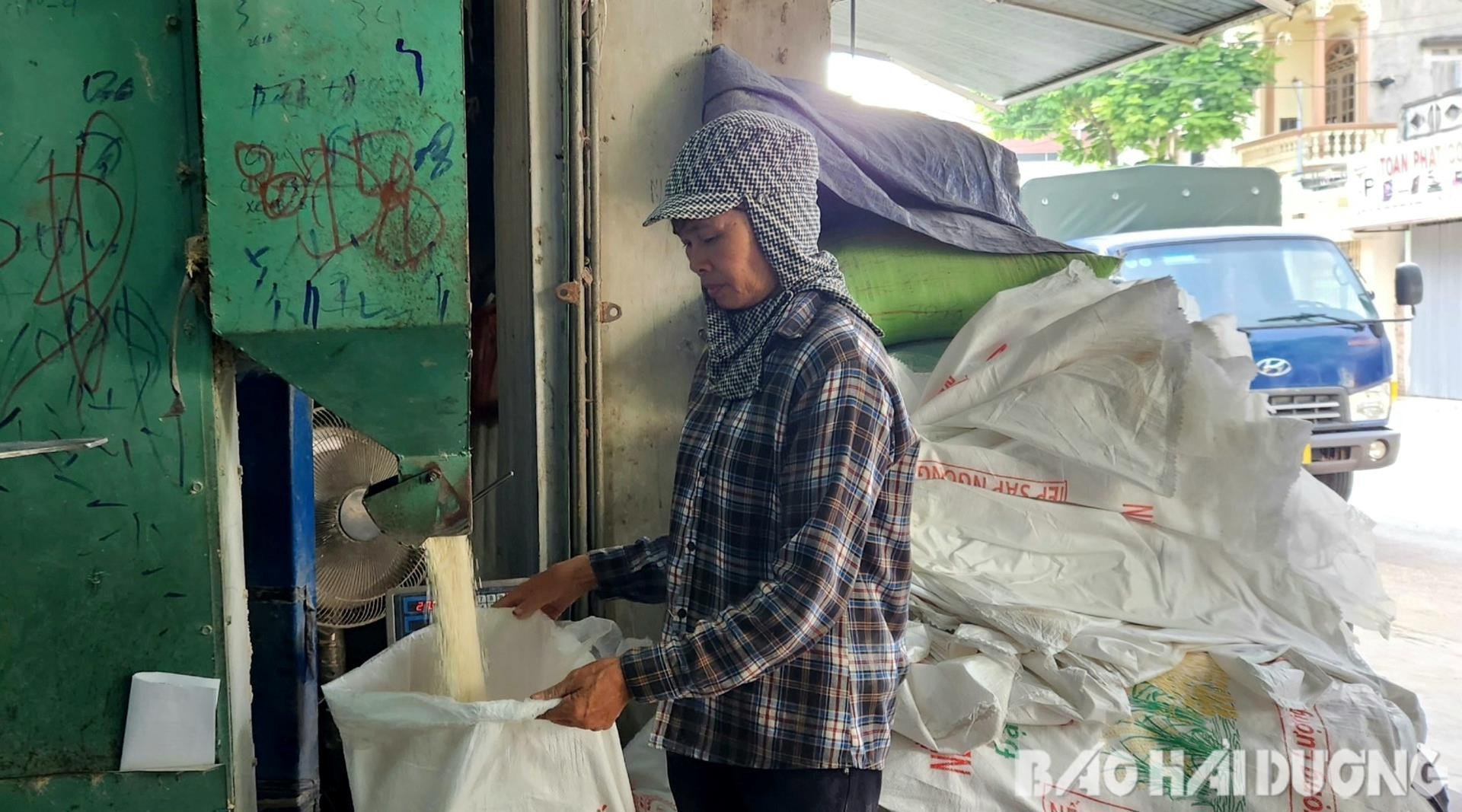
Thai Duong commune (Binh Giang district) is one of the leading localities in producing high-quality rice. The entire commune has about 400 hectares of rice fields, mainly sticky rice variety 415. Because of their commitment to rice cultivation, farmers not only focus on yield but also on growing clean rice.
Mr. Nguyen Van Sang, Director of the Thai Duong Agricultural Service Cooperative, said that previously, some localities had collaborated with businesses to conduct trial production of organic rice. In subsequent seasons, farmers have shown interest in producing clean rice. Instead of using pesticides indiscriminately as before, farmers only spray when notified by the cooperative. The pesticides and fertilizers used are all biological or microbial fertilizers. The area planted using tray seedling machines has expanded exponentially each season, also helping farmers reduce the number of times they spray pesticides. Farmers' awareness has changed, so the fields are no longer under the same pressure of pollution as before.
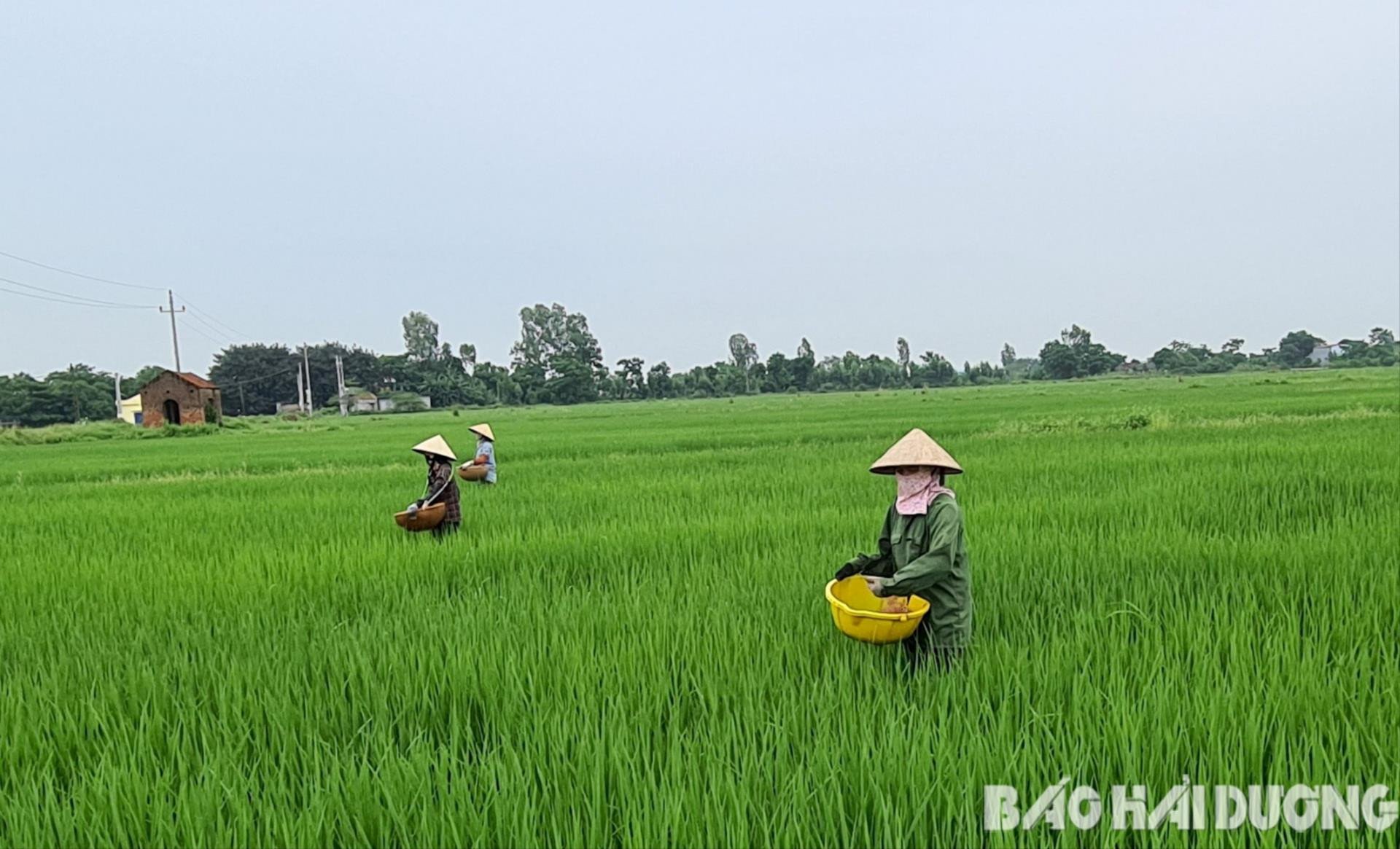
Establishing concentrated organic farming zones that meet export standards is one of the goals that Binh Giang district is aiming for. Currently, the district has developed 15 organic rice production models in 8 communes.
These models not only ensure high productivity but also superior rice quality. The selling price of paddy is always 300-500 VND/kg higher. In addition, the district has implemented the IPM and ICM pest management programs (plant quarantine to promptly contain and eradicate pests using biological and biotechnological methods...) on over 1,000 hectares/season, applied the improved SRI rice intensive farming system (an ecological rice cultivation method that brings high efficiency and productivity, reducing greenhouse gas emissions) on over 2,000 hectares/season, and applied the organic rice production program by producing compost from rice straw and applying organic microbial fertilizers.
The shift from traditional farming methods to organic farming, along with the synchronized application of mechanization in production, not only enhances economic efficiency but also changes production perceptions to meet the goal of green growth in agricultural development.
Hai Duong currently has over 110,000 hectares of rice cultivation, of which about 73% is high-quality rice. The average annual production reaches approximately 700,000 tons, mainly for consumption within the province (about 500,000 tons), with the remainder supplying national reserves, consumption in neighboring provinces and cities, and export. In particular, Thanh Mien and Binh Giang districts have many advantages for developing large-scale high-quality rice growing areas aimed at export.
Source: https://baohaiduong.vn/vung-lua-chat-luong-cao-voi-quy-mo-lon-cua-hai-duong-o-dau-388677.html


![[Photo] Prime Minister Pham Minh Chinh presides over the conference announcing the establishment of the International Finance Centre in Vietnam.](/_next/image?url=https%3A%2F%2Fvphoto.vietnam.vn%2Fthumb%2F1200x675%2Fvietnam%2Fresource%2FIMAGE%2F2025%2F12%2F21%2F1766309817714_ndo_br_dsc-3400-jpg.webp&w=3840&q=75)

![[Photo] Prime Minister Pham Minh Chinh presides over a meeting on private sector economic development.](/_next/image?url=https%3A%2F%2Fvphoto.vietnam.vn%2Fthumb%2F1200x675%2Fvietnam%2Fresource%2FIMAGE%2F2025%2F12%2F20%2F1766237501876_thiet-ke-chua-co-ten-40-png.webp&w=3840&q=75)






















































Comment (0)