

According to Mr. Bui Ngoc Bao, Chairman of the Vietnam Petroleum Association, consumer concerns in recent times, especially as the widespread sale of E10 gasoline from June 1st approaches, are not unfounded. However, it is necessary to recognize that there are many different reasons leading to concerns or problems arising during the fuel transition process.
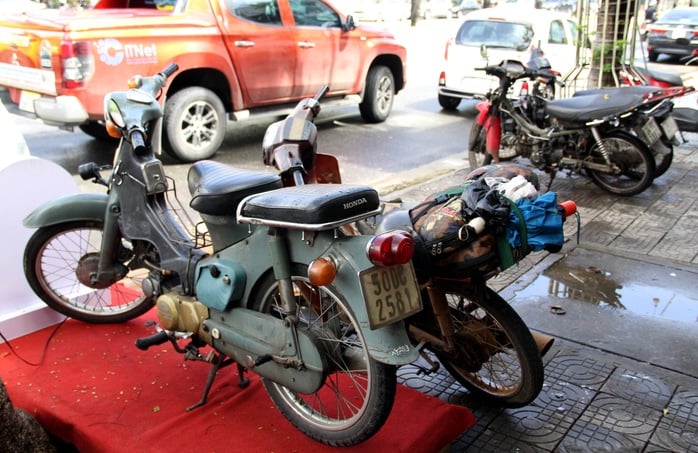
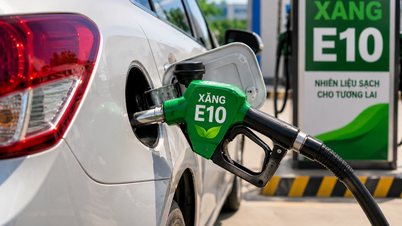
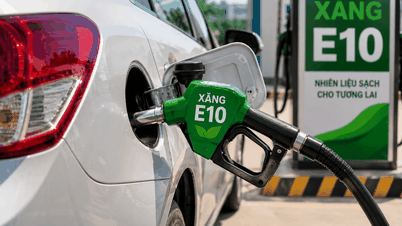
Older vehicles need to have their entire fuel lines and pumps replaced before using E10 gasoline. (Illustrative image)
Part of the problem stems from the users of the vehicles, part from the consulting work of biofuel suppliers, while some preparations for the actual transition may not have been fully completed.
According to the Vietnam Petroleum Association's monitoring of consumer feedback over the past period, most of the issues arising relate to the characteristics of E10 gasoline.
Specifically, E10 gasoline has higher cleaning and solvent properties than regular mineral gasoline. Therefore, when used, the fuel tends to dissolve and carry away dirt and impurities that have accumulated over time in the fuel storage and supply system.
This problem occurs not only in the tanks and pumps of gasoline businesses but also in the fuel systems of cars and motorcycles.
The dirt and debris carried along can clog fuel filters, affecting the fuel pump or injector system, especially in older vehicles that have not received regular maintenance and cleaning as recommended by the manufacturer.
Therefore, the Vietnam Petroleum Association recommends that people, especially those with older vehicles or those manufactured before 2000 using carburetors, should perform basic maintenance before switching fuel. This may include cleaning the fuel supply system, replacing the fuel filter, and adjusting the carburetor for smoother vehicle operation.
For older vehicles, the Association also recommends continuing to use E5 RON 92 gasoline to ensure proper vehicle operation and minimize the occurrence of problems.
According to Petrolimex 's biofuel user manual, for vehicles manufactured before 2000 or motorcycles using older carburetors, the ethanol component in biofuel can cause rubber and plastic parts, such as hoses and seals, to age over time.
Therefore, based on global compatibility studies, vehicles requiring a complete replacement of their fuel lines and pumps before using E10 gasoline include: Motorcycles with carburetors (gasoline engines) manufactured before 2000; older cars manufactured before 1900, especially older British, American, or European cars with stainless steel fuel tanks or using SU/Weber carburetors; and vehicles with fuel lines made of natural rubber, cheap PVC plastic, or with unanodized cast copper, zinc, or aluminum components in the fuel lines.
Owners of older cars (manufactured before 2010) should check with the vehicle manufacturer and the nearest garage to ensure compatibility with E10 gasoline and obtain specific instructions.
Source: https://nld.com.vn/xe-doi-cu-truoc-nam-2000-can-luu-y-gi-khi-dung-xang-e10-196260529104011596.htm




![[Image] Nearly 125,000 Hanoi students completed the Literature exam for the 10th grade entrance exam.](https://vphoto.vietnam.vn/thumb/1200x675/vietnam/resource/IMAGE/2026/05/30/1780117233041_ndo_br_thiet-ke-chua-co-ten-2-png.webp)





























































































Comment (0)