

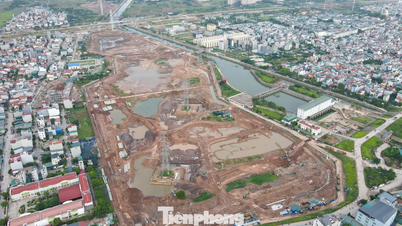
Over 11,400 surplus properties (houses and land) remain "waiting" for buyers.
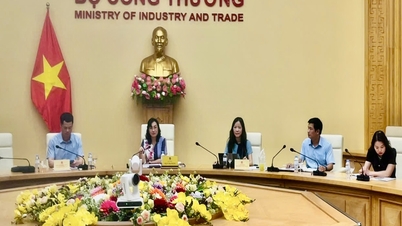
On the afternoon of June 1st, the Department of Public Assets Management - Ministry of Finance held a press conference to discuss the arrangement and handling of surplus houses and land after mergers.
Ms. Tran Dieu An, Deputy Director of the Department of Public Assets Management, said that localities have completed the initial stage of restructuring, with a total of nearly 26,450 properties having completed the first phase of processing.
However, for properties and land that have been subject to a decision to reclaim and transfer to local authorities for management and processing, step 2 needs to be continued to put the assets into operation.
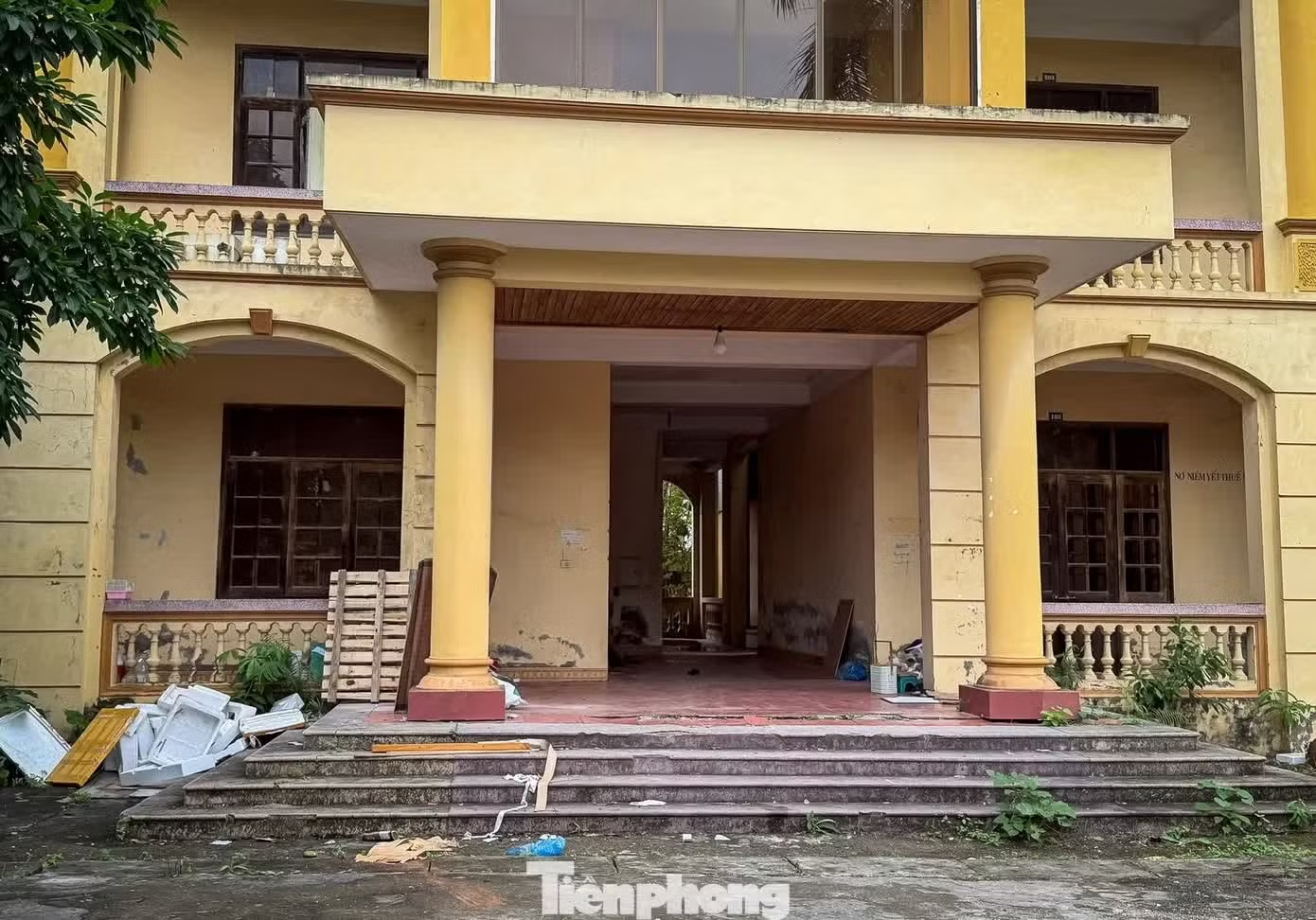
According to data compiled from localities as of May 27th, the whole country has processed or put into operation 4,709 surplus land and property facilities following restructuring.
In addition, there are more than 11,400 facilities that have been subject to decisions on revocation and transfer to local management but have not yet been processed or put into operation. Of these, 5,329 facilities have been assigned to housing businesses or land development organizations for management but have not yet been put into operation; 2,823 facilities have had their processing plans approved but not yet completed; and 3,260 facilities have no processing plan yet.
For ministries, central agencies, and departments, 3,446 properties have been processed so far. However, 702 properties remain unprocessed, with 474 still awaiting a decision on their disposal.
According to Ms. An, the current stage of processing and exploitation in step 2 still faces some difficulties and obstacles. Many agencies and units have moved to the new provincial and commune centers, while businesses and people are increasingly shifting from direct to online business models, causing supply to exceed demand.
Many surplus properties are small-scale, located in remote or disadvantaged areas, and lack commercial advantages, making them less attractive to investors and generating no demand from the non-state sector. Meanwhile, converting them into public facilities would require additional funding and personnel from local authorities for management and operation.
Shorten the pricing process.
Mr. Nguyen Tan Thinh, Director of the Department of Public Assets Management, Ministry of Finance, stated that to handle the large volume of surplus office buildings in a short period, a more specific, simpler, and flexible mechanism is needed. He cited the example that, according to current regulations, to determine the rental price of a state-owned property, the relevant agency must hire a valuation firm and then submit the rental price list to the competent authority for approval.
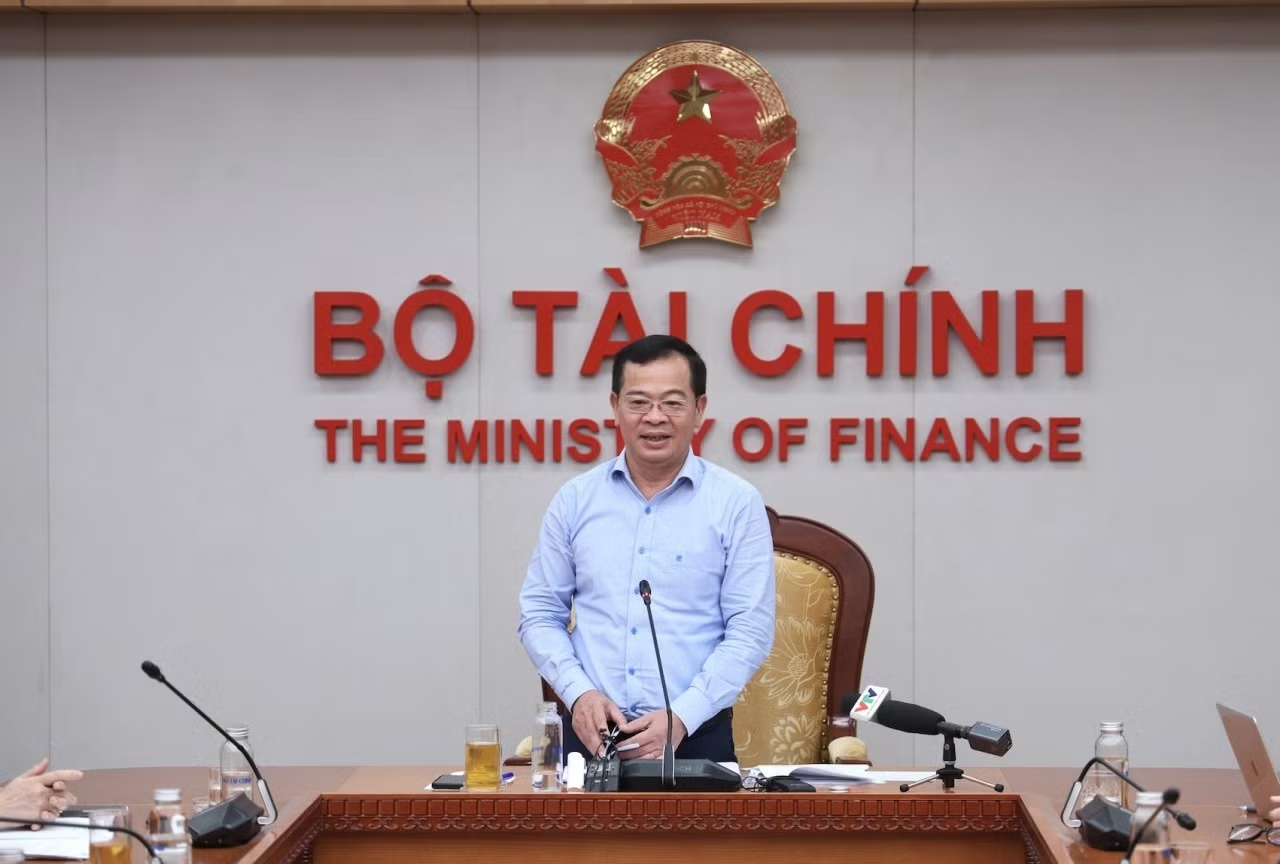
This process is time-consuming due to the need to select consulting firms, conduct appraisals, and carry out the approval steps as required. Meanwhile, many localities are simultaneously dealing with a large number of surplus properties, so applying the current procedures in full would make it difficult to meet the deadlines.
Accordingly, the Ministry of Finance has submitted a proposal to the Government regarding the issuance of a Resolution on specific mechanisms and policies to expedite the processing of these matters.
The draft resolution proposes simplifying the method of determining rental prices to make them easier to calculate, implement, inspect, and monitor. Along with changing the pricing method comes an adjustment to the authority to decide on rental prices.
Specifically, instead of requiring the provincial People's Committee to issue a price list for rentals, the draft proposes assigning the authority to the head of the provincial-level housing management unit or the Chairman of the commune-level People's Committee to decide on the rental price for each specific property. After issuance, the price must be publicly available on electronic information portals and posted at the property to ensure transparency.
For priority hiring cases, if only one candidate meets the criteria, they will be considered for selection. If multiple candidates meet the criteria, a lottery will be held to determine the hire.
For high-value or non-priority assets, the draft proposes a selection mechanism similar to auction but with significantly streamlined procedures. Accordingly, the asset management agency will directly publicize information and receive registrations instead of having to go through the full process of selecting an auction organization as is currently the case.
The highest bidder, whose price does not fall below the reserve price, will be chosen to lease or operate the property. However, to prevent collusion, abuse of policies, or forfeiture of deposits after winning the selection, the draft also stipulates strict penalties.
"Those who have registered and paid the deposit but do not proceed with the next steps or refuse to receive the results will lose their deposit. This money belongs to the State," Mr. Thinh said.
Source: https://tienphong.vn/xoa-nhieu-thu-tuc-tim-dau-ra-cho-hon-11400-nha-dat-cong-doi-du-post1848150.tpo




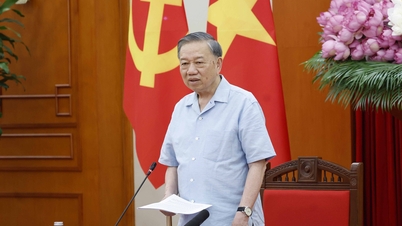
![[Photo] General Secretary and President To Lam presides over a meeting on preparations for the review of one year of operation of the three-tiered government system.](https://vphoto.vietnam.vn/thumb/1200x675/vietnam/resource/IMAGE/2026/06/02/1780391821195_a1-bnd-4595-9717-jpg.webp)



















































































Comment (0)