



The Lồng Tồng Festival usually takes place in the first lunar month of each year. It's a celebration of the successful harvest in each village, and also a welcome to a new spring full of hope. The festival is also an opportunity for descendants to report their achievements to the deities and express gratitude to the Earth God, the Village Guardian God, and the God of Agriculture for blessing them with a smooth and prosperous harvest.
Therefore, Lồng Tồng is not simply a cultural activity, but an agricultural ritual deeply rooted in the rice-farming civilization of the mountainous region.
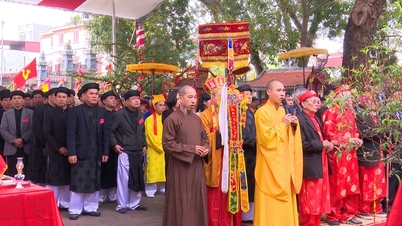
A distinctive feature of the Lồng Tồng festival is that it is held right in the large rice fields or the communal house of the village. According to folk beliefs, the ceremonial part of Lồng Tồng is the connection between humans and heaven, earth, and deities.
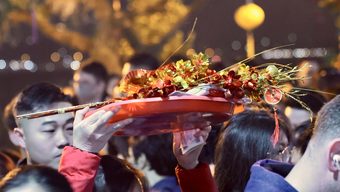
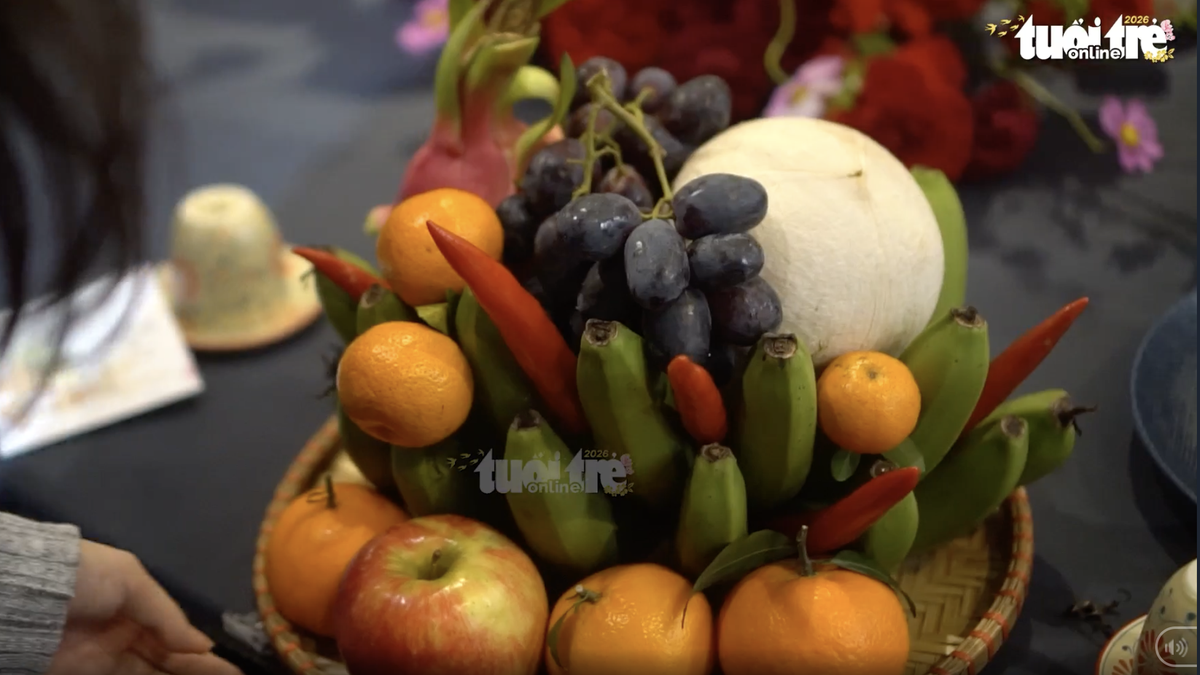
The master of ceremonies (usually a shaman or a respected person) will perform the ritual of praying for a good harvest, offering gifts including: five-colored sticky rice, boiled chicken, wine, fruits, etc. Each offering symbolizes abundance and a wish for a new year free from pests, droughts, and natural disasters.
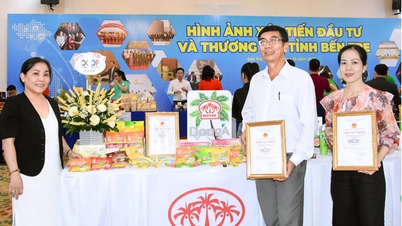
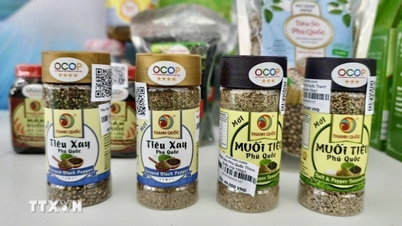
Ms. Hoang Thi Ngan, Deputy Head of the Culture and Social Affairs Department of Binh Gia Commune, said: The Long Tong Festival, held on the 9th day of the first lunar month, is one of the typical cultural features of the Tay and Nung ethnic groups in the commune. What is special is that the festival is deeply rooted in agriculture, expressing the aspiration for a prosperous year of production. Organizing and preserving the festival not only helps maintain cultural identity but also contributes to fostering a sense of connection with the fields and farming among the people. Currently, the festival is organized solemnly and economically, adhering to traditional values, while also incorporating the introduction of characteristic agricultural products and OCOP products, creating a harmonious connection between cultural values and rural economic development.

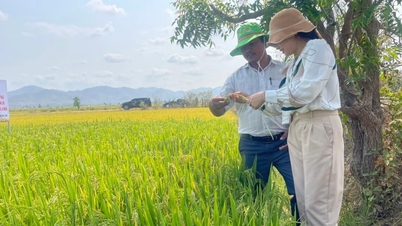
If the harvest prayer ceremony is a supplication to heaven and earth, then the ritual of plowing the first furrow is considered the "soul" of the festival. On a pre-selected field, a representative of the village makes symbolic furrows, marking the beginning of a new planting season.
Mr. Hoang Van Tran, a resident of Ngoc Quyen village, Binh Gia commune, shared: "My family has been farming for generations. Attending the Long Tong festival at the beginning of the year is a habit and a belief. Seeing the first furrow plowed makes me feel reassured and motivated to start a new season. Everyone hopes for favorable weather in the new year, with healthy crops and no pests or diseases."
Along with belief, the festival also inspires a spirit of hard work. After the ritual of going down to the fields, many people return home as if carrying a reminder: after Tet, it's time to get back to production, to tend to the fields, the farms, and the livestock. This atmosphere creates a natural, gentle yet enduring movement in the countryside; spring is not only a season of joy but also the beginning of labor.
From a broader perspective, the ritual of going down to the fields also carries profound educational significance. In modern life, when many young people leave their hometowns to work far away, the festival becomes a thread that keeps them connected to their love for the fields. Many young people, upon returning to attend the festival, gain a deeper understanding of their roots and the agricultural culture preserved by their ancestors.
Today, agriculture faces many new demands: the application of science and technology, production along the value chain, quality assurance, adaptation to climate change, etc. However, regardless of the direction of change, farming still needs a solid spiritual foundation. Lồng Tồng is such a foundation, because the festival reminds people that: the land must be cared for, water resources must be preserved, headwater forests must be protected so that the fields have water, and people must unite to overcome natural disasters and epidemics. These messages do not need slogans; they have been passed down through each festival season.
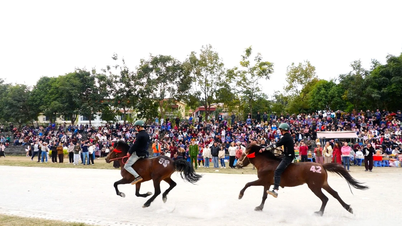
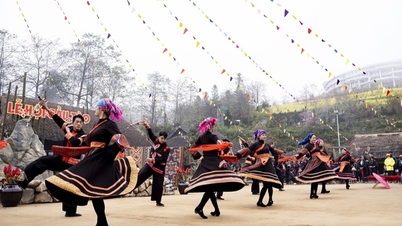
Besides the ceremonial part, the festival of Lồng Tồng is still lively with games such as: throwing the ball, tug-of-war, stick pushing, sli singing, and folk dancing…
Mr. Hoang Van Pao, Chairman of the Lang Son Provincial Cultural Heritage Association, said: "The Long Tong Festival is one of the typical intangible cultural heritages of the Tay and Nung people in the province. The value of the festival lies not only in its religious rituals but also in the depth of its agricultural civilization – where people express their philosophy of living in harmony with nature, preserving the land, protecting water resources, and valuing labor. Maintaining the festival properly, preserving the rituals of going to the fields and praying for a good harvest, is a way to preserve the 'soul' of the mountainous rural areas, while creating a spiritual foundation for people to continue to be involved in agricultural production and develop a sustainable economy."
Amidst the modern pace of life, the Lồng Tồng festival quietly maintains its unique role, preserving the spirit of agriculture within the community. It is through these simple rituals that farmers gain renewed faith to embark on a new season, continuing to cling to their land and cultivate their fields for the prosperity of their villages.
Source: https://baolangson.vn/xuong-dong-dau-xuan-5077660.html











































Comment (0)