10 Vietnamese documentary heritages honored by UNESCO
Báo Tin Tức•12/05/2024
On May 8, 2024, within the framework of the 10th Plenary Session of the UNESCO Asia- Pacific Regional Committee for the Memory of the World Programme held in Mongolia, Vietnam's dossier, "The reliefs on nine bronze cauldrons in the Hue Imperial Palace," was officially inscribed on the UNESCO Asia-Pacific Regional Documentary Heritage List. Thus, to date, Vietnam has 10 documentary heritage sites recognized by UNESCO, including 3 World Documentary Heritage sites and 7 Asia-Pacific Regional Documentary Heritage sites.
Woodblocks are wooden boards carved with reversed Han Nom characters for printing books, commonly used in Vietnam during the feudal period. The woodblocks of the Nguyen Dynasty are a special type of document in terms of form, content, and production method; they are the original copies of famous Vietnamese official texts and histories, compiled and printed primarily during the Nguyen Dynasty. These woodblocks were created mainly using the technique of carving Han Nom characters in reverse on wood to print books, a practice widely used during the feudal period and still preserved today.
The woodblock prints of the Nguyen Dynasty are preserved at the National Archives Center IV.
The Nguyen Dynasty woodblocks comprise 34,619 blocks, divided into over 100 books covering various topics such as history, geography, politics and society, military affairs, law, culture and education, religion, ideology and philosophy, language and writing, and literature. With their exceptional value in content and craftsmanship, the Nguyen Dynasty woodblocks were recognized by UNESCO as a Documentary Heritage under the Memory of the World Programme on July 31, 2009, becoming Vietnam's first World Documentary Heritage.
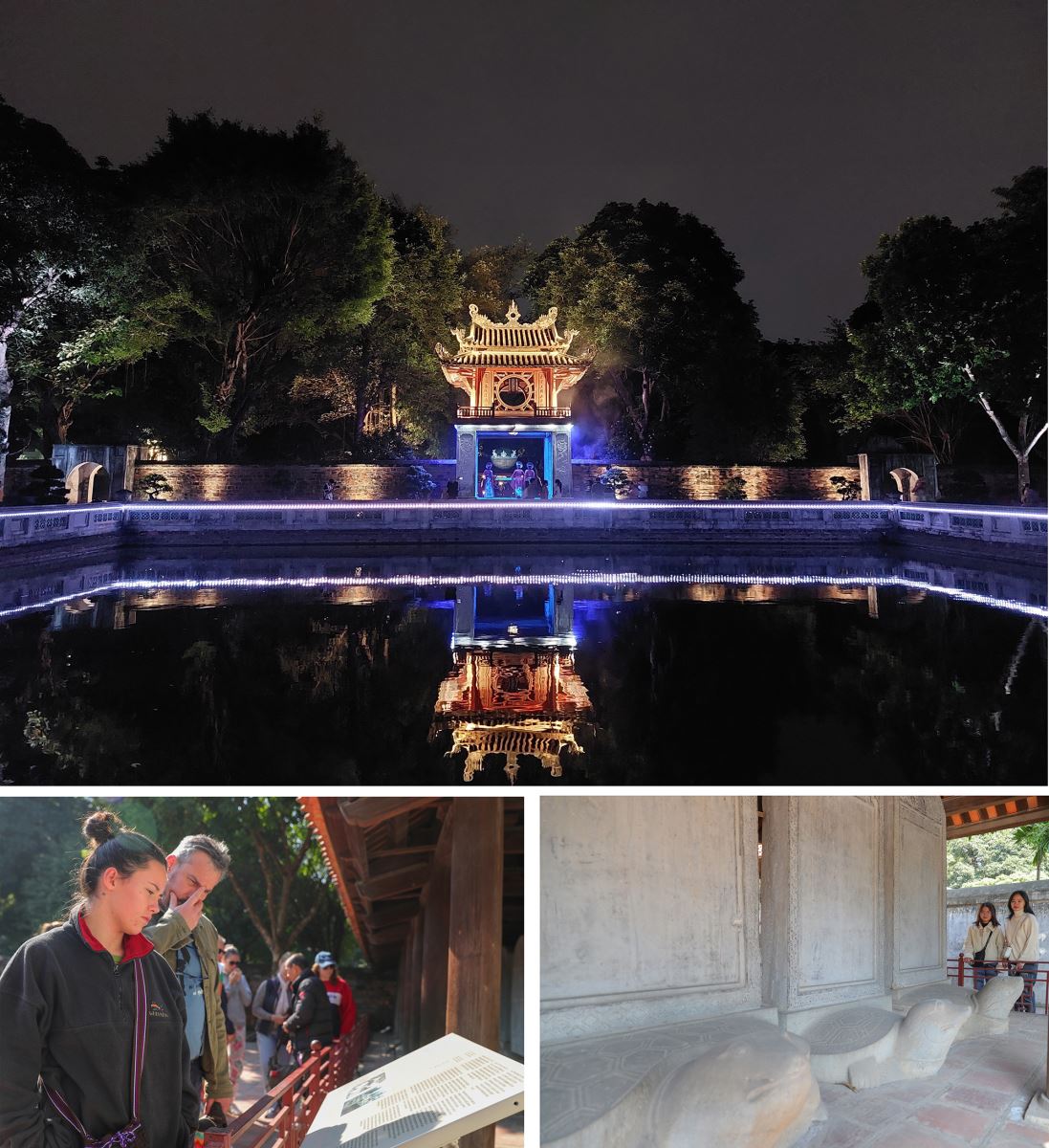
The 82 doctoral steles, corresponding to 82 examinations, dating from 1484 to 1780, record the names of those who passed the highest-level examinations. These are the only original documents still remaining at the Temple of Literature - National University, considered one of the invaluable cultural legacies left by our ancestors. They are also authentic documents, reflecting a vivid picture of the system of training and recruiting talent in Vietnam, which lasted for more than 300 years under the Le and Mac dynasties.
The area of the Doctoral Examination Stele has been recognized by UNESCO as a World Documentary Heritage site.
The system of 82 doctoral steles is also a unique work of art, reflecting the sculptural art of many feudal dynasties of Vietnam. Each inscription on the stele is a model of literature, expressing philosophical and historical thought, as well as views on education, training, and the appreciation of talent. In March 2010, the 82 doctoral steles at Van Mieu - Quoc Tu Giam were recognized by UNESCO as a World Documentary Heritage site in the Asia- Pacific region. In July 2011, the 82 doctoral steles were again recognized as a World Documentary Heritage site globally. In May 2012, the entire Van Mieu - Quoc Tu Giam complex was recognized by the Government as a special national monument. In January 2015, the 82 doctoral steles at Van Mieu - Quoc Tu Giam were recognized by the Government as a National Treasure.
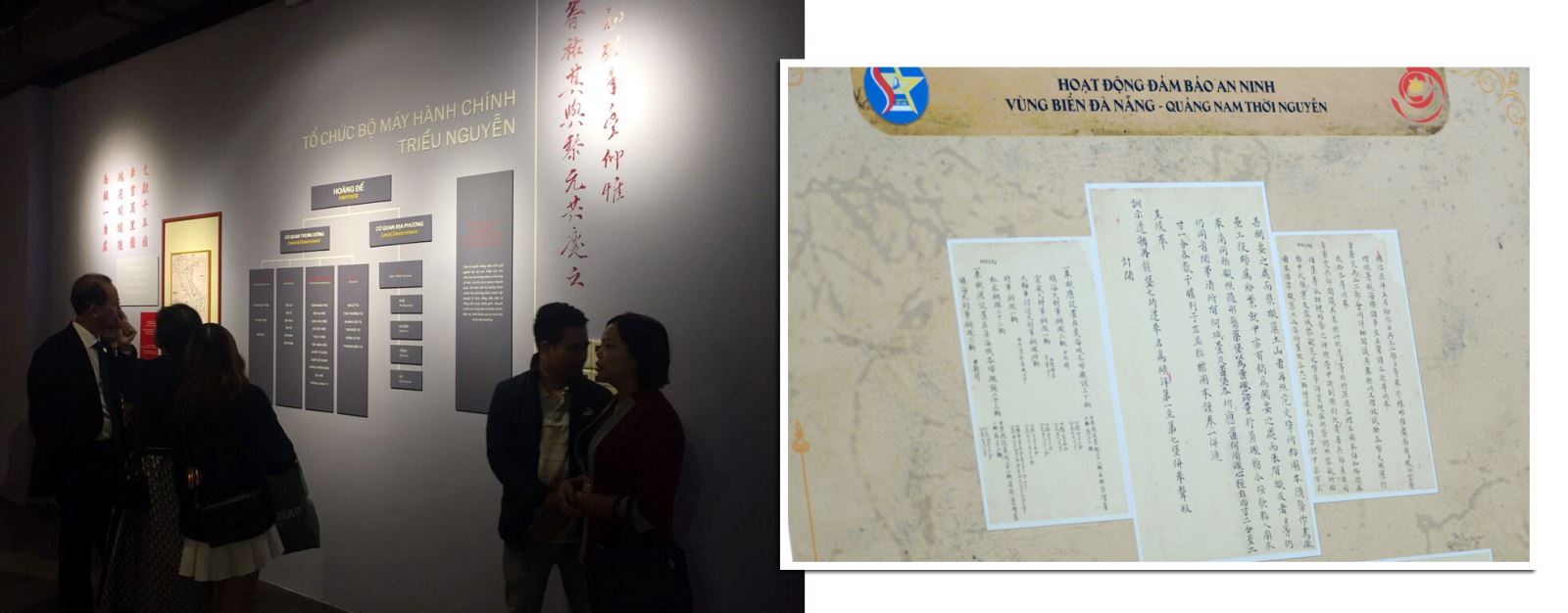
The Nguyen Dynasty archives are a type of Sino-Vietnamese document, comprising administrative texts created during the state administration of the Nguyen Dynasty (1802-1945): documents issued by the Emperors, documents submitted by agencies within the government system to the Emperor for approval using red ink, and some diplomatic documents.
Exhibition "Nguyen Dynasty Archives - Memories of a Dynasty".
This is the only surviving collection of administrative documents from a feudal dynasty, possessing outstanding value due to its rich content, reflecting the entire history, socio-economic life, and people of Vietnam during that period. One of the outstanding values of the Nguyen Dynasty's Imperial Archives is the exceptionally important documentation that contributes to affirming Vietnam's sovereignty over the Hoang Sa and Truong Sa archipelagos. The Nguyen Dynasty's Imperial Archives also served as the primary source for compiling official histories under the Nguyen Dynasty such as "Dai Nam Thuc Luc Chinh Bien," "Dai Nam Nhat Thong Chi," and "Quoc Trieu Chinh Bien Toat Yeu." In 2014, the Nguyen Dynasty's Imperial Archives were recognized by UNESCO as a Regional Documentary Heritage of Asia and the Pacific. In 2017, UNESCO further recognized the Nguyen Dynasty's Imperial Archives as a World Documentary Heritage.
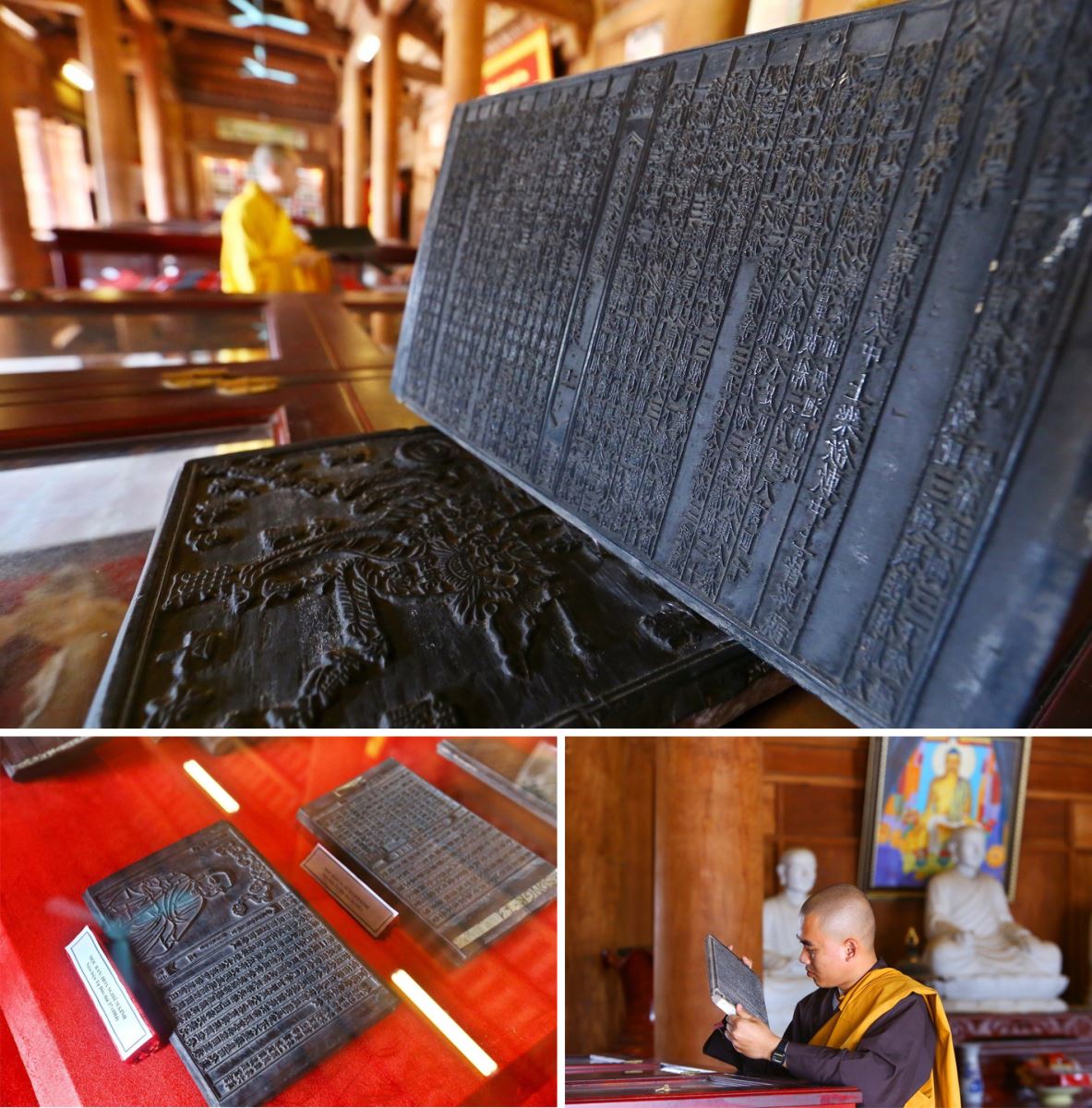
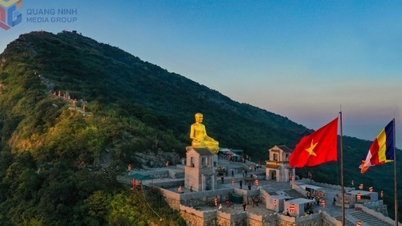
The woodblock prints of Vinh Nghiem Pagoda (Duc La village, Tri Yen commune, Yen Dung district, Bac Giang province) are of great significance in assessing the process of self-reliance in the thought and culture of the nation; they help in studying the development of the Vietnamese language and writing system, from primarily using Chinese characters to valuing and actively using Nom characters, the Vietnamese language that originated in the 11th century.
The woodblock prints are preserved and displayed at Vinh Nghiem Pagoda.
The woodblocks at Vinh Nghiem Pagoda possess unique documentary values and profound humanistic significance, demonstrating that the Truc Lam Zen sect, founded by Tran Nhan Tong – an emperor who became a monk – was the first distinct Buddhist sect in Vietnam, based on the selective adoption of Indian and Chinese Buddhism. The collection of woodblocks contains a wealth of diverse information about the history of Buddhism, the philosophy and practice of the Truc Lam Zen sect, its engagement with the world, literature, customs and traditions, as well as the development of woodblock printing and wood carving art in Vietnam. Due to its exceptional scientific and historical value, on May 16, 2012, the 3,050 woodblocks at Vinh Nghiem Pagoda were recognized by UNESCO as a Documentary Heritage under the Memory of the World Programme for the Asia-Pacific region.
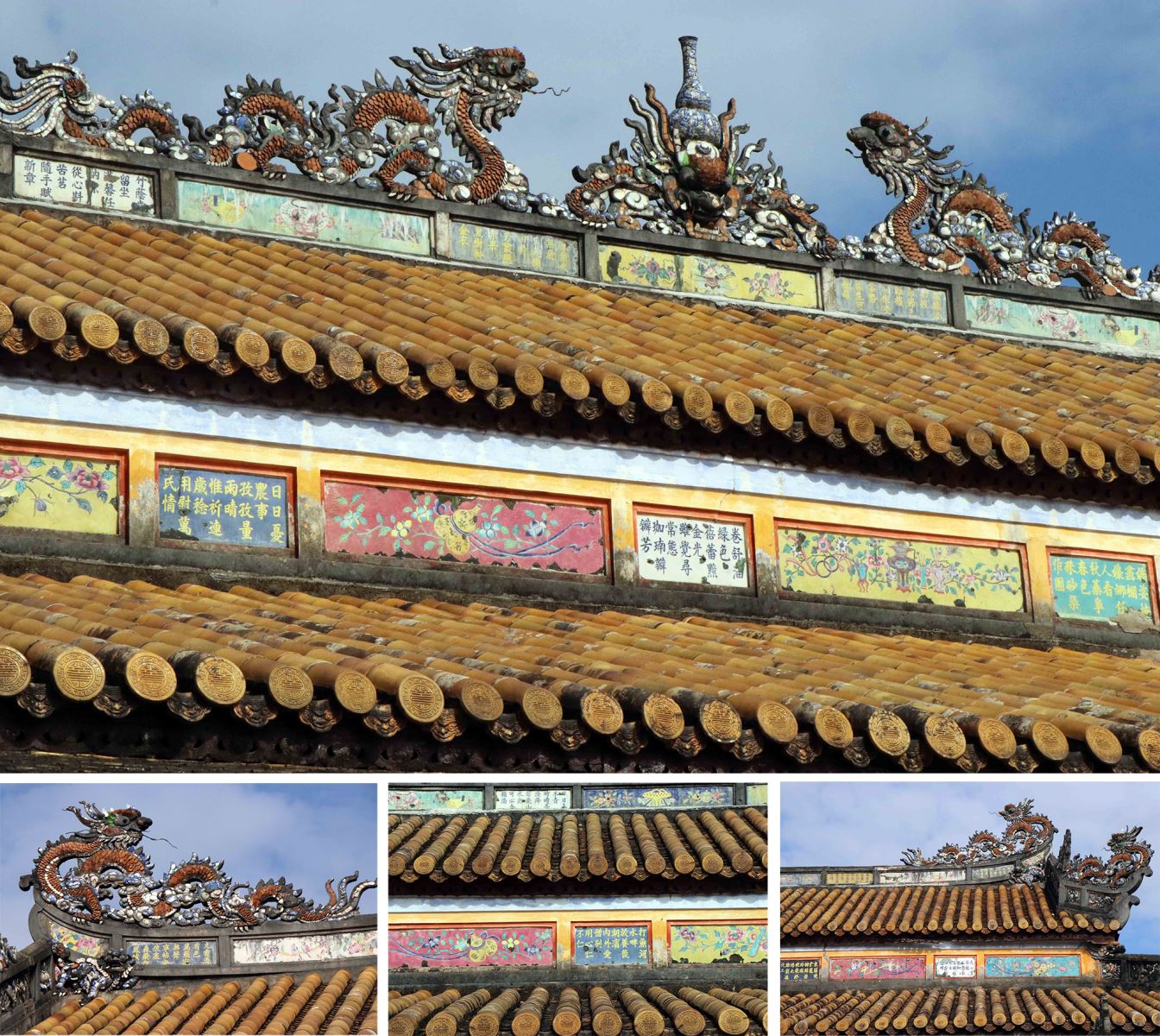
The "Poetry and Literature on Hue Imperial Architecture" system encompasses the entirety of Chinese-language texts, primarily inscribed on lintels, panels, or wooden walls of Hue's architectural relics built during the Nguyen Dynasty (1802-1945). Notably, the "one poem, one painting" style of decoration in Hue architecture flourished during this period, becoming a standard practice for the imperial court in decorating palace structures thereafter.
Works of poetry and literature are displayed on the roof of the Thai Hoa Palace.
"Poetry and Literature on Hue Imperial Architecture," with nearly 3,000 decorative motifs of poetry and literature, is a precious heritage not found anywhere else in the world. Its rich and diverse content is expressed on various materials such as wood, stone, bronze, enamel, ceramic mosaic, and gilded lacquer. This heritage clearly reflects a period of development in the history of Vietnamese architectural and decorative art. "Poetry and Literature on Hue Imperial Architecture" was recognized as a World Documentary Heritage by the Asia-Pacific Regional Committee of the Memory of the World Programme on May 19, 2016, at its 7th session held in Hue City.
The Phuc Giang School woodblocks are the only and oldest collection of educational woodblocks from a single family lineage still preserved in Vietnam from the 18th to the early 20th centuries, located at Phuc Giang School (in what is now Ha Tinh province). The woodblocks were carved in reverse Chinese characters to print three volumes of classic textbooks (comprising 12 books): Tinh Ly Toan Yeu Dai Toan, Ngu Kinh Toan Yeu Dai Toan, and Thu Vien Quy Le.
Woodblock prints of Phuc Giang School.
Not only are woodblock prints original documents that aid in studying Vietnam's education, culture, economy , and society during the mid-18th century, but they are also valuable resources providing information in many fields: textual studies, education, printing, and fine arts. Having survived numerous historical events and upheavals, only 394 sets of woodblock prints remain, preserved at the Nguyen Huy Tu Ancestral Temple (Truong Luu commune, Can Loc district, Ha Tinh province). These woodblock prints were compiled by five prominent cultural figures of the Nguyen Huy family: Nguyen Huy Tuu, Nguyen Huy Oanh, Nguyen Huy Cu, Nguyen Huy Quynh, and Nguyen Huy Tu. Most of these individuals taught at the National Academy (Quoc Tu Giam). The Phuc Giang School woodblocks were recognized as a World Documentary Heritage by the Asia-Pacific Regional Committee of the Memory of the World Programme on May 19, 2016, at the 7th Conference held in Hue City.
This is an ancient book belonging to the Nguyen Huy family (in Truong Loc commune, Can Loc district, Ha Tinh province), copied in 1887 from the original manuscript by Tham Hoa Nguyen Huy Oanh. The original manuscript by Tham Hoa Nguyen Huy Oanh was compiled between 1765 and 1768 during the reign of King Le Hien Tong, drawing on documents from previous generations and supplementing details related to his trip in 1766-1767 as chief envoy.
"Hoang Hoa Su Trinh Do" is a book describing the diplomatic mission of the Vietnamese embassy to China.
"Hoang Hoa Su Trinh Do" (Map of the Imperial Envoy's Journey) depicts the journey of the Nguyen Huy family from the Vietnam-China border through various prefectures, counties, and post stations to their final destination, Tan Thanh County, Beijing. It clearly records the entire process: the time and location of rest stops along the land and water routes; the duration of stay and activities of the delegation; the length of each post station and the total length of the land and water routes; the structure and construction time of the palace gates of Yen Kinh; and detailed notes on the topography, landscapes, people, and diplomatic ceremonies in the Chinese and Vietnamese regions. Currently, the only handwritten copy of "Hoang Hoa Su Trinh Do" is preserved by descendants of the Nguyen Huy family at their home in Truong Luu village. It is a rare and unique work, with multifaceted value: geographical, historical, political, diplomatic, cultural, customary, and artistic... and also contains much documentary evidence of diplomatic activities between Vietnam and China from the mid-10th to the 18th centuries.
This is a treasure trove of valuable documentary heritage in both Chinese and Vietnamese scripts, comprising a large number of 78 rock inscriptions (76 in Chinese and 2 in Vietnamese). The content and style are diverse, and the forms unique, encompassing various genres such as imperial inscriptions, epigraphs, eulogies, poems, prefaces, names, and couplets by Nguyen Dynasty kings, officials, high-ranking monks, and generations of poets and scholars who left their inscriptions on the cliffs and caves of the Marble Mountains from the first half of the 17th century to the 1960s. These rock inscriptions are extremely valuable, authentic, and distinctive documents, clearly demonstrating the interaction and harmony in economics, culture, and society between Japan, China, and Vietnam in Vietnam from the 17th to the 19th centuries. These unique and impressive works on stone feature various script styles such as Classical Chinese, Running Chinese, Cursive Chinese, Seal script, and Clerical Chinese.
The rock formations at the Marble Mountains scenic area (Da Nang).
The "rock inscriptions at the Marble Mountains in Da Nang " are the only original documents personally inscribed by Emperor Minh Mang on the cliffs and caves. This event is recorded in historical documents such as the Dai Nam Nhat Thong Chi, Dai Nam Thuc Luc, and Dai Nam Du Dia Chi Uoc Bien. According to experts, this is a rare, unique, and irreplaceable source of documentary heritage, attracting the attention of researchers both domestically and internationally due to its multifaceted values in history, religion, geography, literature, language, visual arts, culture, and education. In particular, the "Phu Da Son Linh Trung Phat" rock inscription preserves "memories" of economic, cultural, political, and social exchanges between Vietnam and other countries along the trans-regional maritime route, as well as the role of Vietnamese women in international marriages in the 17th century. Hidden within this documentary heritage is a system of values encompassing many aspects such as history, art, culture, and science. Each value affirms the unique characteristics of Vietnamese culture deeply embedded in the consciousness of the local inhabitants.
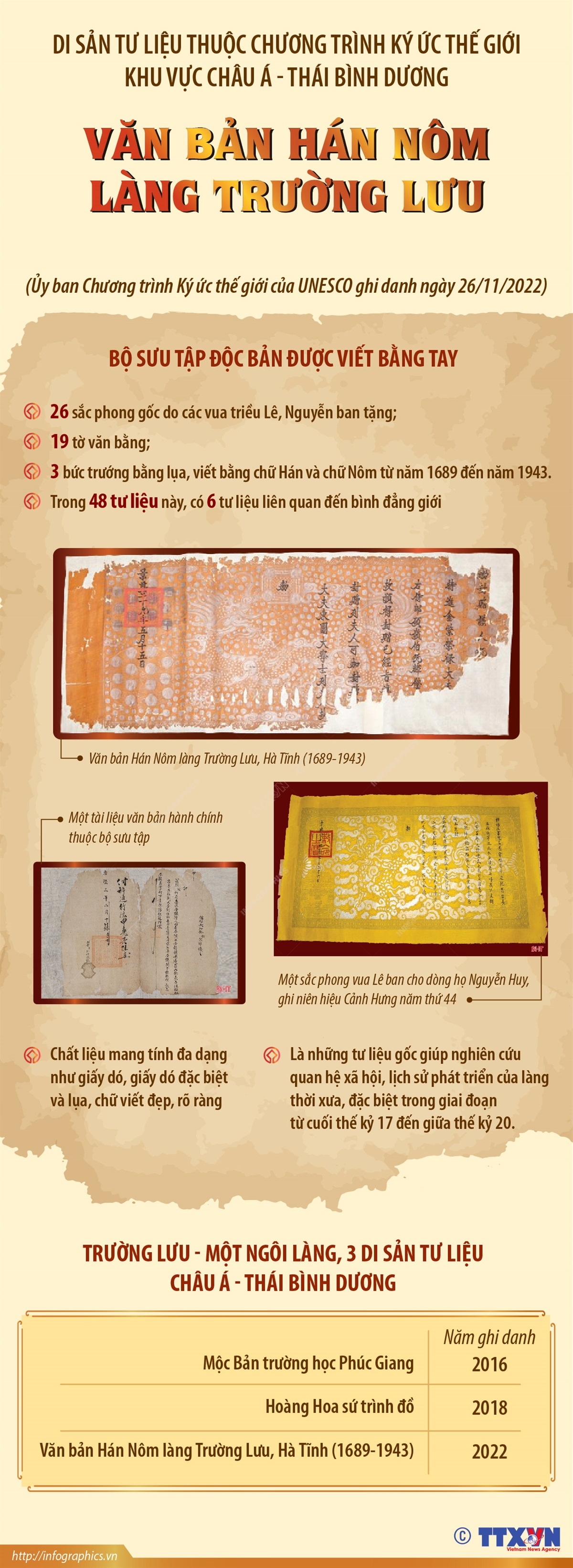
“The Han Nom Texts of Truong Luu Village, Ha Tinh (1689 - 1943)” is a unique collection of handwritten documents, including 26 original royal decrees granted by the Le and Nguyen dynasties; 19 official documents, and 3 silk banners, written in Han and Nom characters from 1689 to 1943.
Sino-Vietnamese texts from Truong Luu village, Ha Tinh province (1689 - 1943).
The original, unique text, with its clear origin and related events, has served as a source material for compiling books. Much of the information can be verified and compared through official Vietnamese historical documents such as "Dai Viet Su Ky Tuc Bien" and "Kham Dinh Viet Su Thong Giam Cuong Muc," as well as through research books such as Phan Huy Chu's "Lich Trieu Hien Chuong Loai Chi" and Bui Duong Lich's "Nghe An Ky." The materials used are diverse, including dó paper, special dó paper, and silk, with beautiful and clear handwriting. "The Han Nom Text of Truong Luu Village" is a rare and valuable document about the culture and education of a village in Central Vietnam, preserved despite numerous historical events. These are original documents that help study the social relations and historical development of the village in the past, especially during the period from the late 17th century to the mid-20th century.
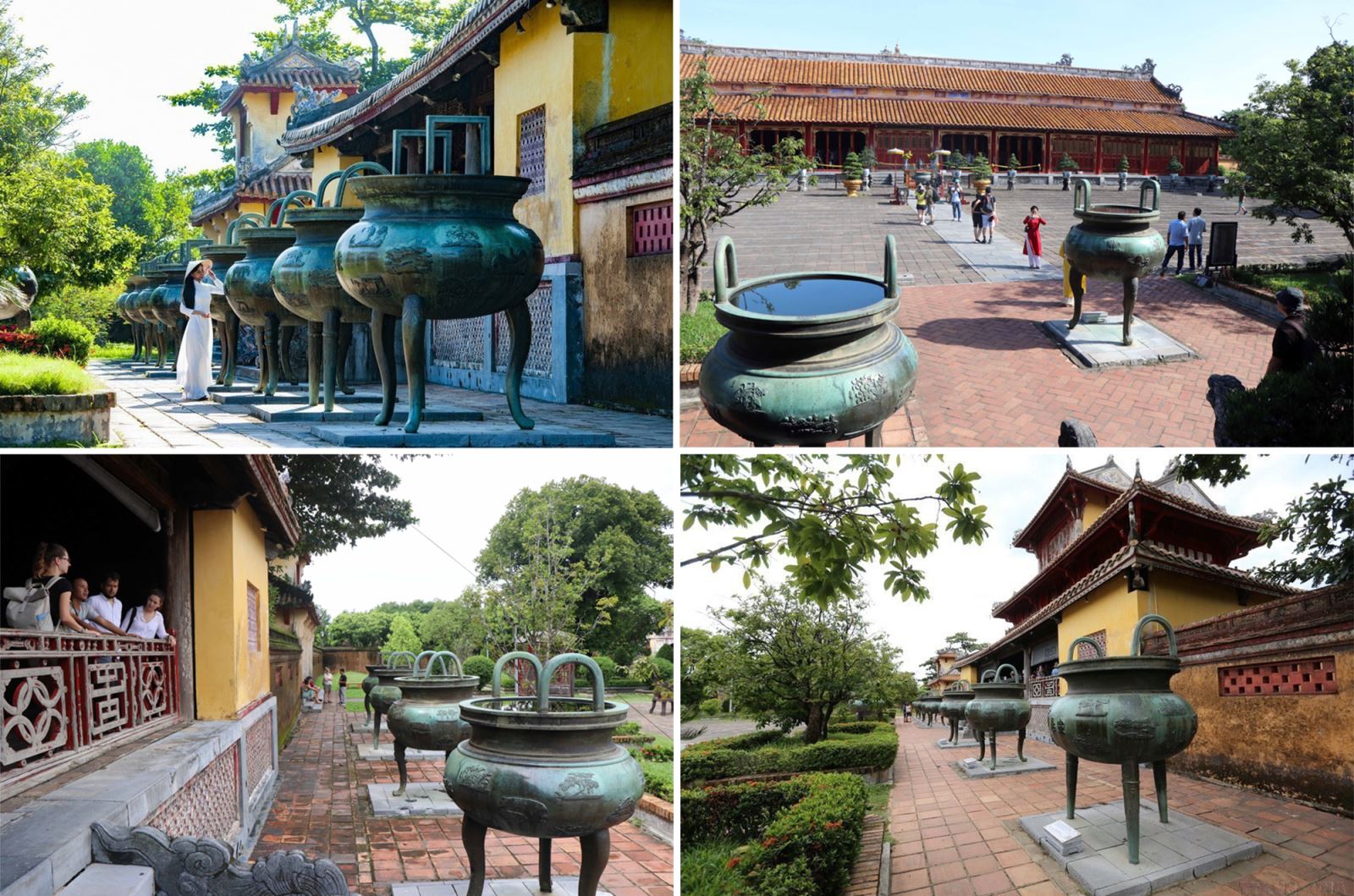
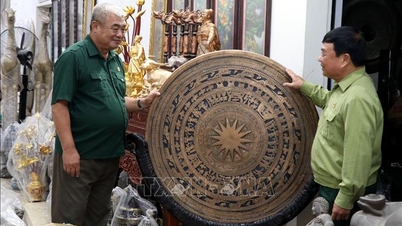
The relief carvings on the nine bronze cauldrons in the Hue Imperial Palace are the only surviving examples, currently placed in front of the The To Mieu temple within the Hue Imperial Palace. They comprise 162 images and Chinese characters, commissioned by Emperor Minh Mang in Hue in 1835 and completed in 1837. This is a unique and rare source of information that is of great interest to Vietnamese and foreign researchers because of its valuable content regarding history, culture, education, geography, feng shui, medicine, and calligraphy. Particularly noteworthy is the emphasis on the status of women under the feudal system; Emperor Minh Mang used the practice of naming canals after women to commemorate their contributions, a rare occurrence during that era.
The Nine Bronze Tripods of the Nguyen Dynasty are nine bronze tripods placed in front of the Ancestral Temple courtyard within the Hue Imperial Citadel.
Most noteworthy is the art of bronze casting and the craftsmanship of the artisans in creating these unique and distinctive works. In particular, due to the profound influence of Eastern culture on the concept of the number "9," the casting of nine bronze cauldrons symbolizes the unity and longevity of the dynasty. The relief castings on the nine bronze cauldrons ensure their integrity, serving as historical "witnesses" to the rise and fall of the dynasty. Most importantly, this documentary heritage, presented in the form of images and Chinese characters, remains intact, and even the positions of the nine cauldrons have never been moved. "The relief castings on the nine bronze cauldrons in the Hue Imperial Palace" also preserves values regarding the cultural and social interaction and contact between Vietnam and other countries in East Asia. On May 8, 2024, Vietnam's dossier, "The relief castings on the nine bronze cauldrons in the Hue Imperial Palace," was officially inscribed on the UNESCO Asia-Pacific Regional Documentary Heritage List. Previously, in 2012, the Prime Minister recognized nine Nguyen Dynasty bronze cauldrons as National Treasures. This set of nine cauldrons is currently preserved and displayed at the Hue Royal Antiquities Museum, part of the Hue Imperial City Relics Conservation Center.
Article: Diep Ninh (compiled) Photos, graphics: VNA Editor: Ky Thu Layout: Nguyen Ha


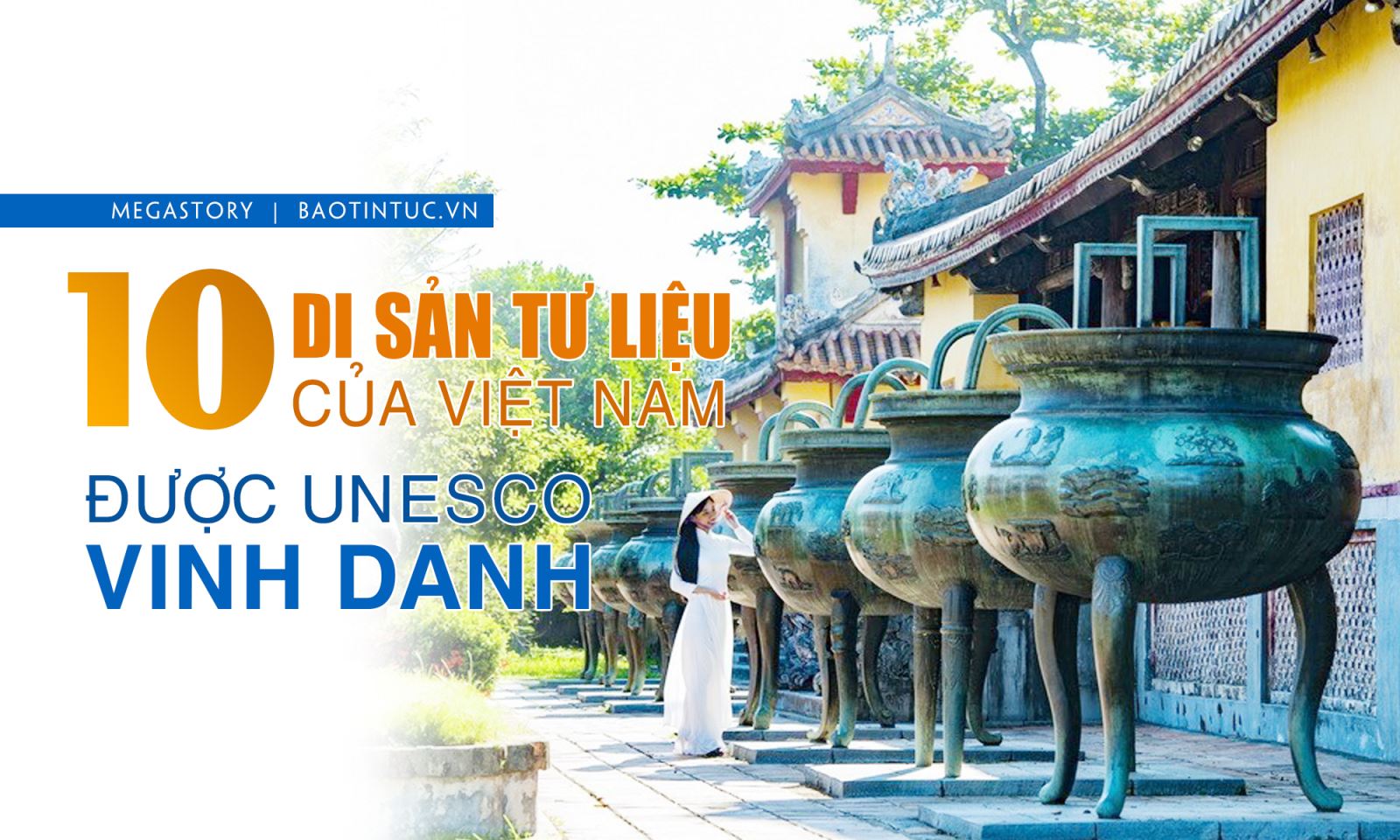 On May 8, 2024, within the framework of the 10th Plenary Session of the UNESCO Asia- Pacific Regional Committee for the Memory of the World Programme held in Mongolia, Vietnam's dossier, "The reliefs on nine bronze cauldrons in the Hue Imperial Palace," was officially inscribed on the UNESCO Asia-Pacific Regional Documentary Heritage List. Thus, to date, Vietnam has 10 documentary heritage sites recognized by UNESCO, including 3 World Documentary Heritage sites and 7 Asia-Pacific Regional Documentary Heritage sites.












![[Photo] Prime Minister Pham Minh Chinh attends the Conference on the Implementation of Tasks for 2026 of the Industry and Trade Sector](/_next/image?url=https%3A%2F%2Fvphoto.vietnam.vn%2Fthumb%2F1200x675%2Fvietnam%2Fresource%2FIMAGE%2F2025%2F12%2F19%2F1766159500458_ndo_br_shared31-jpg.webp&w=3840&q=75)









































































Comment (0)